Mobile: Mother of Mystics and Mardi Gras
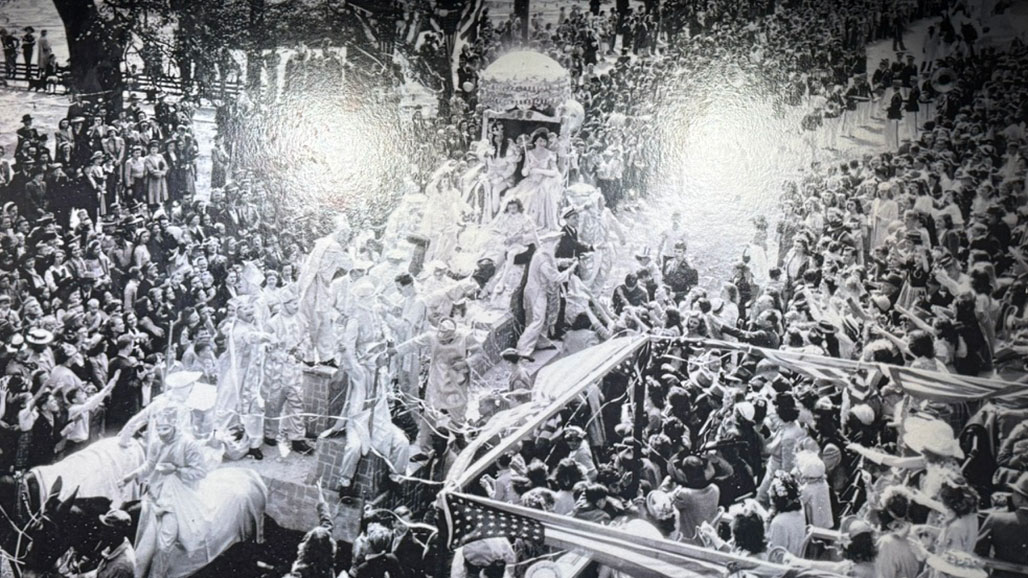 Historic photo of Mardi Gras in Mobile, Alabama
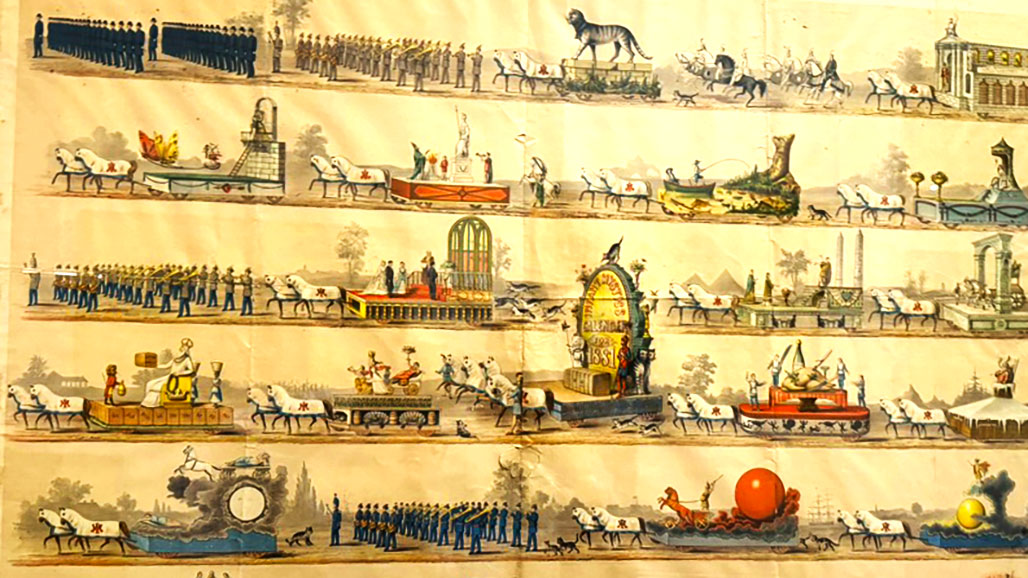
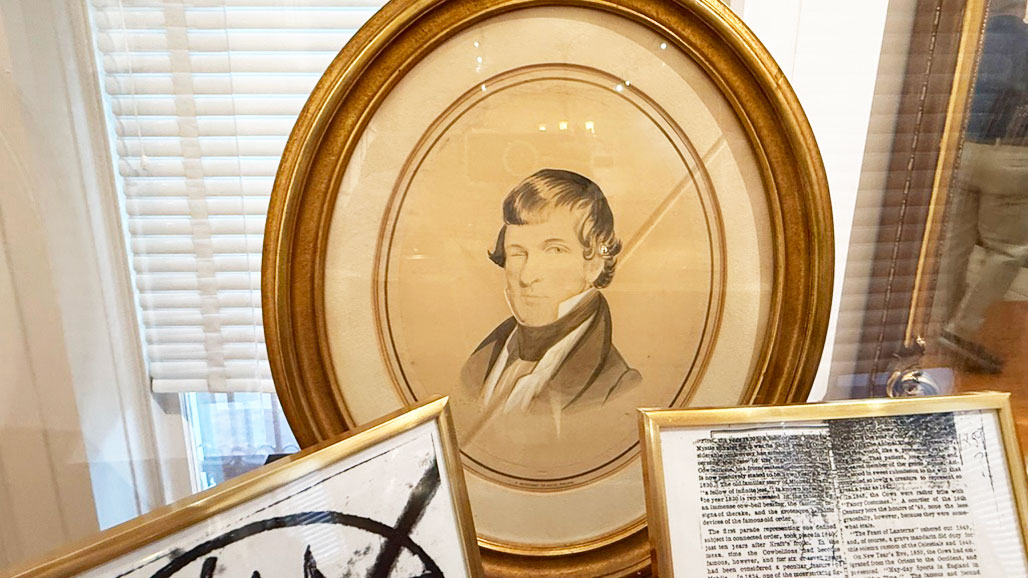
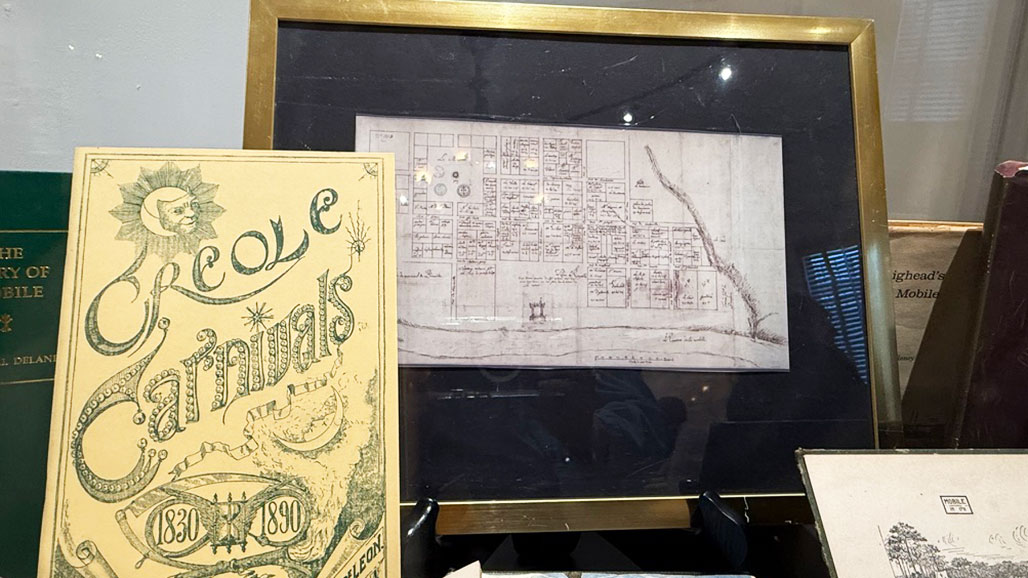
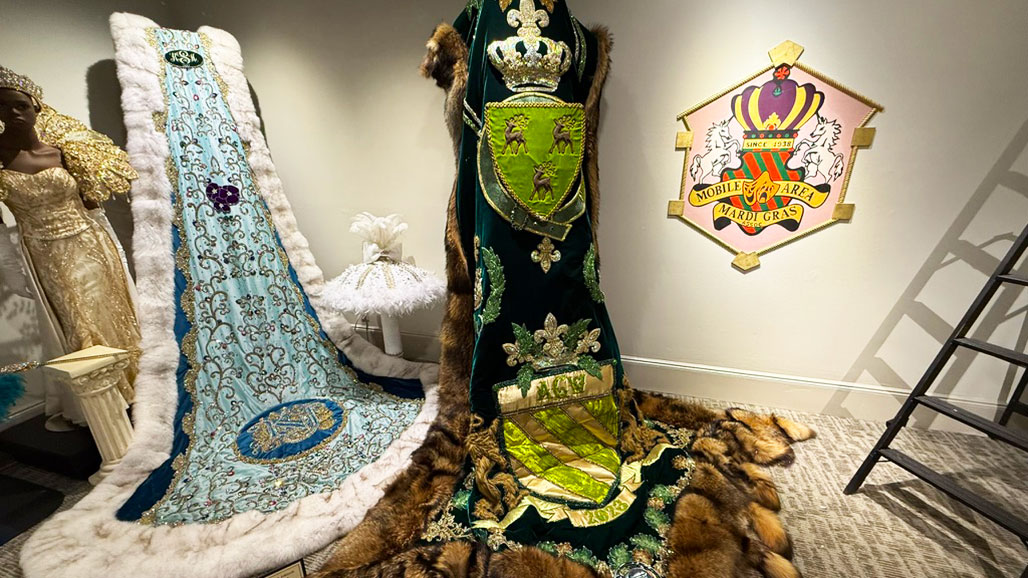
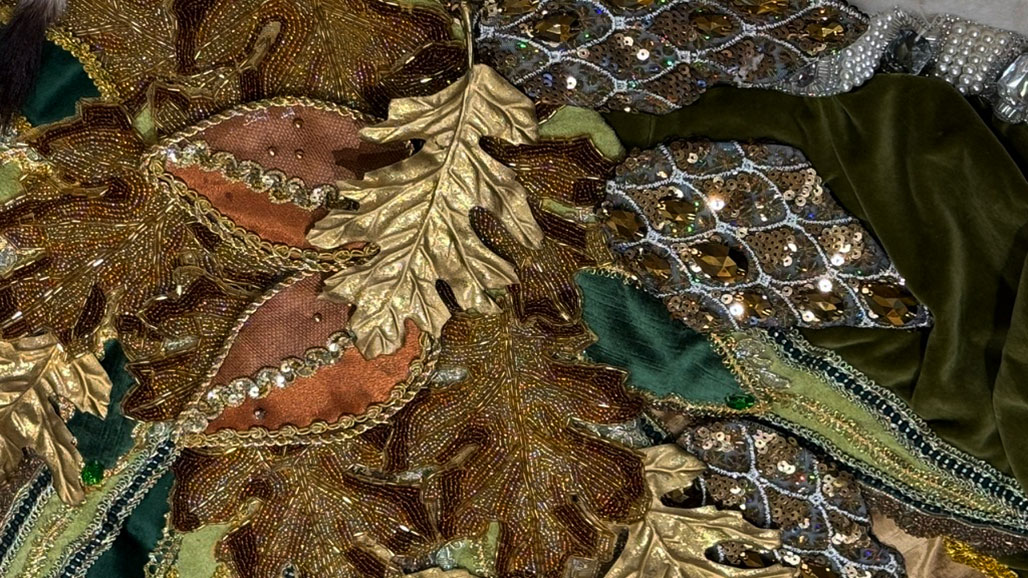
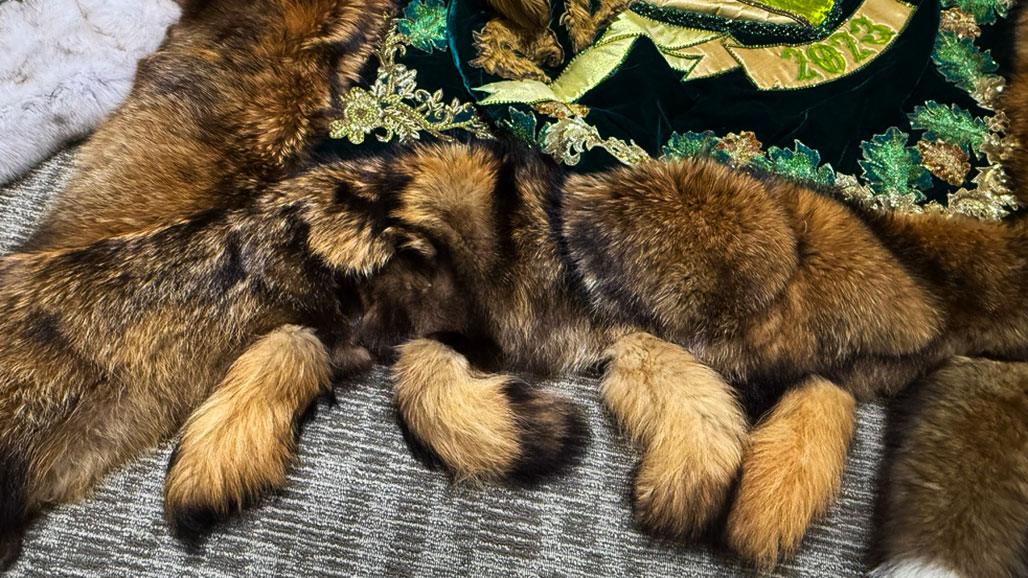
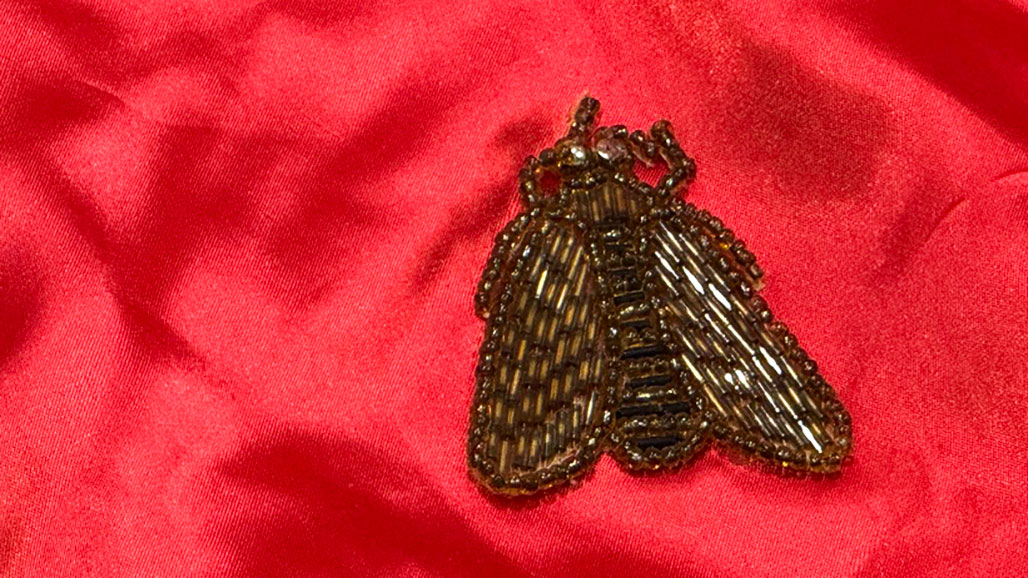
At the Mobile (Alabama) Carnival Museum, we learned that this legendary party did not start in New Orleans, its most famous city, but here, in Mobile.
King Louis XIV, alarmed that the British had the American colonies and Spain had established a foothold near what is now Pensacola, Florida, ordered explorers to grab France’s piece of the pie. They established Fort Louis de la Mobile and called it Mobile La Mer Mystic, or the Mother of Mystics, a name it still wears proudly.
It is believed that in 1703, Mobile held the first Mardi Gras in the New World.
Mardi Gras means Fat Tuesday, or Tuesday Fat, which my fickle little brain had never acknowledged, even after years of high school and college French classes. Mon dieu!
Our guide at the museum was L. Craig Roberts, who literally wrote the book Mardi Gras in Mobile, so what I’m sharing either came from him or his book. Except the merde that I got wrong, and that will be totally moi.
Carnival was created when the Catholic church, wary of the Pagan celebrations of spring, wanted a more godly variation, which became Lent. Believers were to sacrifice something to show their devotion. As Mr. Roberts explained, they couldn’t give up drinking because wine and beer were the only safe beverages as the water was fouled with untreated sewage, and sugar was nowhere to be found so no sweets to avoid.
They decided to eschew fatty meats. (I hope you found that wordplay très joli.)
Before they eschewed the meat, they wanted to chow down. So carnival on until the clock chimes.
In Latin, Carnival means farewell to meat (or flesh). I didn’t take Latin so, thank you, Mr. Roberts.
I didn’t take Catholic either, so here is his explanation of the religious history of this drunken, hedonistic bacchanal.
Carnival begins the day after Epiphany, or Twelfth Night, the 12th day after Christmas, when the wise men reached their destination. For the mathematically impaired, that’s Jan. 9. Although, Mobilians apparently wanted the party to last longer, so they extended it all the way back to Thanksgiving. My kind of people. (That comment was me, not Mr. Roberts. Although, I am convinced he’s a party kind of guy, too. I mean he wrote a whole book on Mardi Gras. La vérité! Voilà!)
The party ends with Ash Wednesday, which marks the beginning of Lent, and when many Christians receive ashes on their foreheads to mark the season.
Figuring out when Ash Wednesday is is another math question.
First, you need to know when Easter is, which is the first Sunday after the first full moon after the Vernal Equinox, which is the first day of Spring. Okay, breathe. Now, count backward from Easter for 47 days.
The first Wednesday before that is Ash Wednesday, and the Tuesday before that is Fat Tuesday, and everyone figured they should party hard before the long days of denial. Or maybe they were just mind-weary from all the math.
And just to make things more interesting, Fat Tuesday was originally Shrove Tuesday, which derived from shrive, which means to confess. And, in Paris, there was something about a fatted calf, and a parade, and, Oh là là, I’m fatigué from explaining, so just buy Mr. Roberts’ book already.
Anyway, the museum is fantastique.
We learned that Mardi Gras, dominates the city, culturally and financially, and that it is funded entirely by private citizens. The Mardi Gras machinery is one of the largest employers locally. No government money is involved, except for beefed up numbers of first responders for celebrations.
There are about 65 krewes, or organizations that hold parades and balls. Membership is by invitation only, and those who join must commit to pay dues, pay for their own costumes, and donate about $2,000 apiece for treats to throw from their parade float. In Mobile, that includes Moon Pies, and makes it the largest consumer of Moon Pies in the nation.
About half the krewes hold parades. They all have balls, which are formal and by invitation only.
Each season has two royal courts, one white, one black. A king and queen for each is chosen from one of the dozen or so founding families. Mobile was a leader in integration, and discussed integrating the royal courts, but families said they wanted to keep the family reunion traditions around the practice, so they remained, with mutual respect.
The kings and queens attend each of the balls, and must have different formal clothing for each. They also have a crown, scepter and robe, designed and created anew each season. The robes, works of art, are decorated with images special to the individual and adorned with crystals, feathers, ermine and embroidery. In other words, open up your wallet. Mucho dinero. Oops, wrong language.
According to Mr. Roberts, much of the city’s discretionary wealth is poured into Mardi Gras. And money flows in from tourists. In 2023, more than 1.3 million visitors came to this town of about 200,000 to see the parades and revelry. According to the museum website, a 2004 study found that $227 million was spent directly on the event, and when indirect spending was included, it grew to a whopping $408 million.
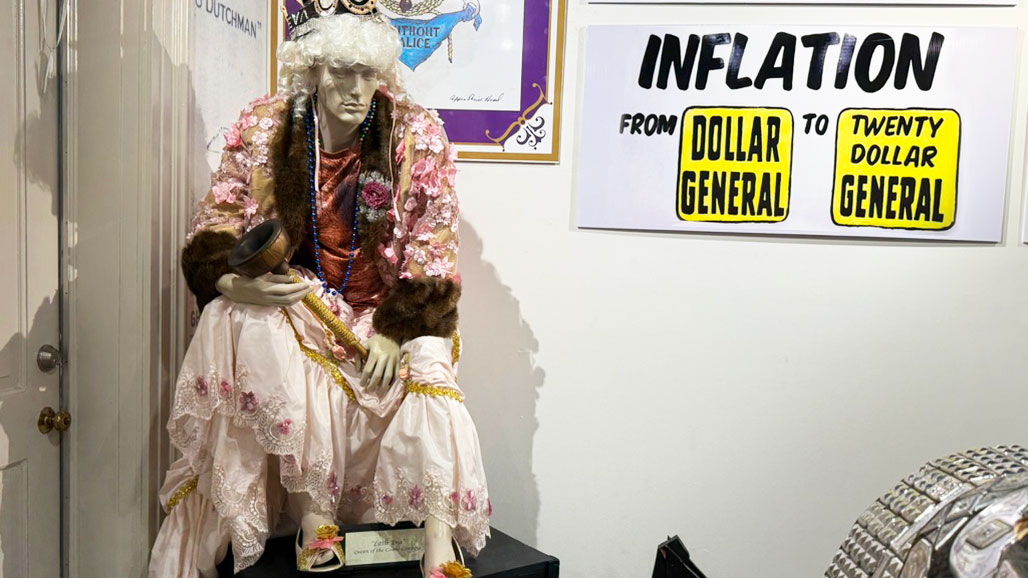
The museum has exhibits with historic posters, float diagrams, costumes, photos and royal regalia.
Ne le manquez pas. (Don’t miss it.) Ok, I looked that one up.
Enjoy les photos.
Au revoir.