Posts in Category: Our wanderings
Marvelous Marfa, where minimalism and abundance dance together
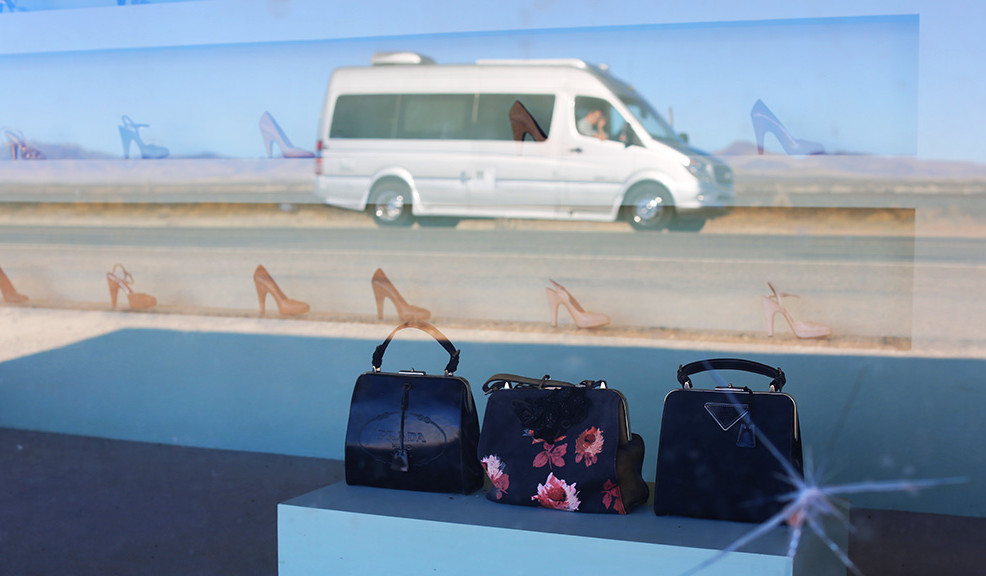
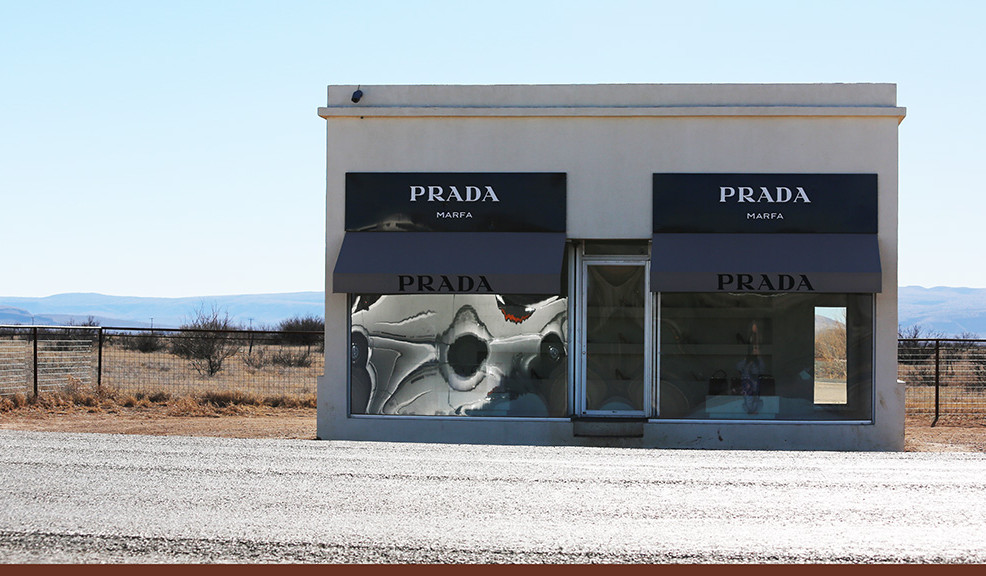 The famous Prada Marfa art installation by artists Elmgreen and Dragset, sits just off U.S. Highway 90 about 26 miles northwest of the city of Marfa. You can see The Epic Van reflected in the window, making our own artistic statement.
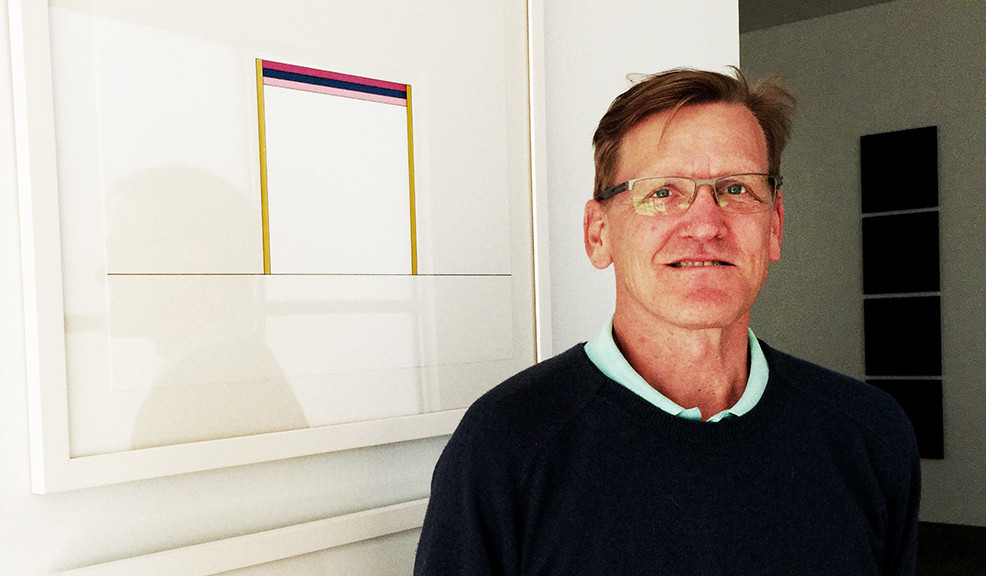
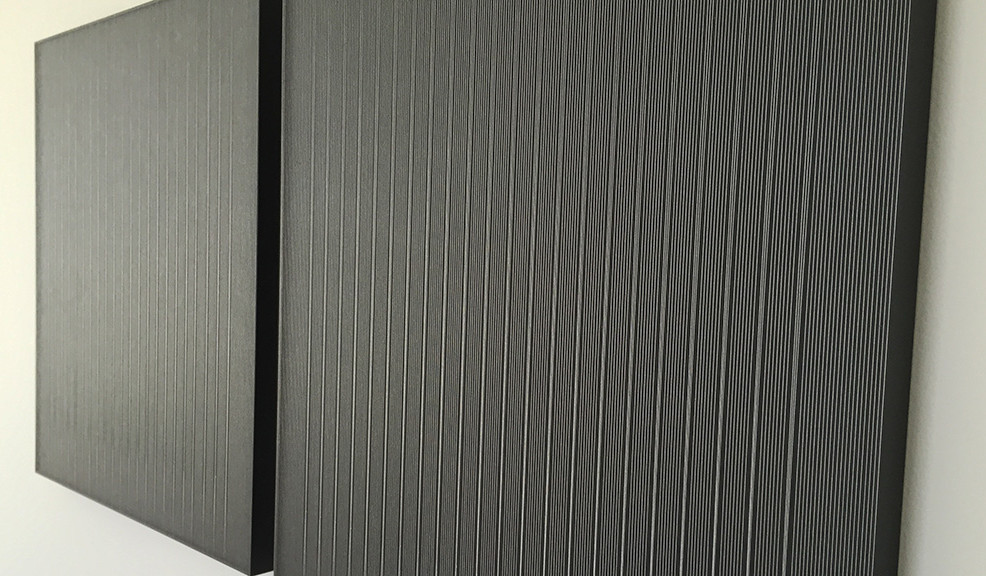
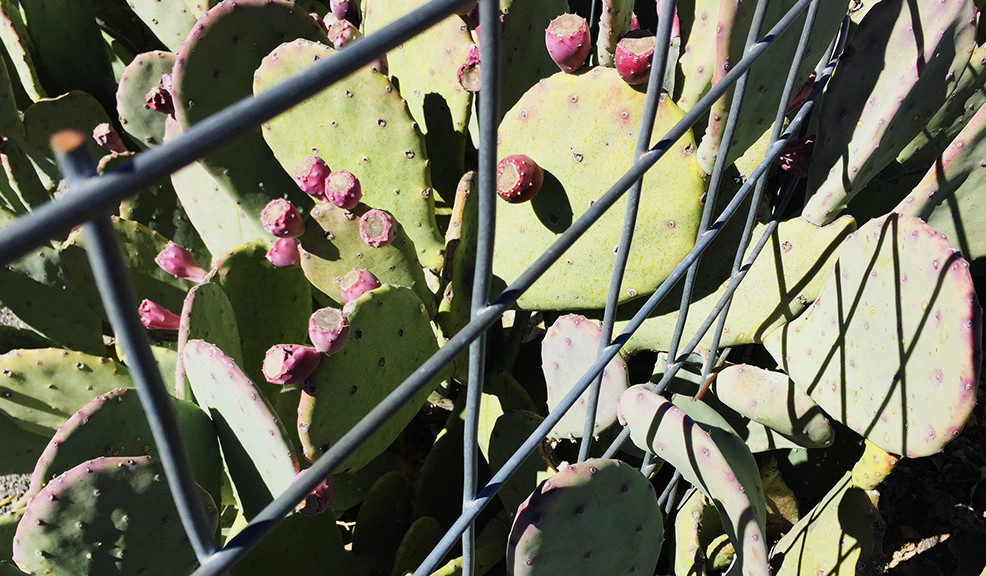
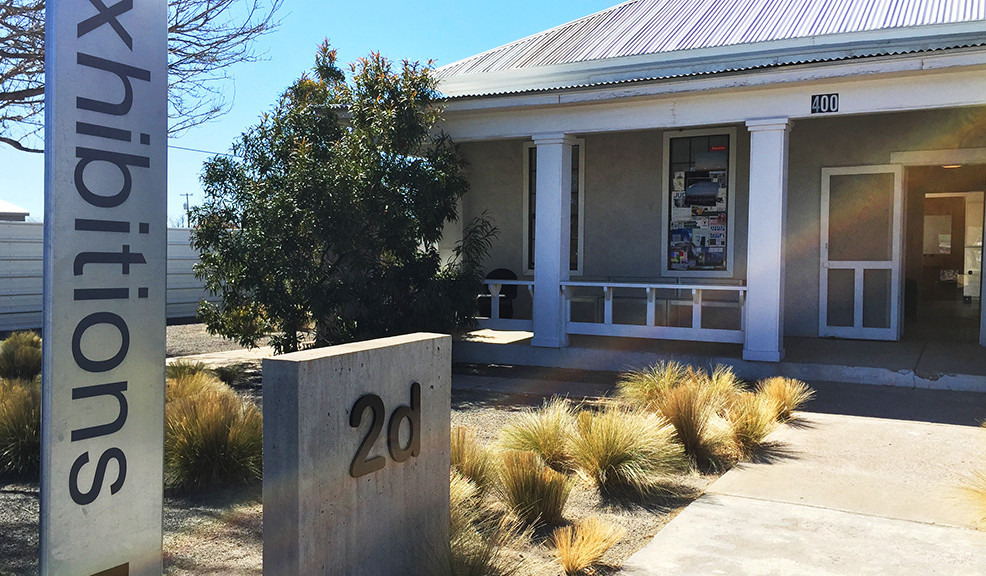
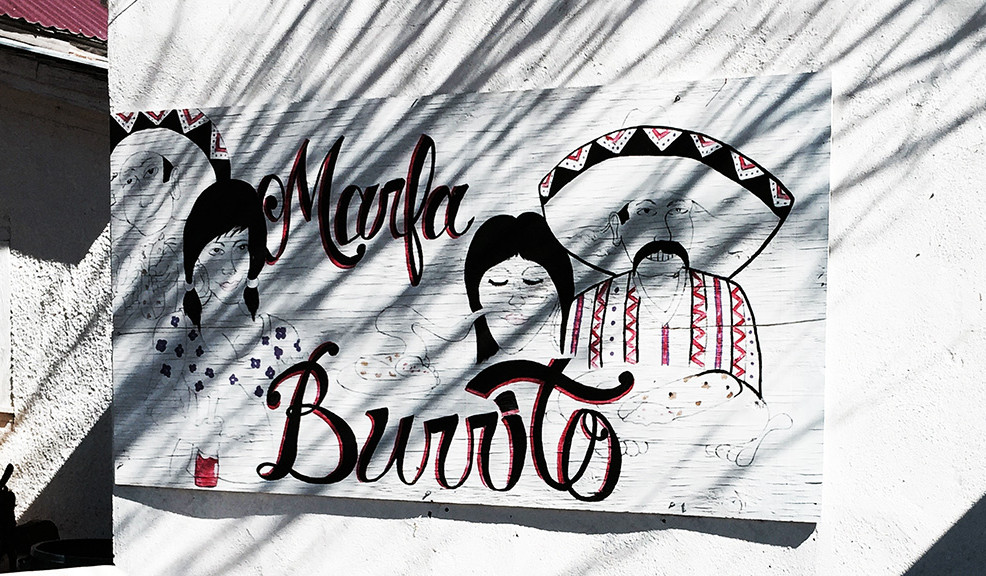
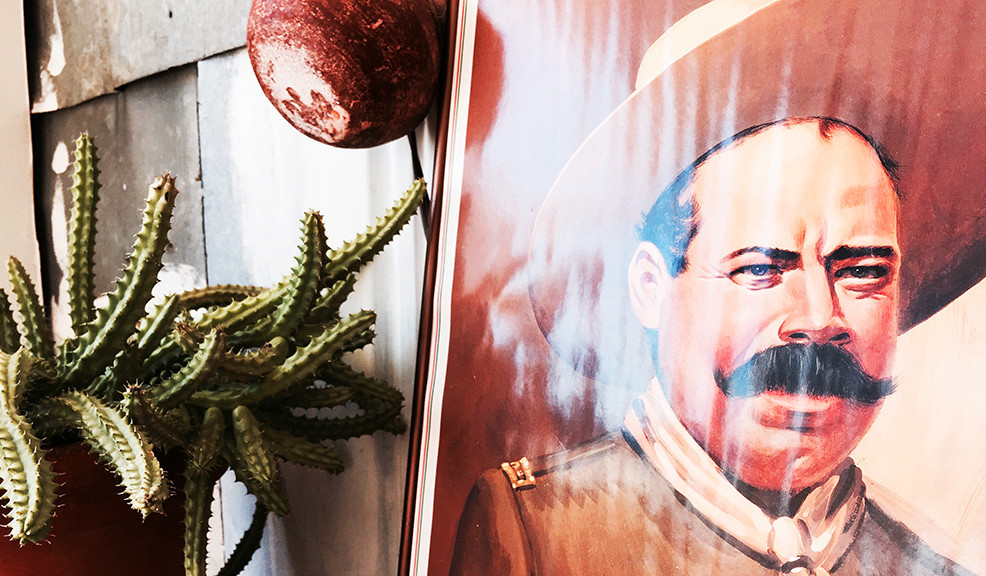
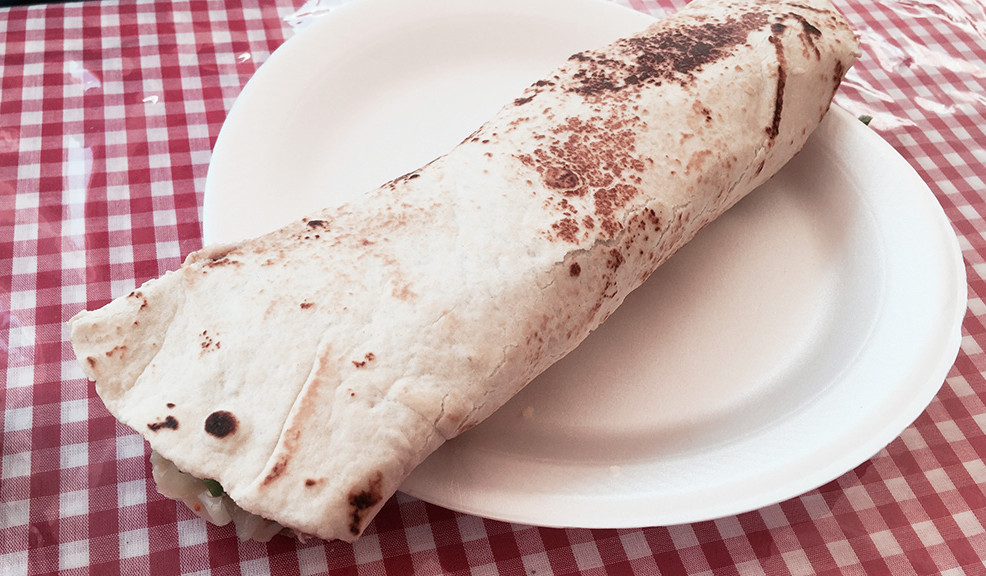

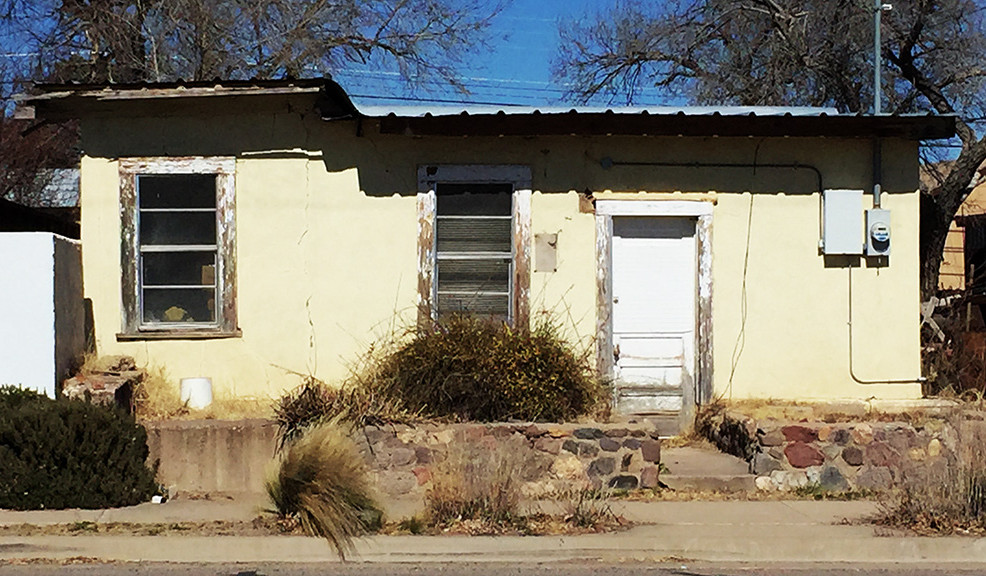
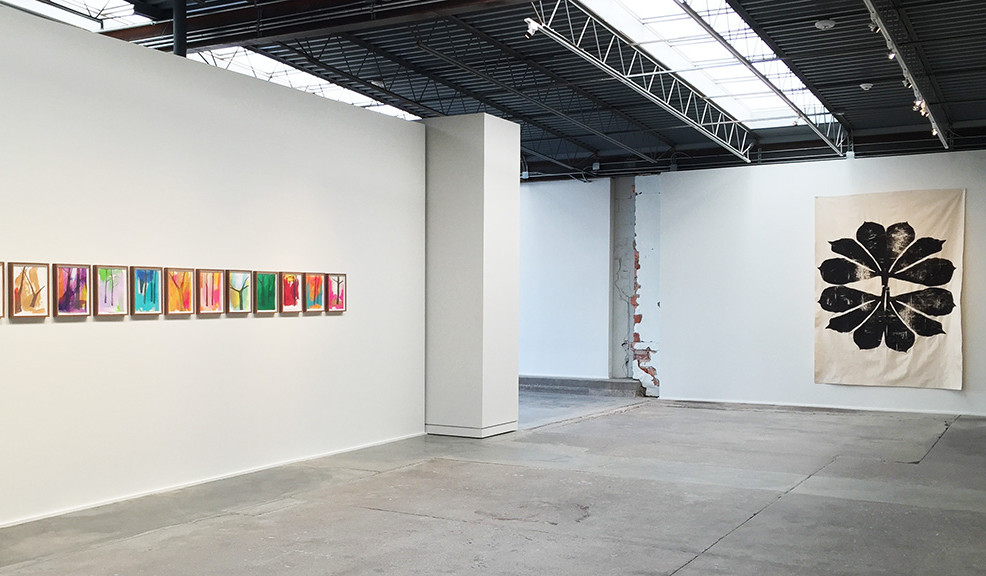
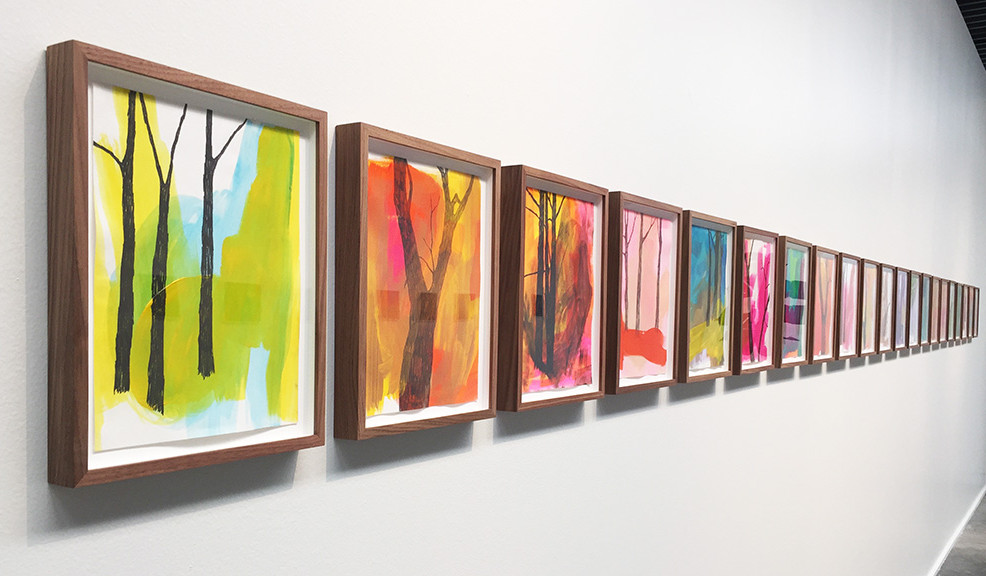
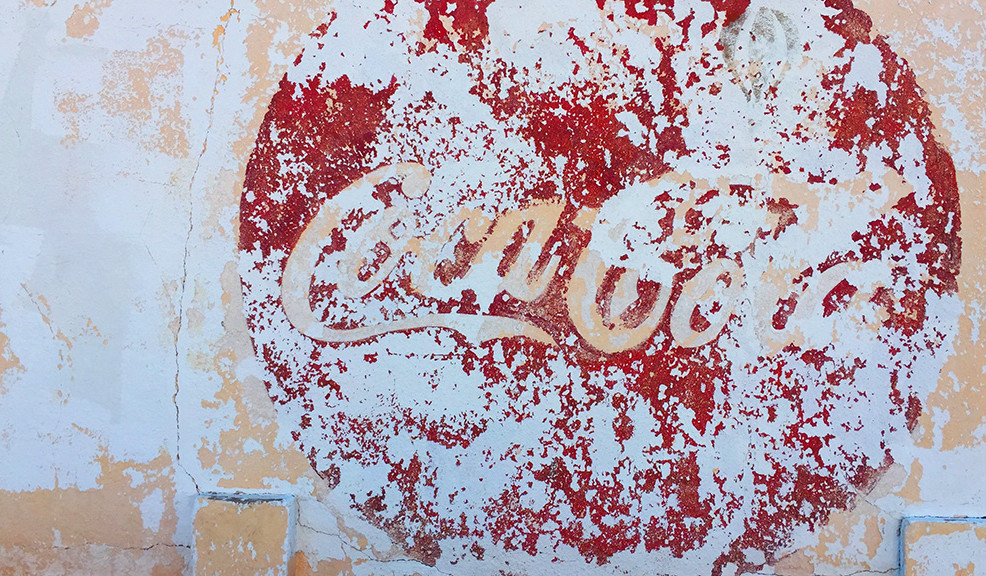
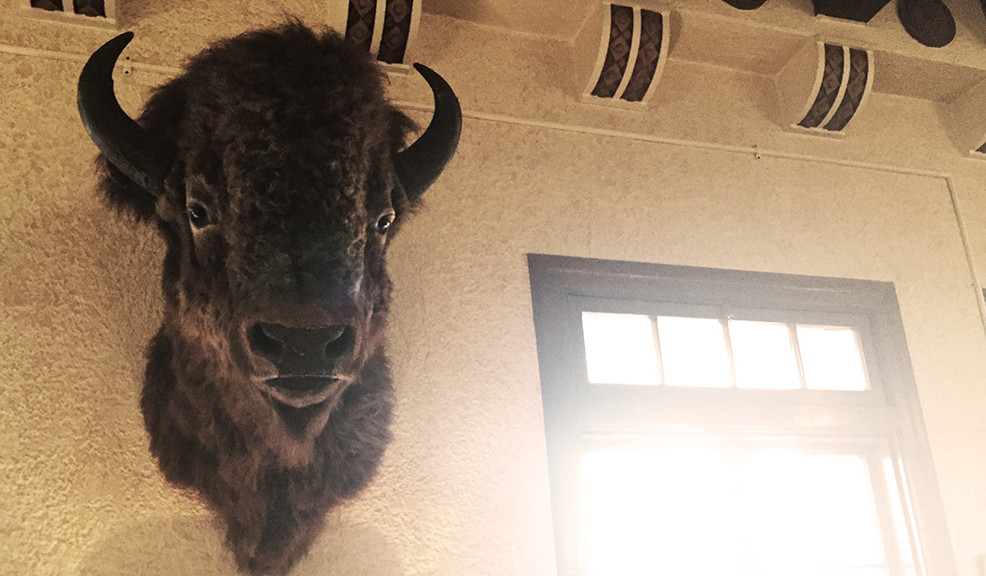
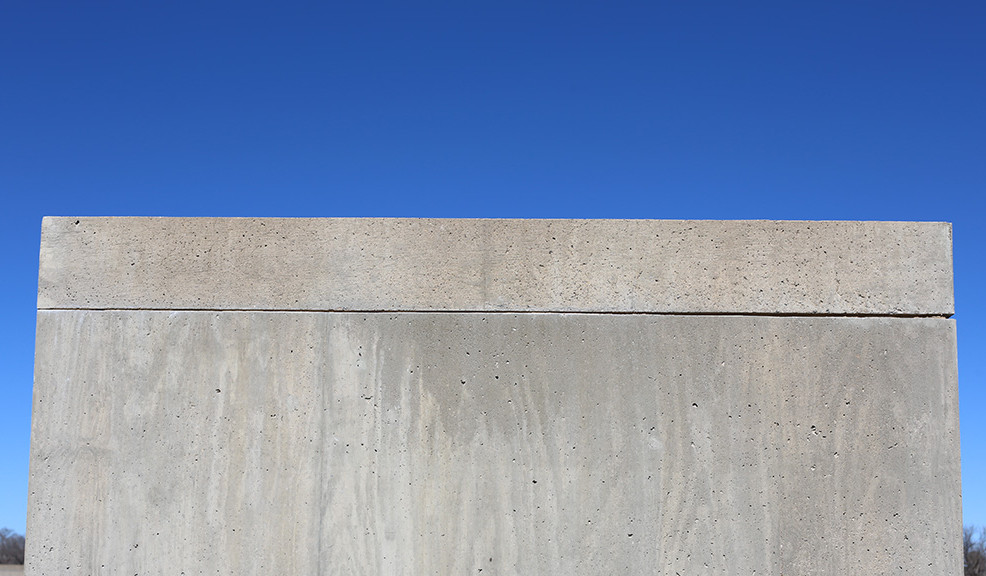
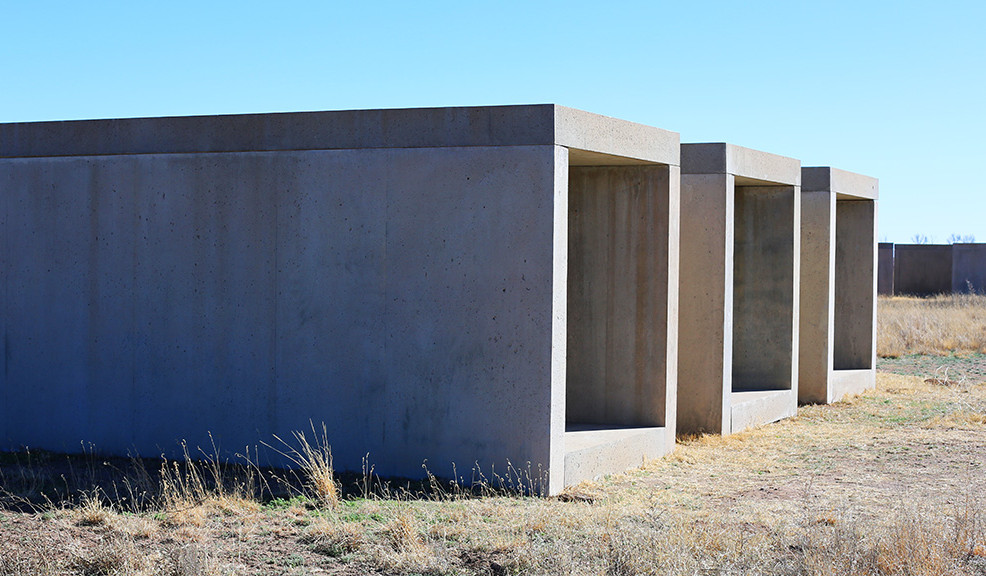
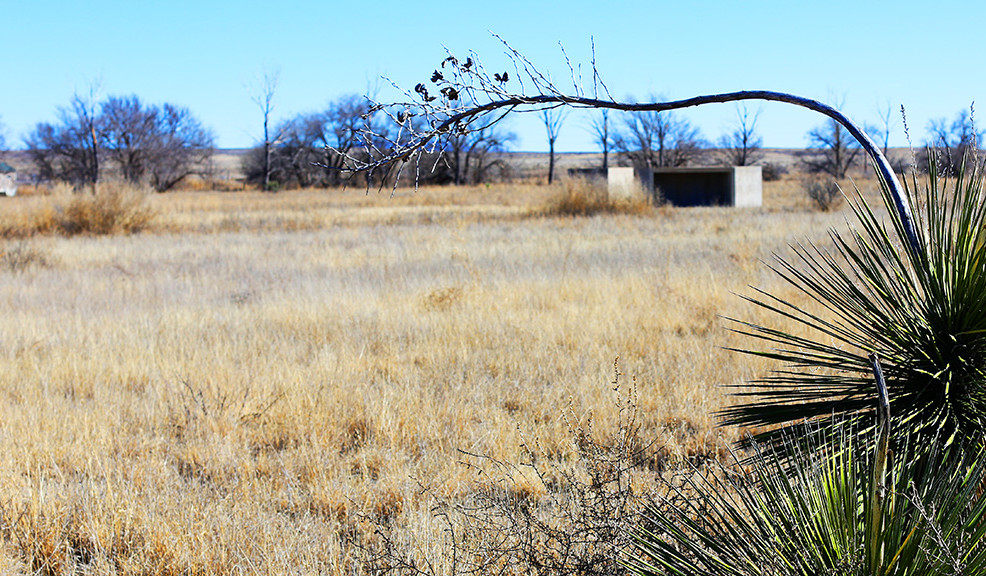
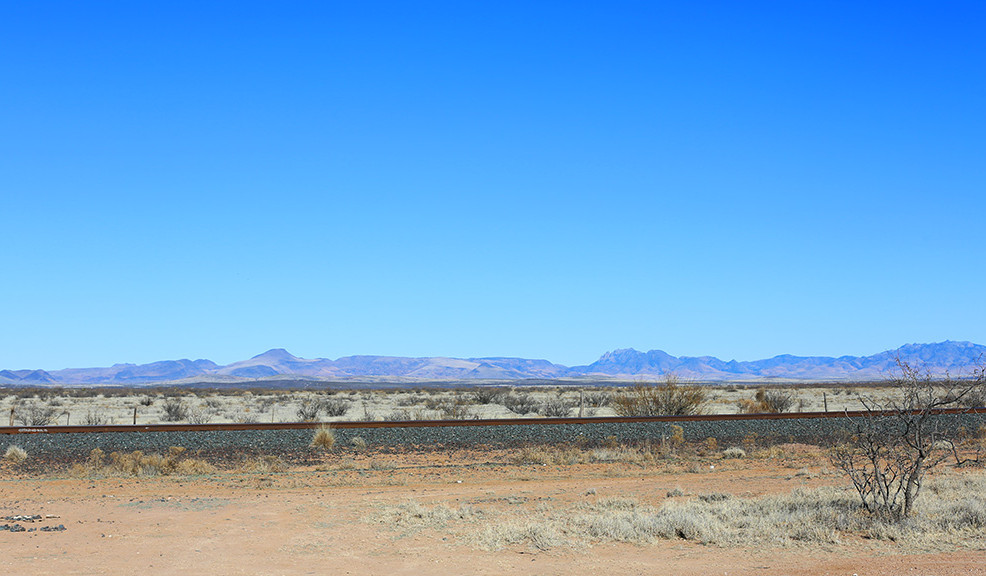
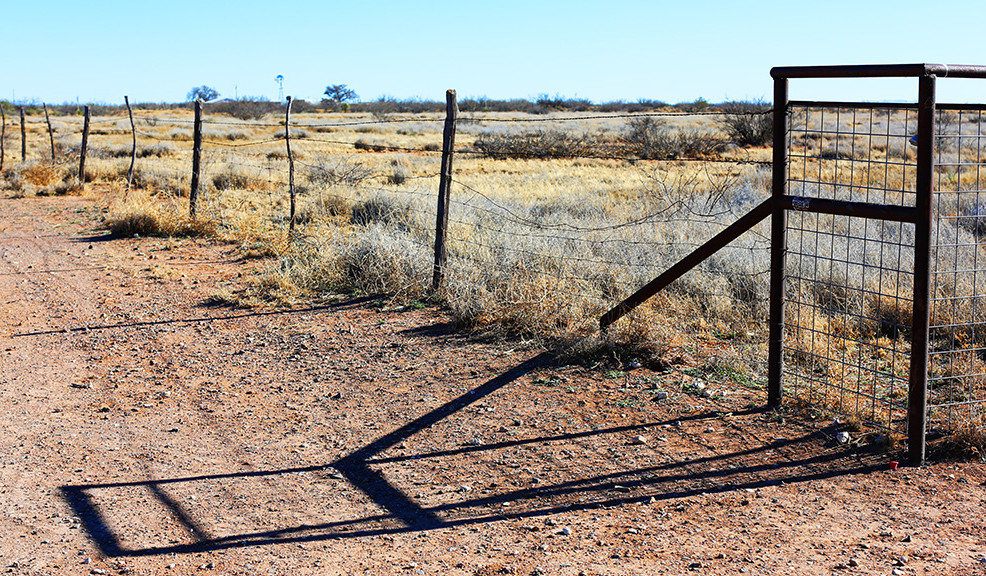
Marfa, Texas, reportedly named in 1883 by a railroad executive’s wife who was reading Fyodor Dostoyevsky’s The Brothers Karamazov, is a city built on history, art and ghost lights.
Year Two begins: Ruins and reflection
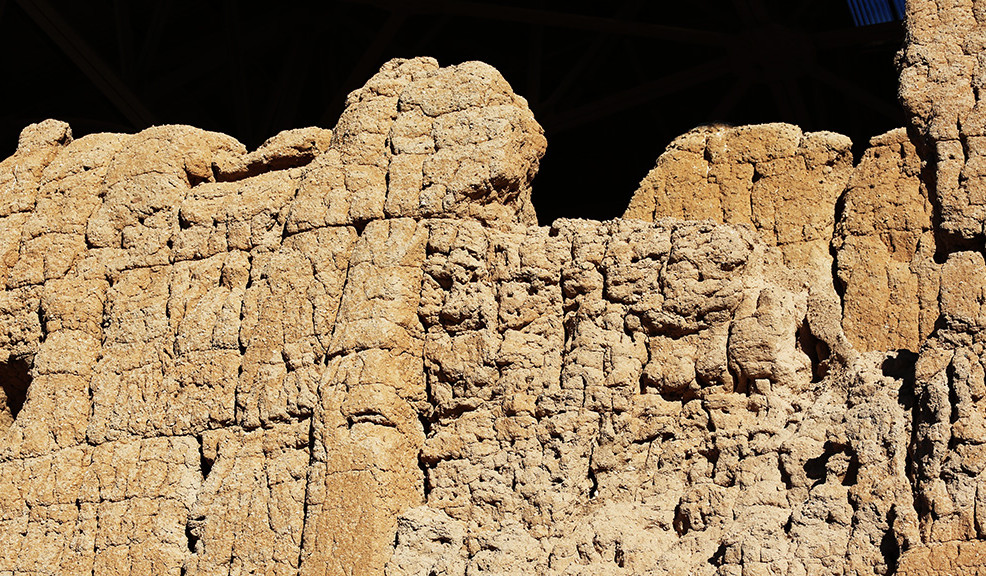
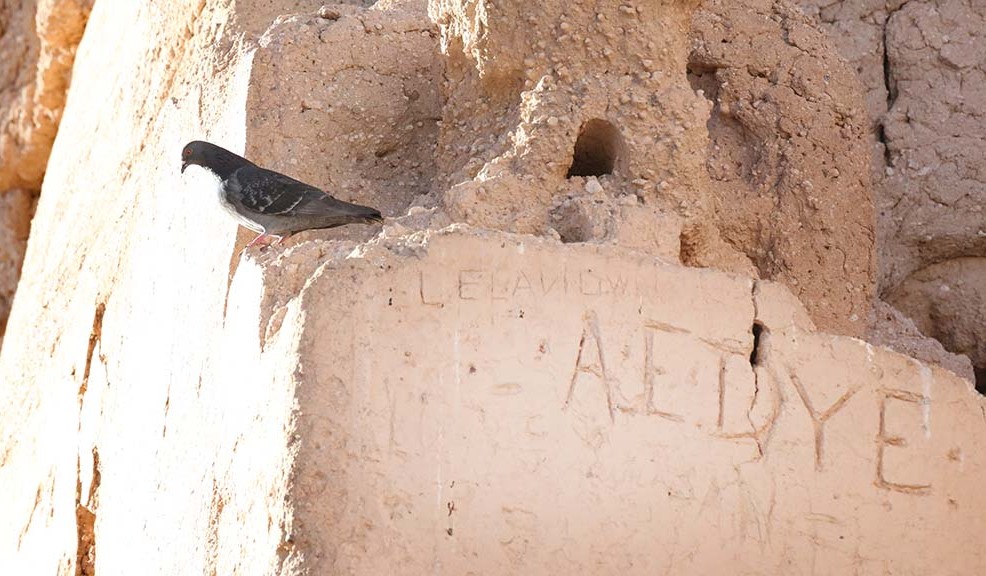
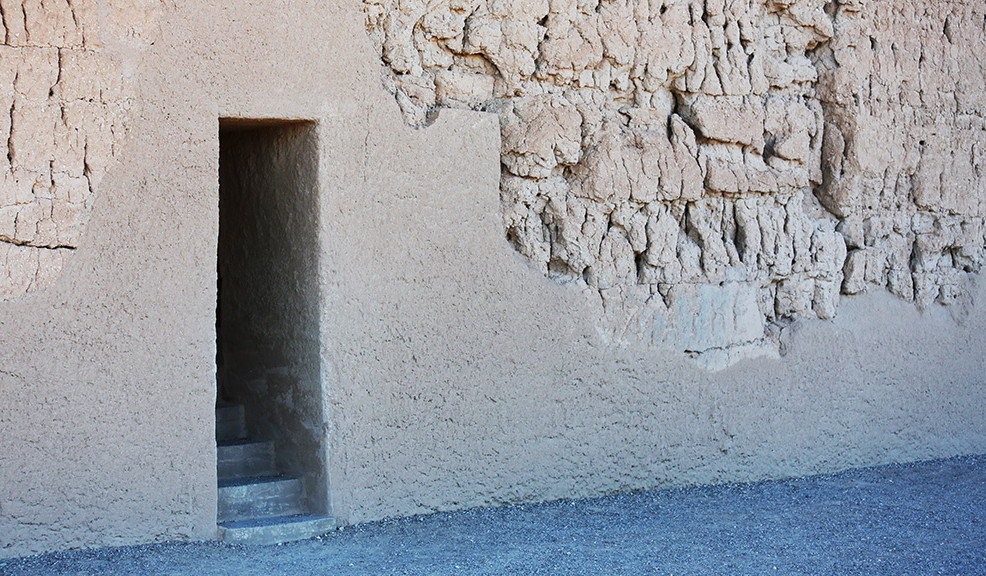 A doorway at Casa Grande Ruins National Monument.
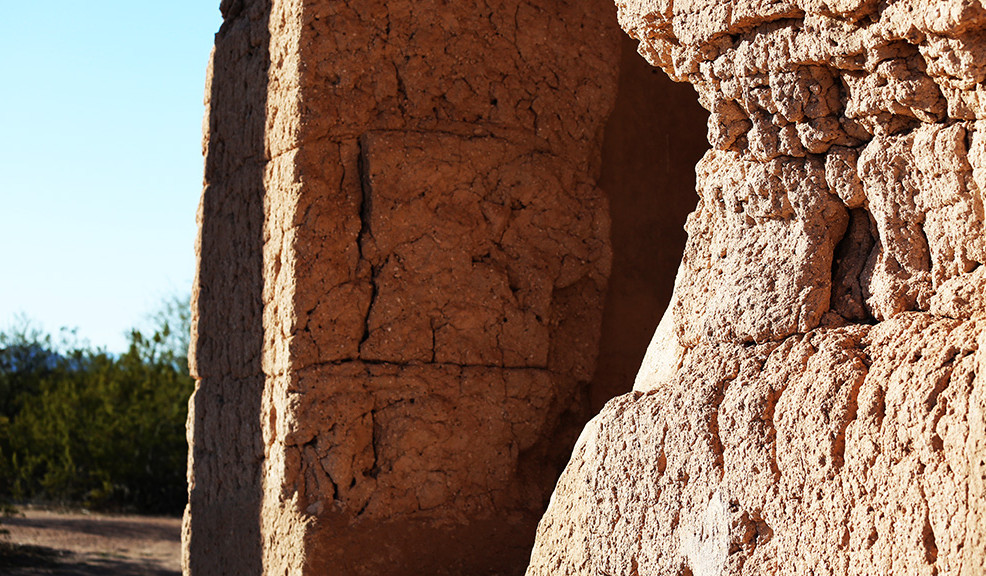
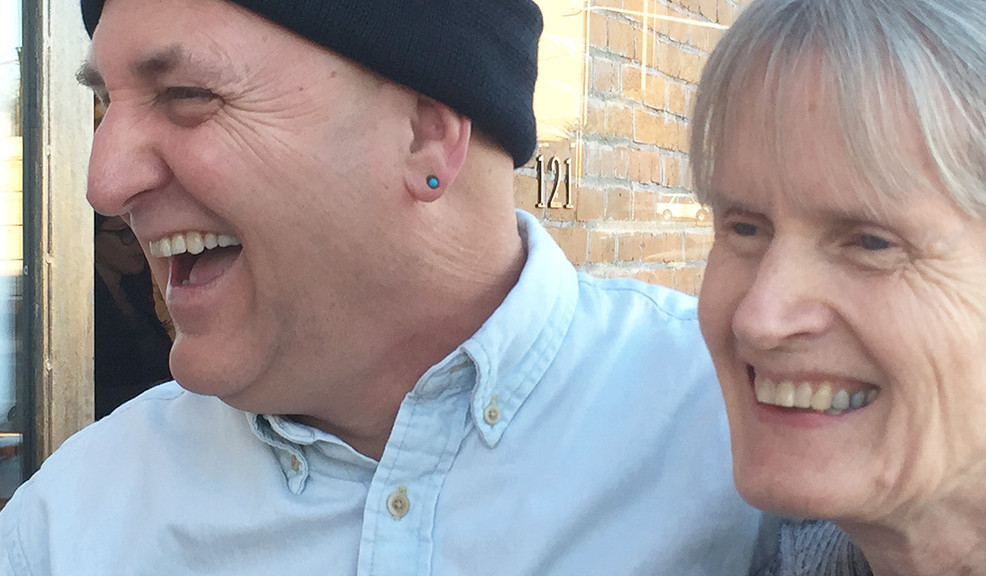
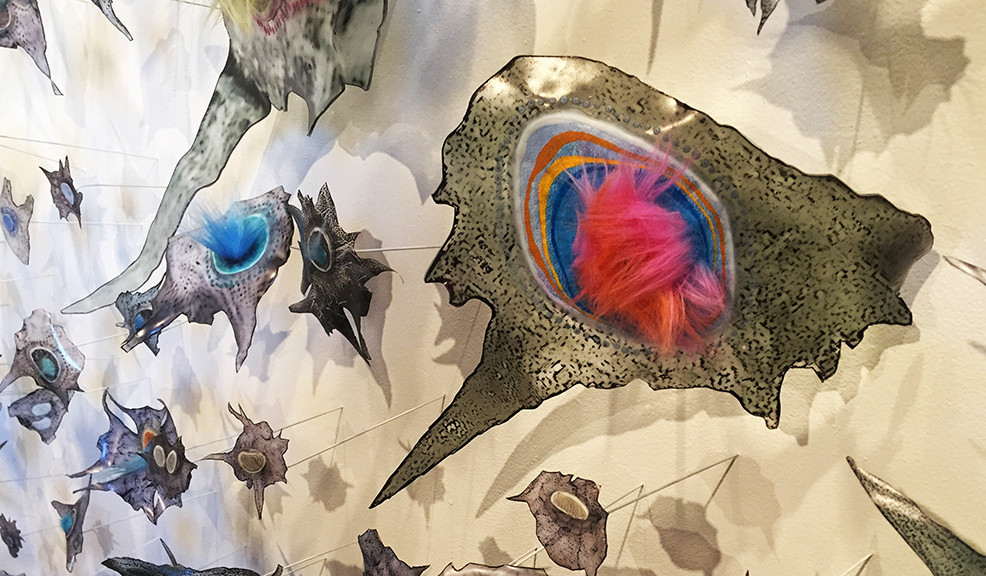
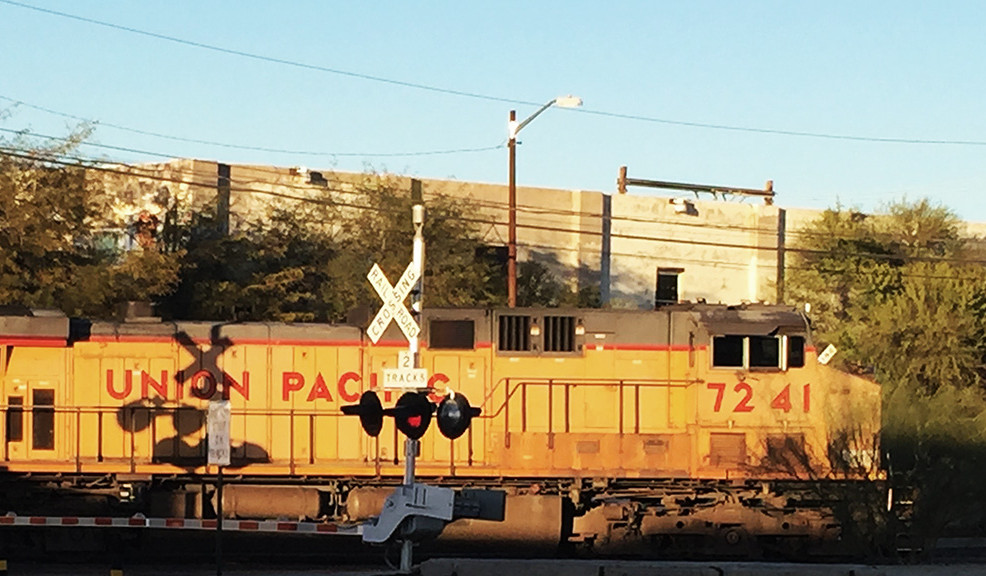
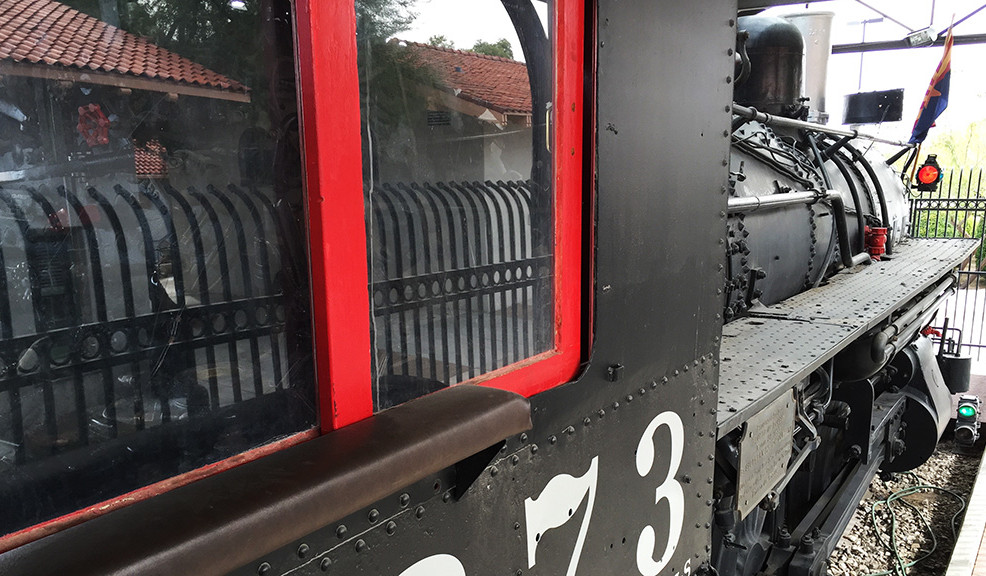

After many weeks at “home” in Scottsdale, nesting in the guest room at my mother’s, we left the driveway on Friday, Feb. 5, for Year Two of our full-timing adventure.
We pointed The Epic Van, our home on wheels, toward Tucson, the first stop on our planned path from the sunbaked Sonoran Desert to the damp sands of South Carolina.
As we rolled south, I read aloud to husband Tom at the wheel: Blue Highways, William Least-Heat Moon’s tale of driving the nation’s back roads. Although Moon was leaving a lost job and failed marriage in the rear-view mirror, and Tom and I are together, having walked away from careers in journalism, Moon’s travels were one of our inspirations to chuck the corporate life and put our faces to the wind.
Glimpse: World Kite Museum and Hall of Fame
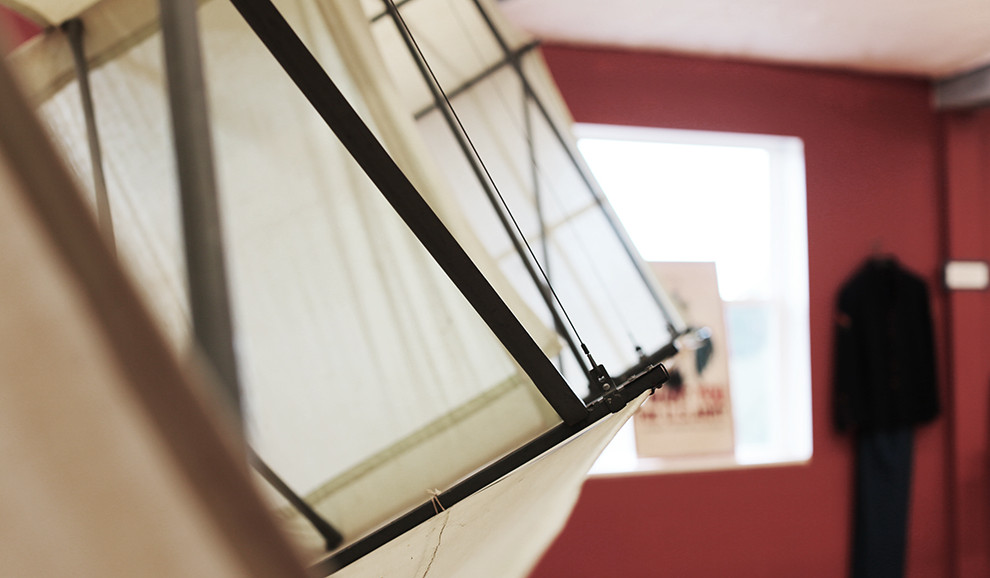 Detail of a barrage kite, strung from ships by piano wire strong enough to shear the wings off enemy aircraft.
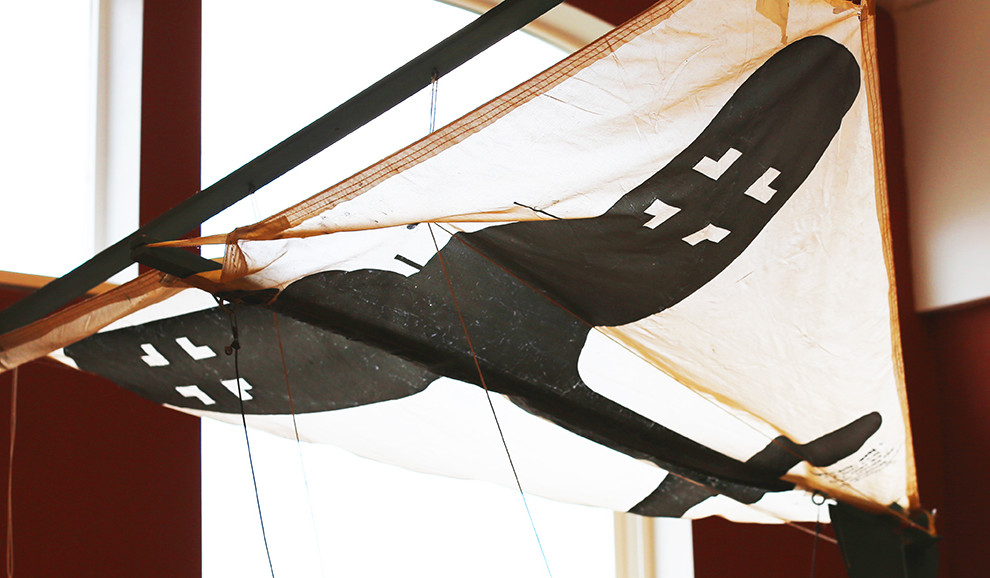
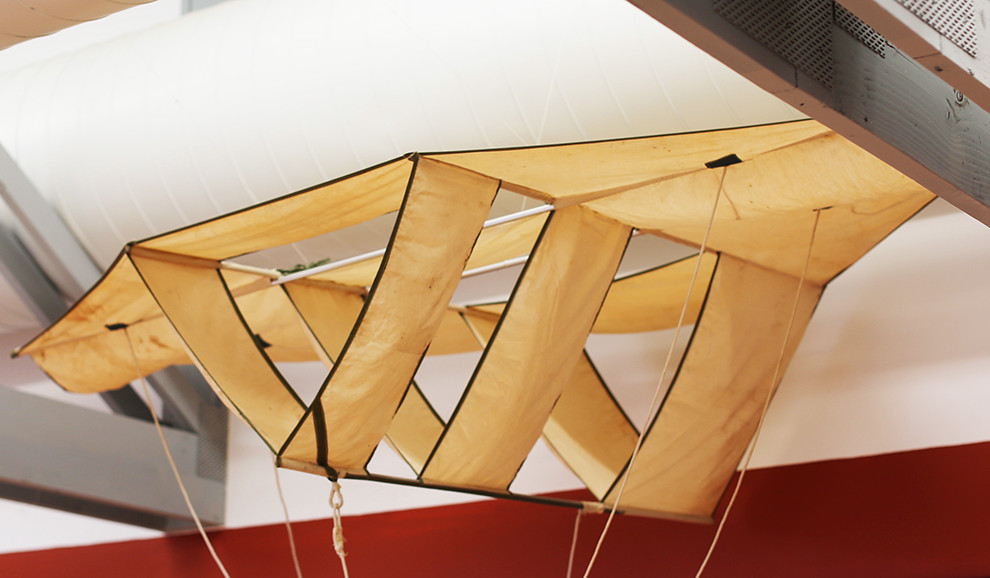
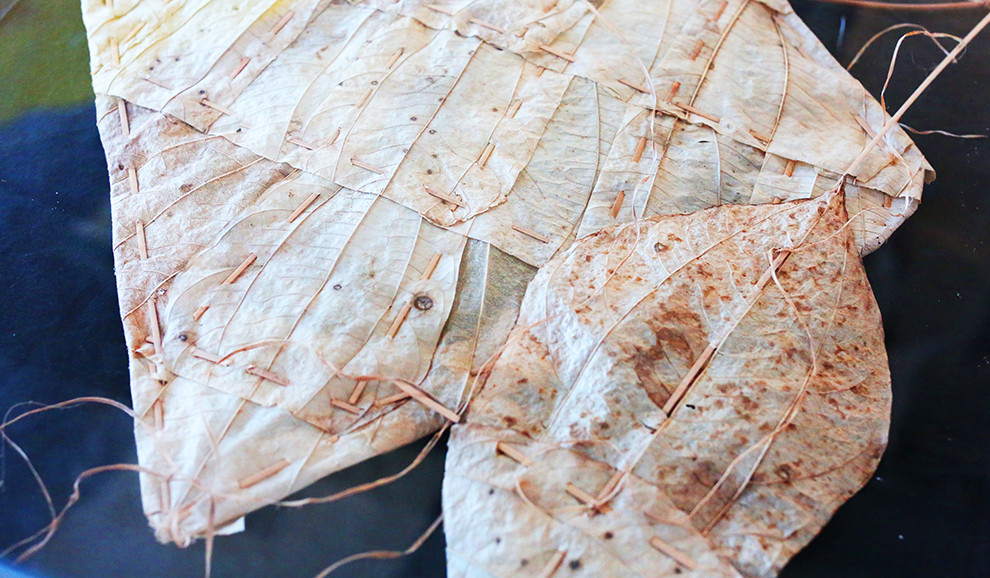
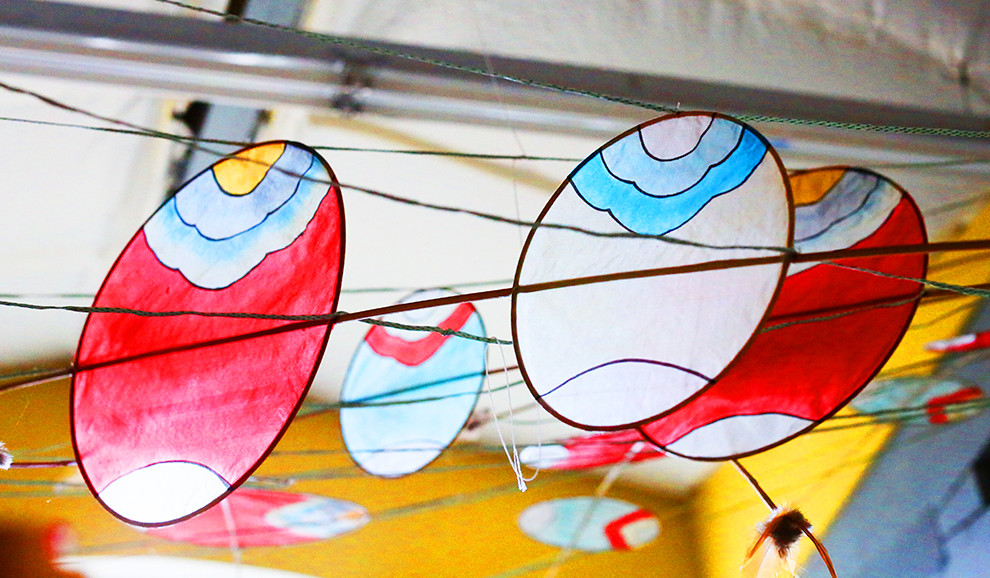
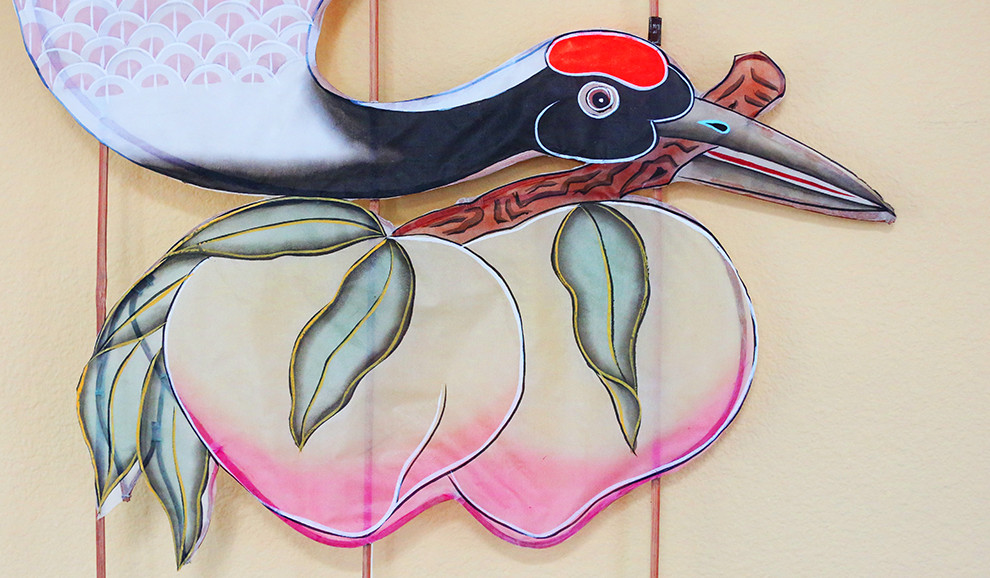
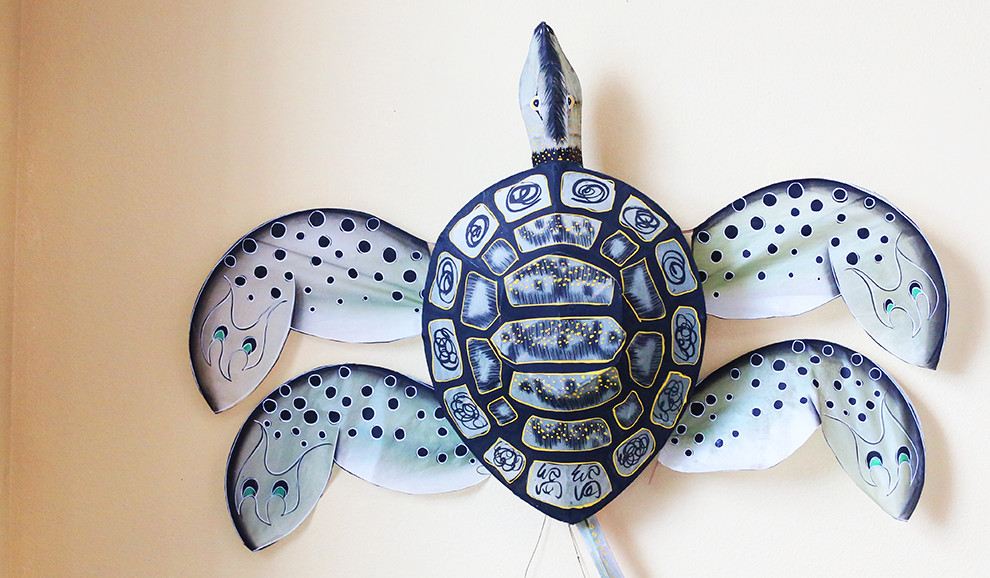
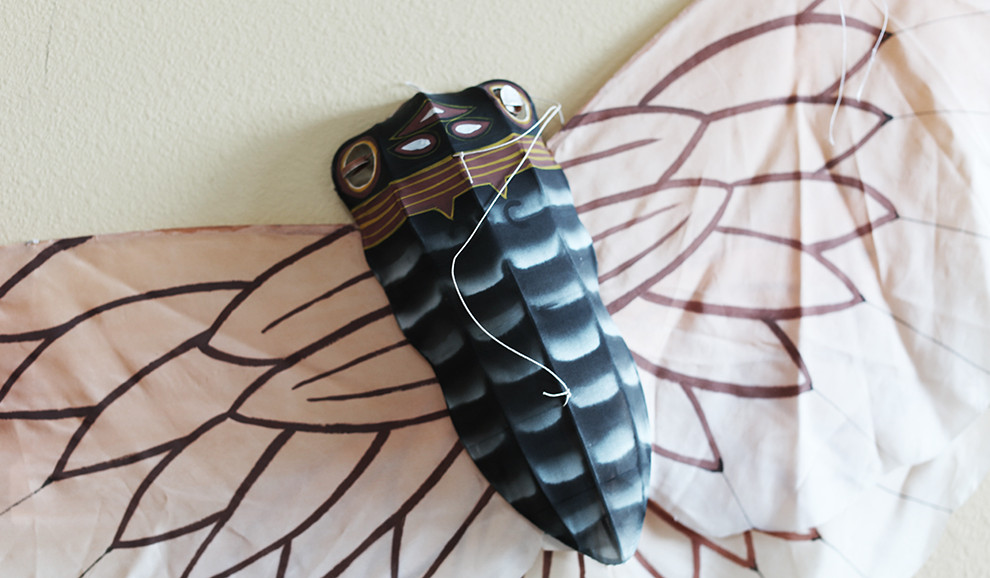
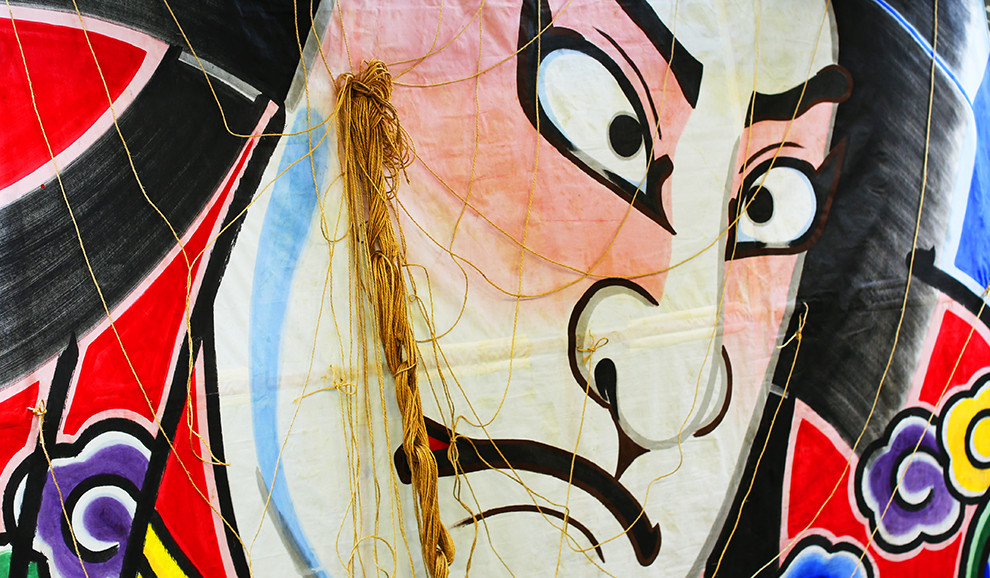
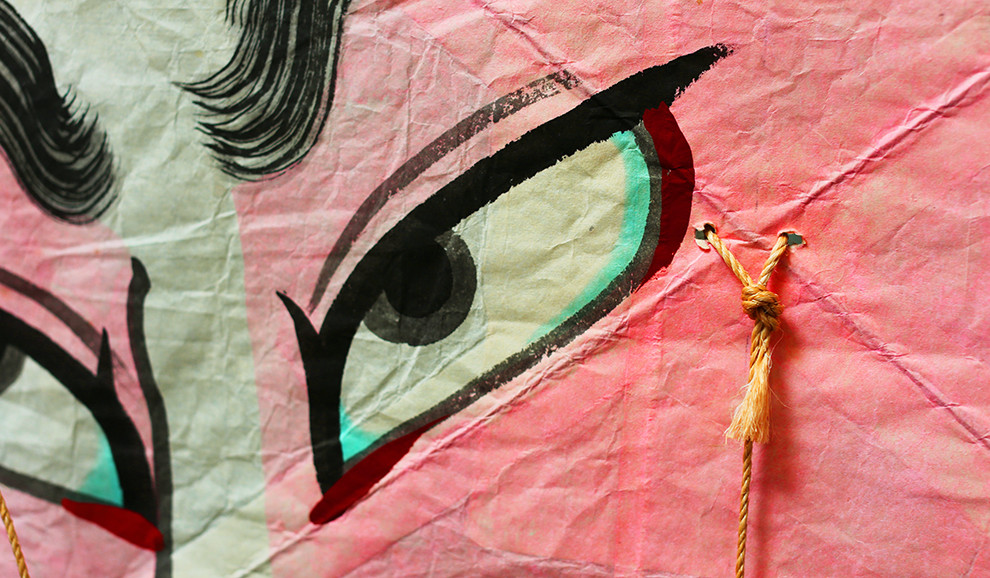
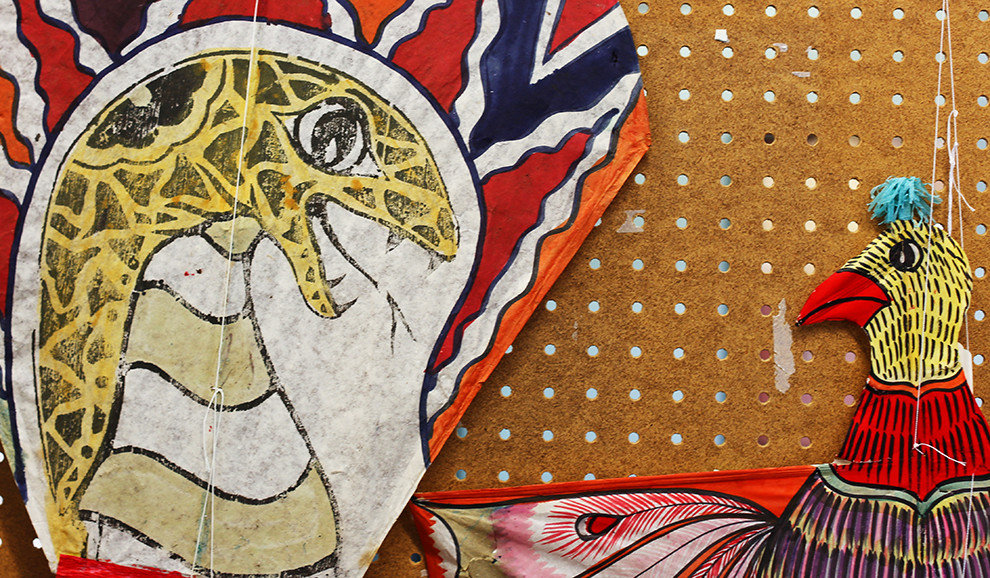
Kites capture the endless-summer feel of the beach, sun and wind, and in Long Beach, Washington, you can visit the World Kite Museum and Hall of Fame. Each August, they host Washington State International Kite Festival. The museum started with a donation of 700 Japanese, Chinese and Malaysian kites. The 300 Japanese kites are considered one of the most complete collections outside of Japan. In 2005, the museum moved from a house to the current building right off the beach. It now houses more than 1,500 kites from 26 countries. When we visited in October, we were fascinated by the exhibit on World War II kites. It included barrage kites, flown from piano wire above unarmed merchant vessels in the Atlantic. The 2,000-foot wires were strong enough to shear off the wings of enemy planes. The British added bombs that would go off on impact with aircraft. Other WWII kites collected meteorological data and housed radar, and carried messenger containers that could be snagged by airplanes, allowing the passing of maps, reports and other documents. And target kites were flown above ships for U.S. Navy gunners to practice their shooting. Here’s a glimpse.
Glimpse: La Conner Quilt and Textile Museum
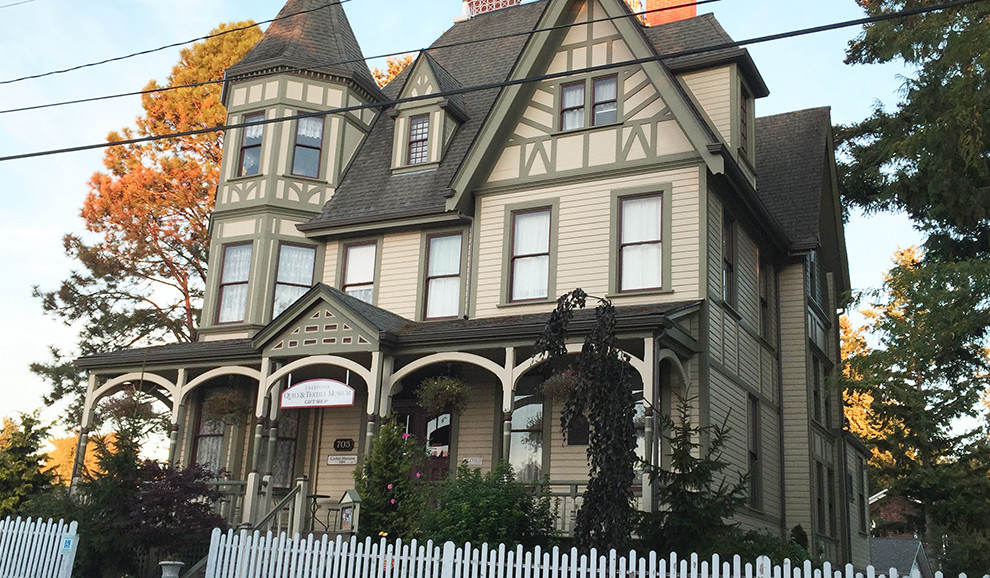 The restored 1891 Historic Gaches Mansion in La Conner, Washington, which houses the La Conner Quilt and Textile Museum.
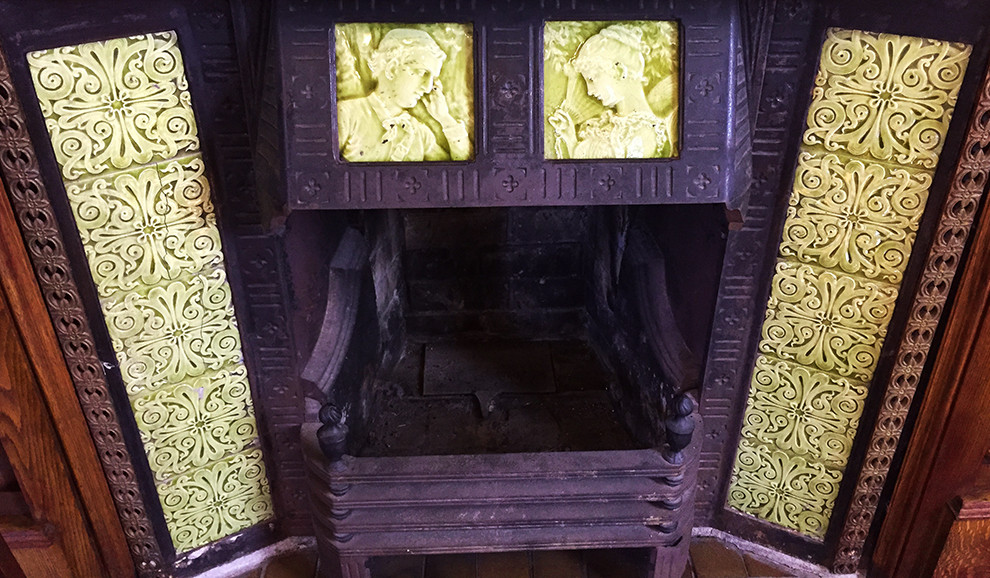
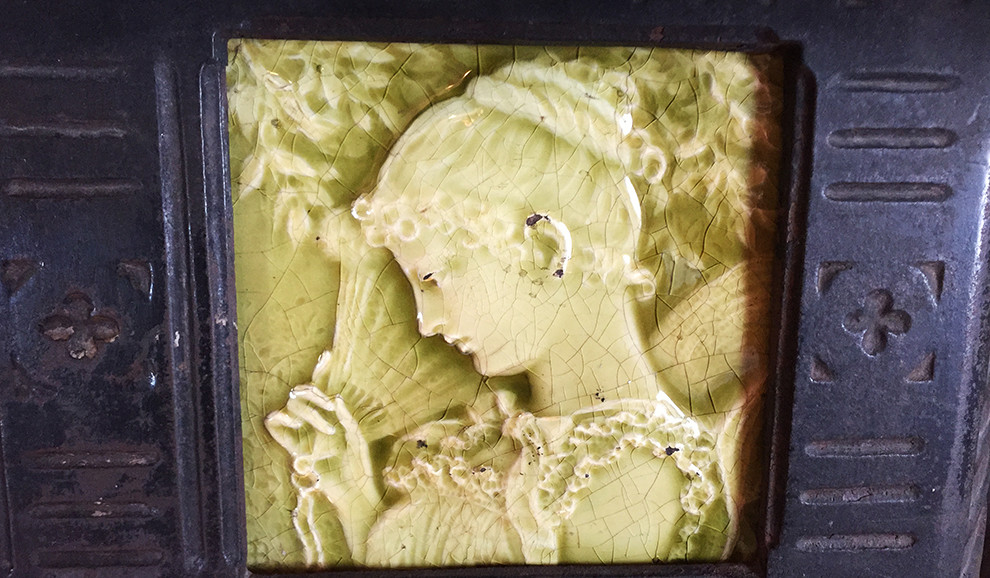
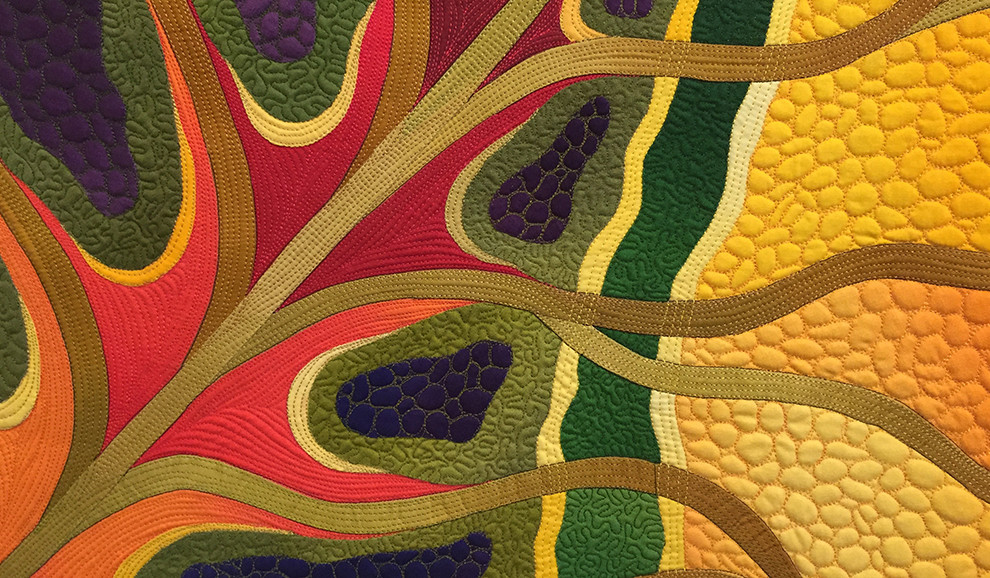
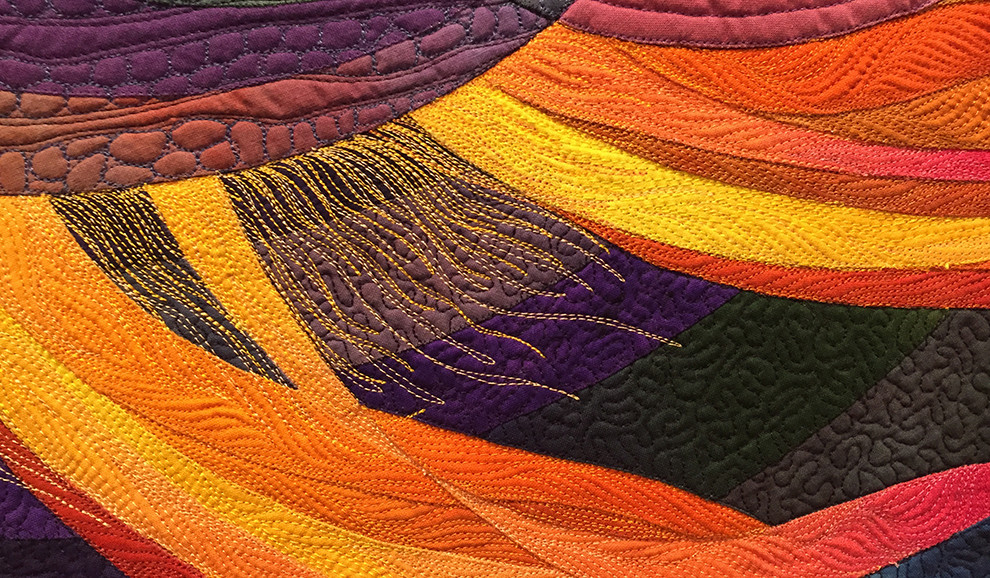

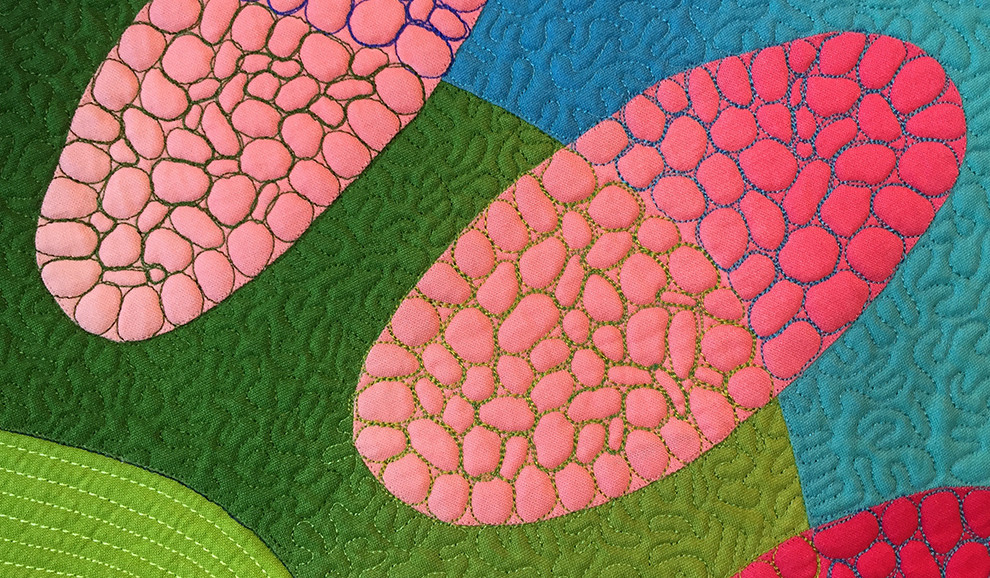
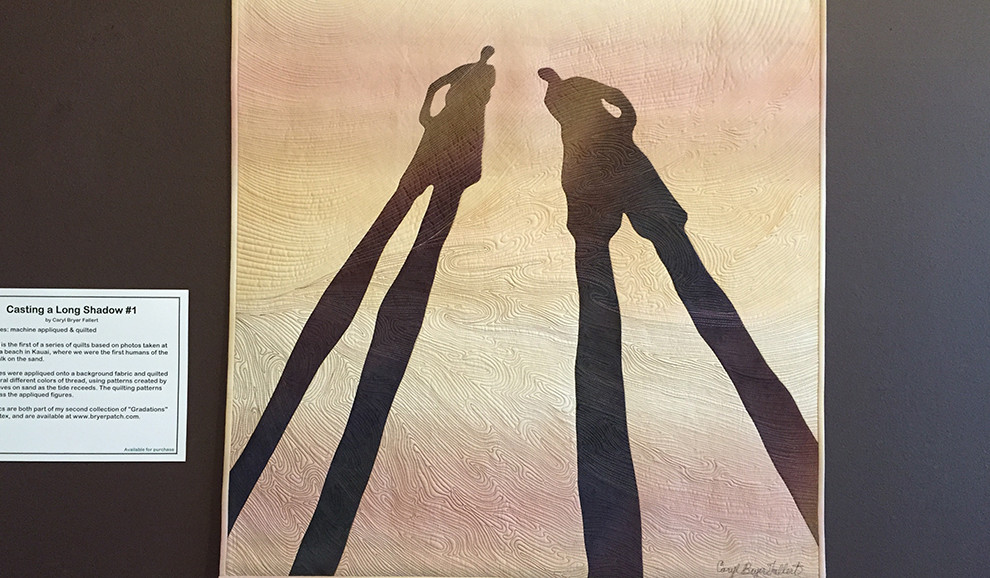
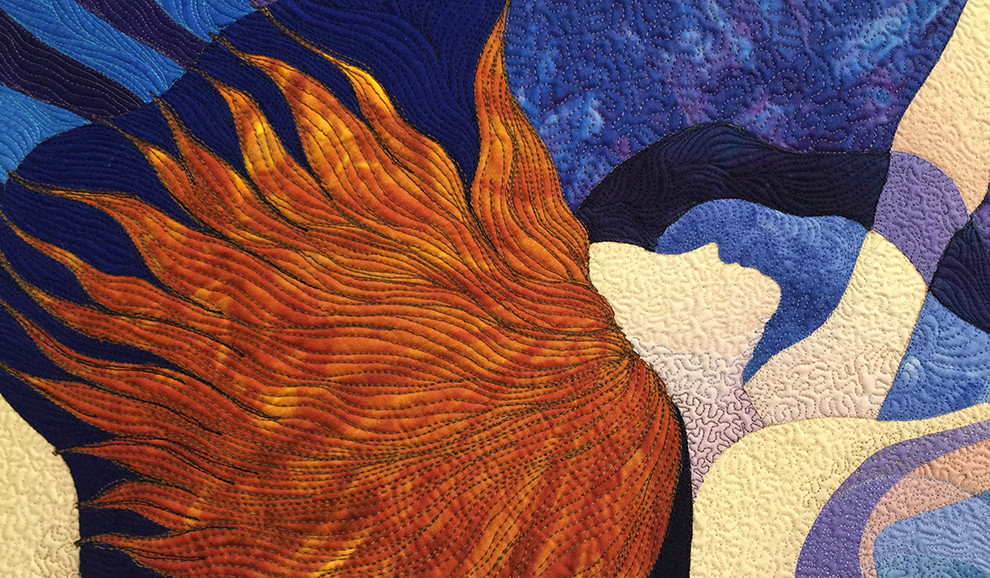
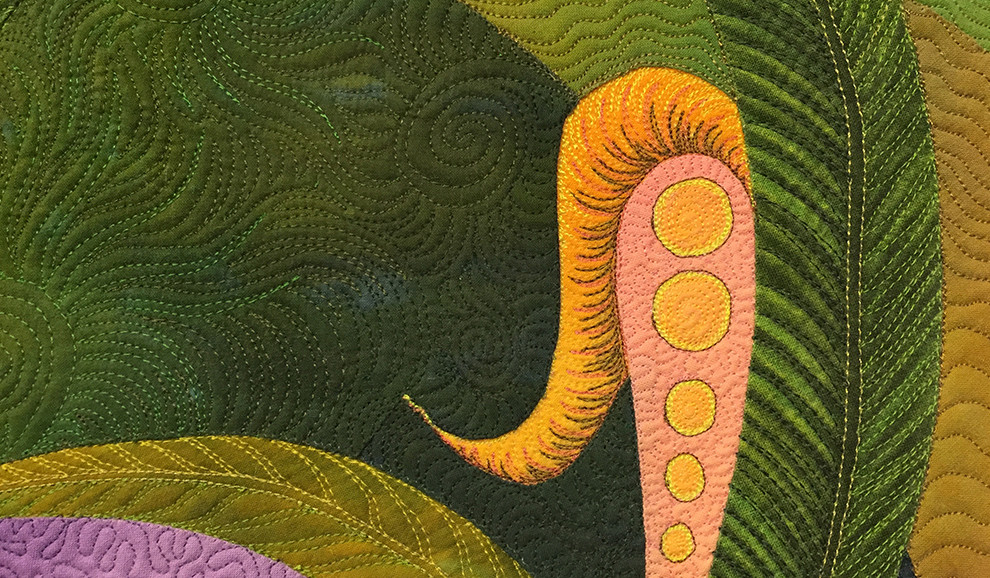
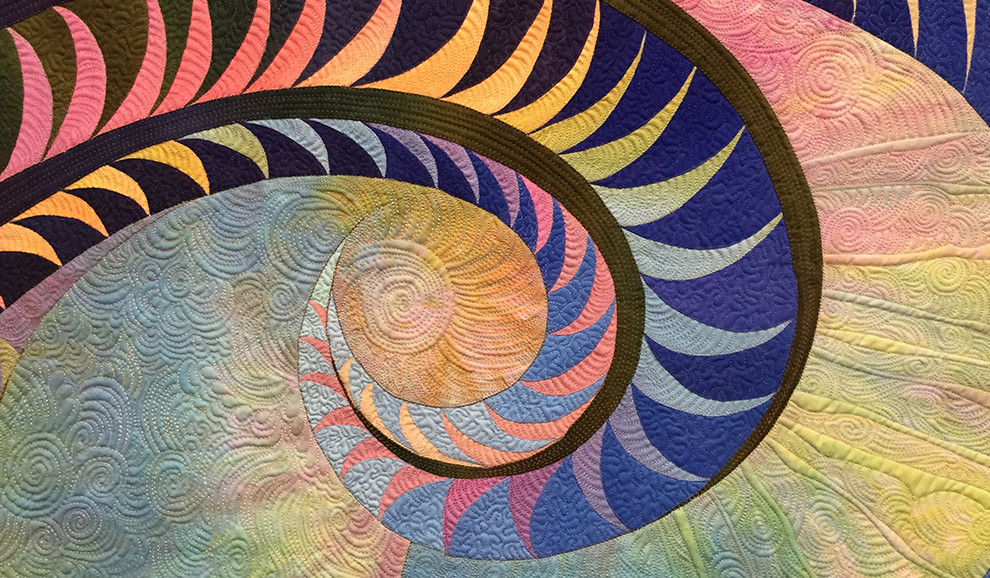
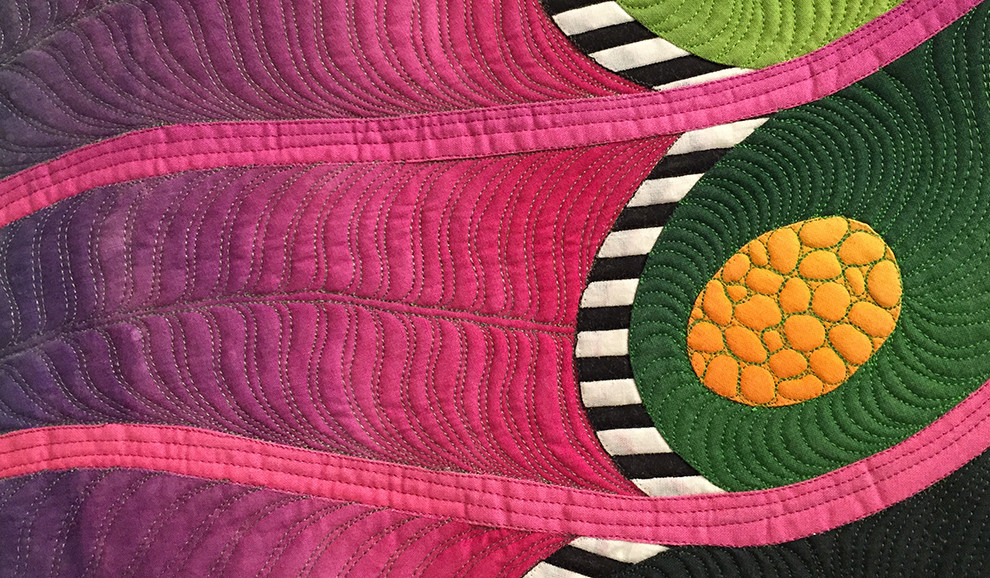
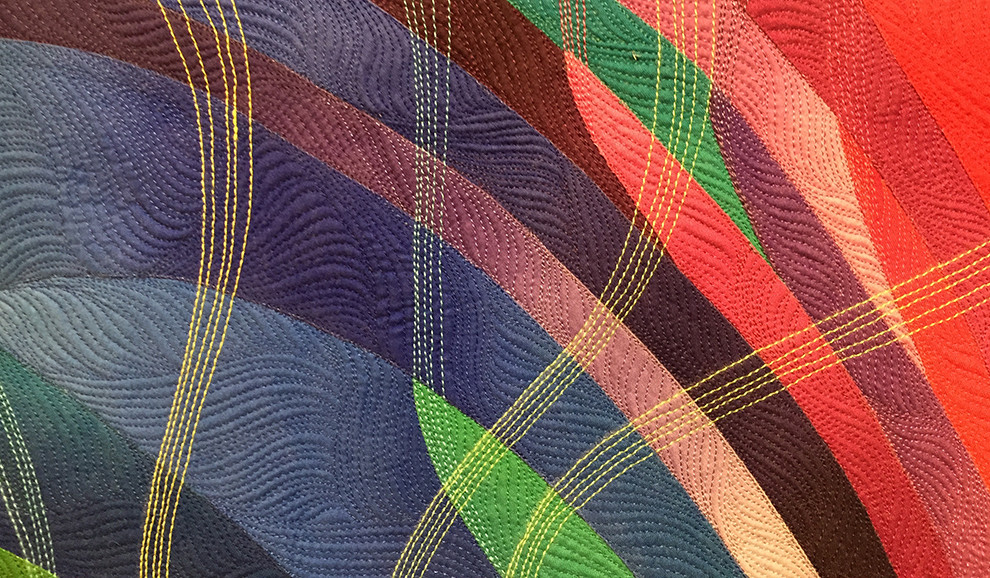
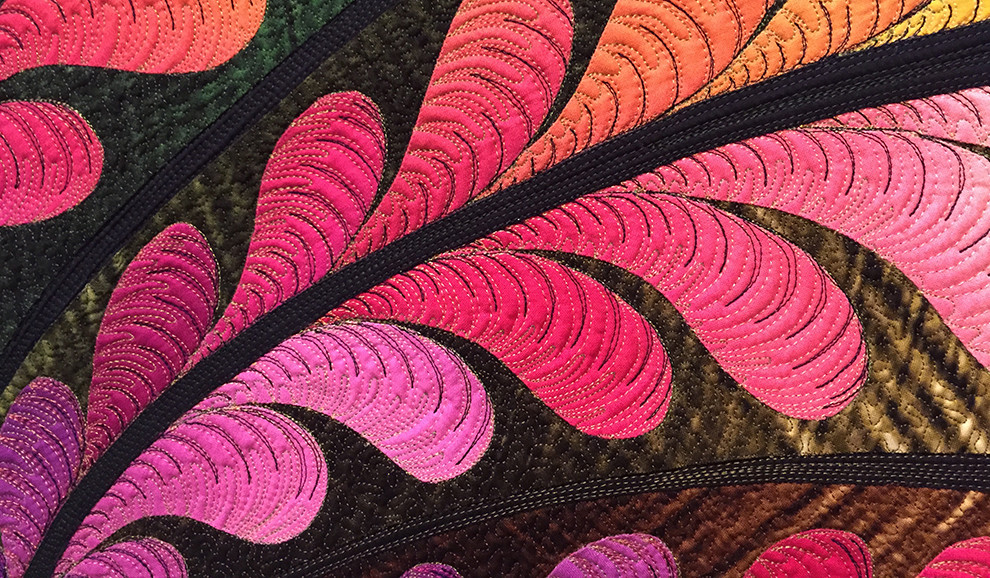
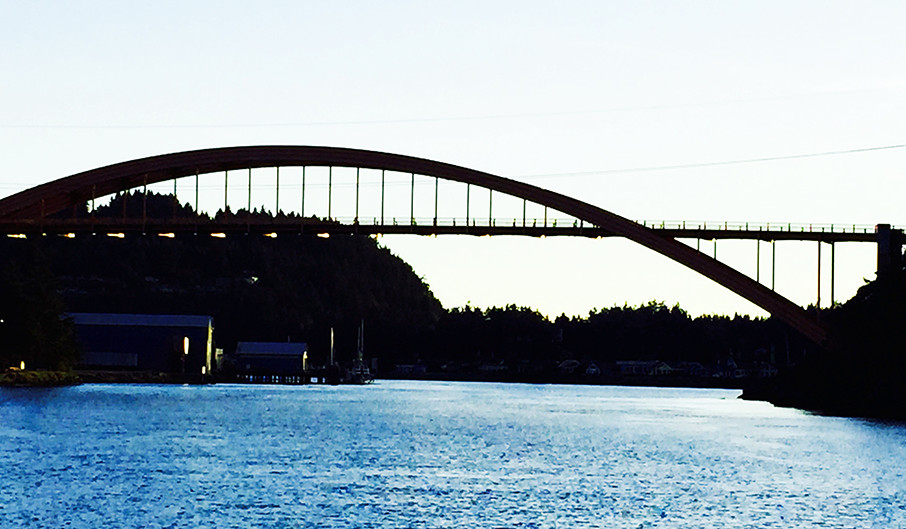
I am in awe of my friends who “paint with fabric.” They do amazing things with fabric and thread. So I was excited to see the La Conner Quilt and Textile Museum in the 1891 Historic Gaches Mansion. The Mansion is an attraction in its own right, having been lovingly restored and containing exquisite tiles around the first-floor fireplace. Photos are not allowed of the amazing work on the first and third floors, so you’ll have to go see for yourself. The featured exhibit on the second floor, Thirty Quilts for Thirty Years, showed the work of Caryl Bryer Fallert-Gentry, internationally recognized for her fine-art quilts. The exhibit marks Fallert-Gentry’s 30 years of quilt making, with each of the quilts 30-by-30 inches. They range from Bradford Fantasy #1, a colorful representation of the autumn pear leaves from her former home in Paducah, Kentucky, to the stark Casting a Long Shadow, a stunning depiction of two human shadows on the beach in Kauai, quilted in forms the waves made in the sand. Read more about the exhibit here.
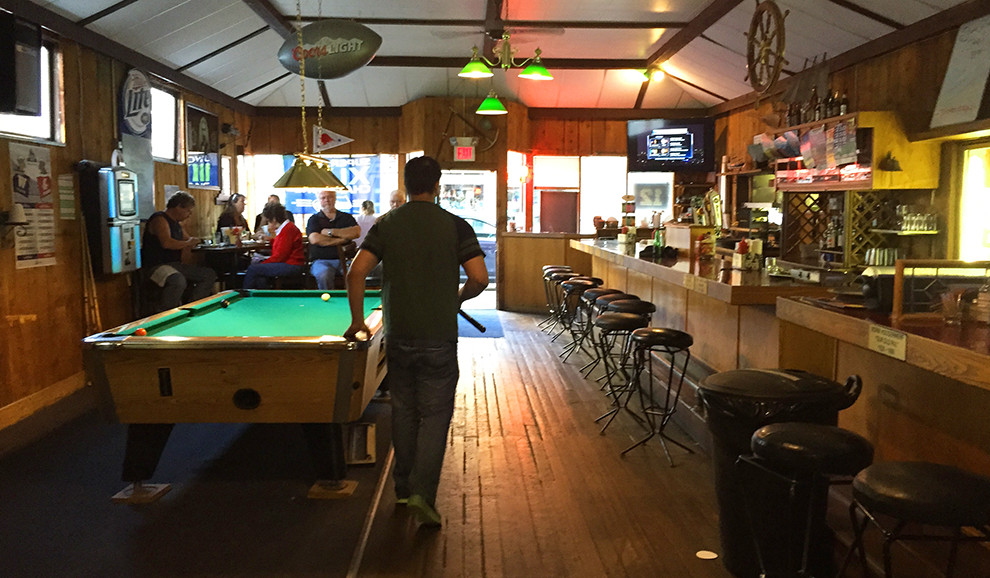
After all that mind food, have a beer at the La Conner Pub and Eatery on the Swinomish Channel and watch the sun set through the Rainbow Bridge. Here’s a glimpse.
Glimpse: Leavenworth (Washington) National Fish Hatchery
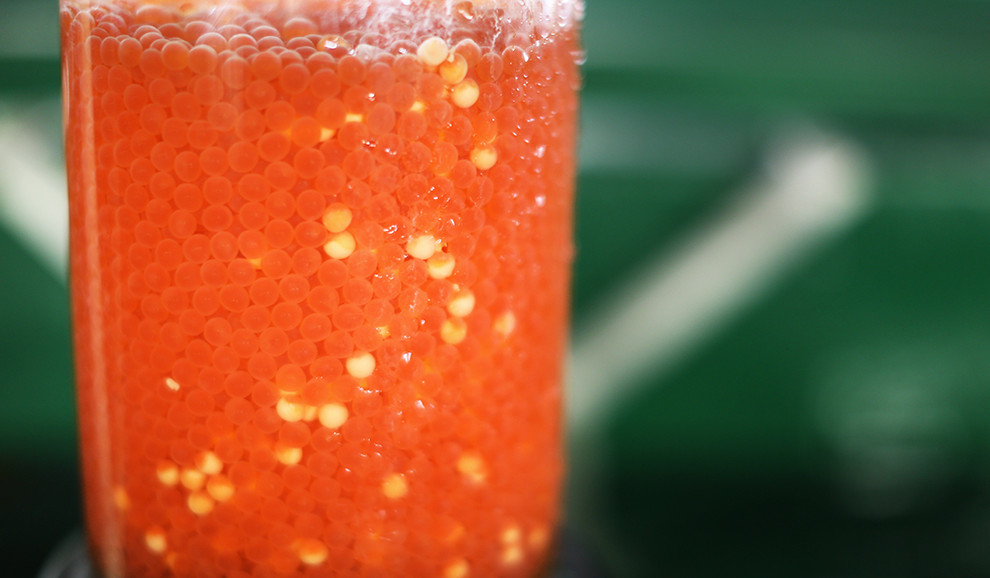 Salmon eggs waiting to hatch.
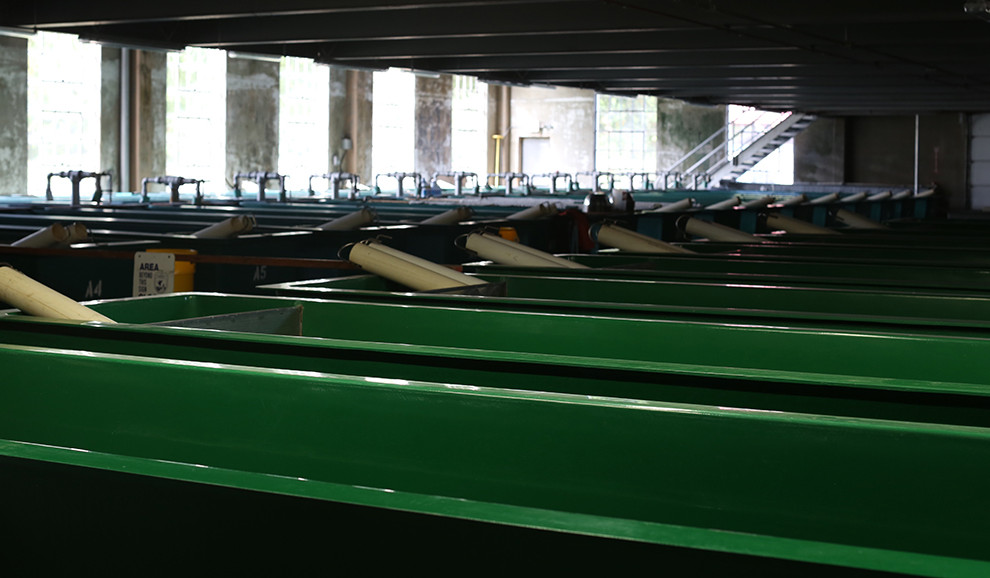
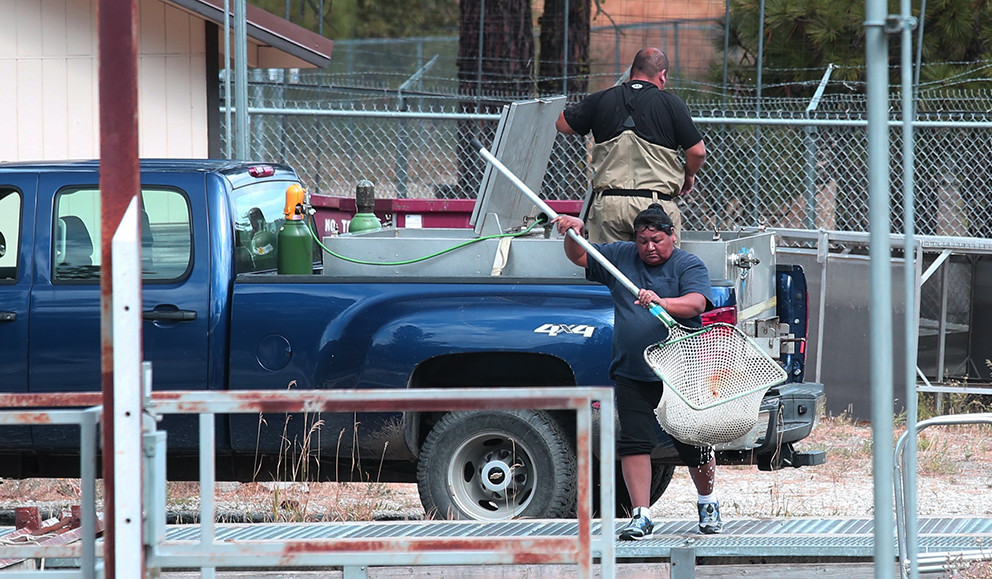
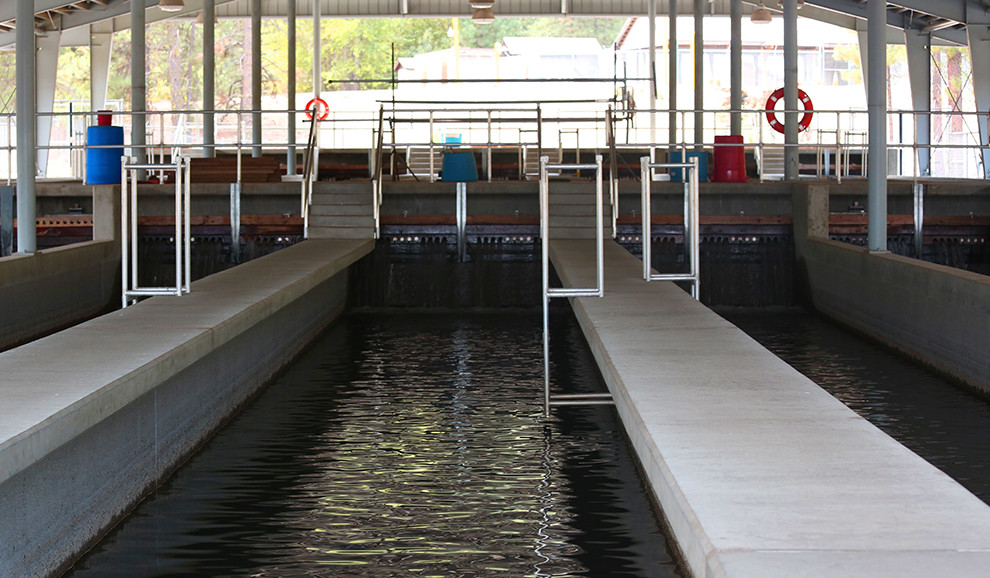
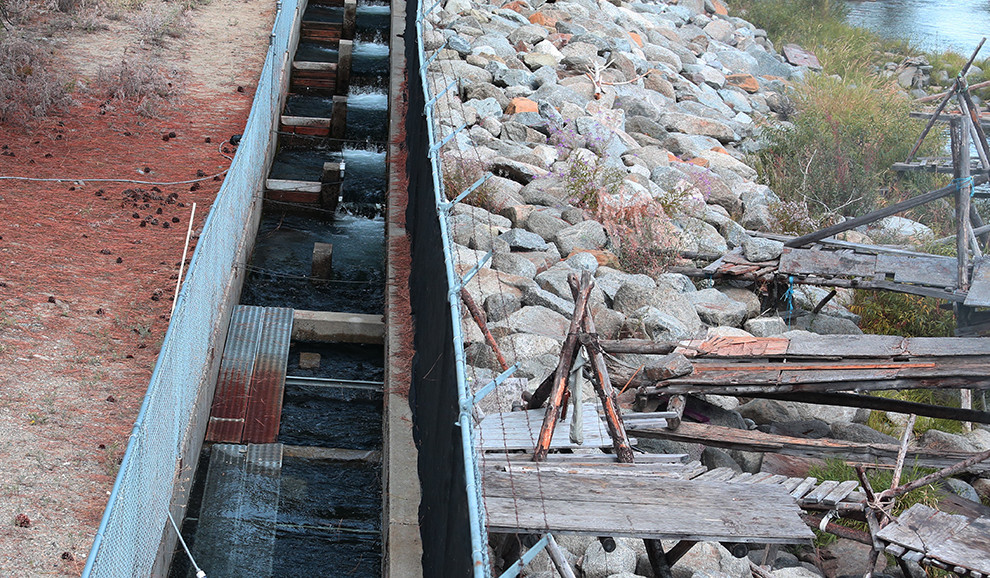

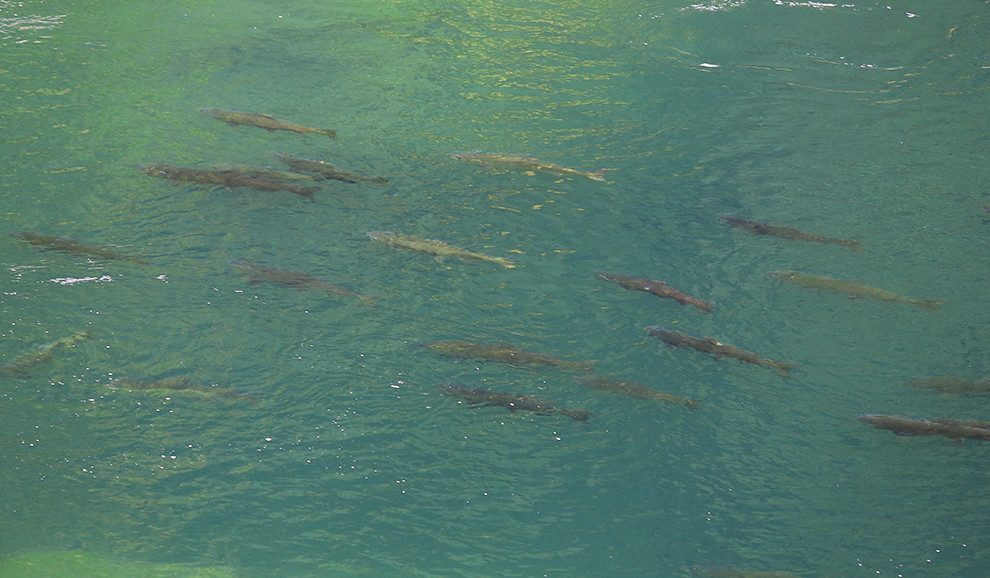
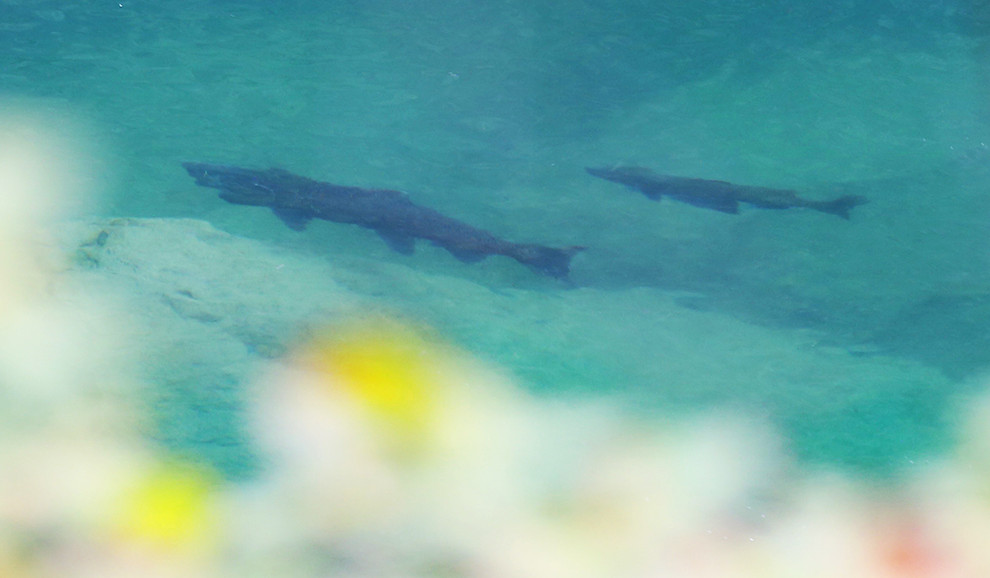
I have been fascinated by salmon since Tom and I owned a small newspaper in Fort Bragg, California, a vibrant fishing harbor north of San Francisco. At the time we were there, in the late-80s, the salmon fishermen were slowly going broke, facing more and more closure days as the salmon populations declined. So, I was interested to see the Leavenworth National Fish Hatchery, one of the hatcheries built to help blunt the loss of habitat when the Grand Coulee Dam was built on the Columbia River in the 1930s. Today, it raises and releases 1.2 million juvenile spring Chinook salmon into Icicle Creek each year. A pilot project is also under way to mix colder, pumped groundwater into the creek to improve fish habitat. You can visit the buckets, trays, tanks and raceways where the salmon move from fertilized egg to hatchling to fingerling to smotes, which are released in April. We later hiked along the Wenatchee River, where we could see salmon swimming in the cool deep water. Despite substantial efforts, salmon populations continue to decline. Here’s a glimpse.
Twisp River Fire: A mother’s grief, times three
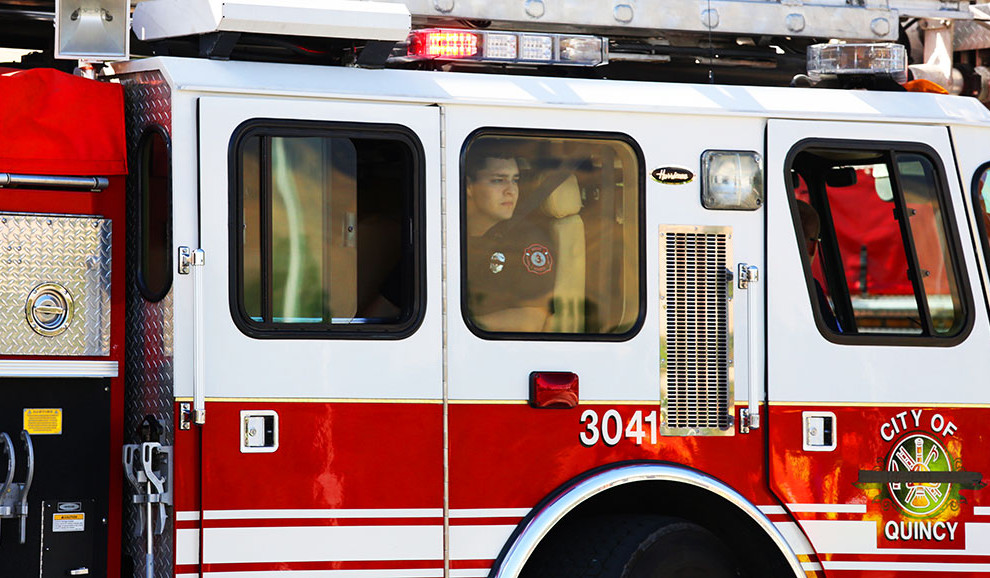 A firefighter looks out at people lining the streets as a procession of fire vehicles makes its way to the memorial for the three firefighters killed in the Aug. 19 Twisp River Fire.
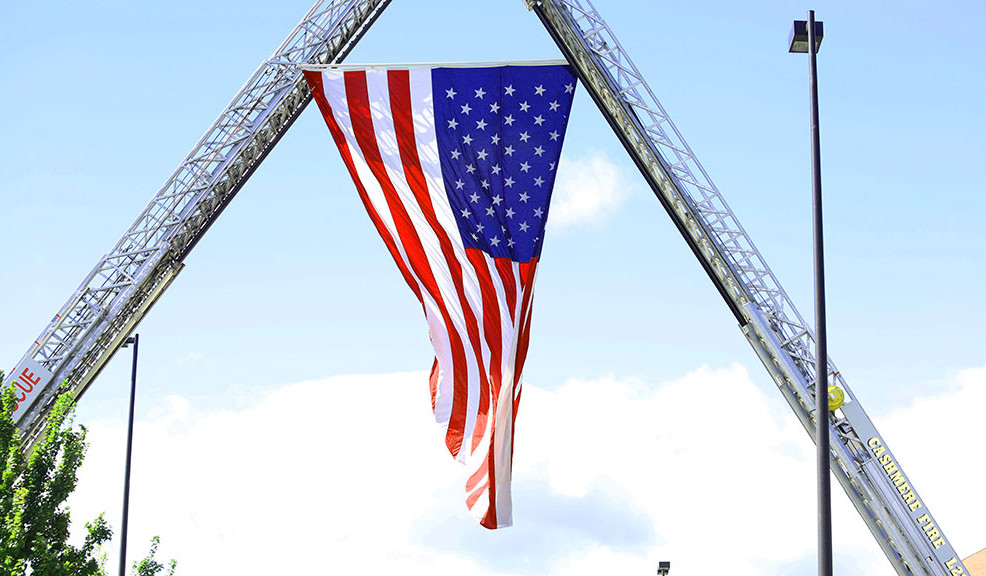
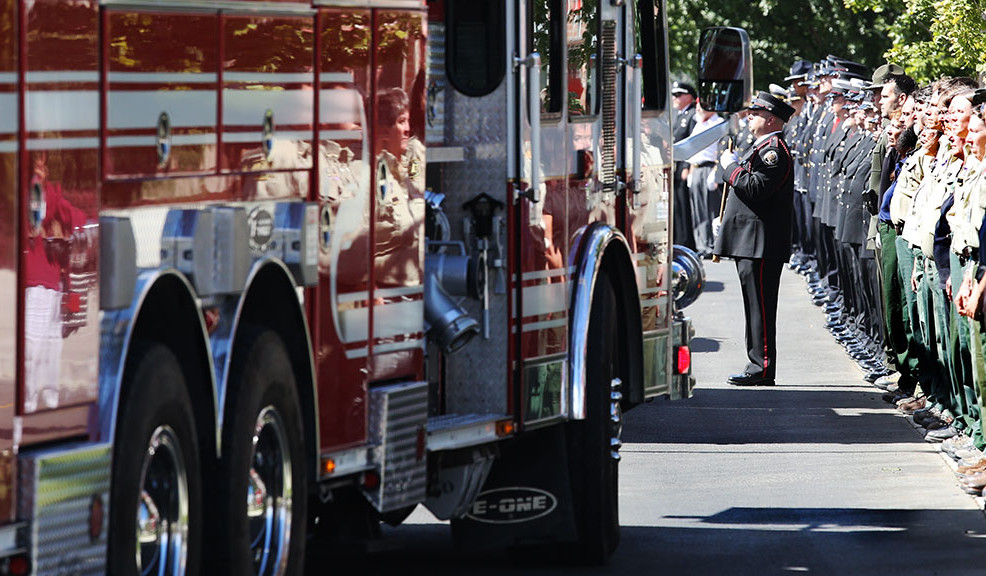
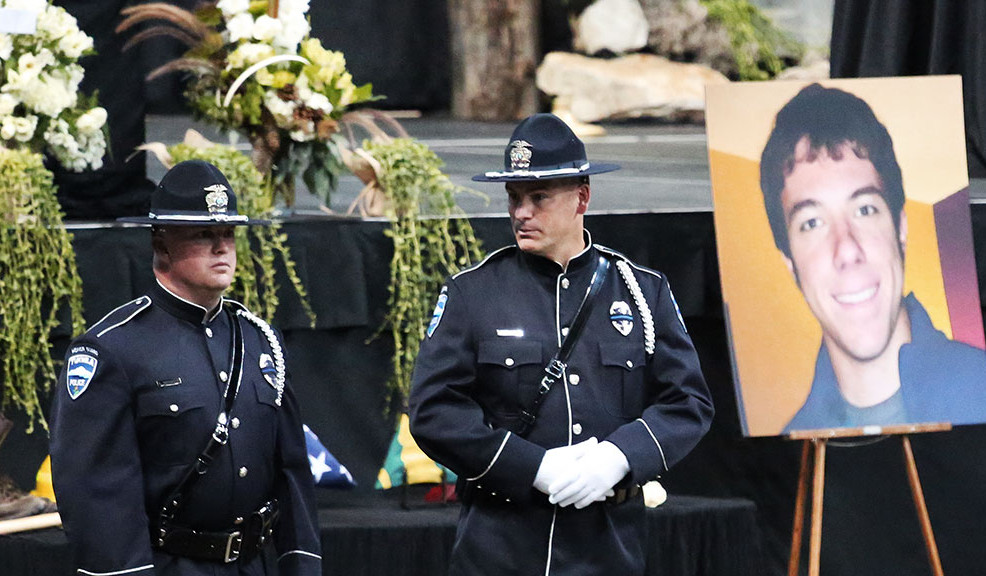
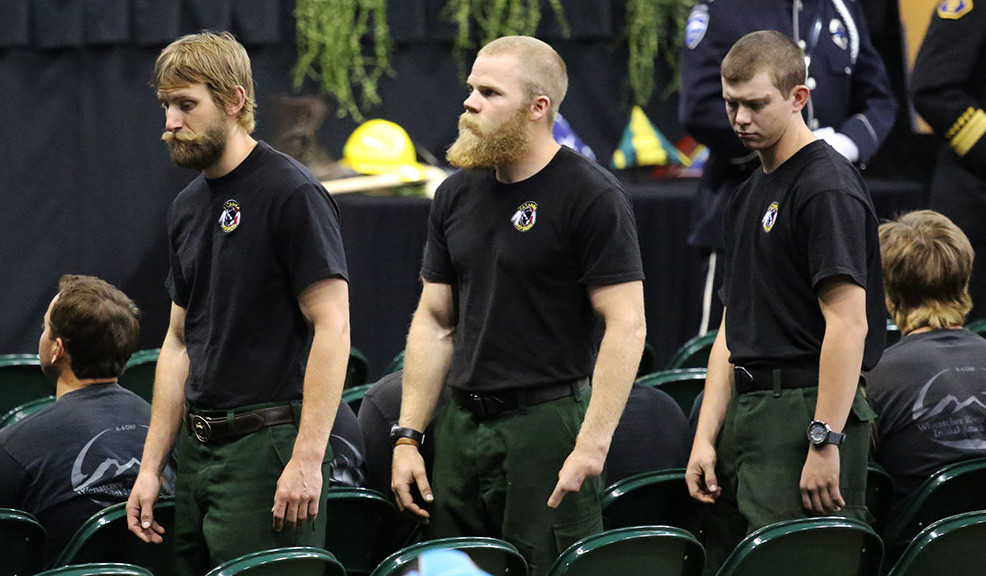
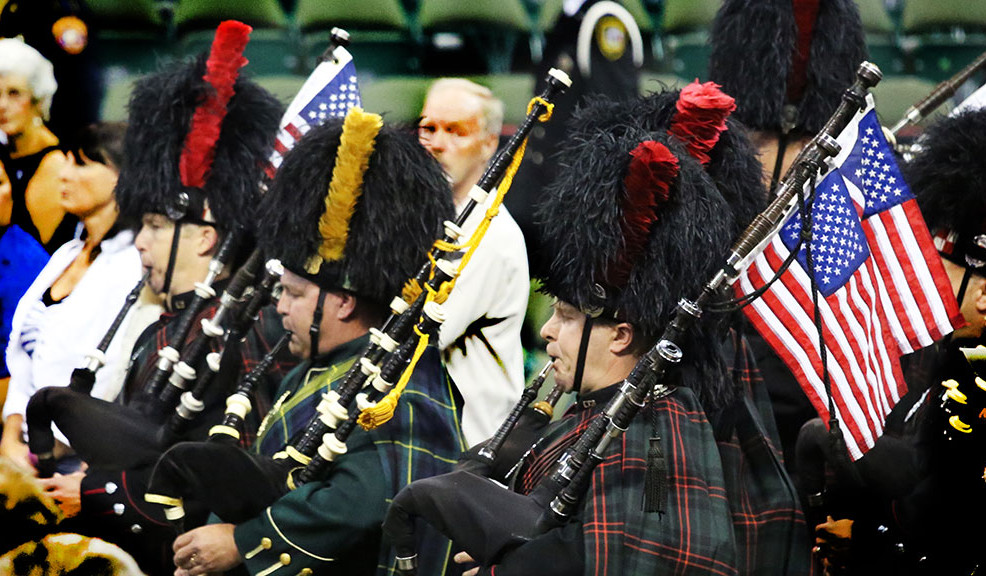
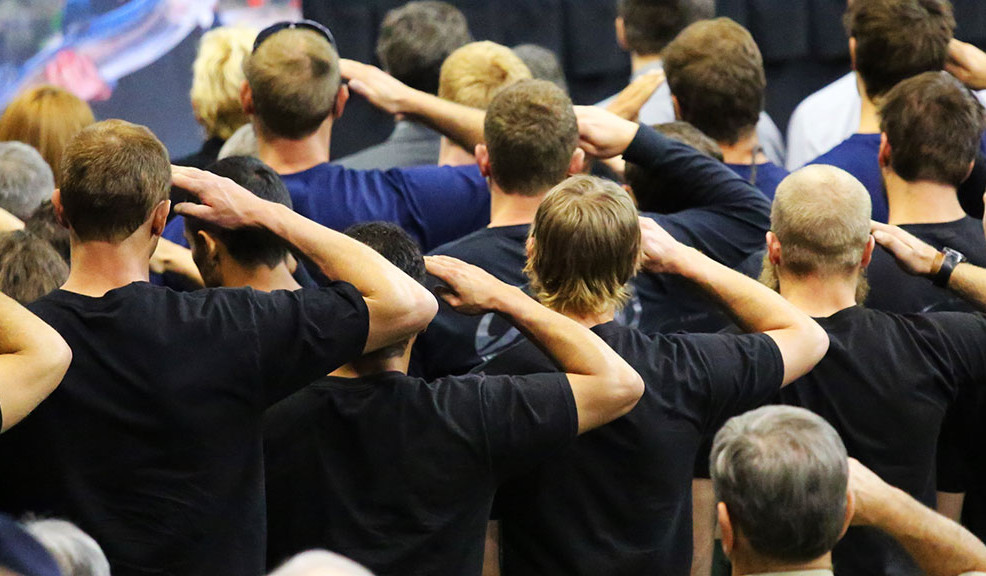
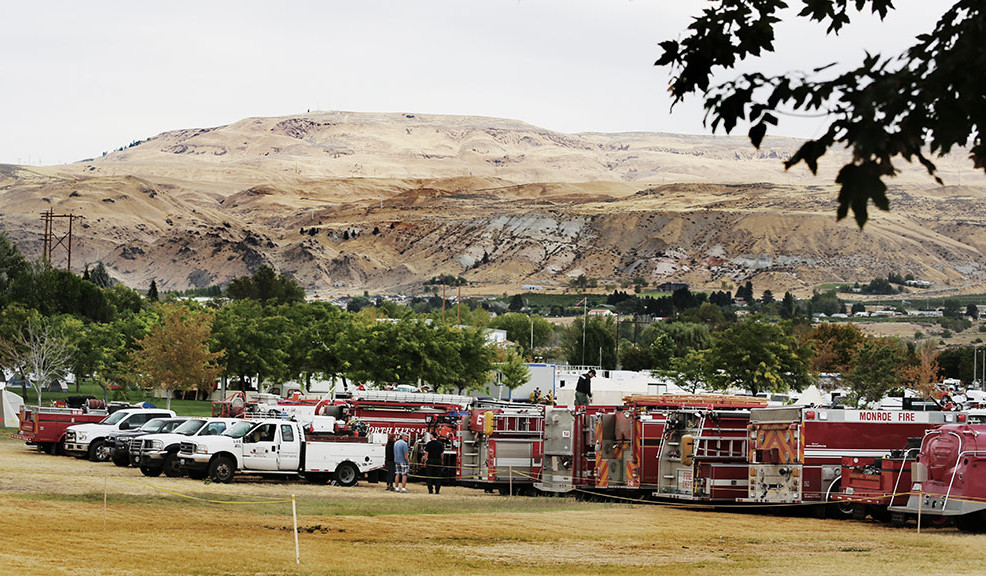
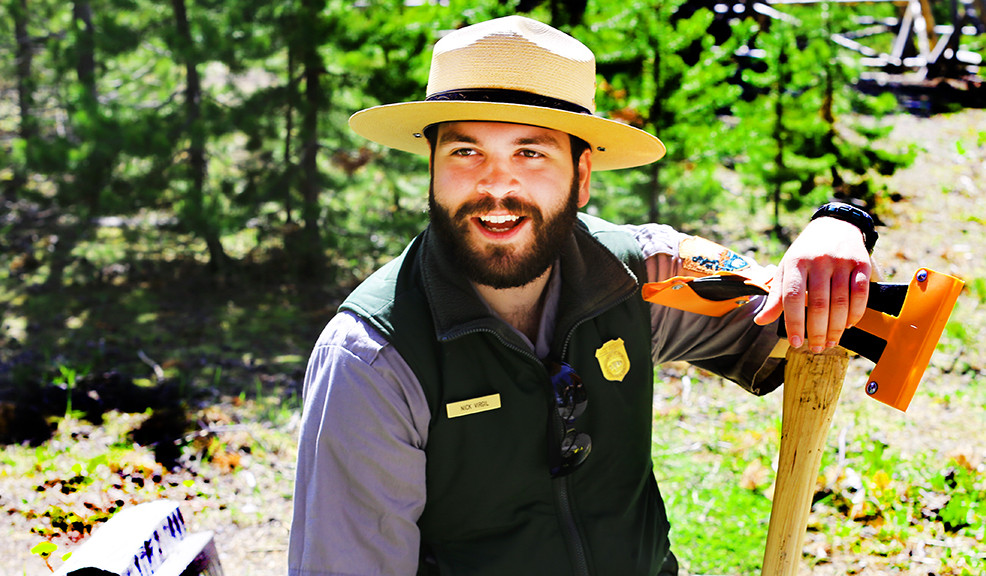
When Tom Zbyszewski’s mother stood Sunday to address the memorial service for her son and the two other wildland firefighters lost to Washington’s Twisp River Fire on August 19, she seemed so very small, her curly hair, shot through with gray tendrils, trembling slightly as she crossed the stage at the Toyota Town Center in Wenatchee.
She straightened her cream-colored suit jacket and put on her glasses.
She looked out on several thousand faces, most of them employees of the U.S. Forest Service, just like her, like her husband, “Ski,” by her side, who is retired. Many of those who came to mourn were dressed in the pants and T-shirts they would wear when they returned to the still-active fires burning across the West. So many faces. So young, like Tom.
Golden oldies: friends, that is
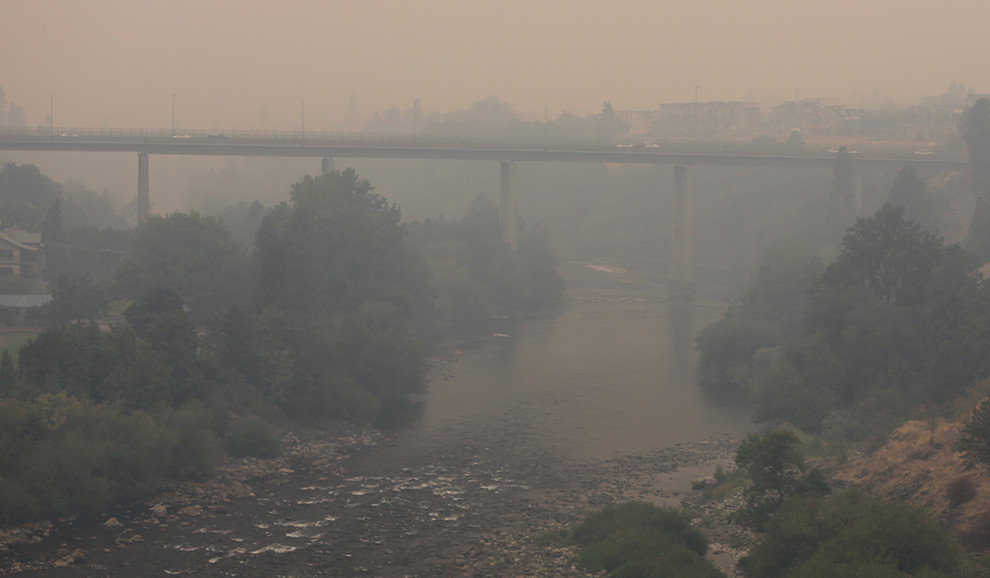
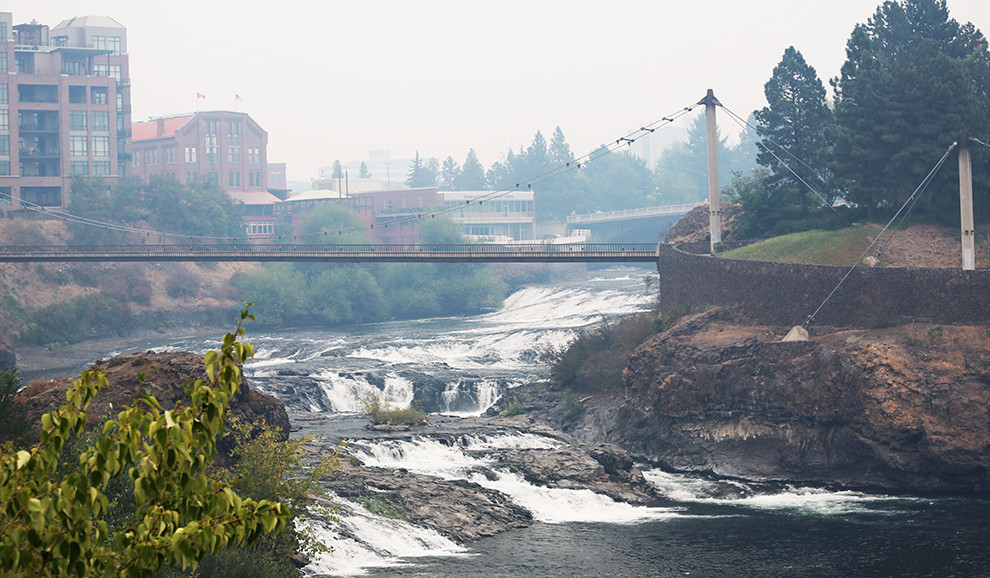 Smoke shrouds the skyline over the Spokane Falls, which cut though the middle of the city.

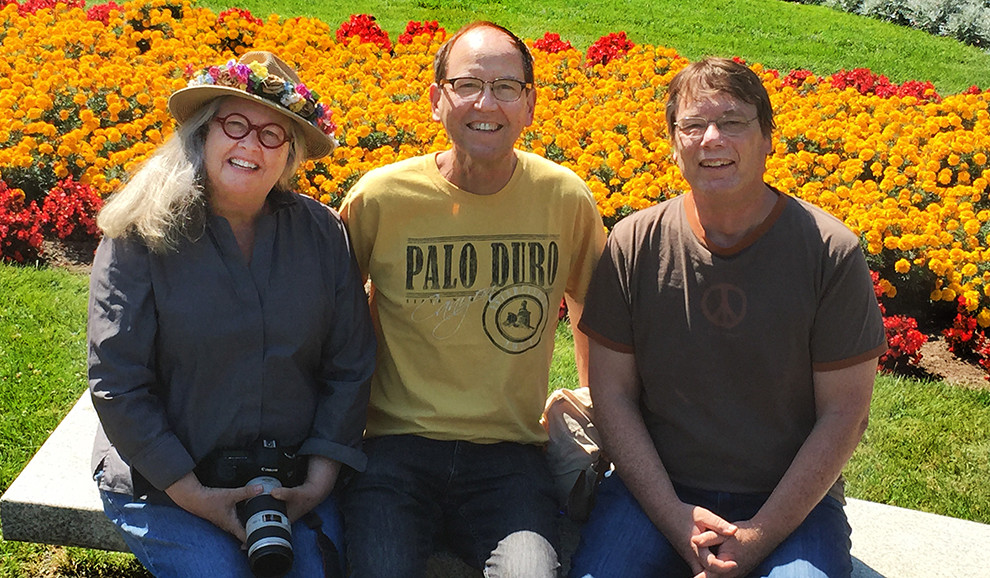

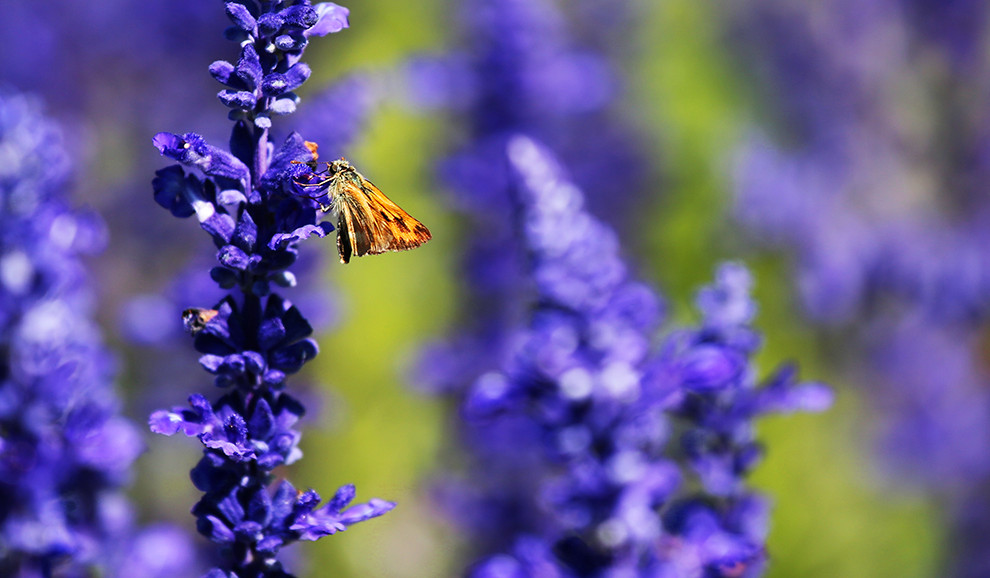
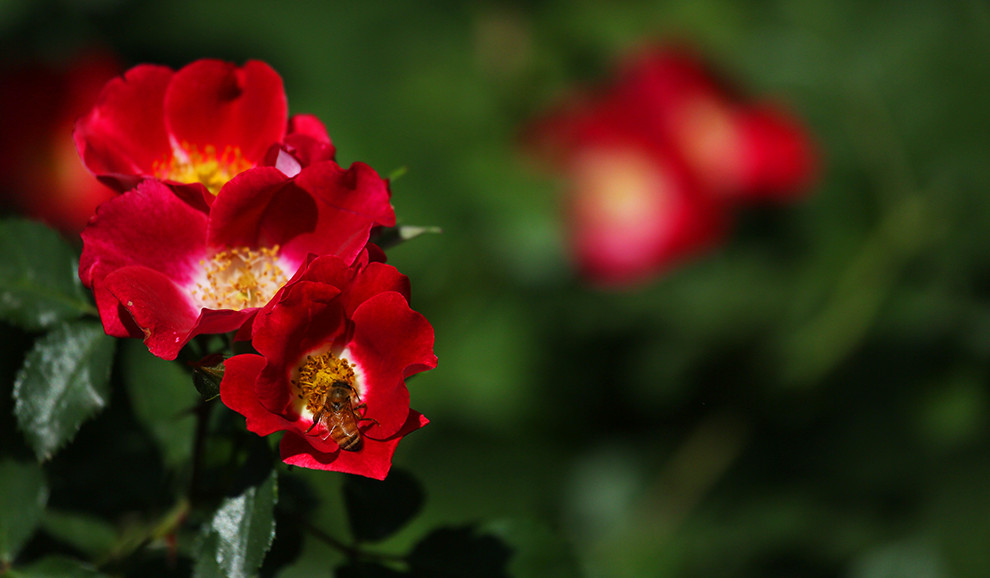

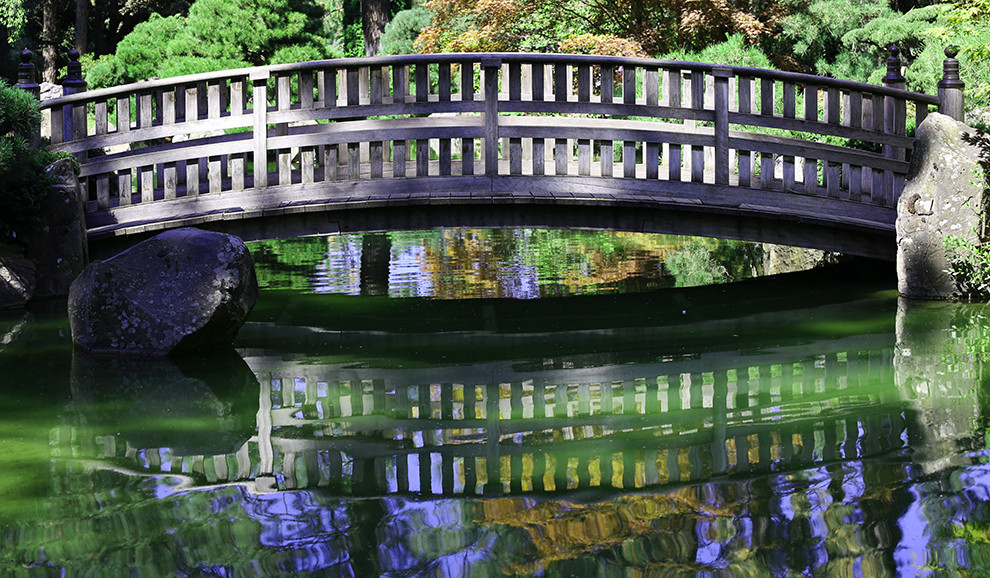
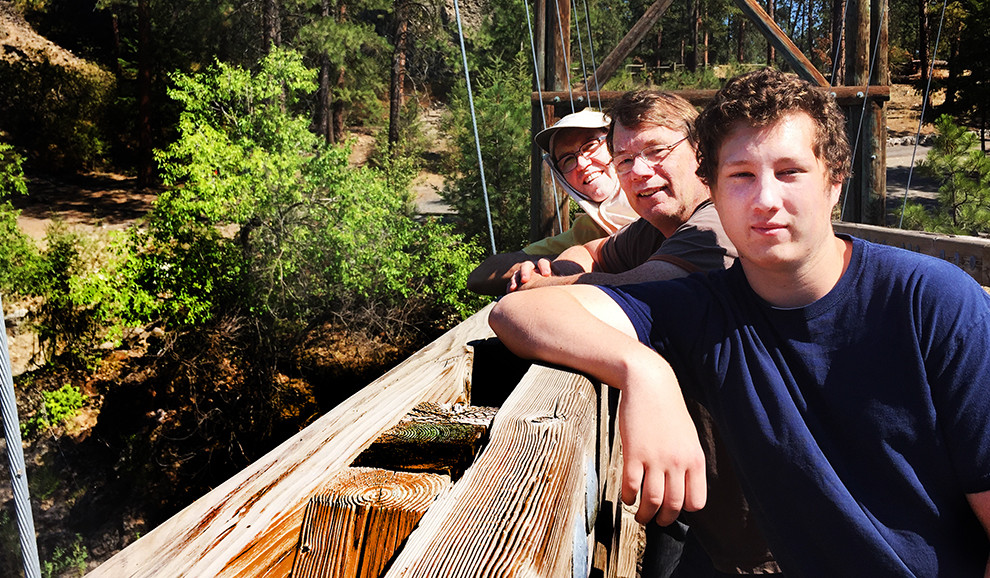
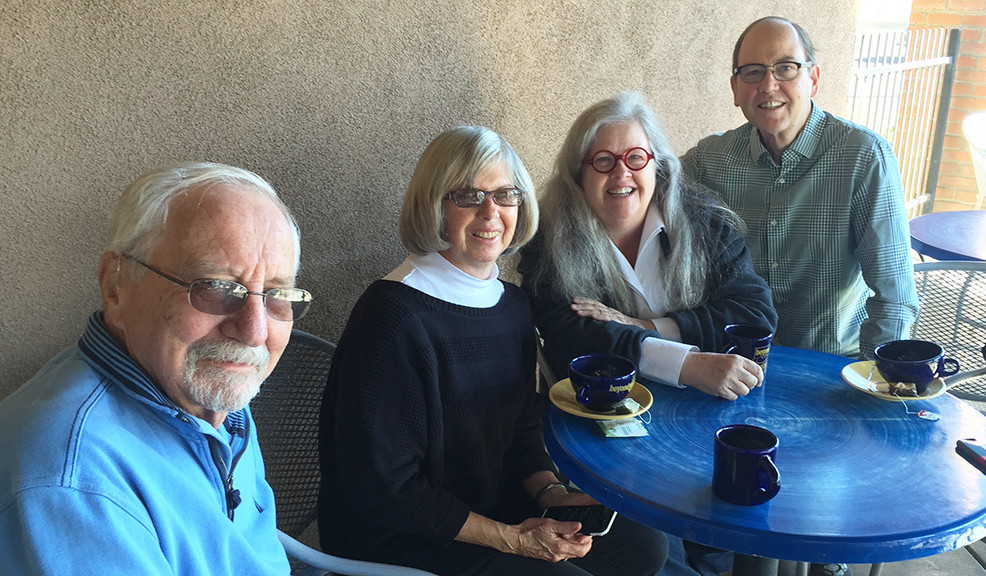
We love meeting new people on the road, and we’re also able to reconnect with longtime friends who’ve moved away from Arizona.
Glimpse: The Hiawatha Rail-Trail
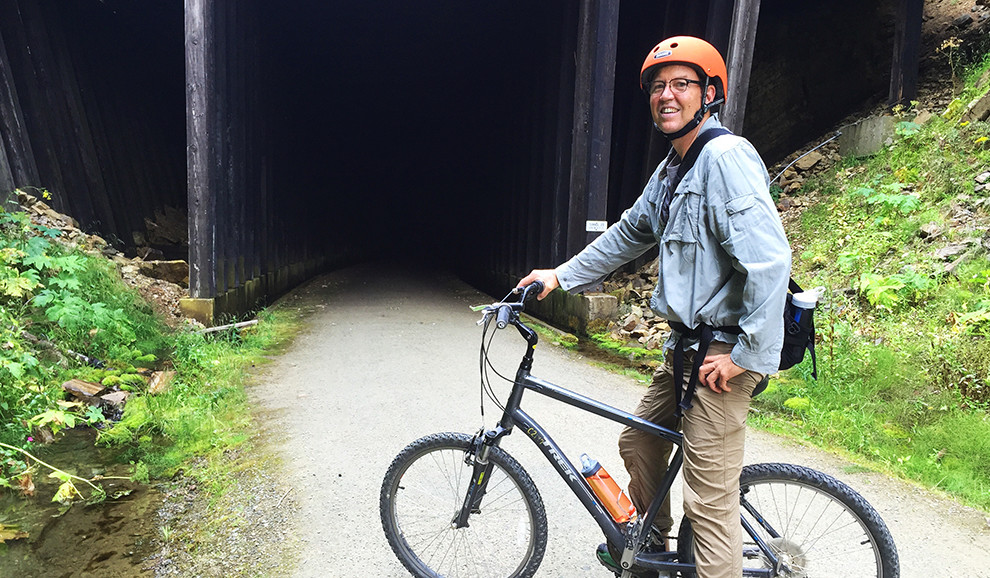 Tom heading into the nearly two-mile tunnel on the Hiawatha Rail-Trail, one of our entertainment splurges.
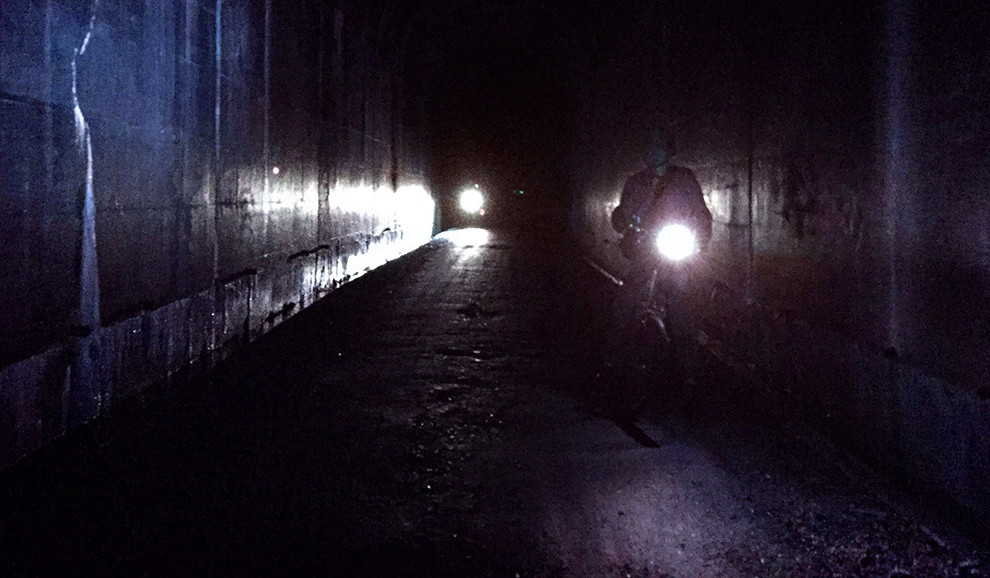
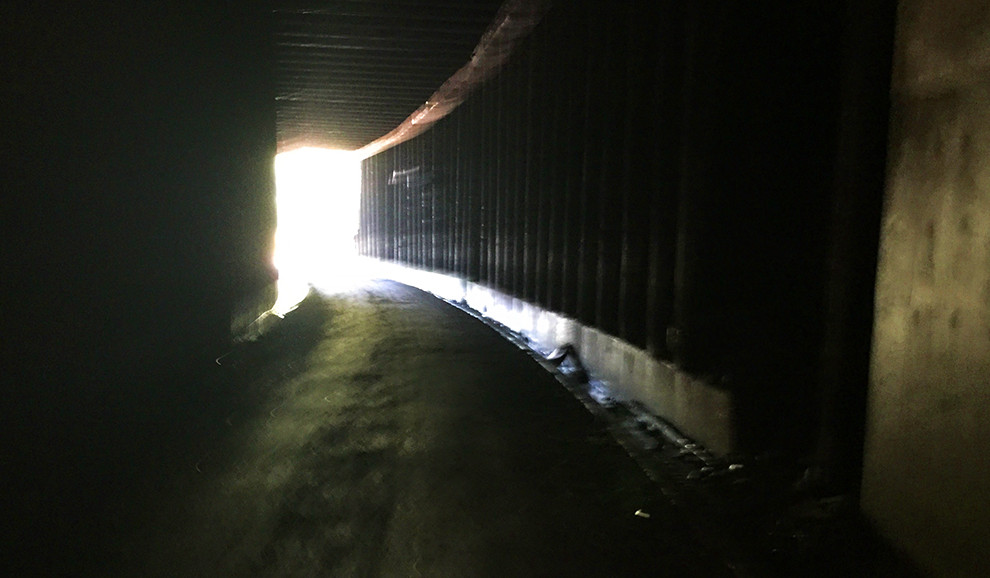
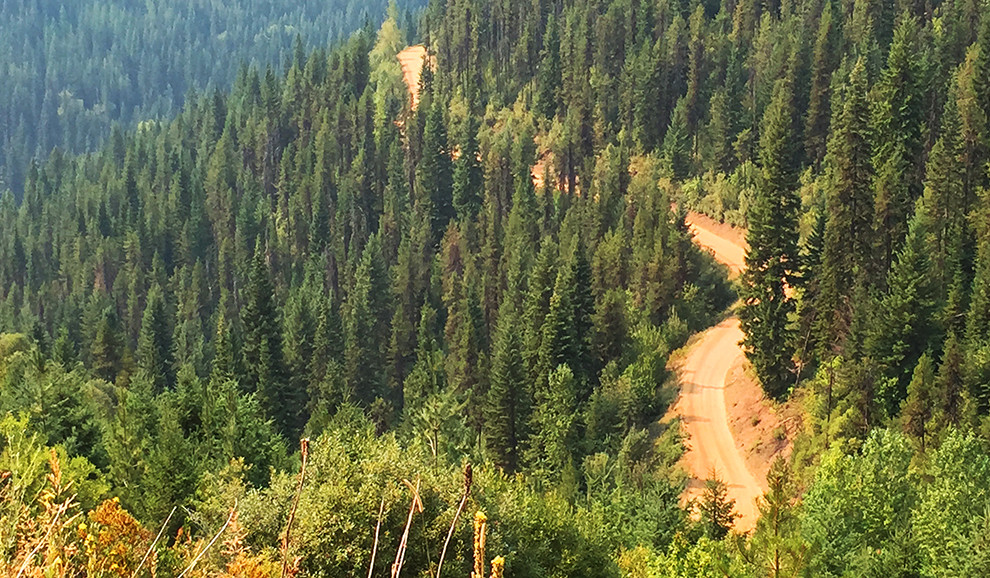
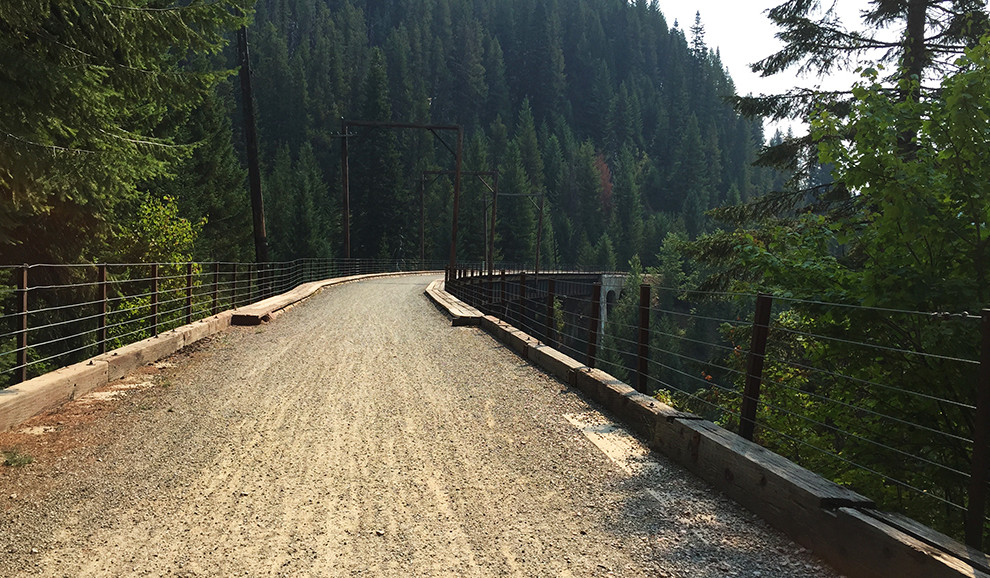
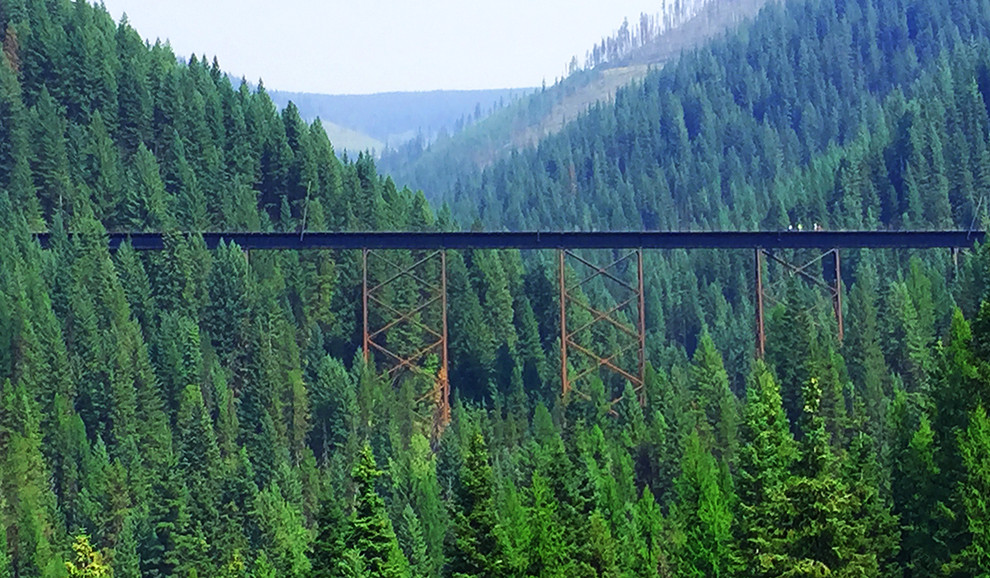
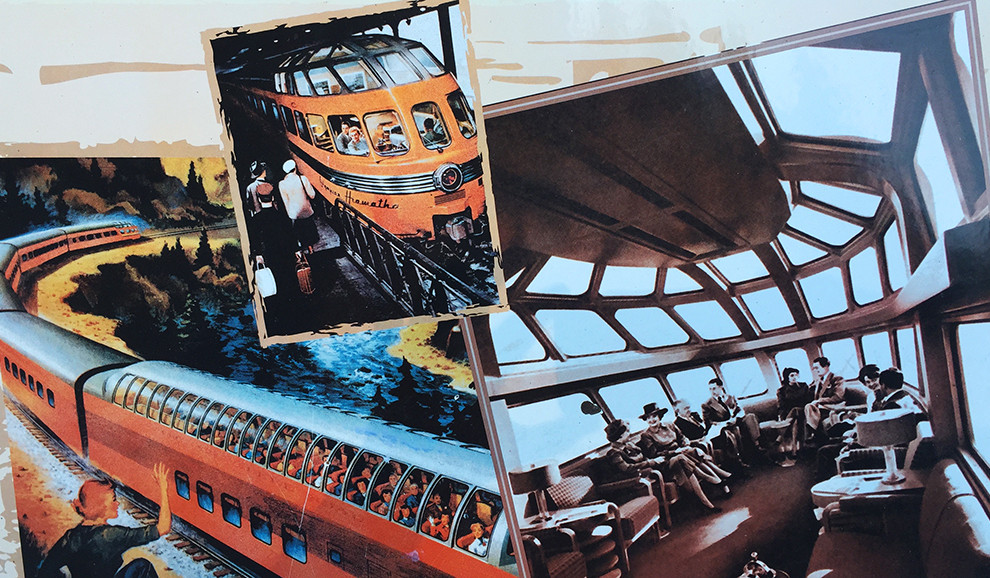
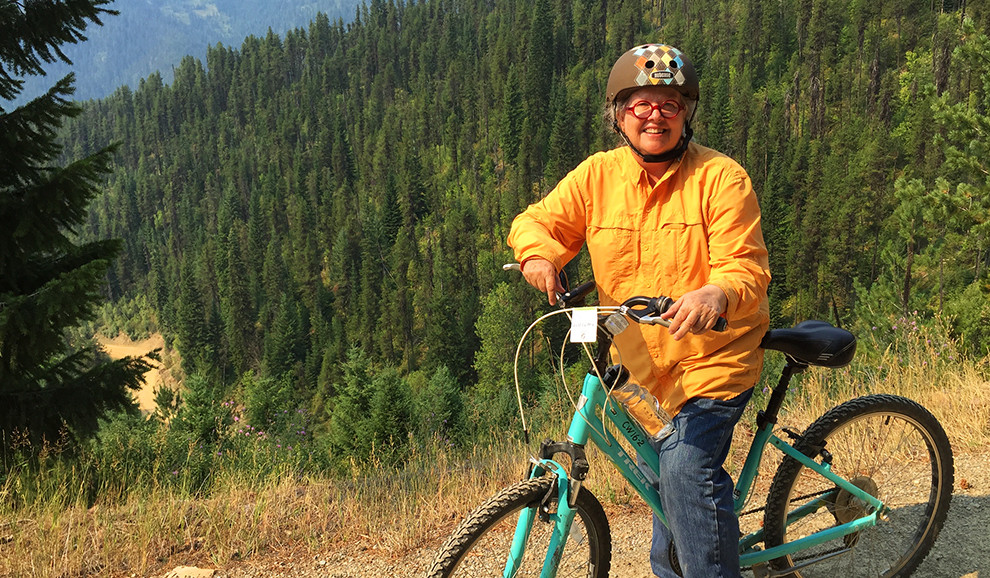
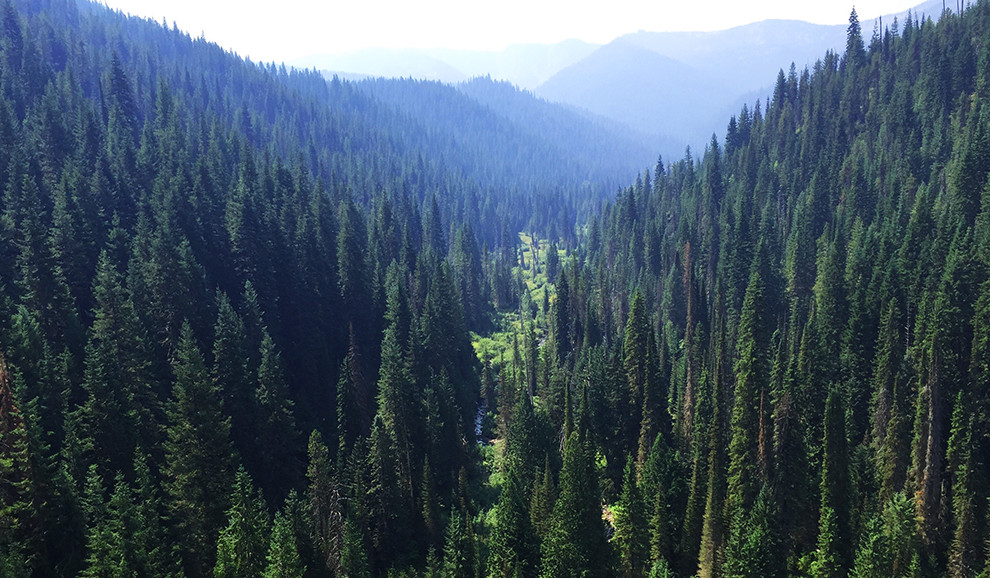
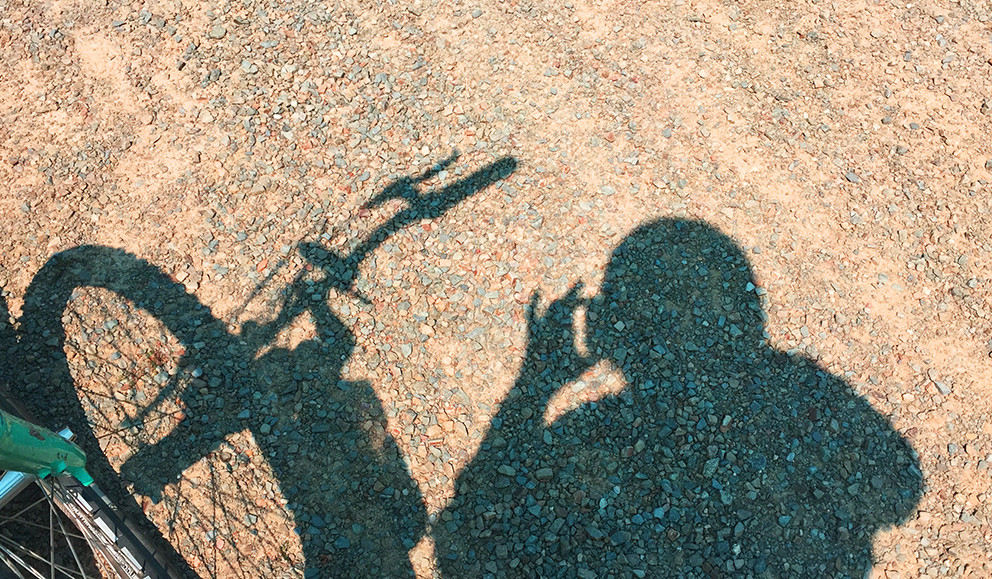
The Hiawatha Rail-Trail is my kind of bike ride, 15 miles through the stunning Bitterroot Mountains, over seven trestles, through 10 tunnels, including one more than a mile and a half long, all downhill with a shuttle ride back to your vehicle. Genius. The route follows the former Chicago, Milwaukee and St. Paul Railroad, which crossed through the mountains to reach the Pacific in 1909. Construction was estimated at $45 million, but exceeded $234 million. The route hosted the luxury Hiawatha train, with Super Dome observation cars and Skytop sleepers. The line went bankrupt more than once, was abandoned in 1980 and converted to a bike trail beginning in the late 1990s. Signs along the route show where people escaped the 1910 fire called “The Big Burn,” stories of the amazing construction required to get over the Idaho mountain passes, and of the people who worked on the rails. A trail pass costs $10, a shuttle ticket, $9. If you don’t have your own bike, you can rent one at the Lookout Pass Ski Area. They’ll even give you a bike rack to get it to the trailhead. Here’s a glimpse.
Worshiping at the altar of King Corn
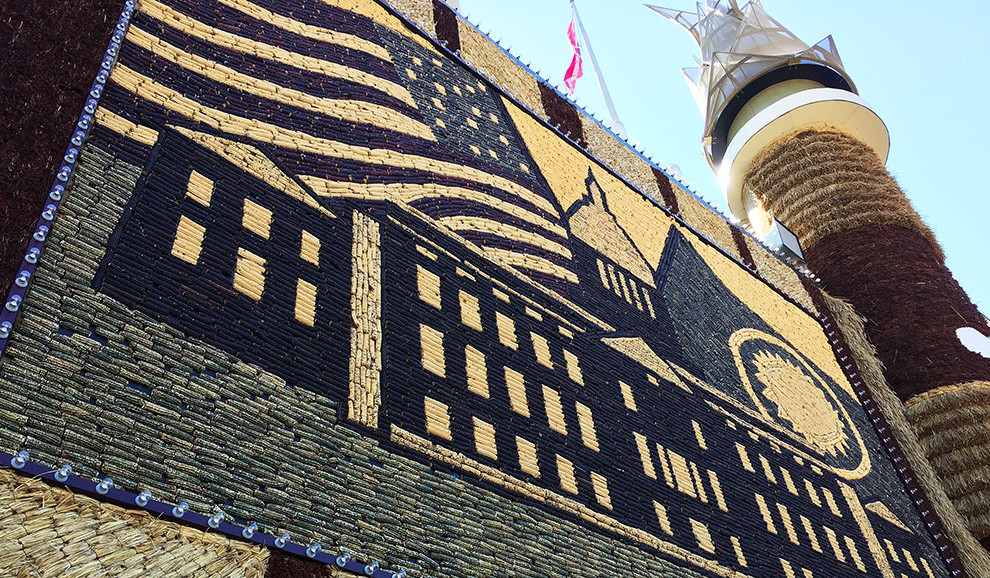 A mural on the outside of the Corn Palace made entirely of multicolored corn on the cob.
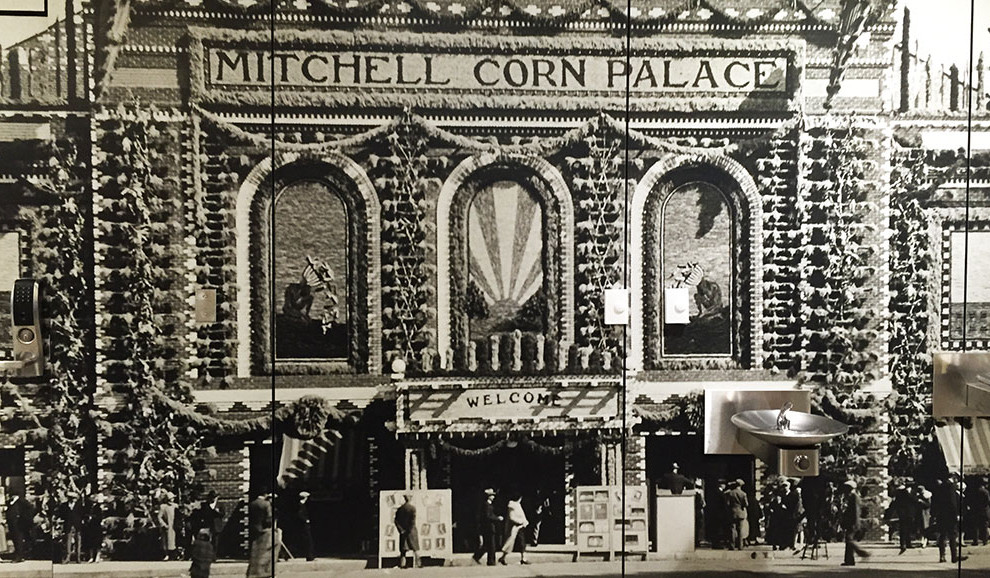
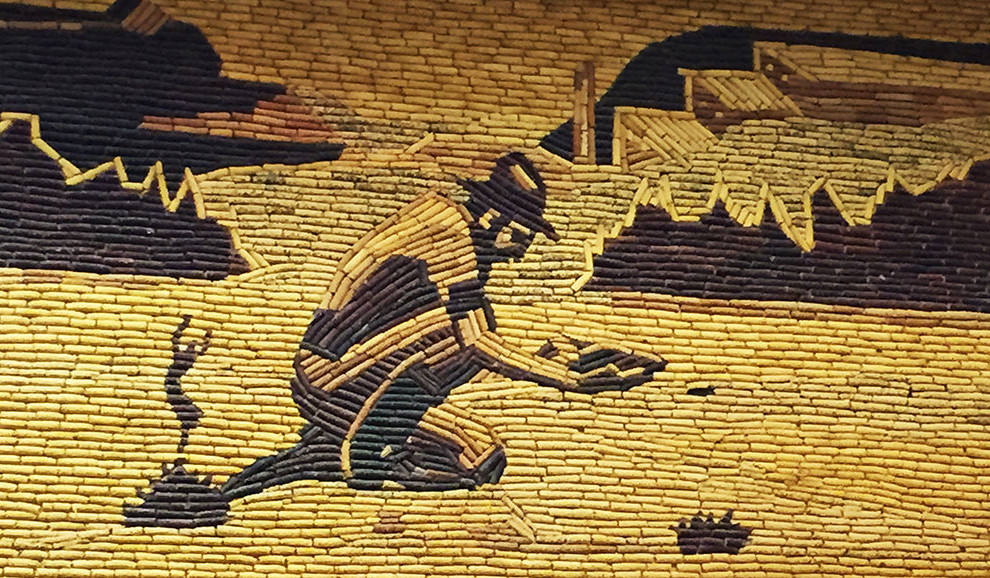
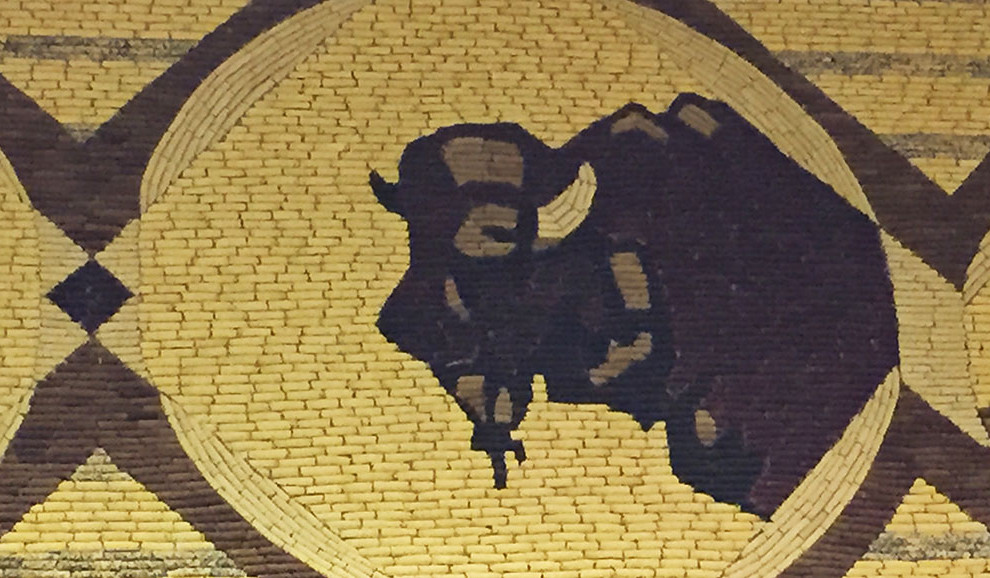
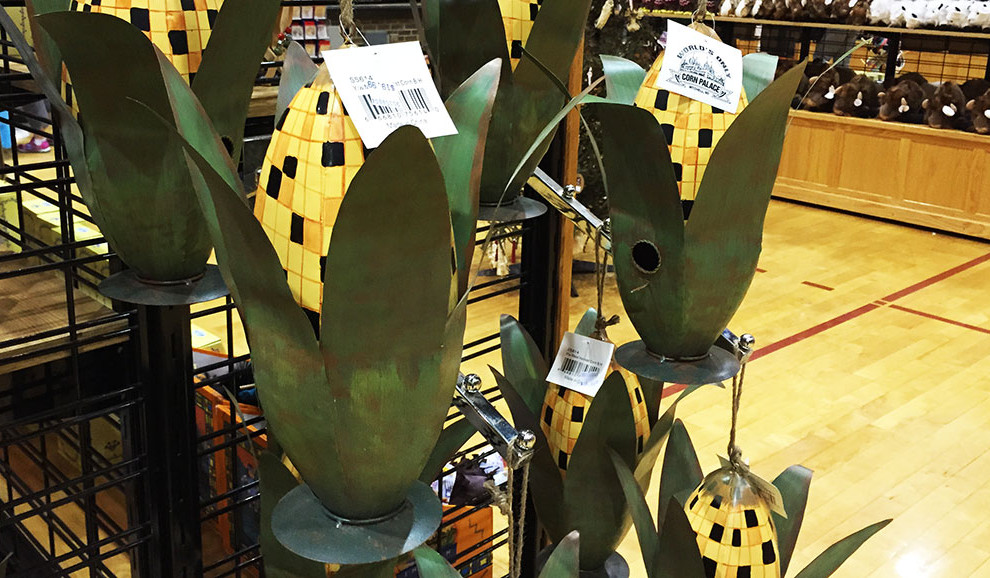
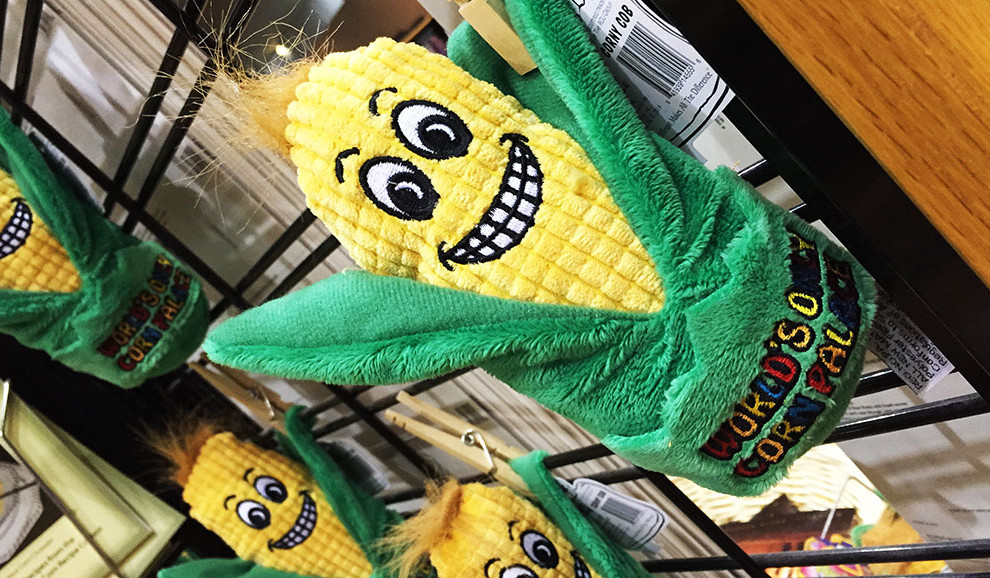
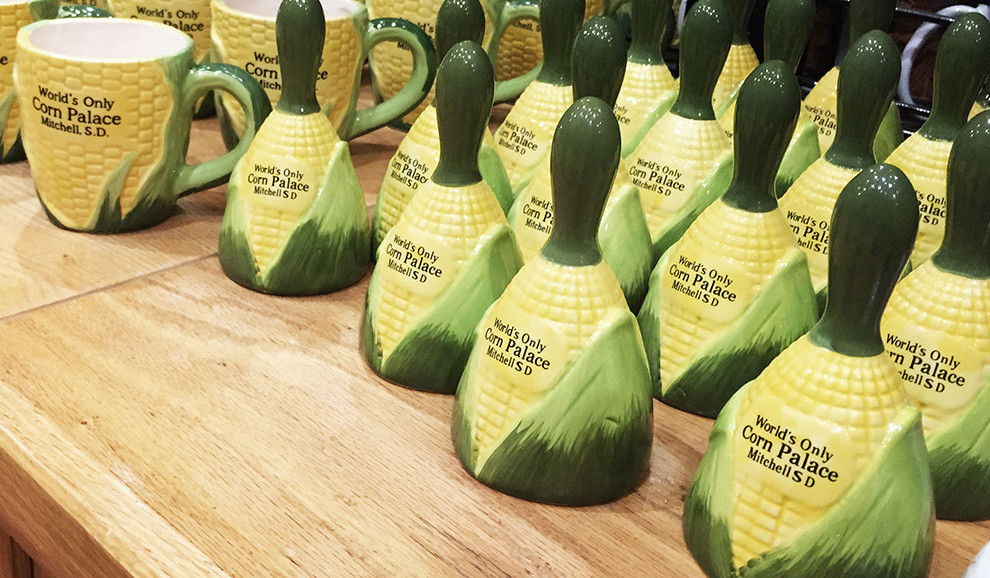
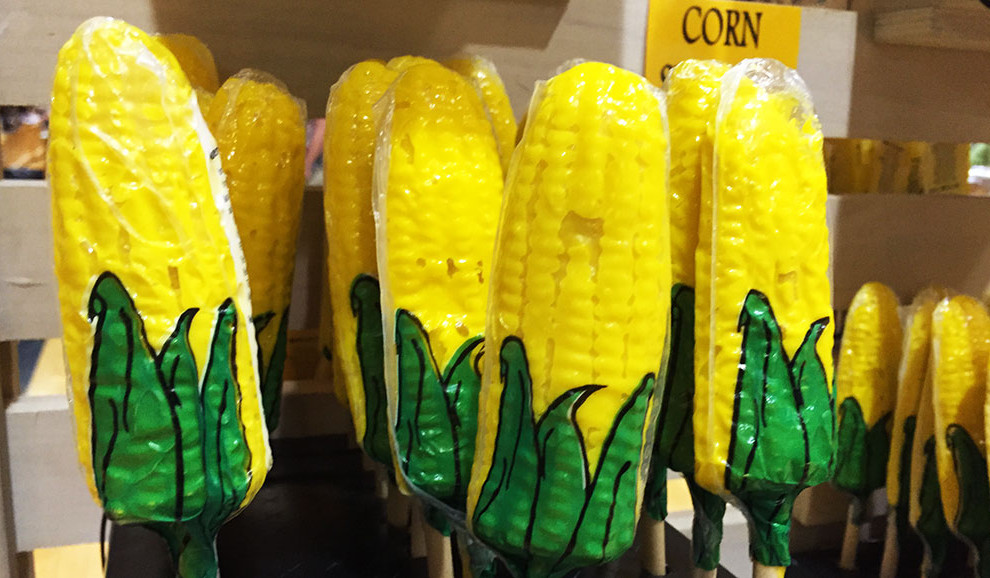


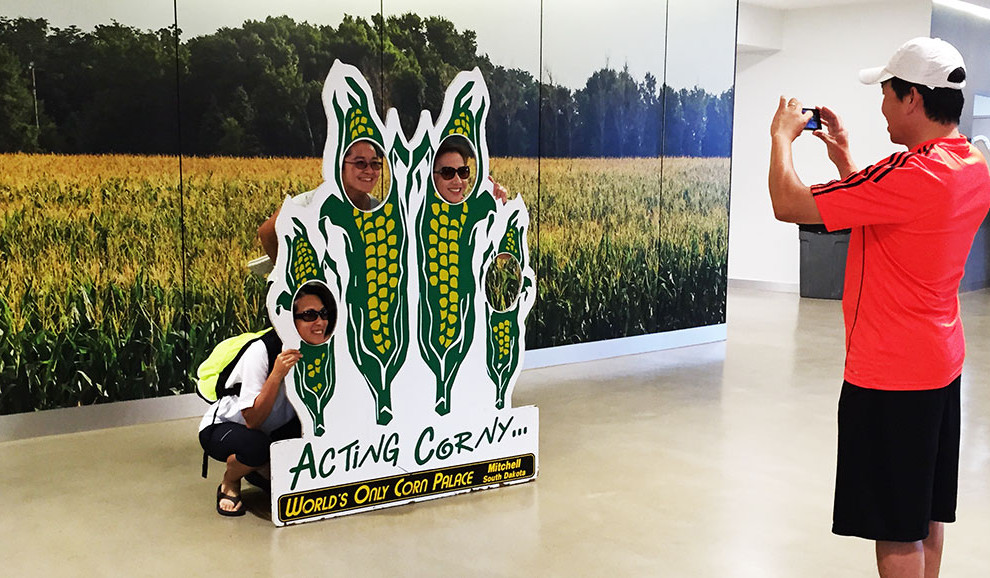
One of the highlights of our annual summer visits to Tom’s childhood home in Rantoul, Illinois, was the fresh-from-the-field corn, purchased from Mr. Zander’s produce stand and boiled, just three minutes, but long enough to create a sauna in the July heat and humidity of the tiny house on Englewood Drive.
The yellow and white ears were piled in a towering pyramid in the center of the table, each of us grabbing an ear, juggling to avoid burned fingers, chomping into the kernels as butter dripped down our chins and sweat gathered on our foreheads.
It really didn’t matter what else was for dinner. Corn was always the main course, and I once watched Tom eat five ears in a row.
Glimpse: Villa Louis, Prairie du Chien, Wisconsin
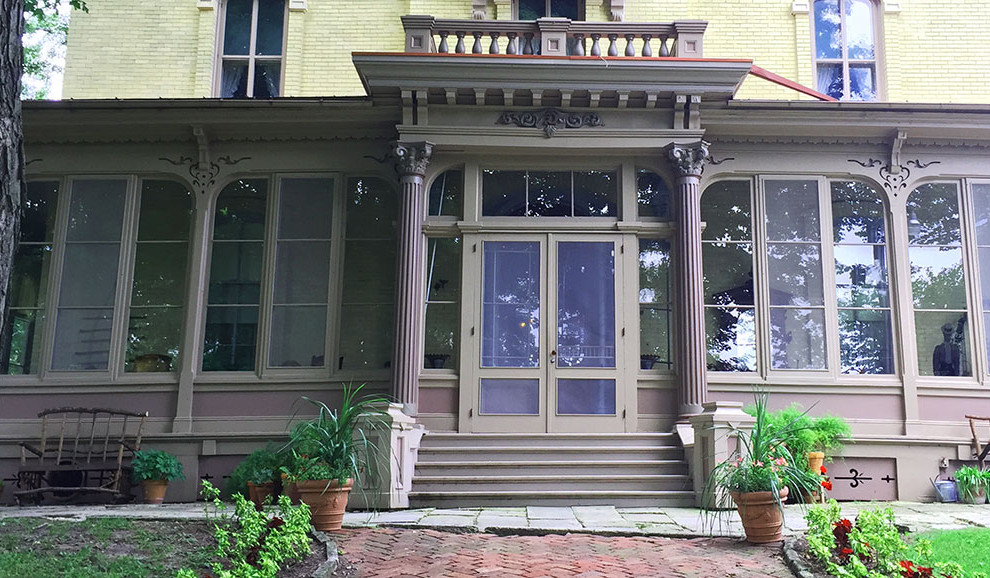 The beautiful entrance to Villa Louis in Prairie du Chien, Wisconsin.
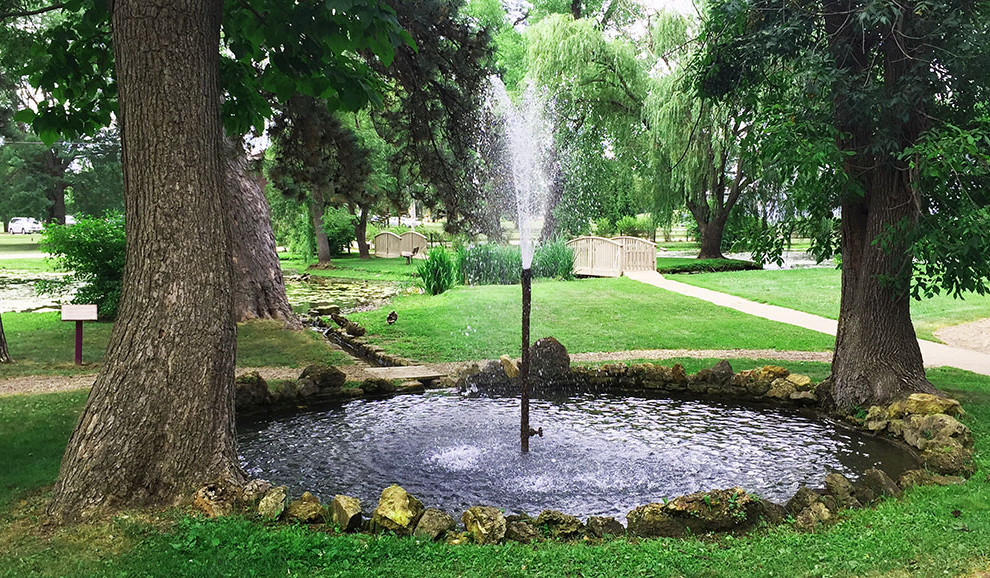
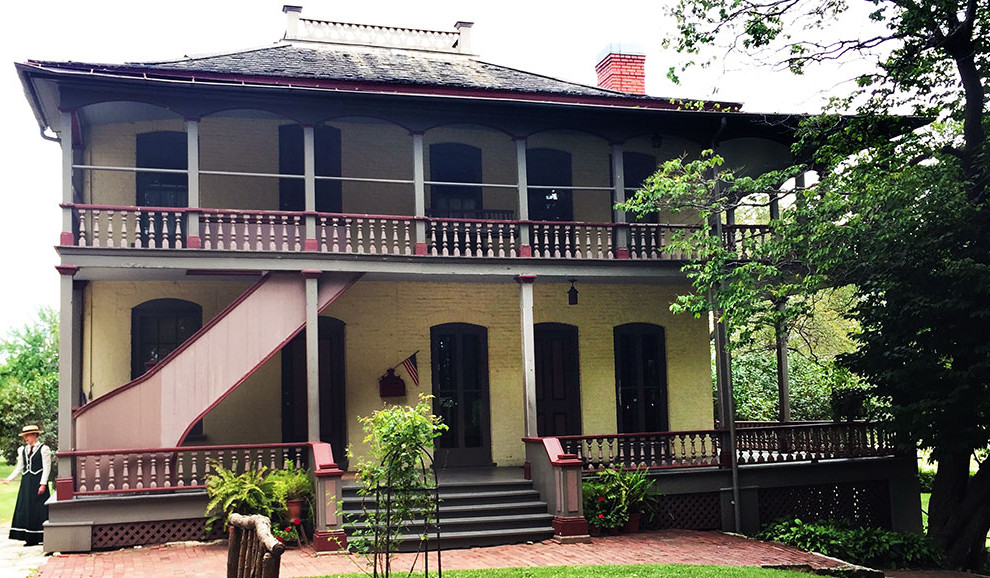
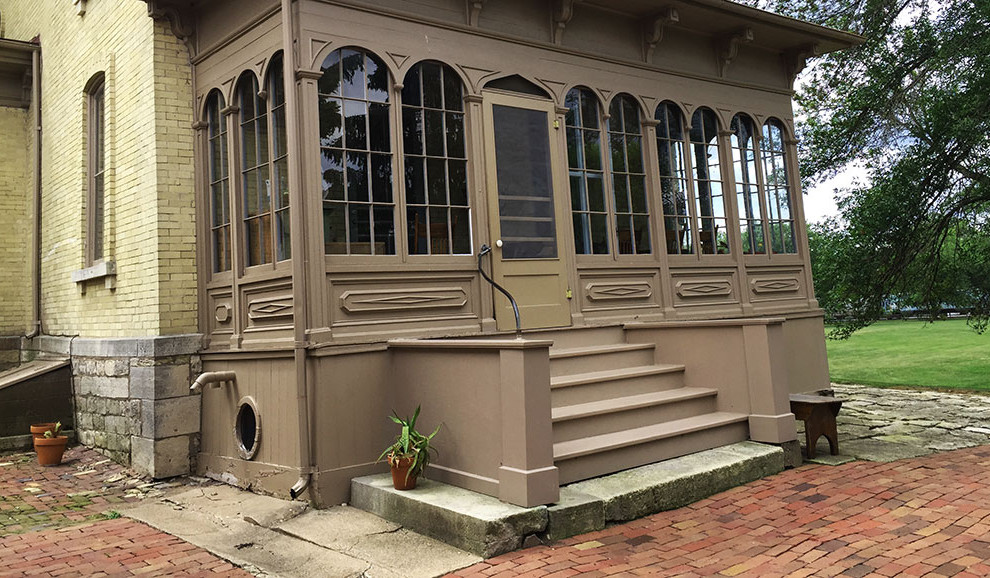
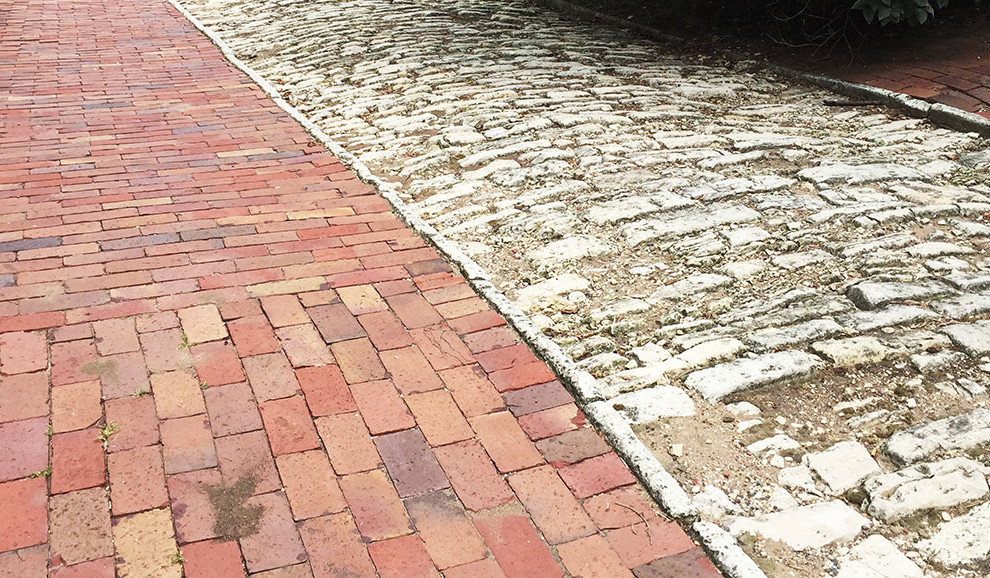
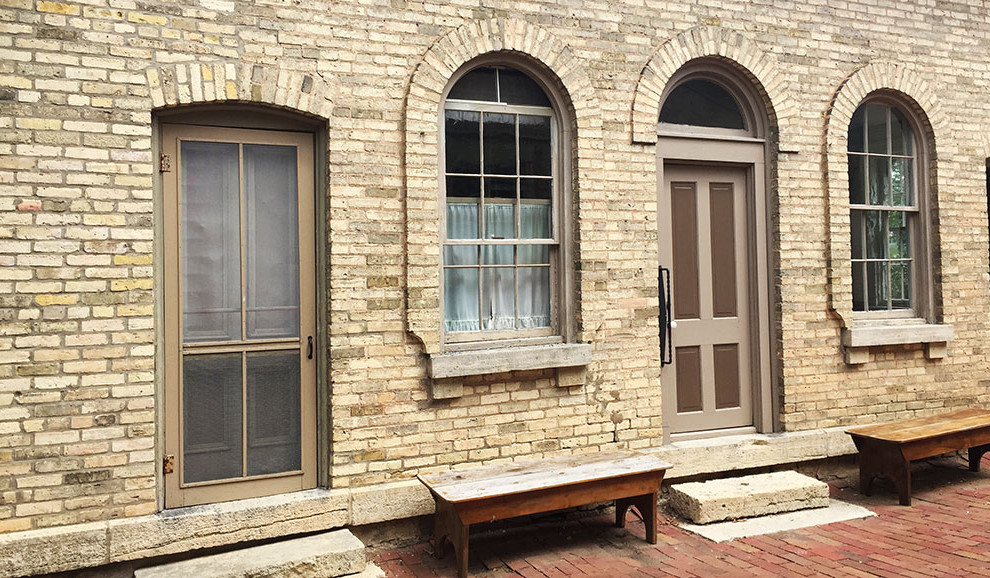
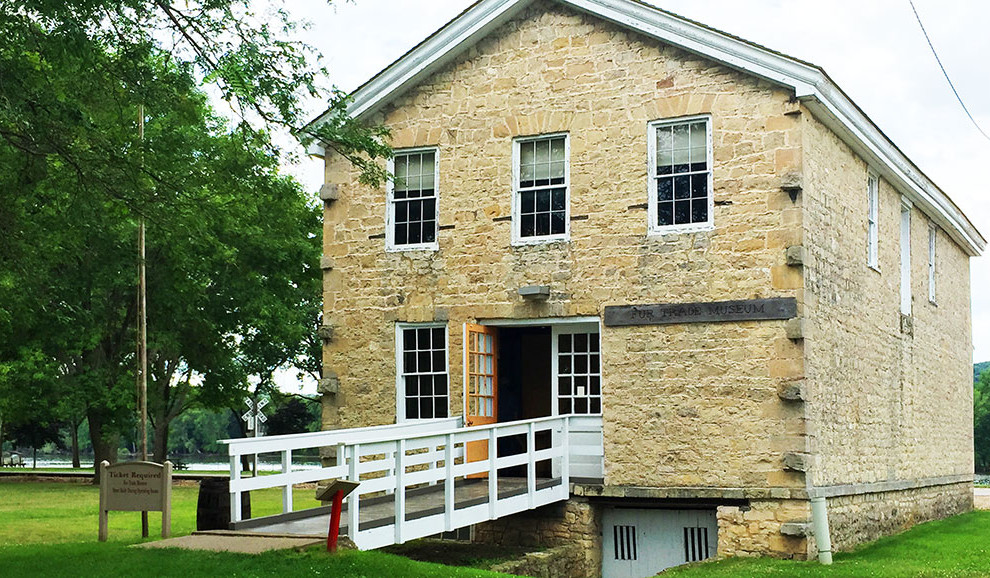
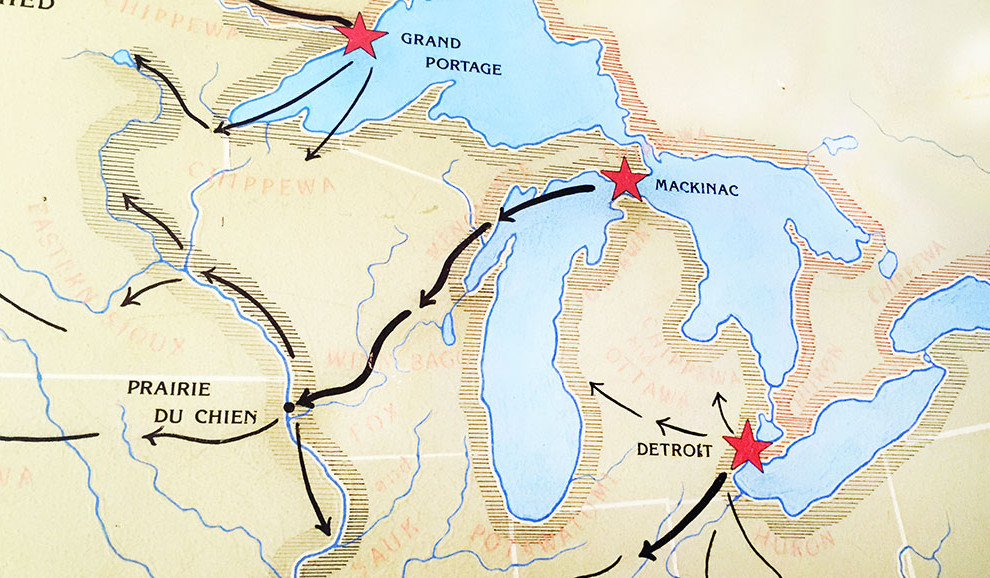
When you visit Villa Louis, the 19th century estate of the Dousman family, set on a hill just out of the reach of the Mississippi River’s regular floodwaters in Prairie du Chien, Wisconsin, the shocking excesses of the leisure class are on display. There are photos of the wealthy family enjoying the home and grounds, but you must use your imagination to envision the bevy of servants cooking, cleaning, washing, ironing, tending the grounds, preserving foods, and cutting blocks of ice from the river to keep perishables cold. The family’s fortune was built on the fur trade and was lost when the son, H. Louis Dousman, died at 37 in the midst of building an ill-fated Artesian Stock Farm to breed and raise trotter horses. The home is restored to its appearance in the mid-1890s, and more than 90 percent of the original furnishings are intact. A tour guide, dressed in period clothing, takes you through the home. The tour includes the separate office, complete with billiard room; the ice house, where blocks of ice from the Mississippi River were packed into the cellar and kept meats and cheeses cold; the preserve house, where summer fruits and vegetables were canned; and the laundry, with a second floor where clothes were hung to dry. They don’t allow photos inside, so you’ll just have to go see for yourself. The site also contains the remains of Fort Crawford, built in 1816 to help secure the Northwest frontier, and a Fur Trade Museum housed in an 1850s stone structure built by B. W. Brisbois, one of the last fur traders in the area.