Posts in Category: Our wanderings
Glimpse: Beauvoir, Gulf breezes and contemplation
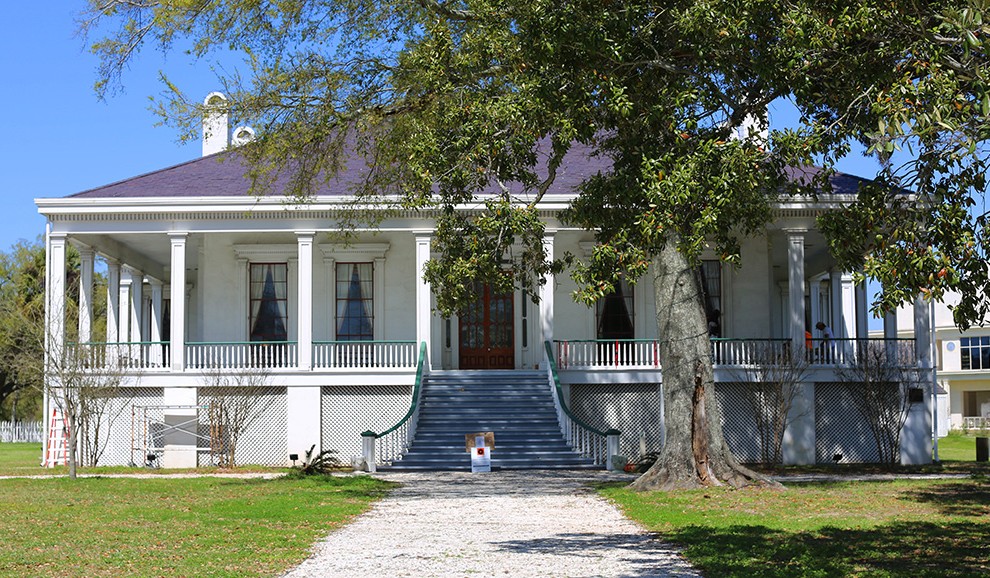 Beauvoir, which means beautiful view in French, was the last home of Jefferson Davis, president of the Confederacy.
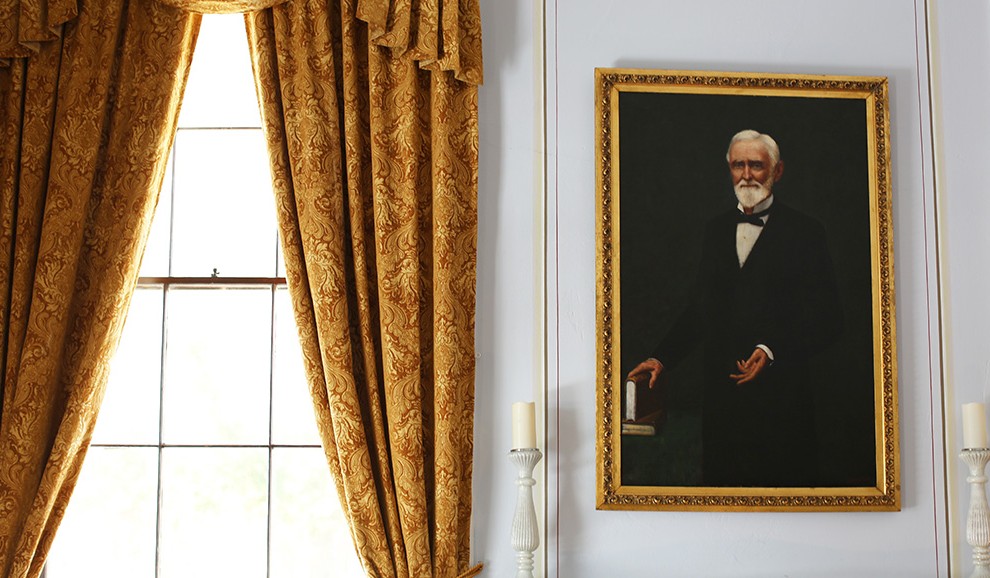
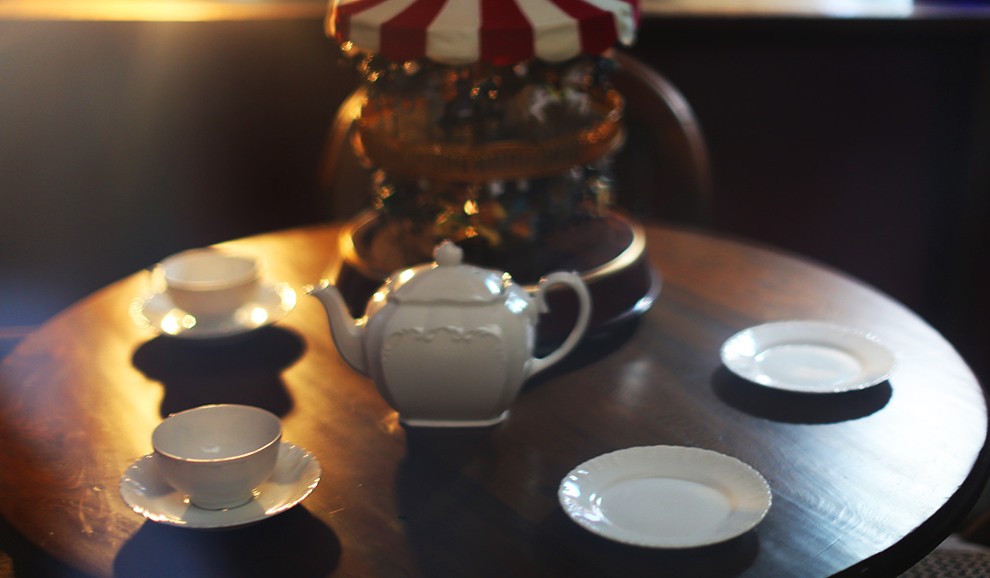
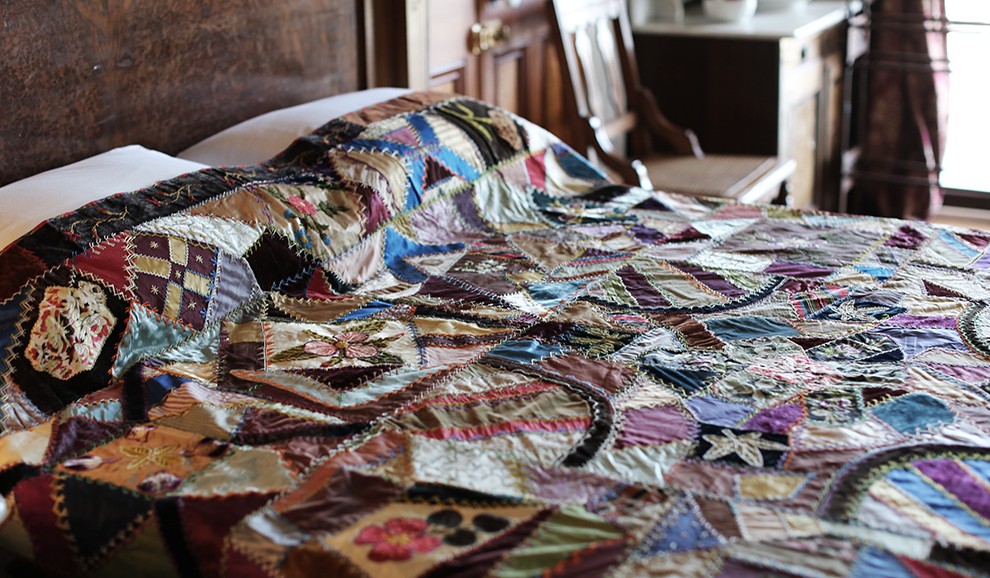
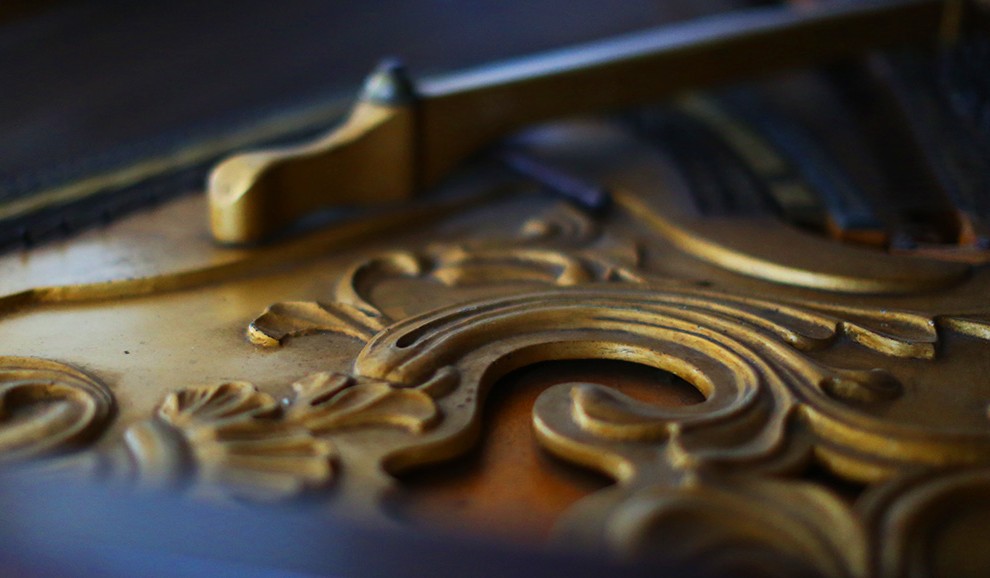
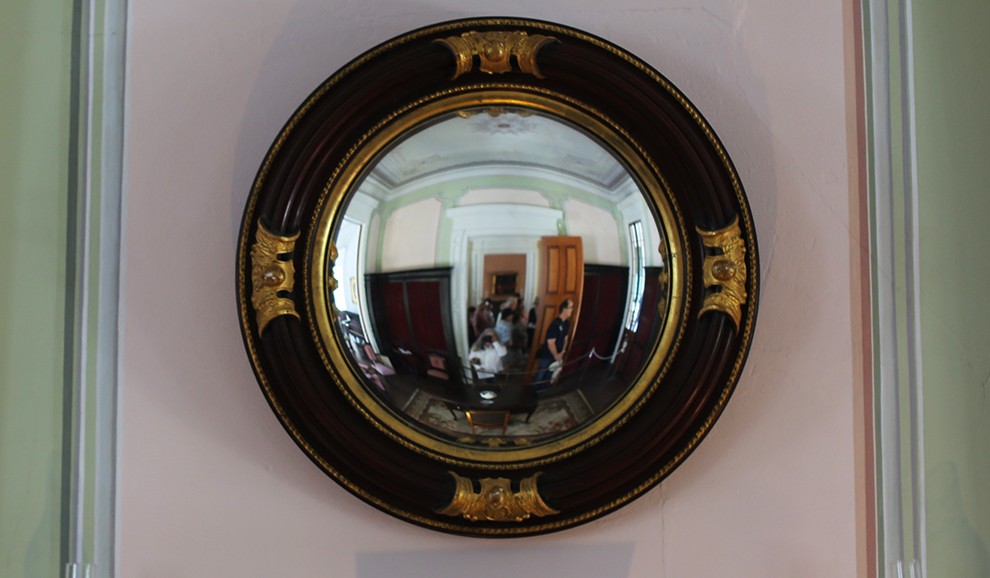
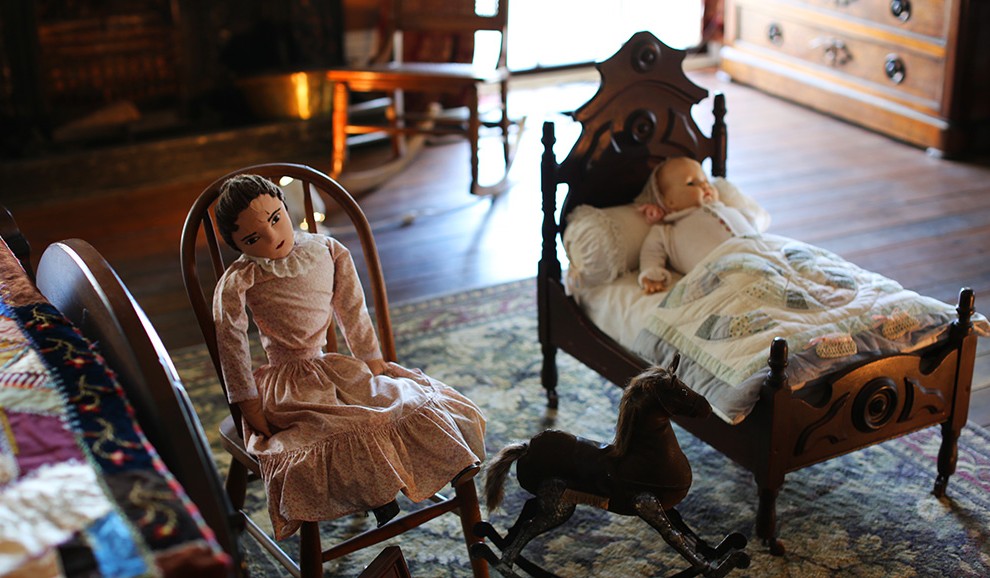
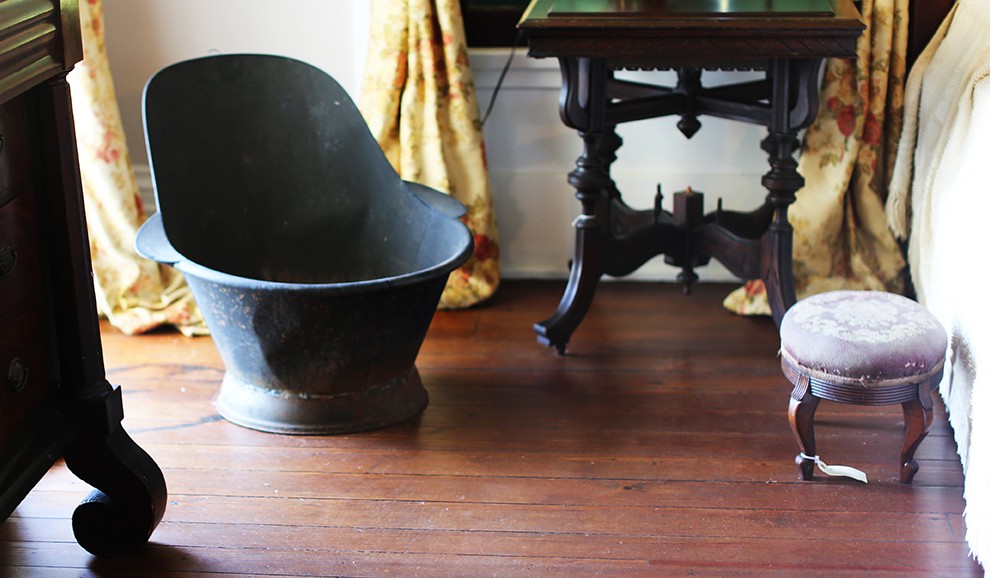
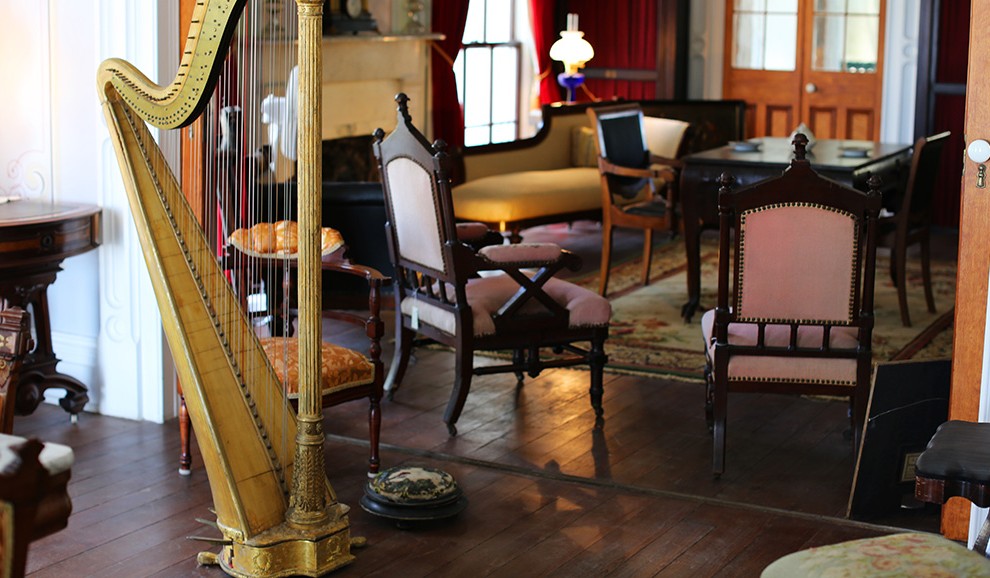
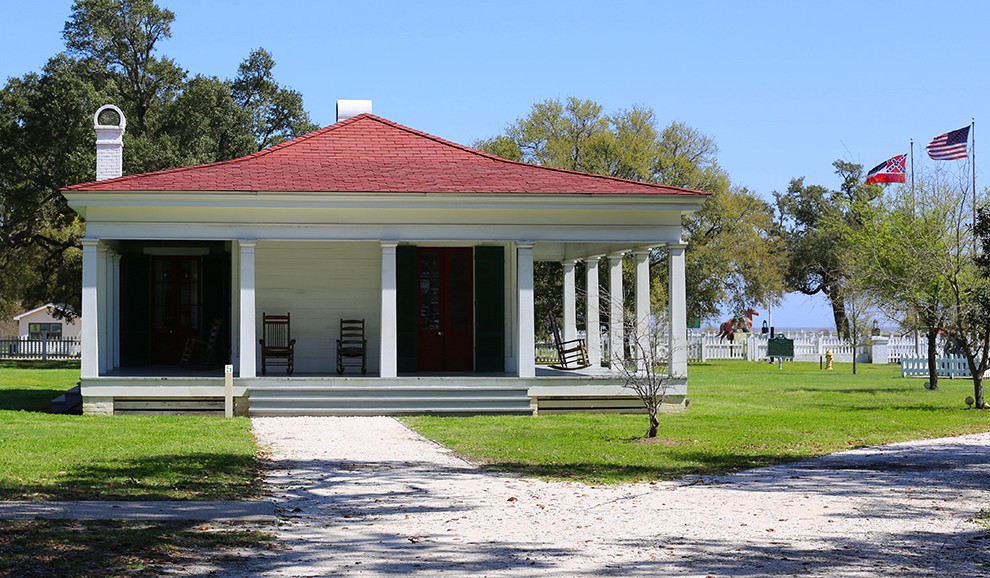
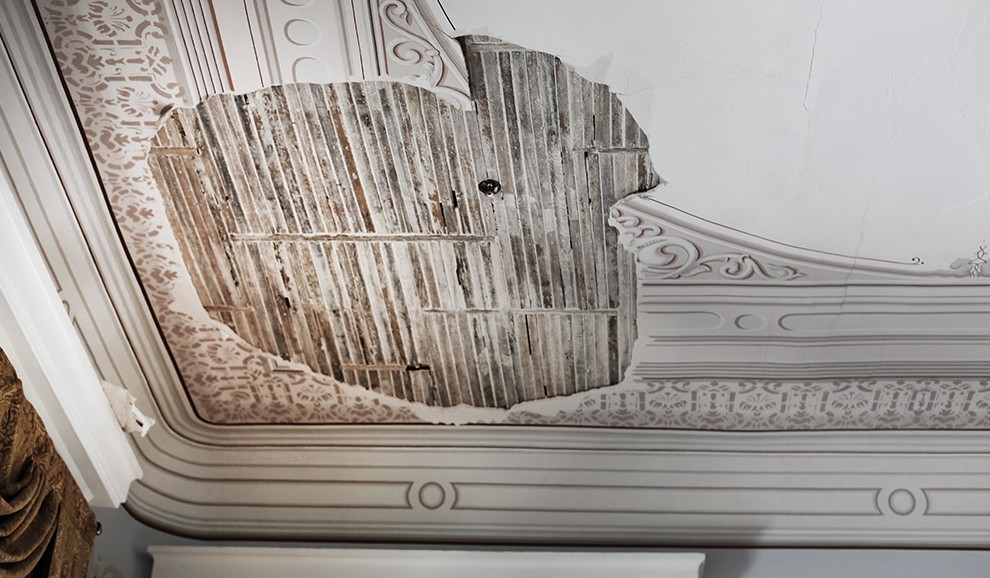
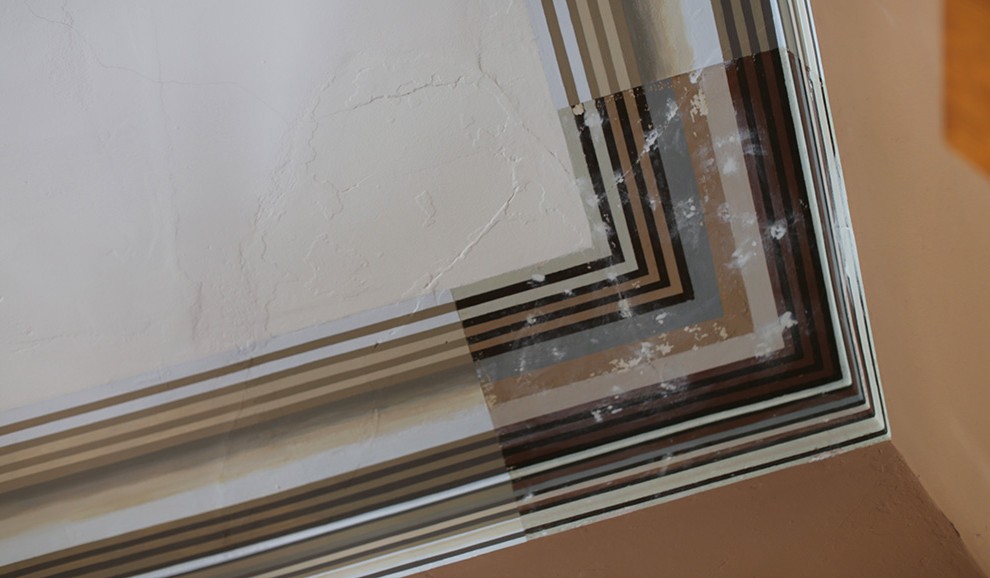
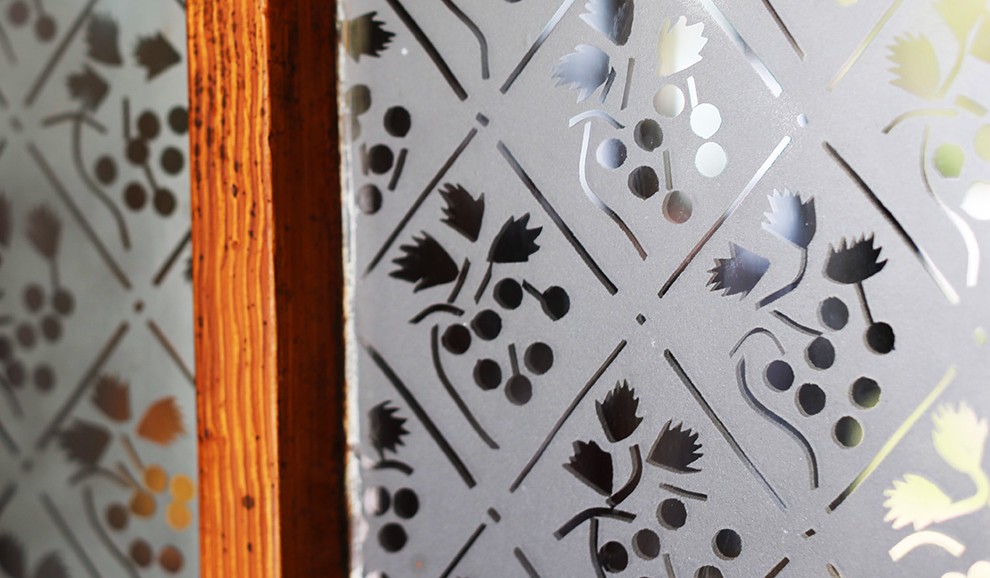
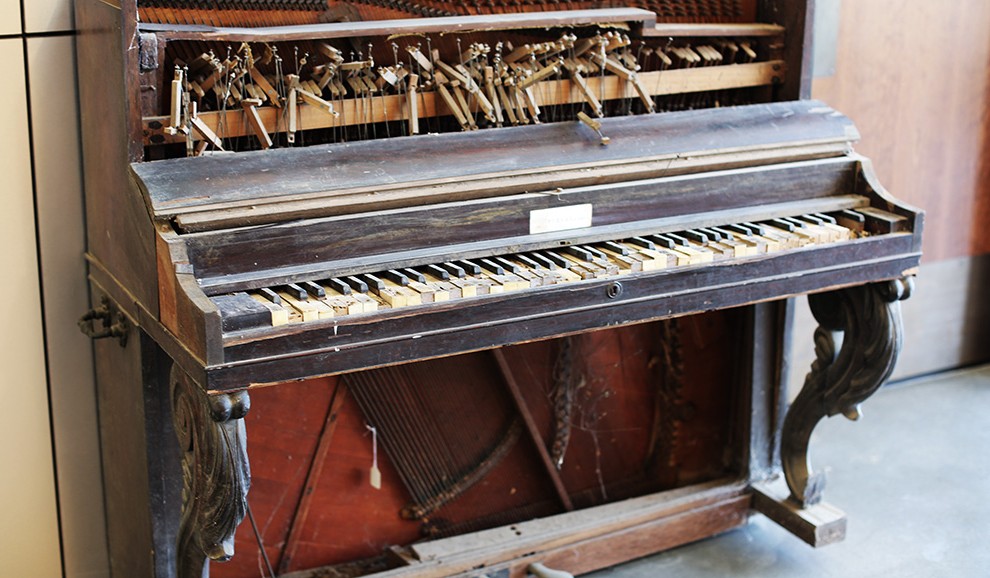
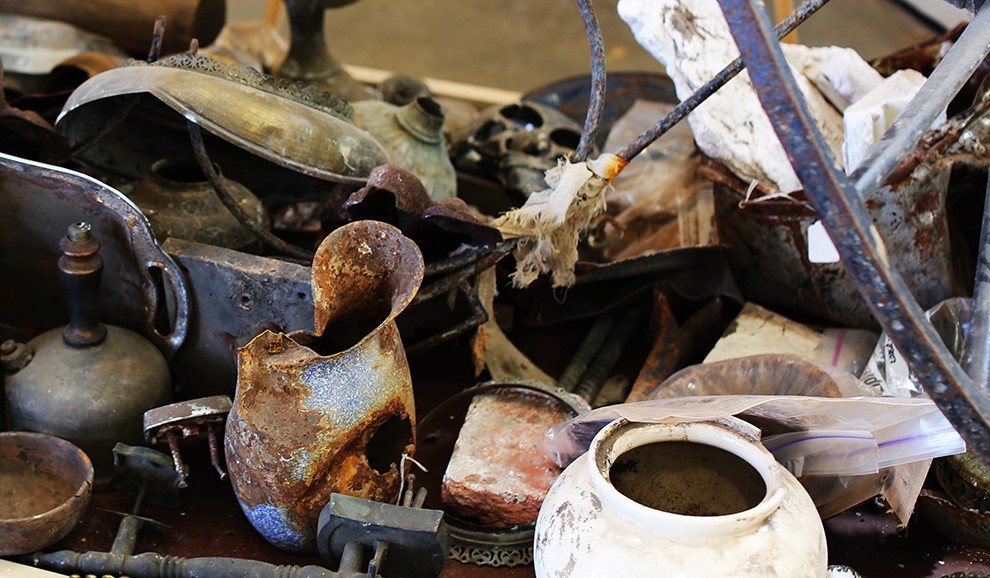
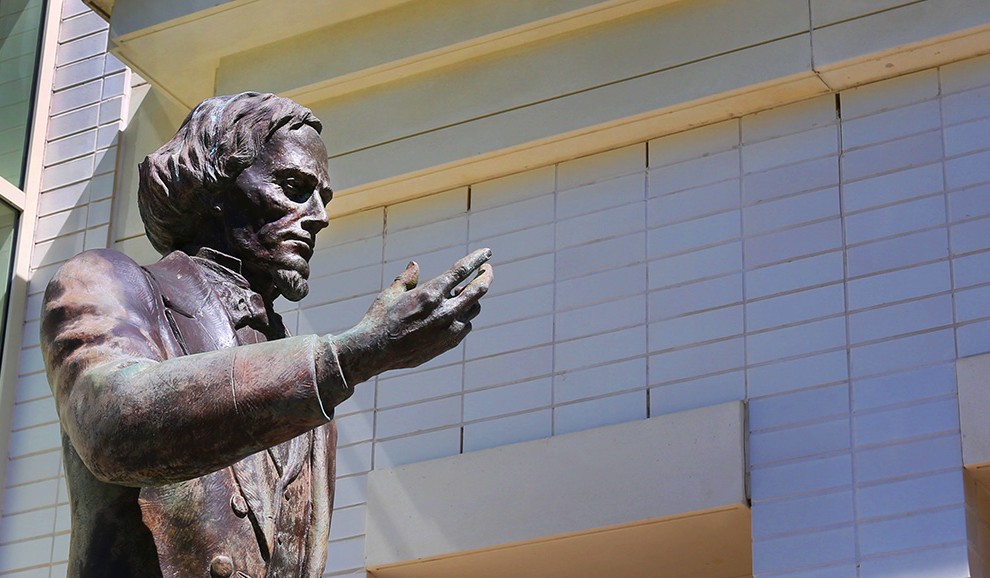

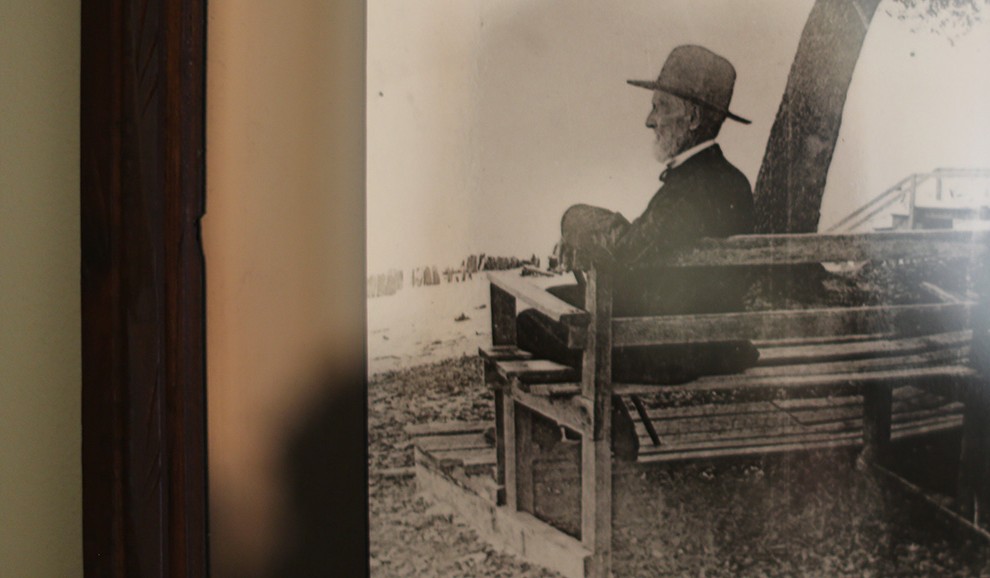
One of the exhibits at Beauvoir, in Biloxi, Mississippi, the last home of Jefferson Davis, calls him “America’s son.” This is more than a little jarring to a Yankee because Davis was president of the Confederacy, leading the South’s effort to secede from the union and, after his defeat, was imprisoned as a traitor.
But here, where some refer to the Civil War as the War of Northern Aggression, and where there is a lot of defensive explanation that it was about states rights, not slavery, Davis is a hero.
New Orleans: Storms, survival and reunions
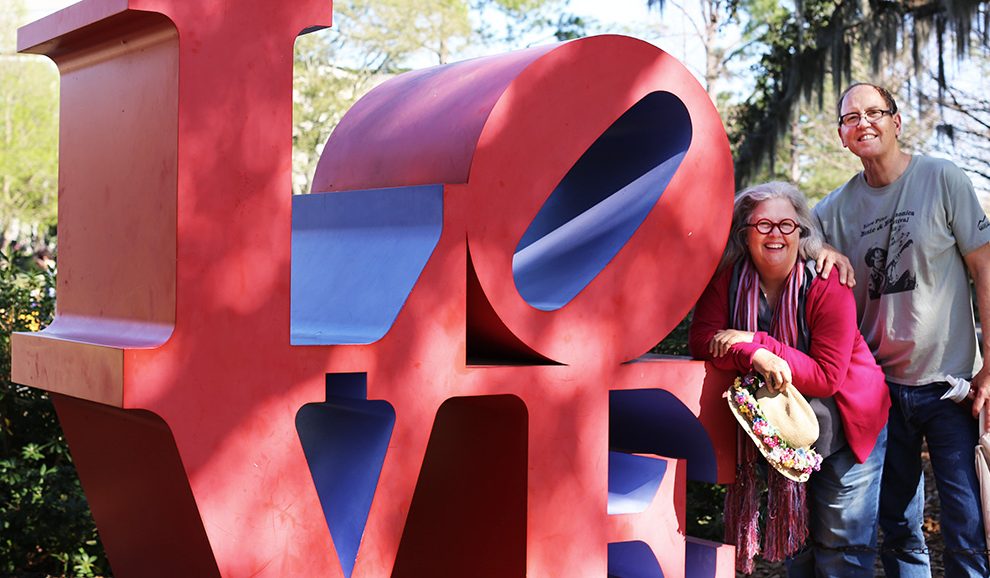 Tom and I with Robert Indiana's Love sculpture at The Sydney and Walda Besthoff Sculpture Garden at the New Orleans Museum of Art.
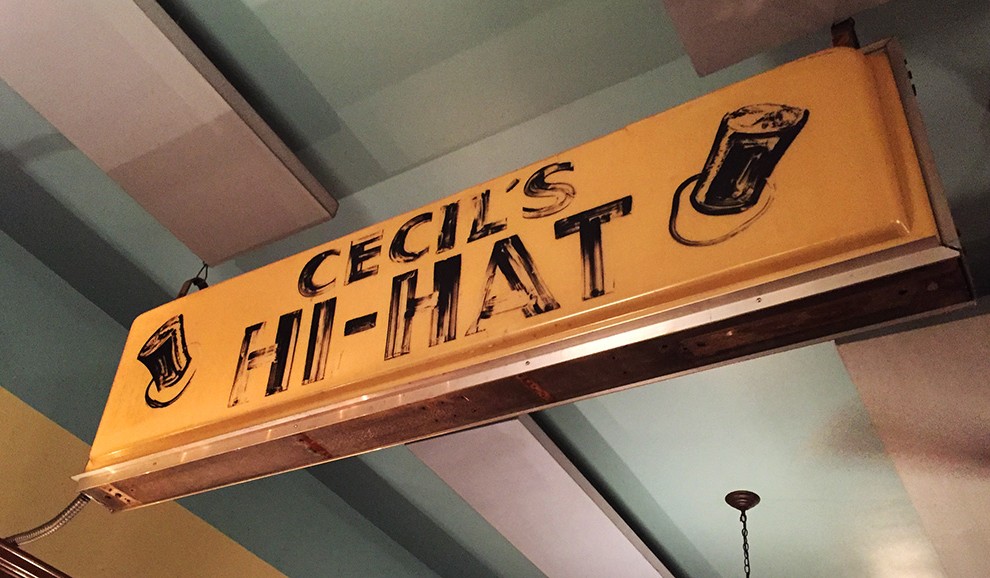
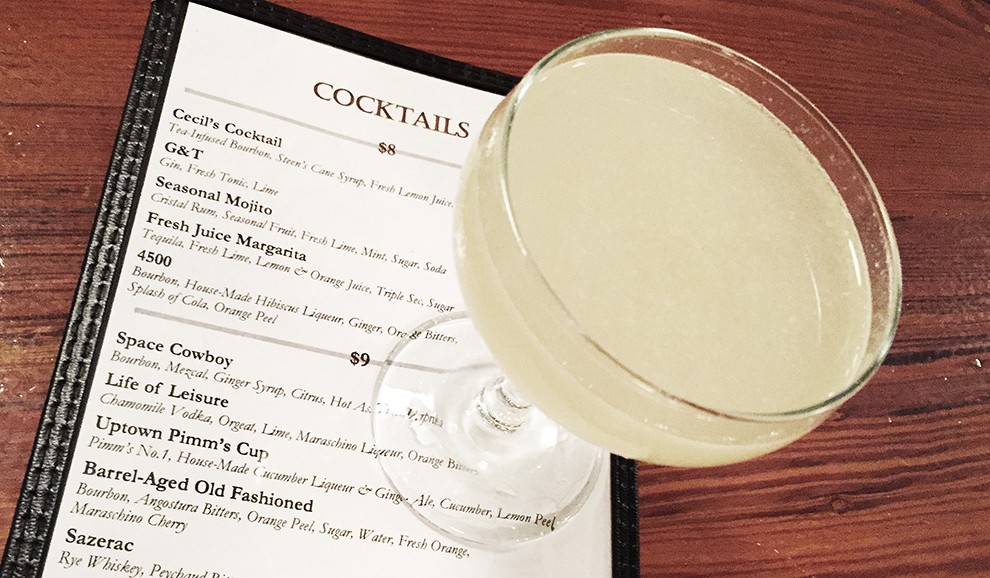
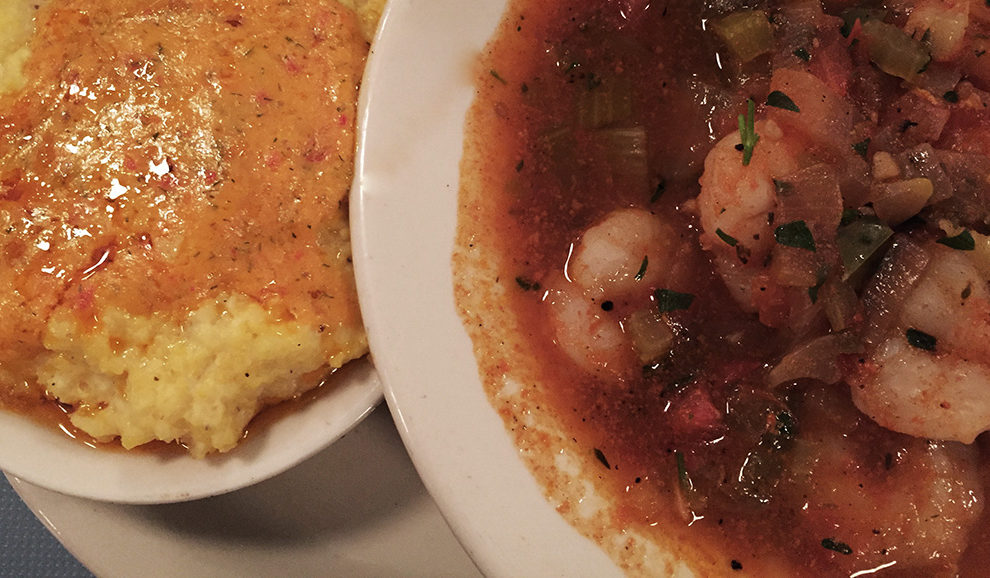
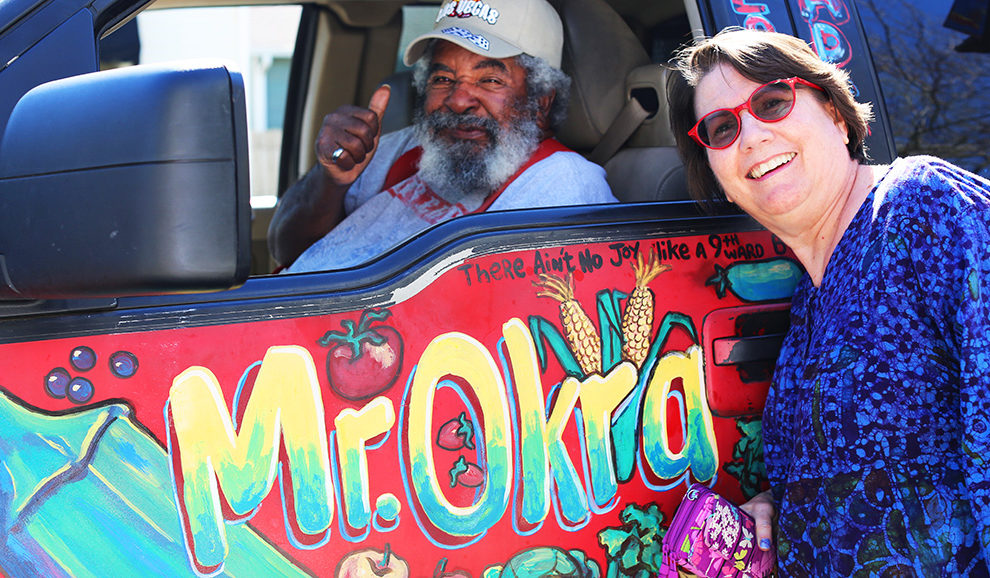
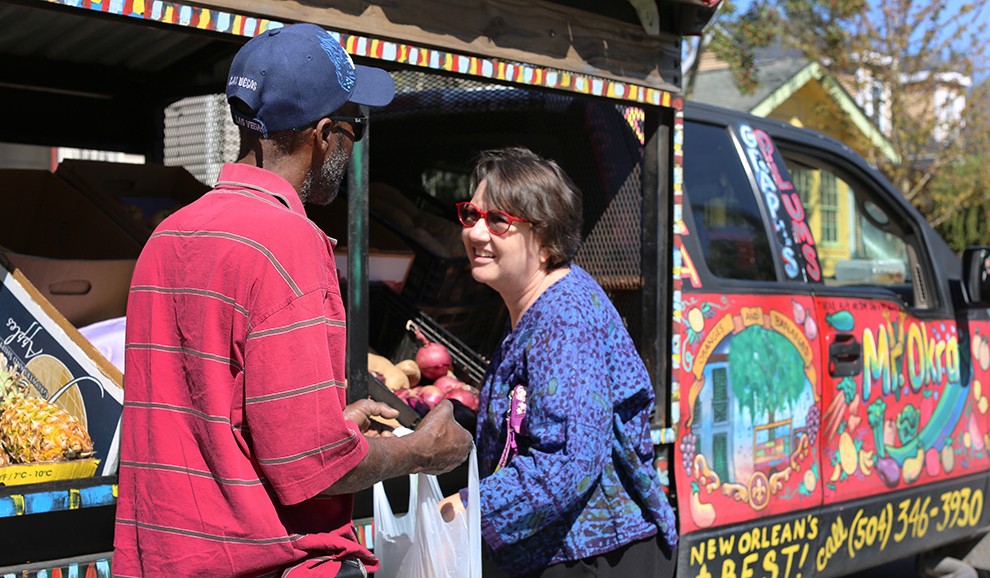
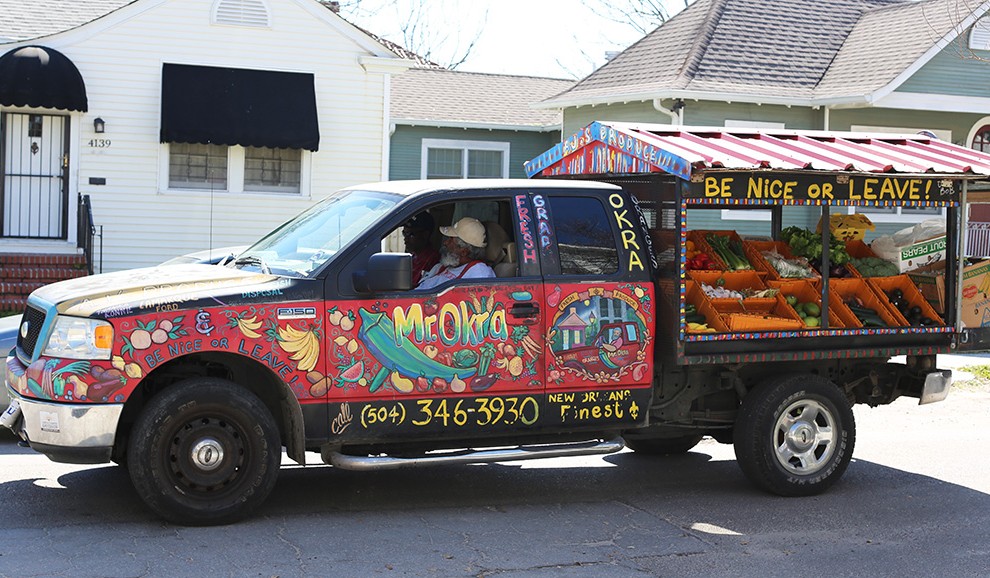

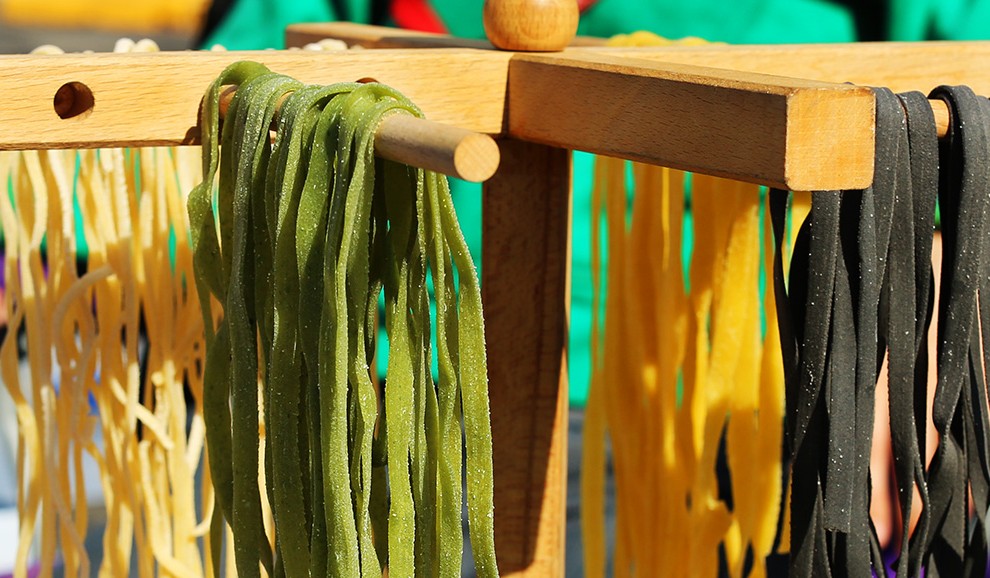
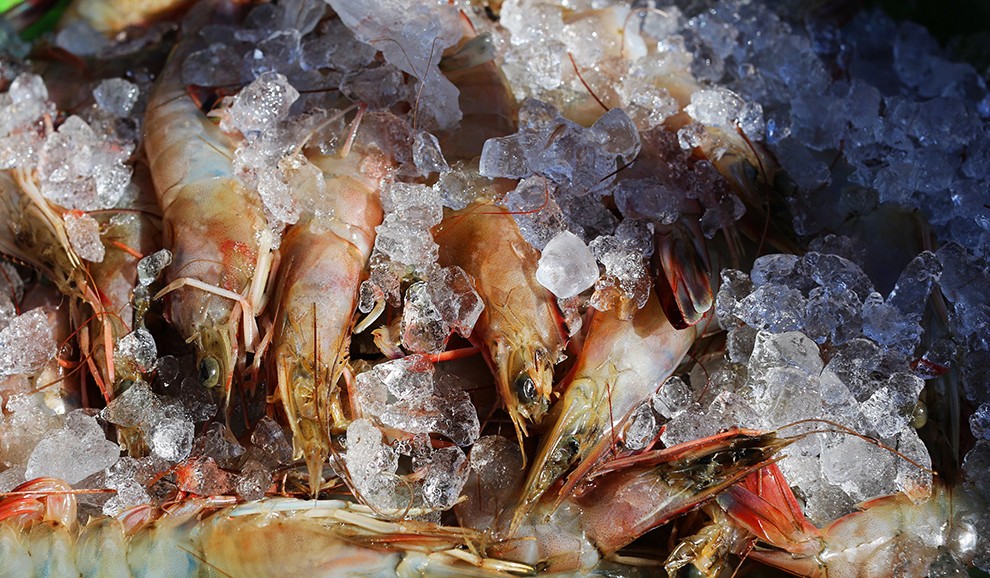
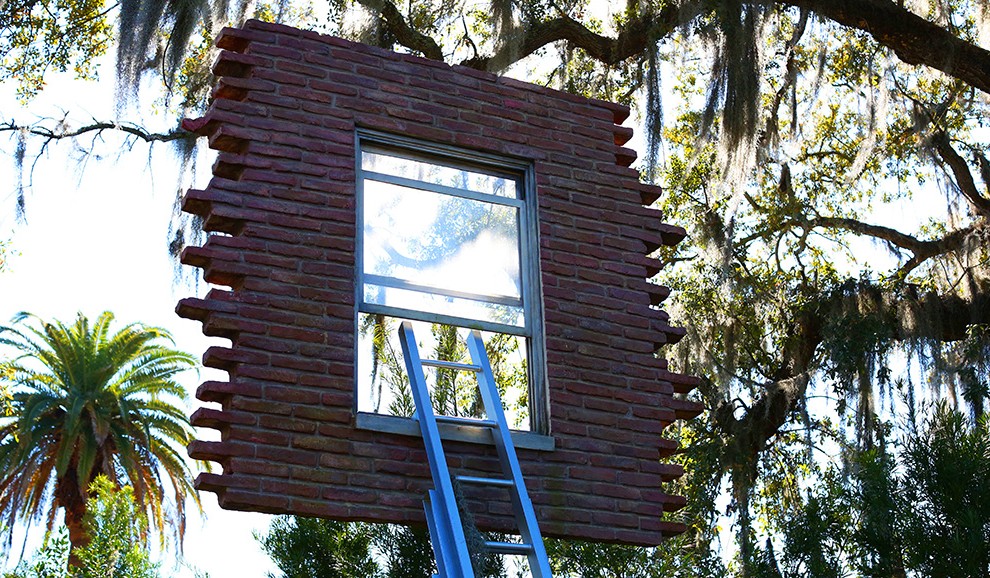
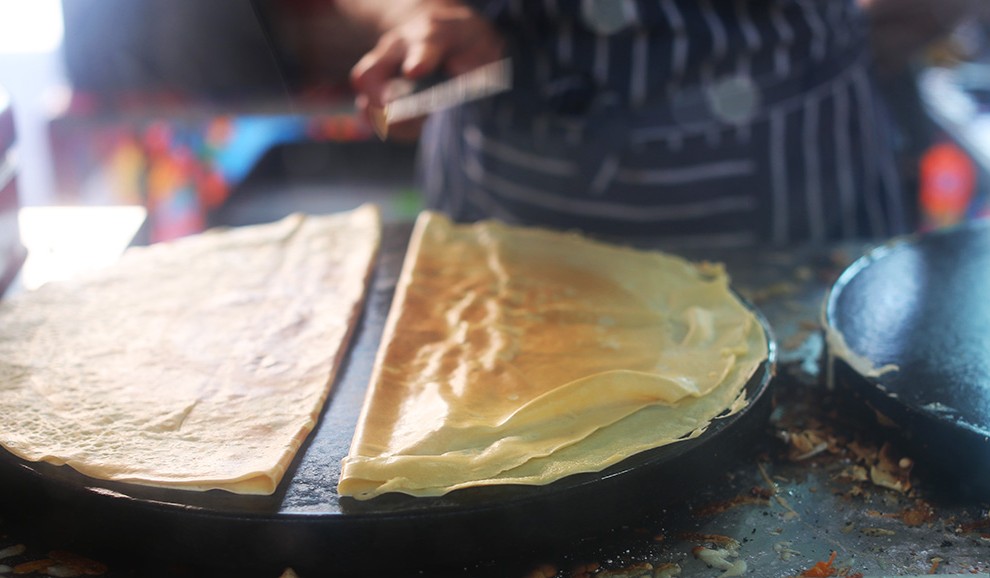
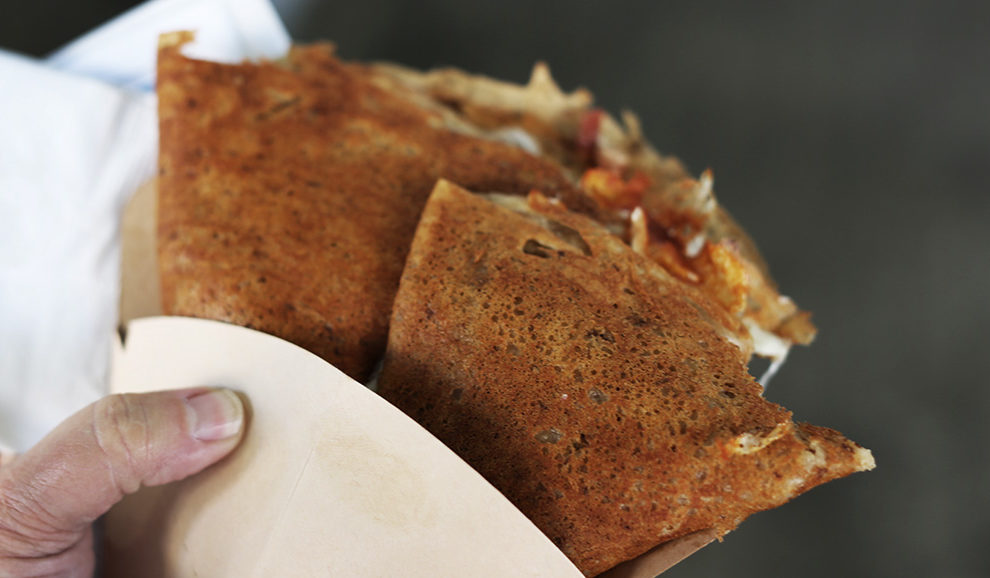
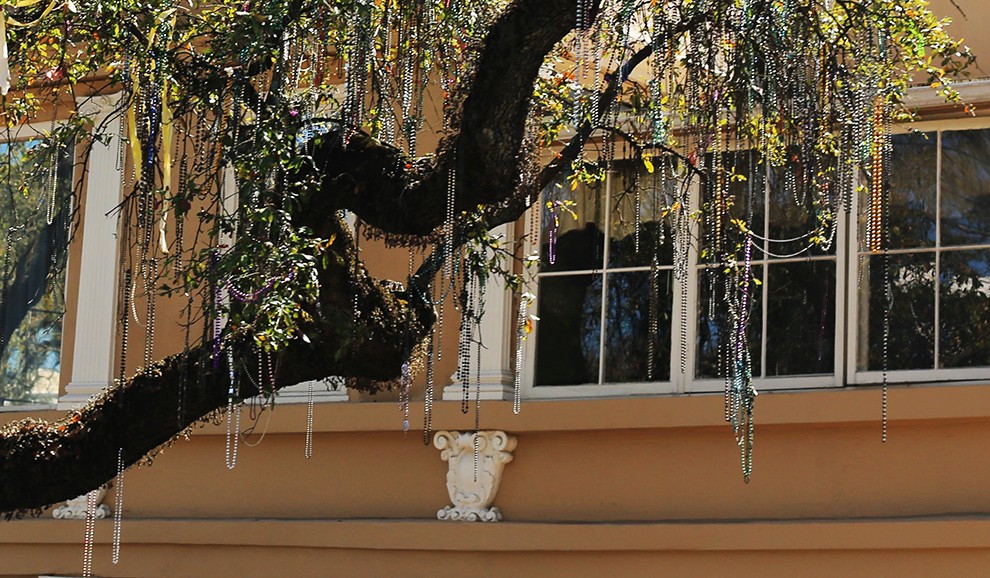
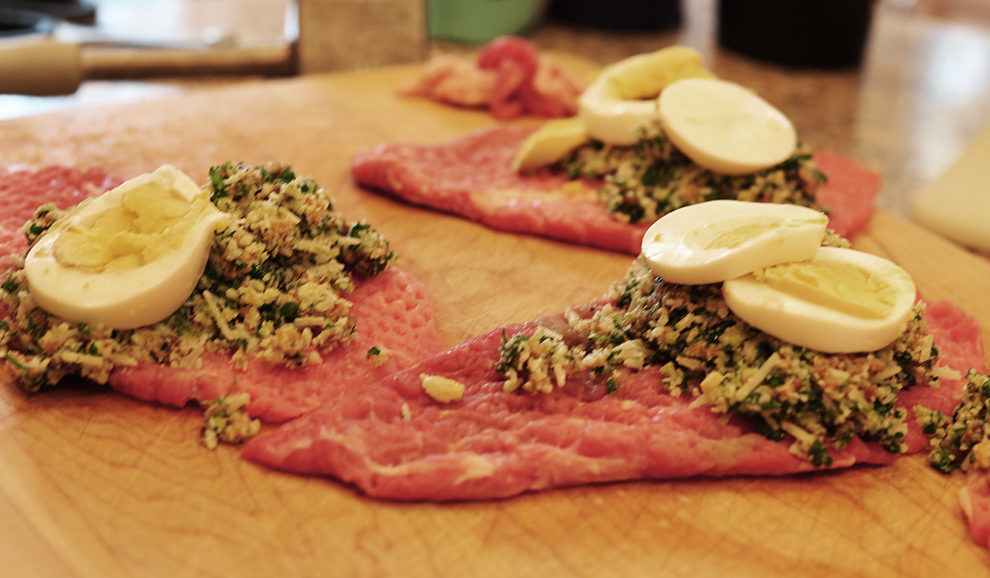
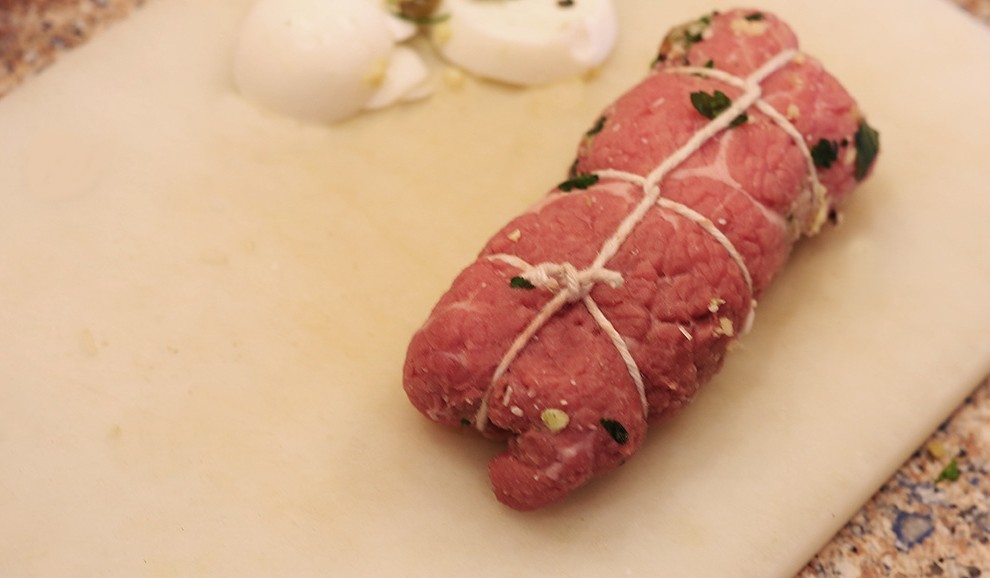
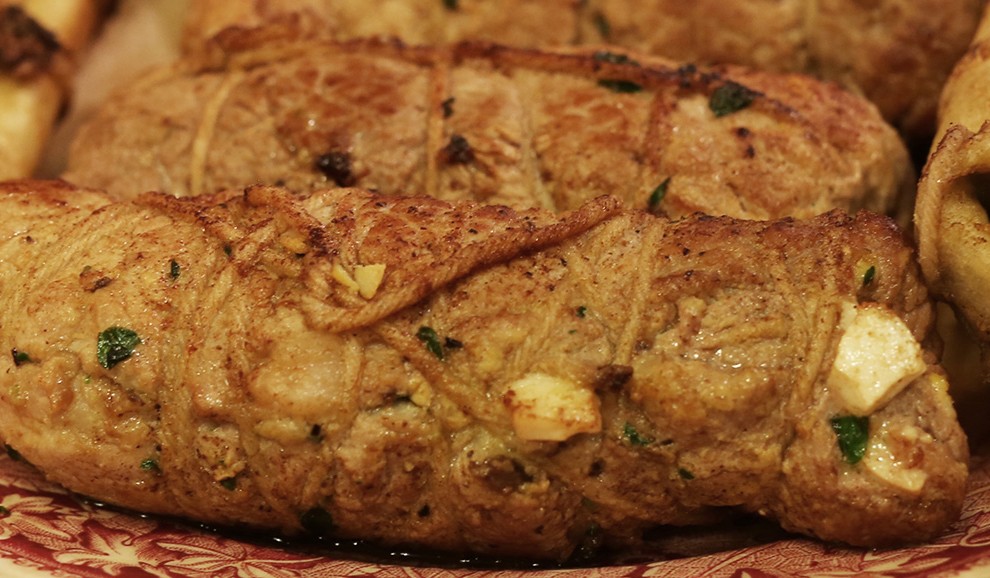
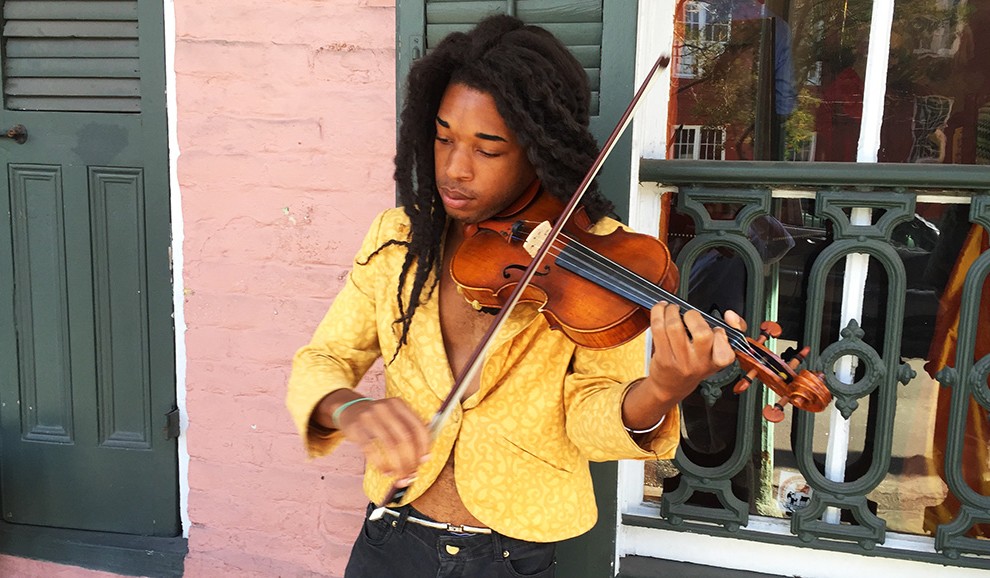
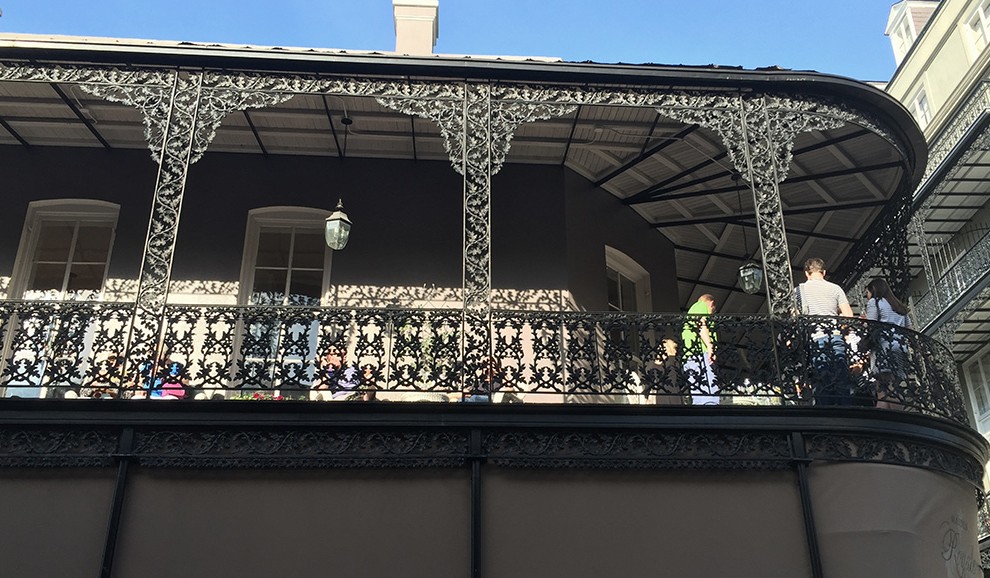
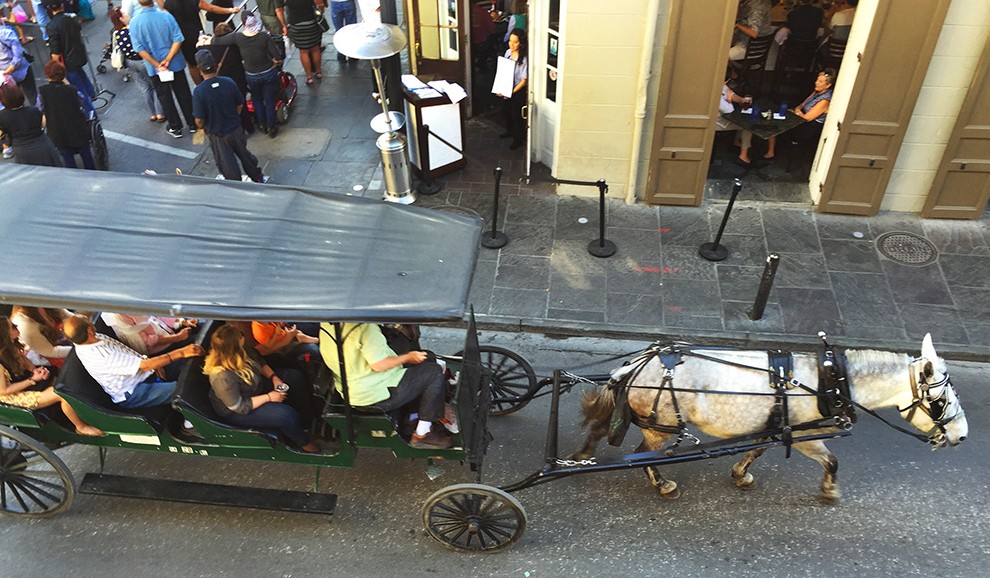
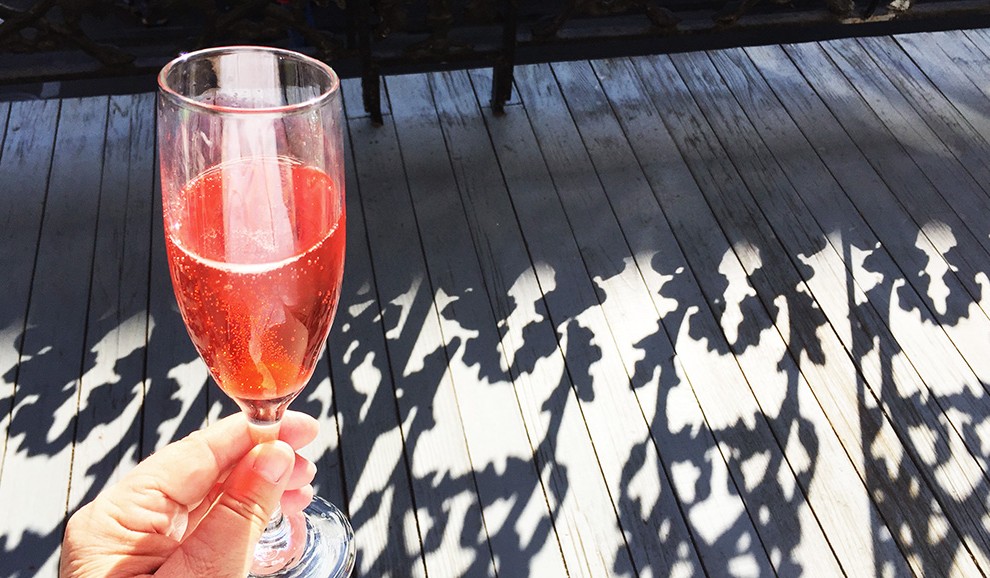
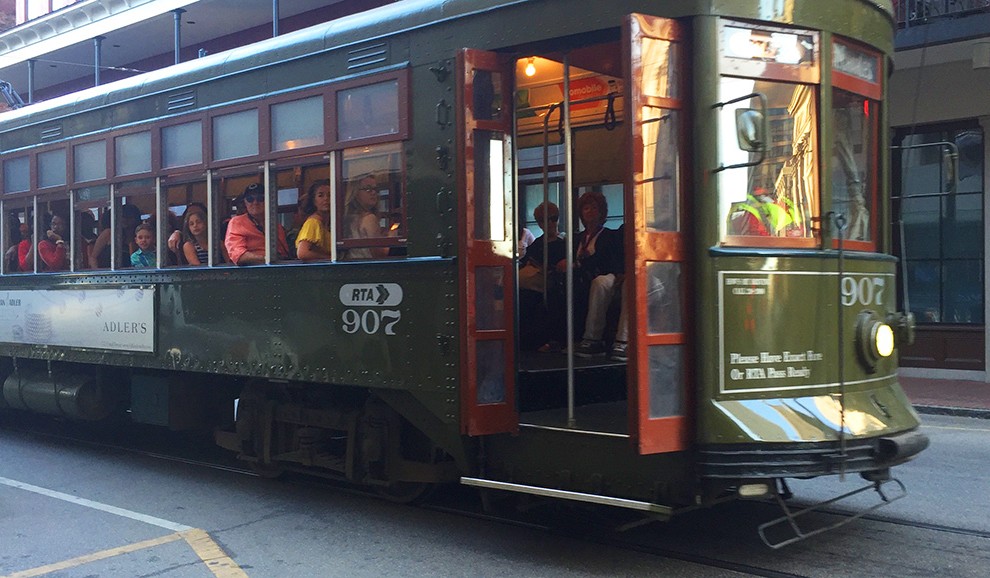
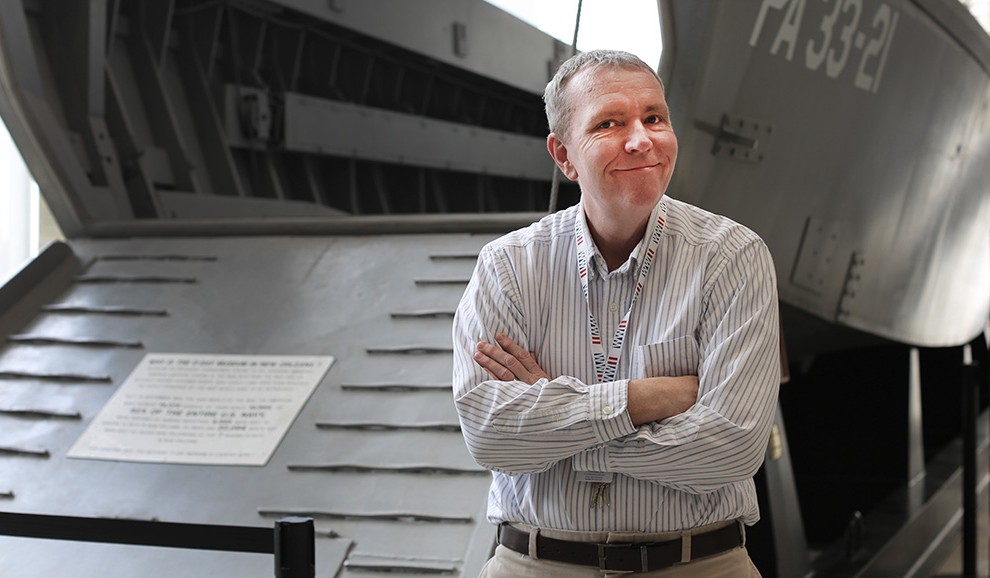
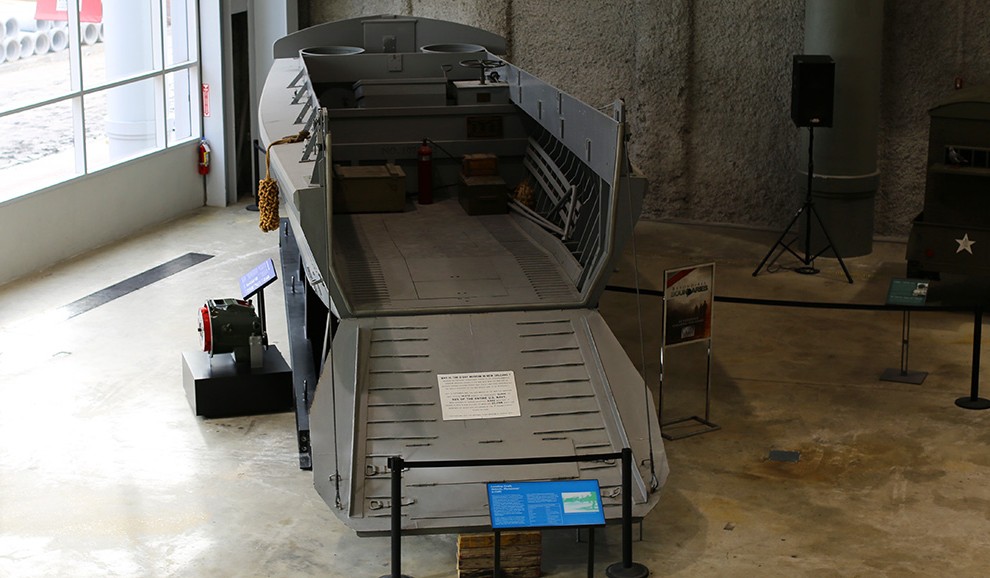
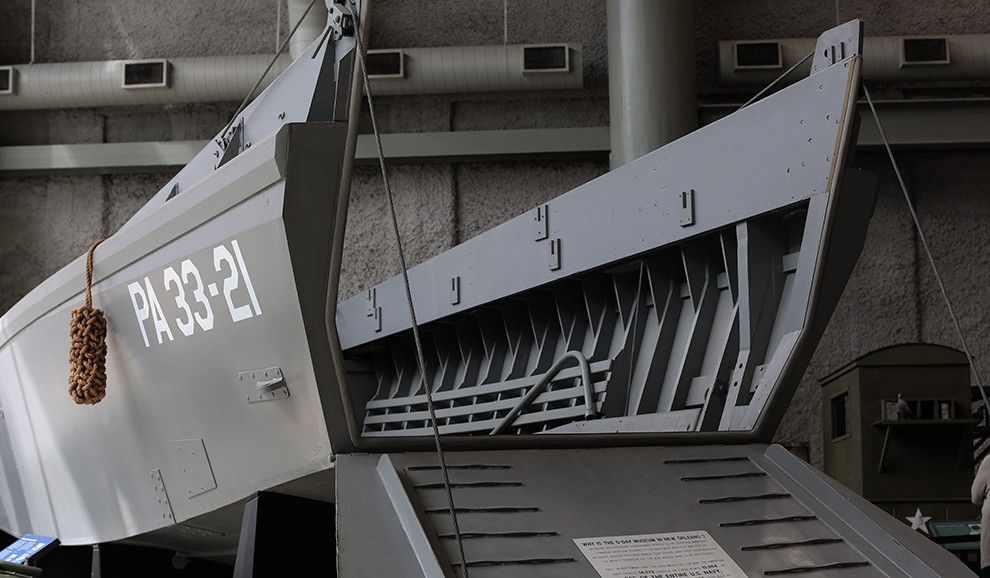
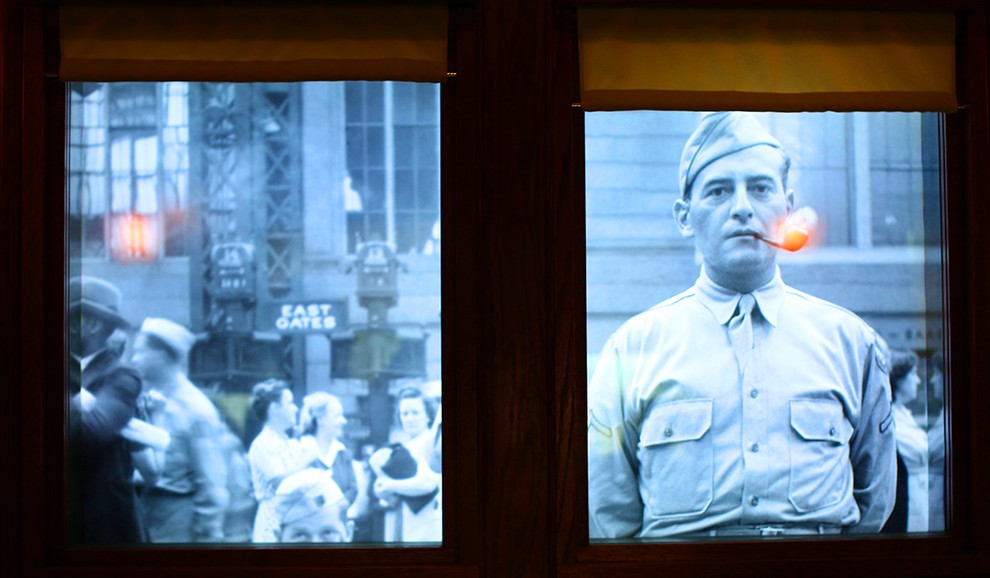
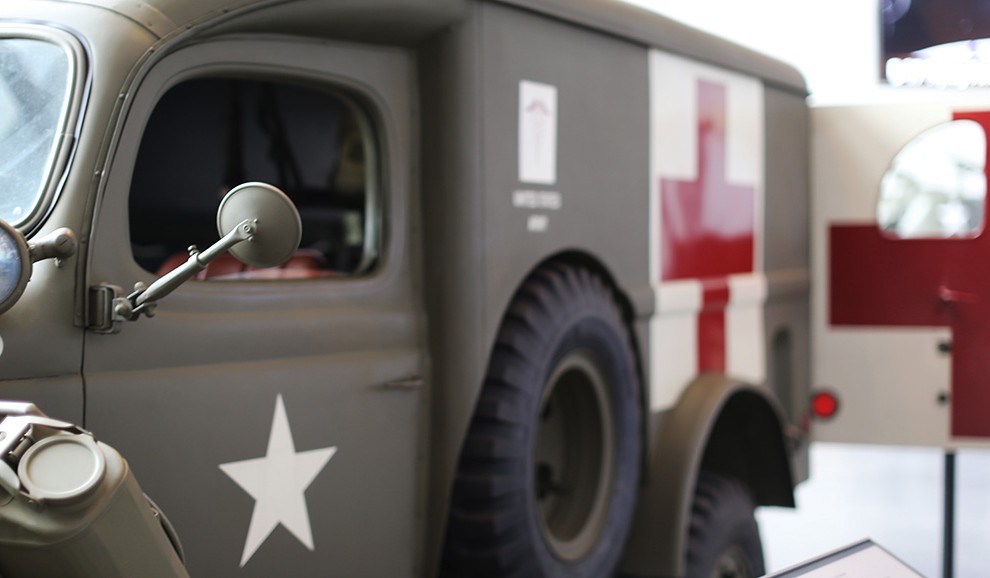
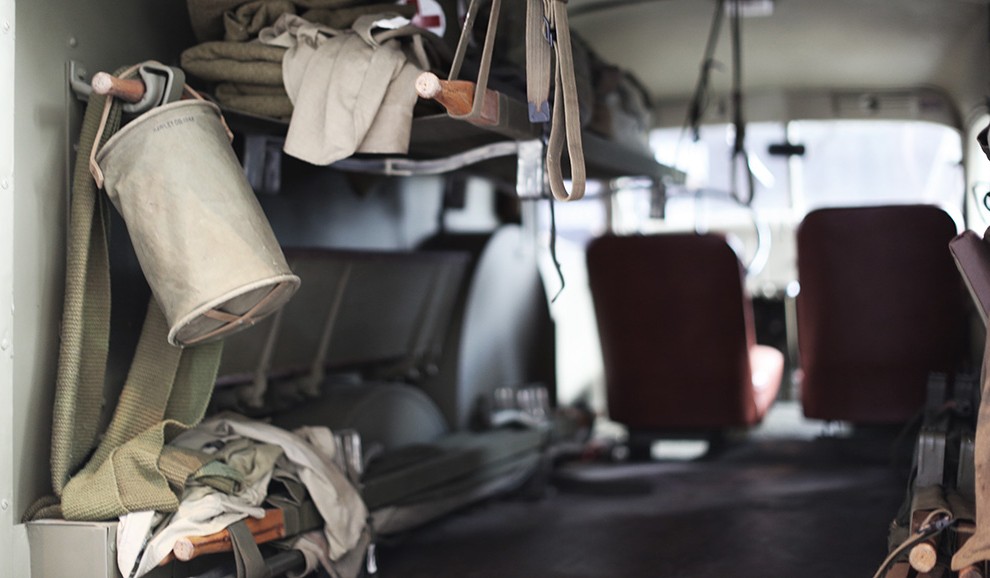

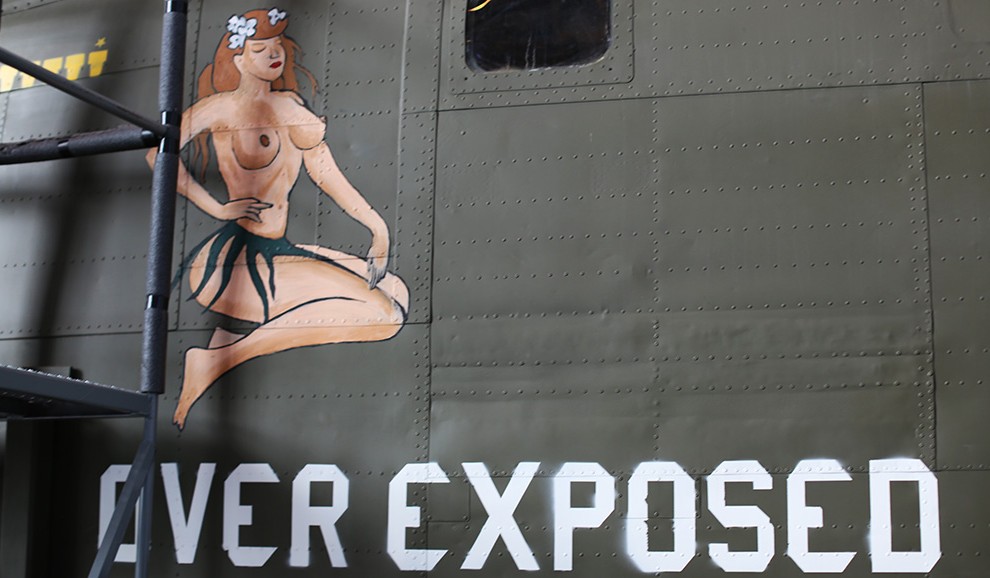
They probably should make you show your passport to get into New Orleans. It’s so wonderfully unique that it should have its own national borders: The French Quarter, the music, the food, the cocktails, the streetcars, the Gulf, the swamps, the Cajun culture, all overlaid with the bittersweet sense of the fleeting nature of life, losses, survival and renewal after Hurricane Katrina, now more than a decade ago.
Our guides here were Dave and Judy Walker, longtime friends and former colleagues at The Arizona Republic, NOLA citizens since 2000, and until recently, journalists at the Times-Picayune. Dave was the television writer, former president of the national Television Critics Association, and has written for TV Guide and other outlets. Judy covered homes and gardens, then food, and has written several cookbooks, including Cooking Up a Storm: Recipes Lost and Found from The Times-Picayune of New Orleans (with columnist Marcelle Bienvenu), a work of love envisioned after readers lost all their clipped recipes in the storm. Judy still writes her food column at NOLA.com and Dave has a new gig at the famed National World War II Museum. We hadn’t seen them for maybe 15 years, and were excited for the reunion.
Glimpse: The Whitney Plantation – Wallace, Louisiana
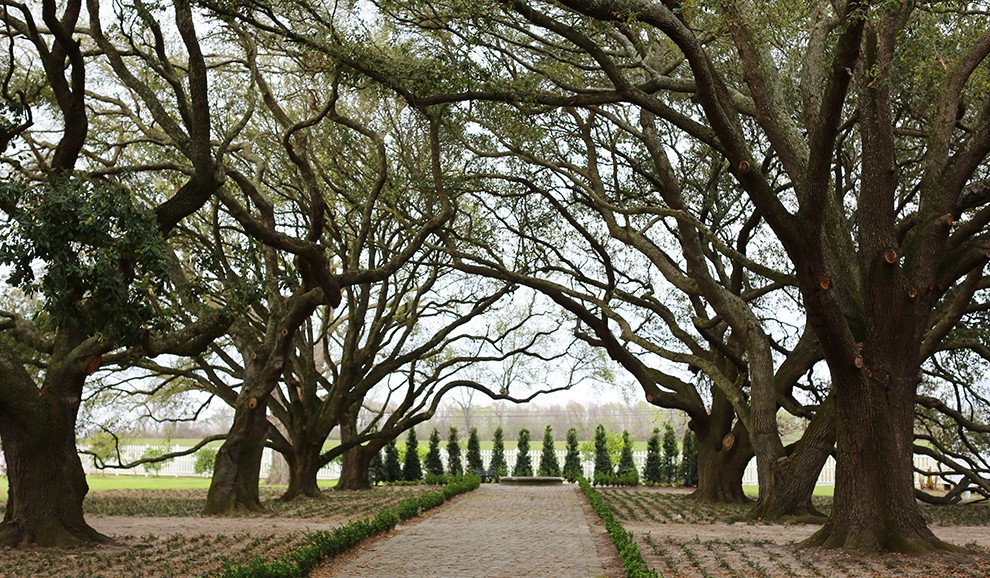 Live oaks at the plantation's main entrance, which faced the Mississippi River.
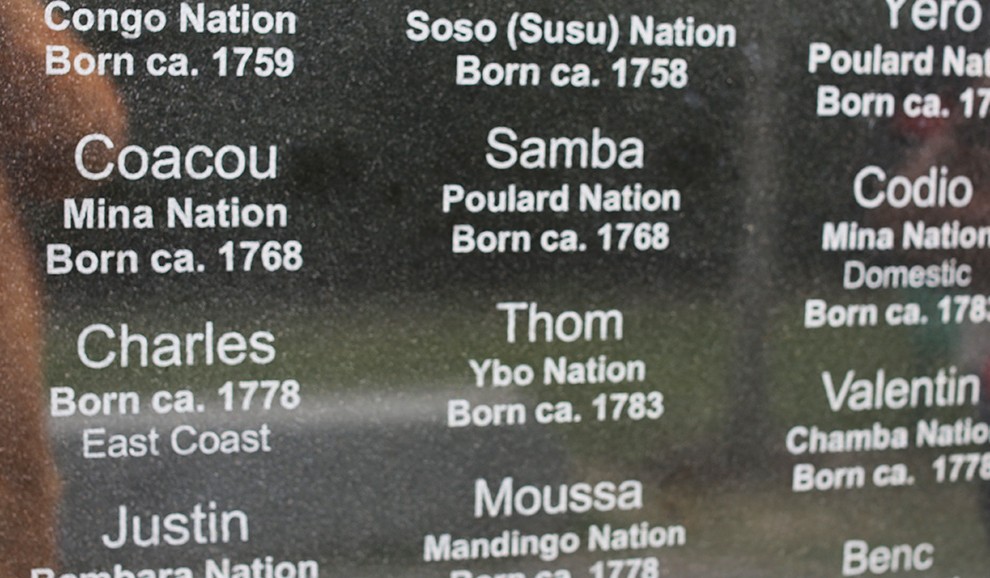
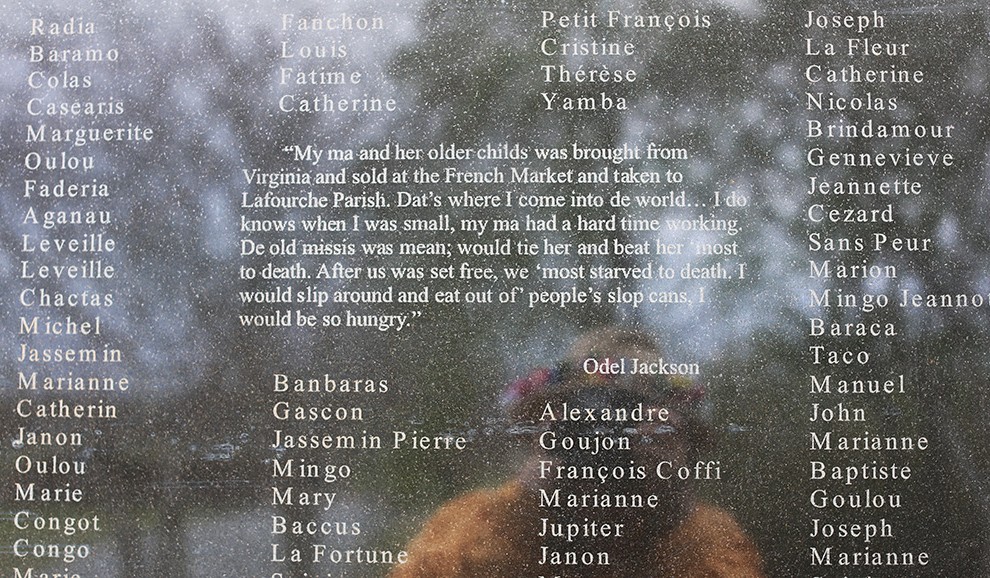
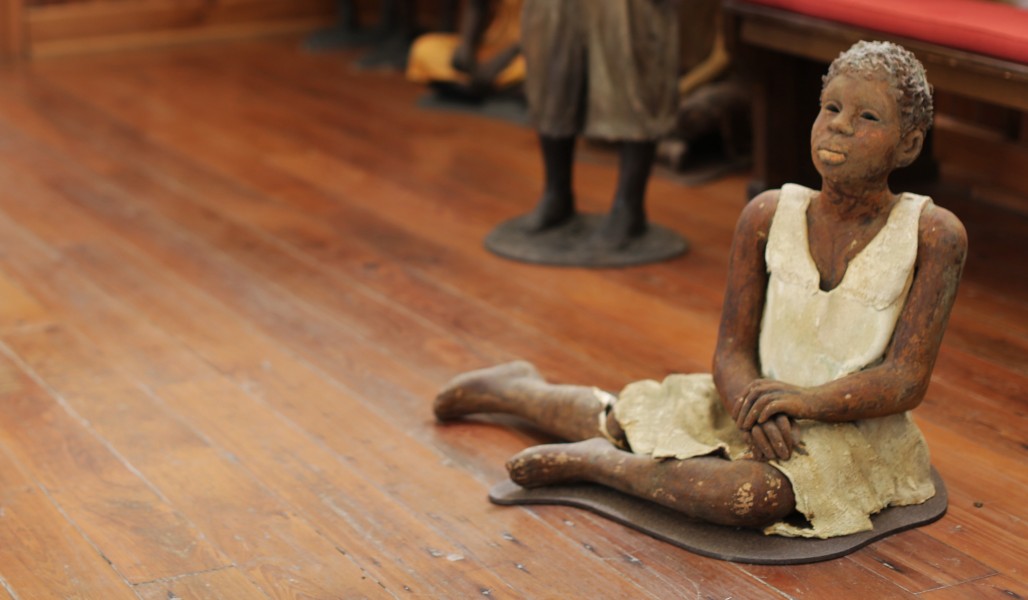
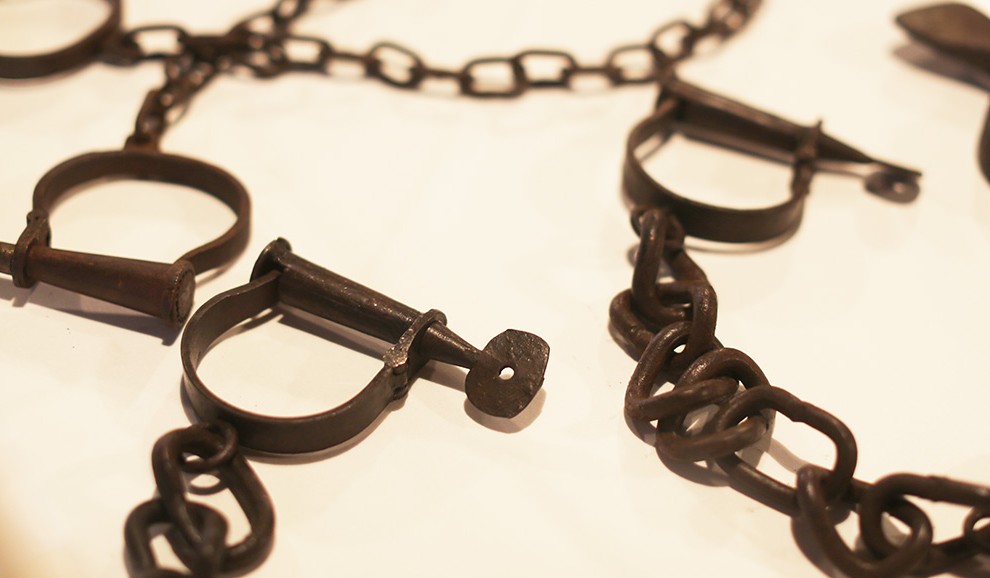

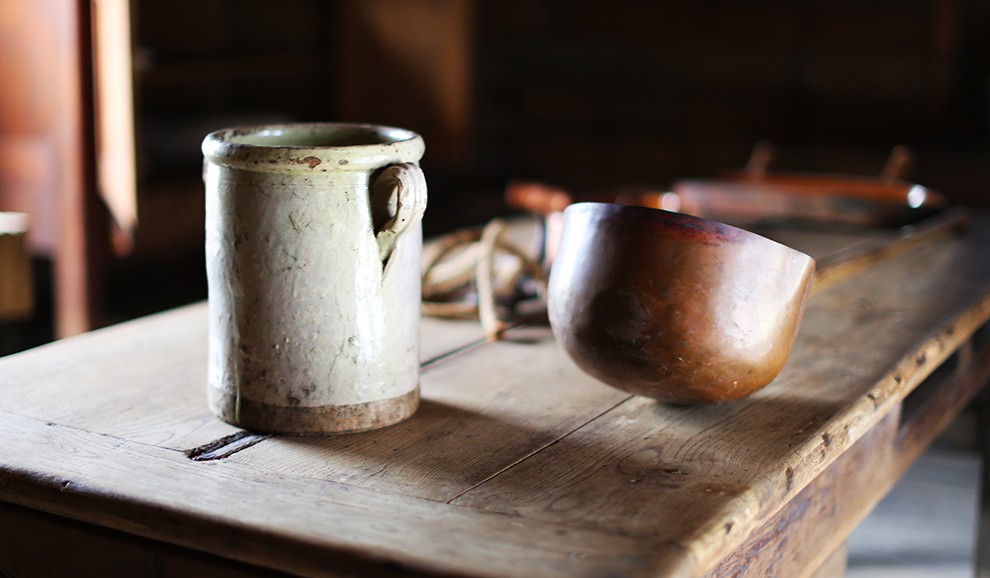
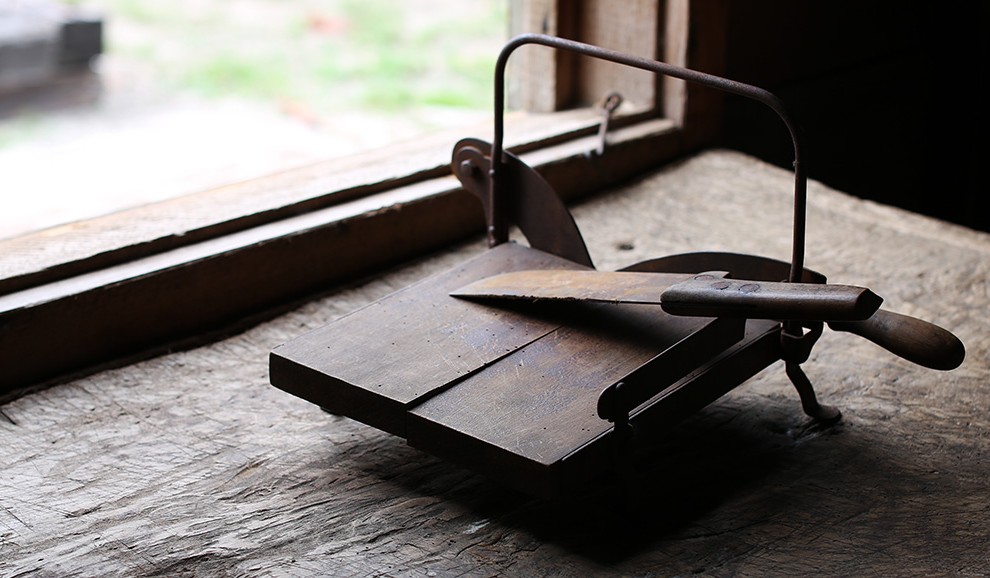
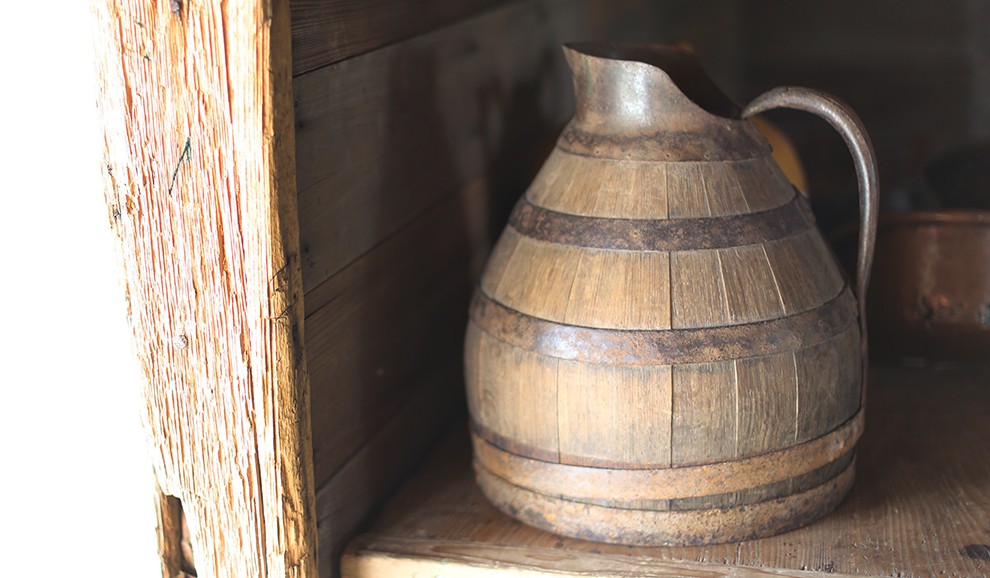
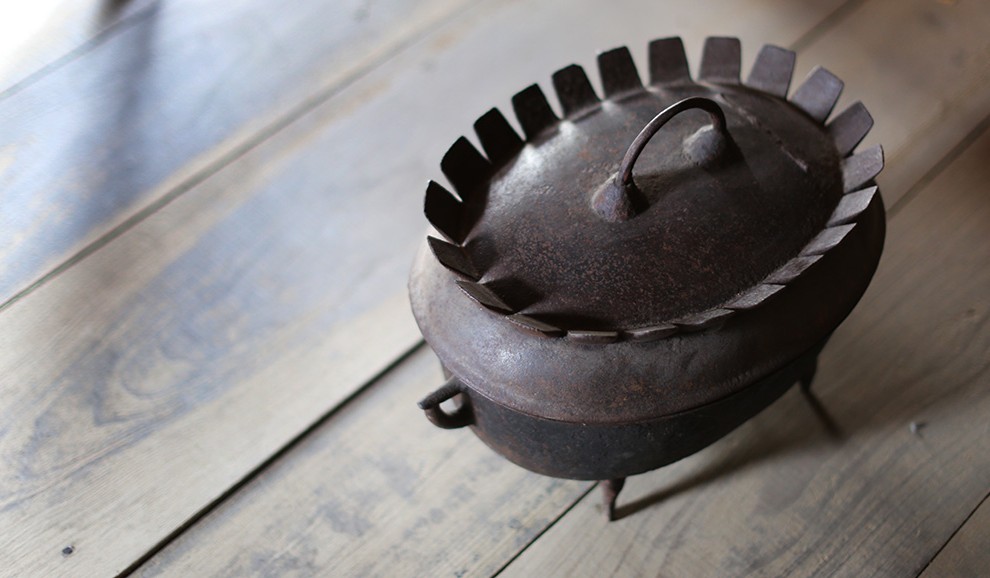
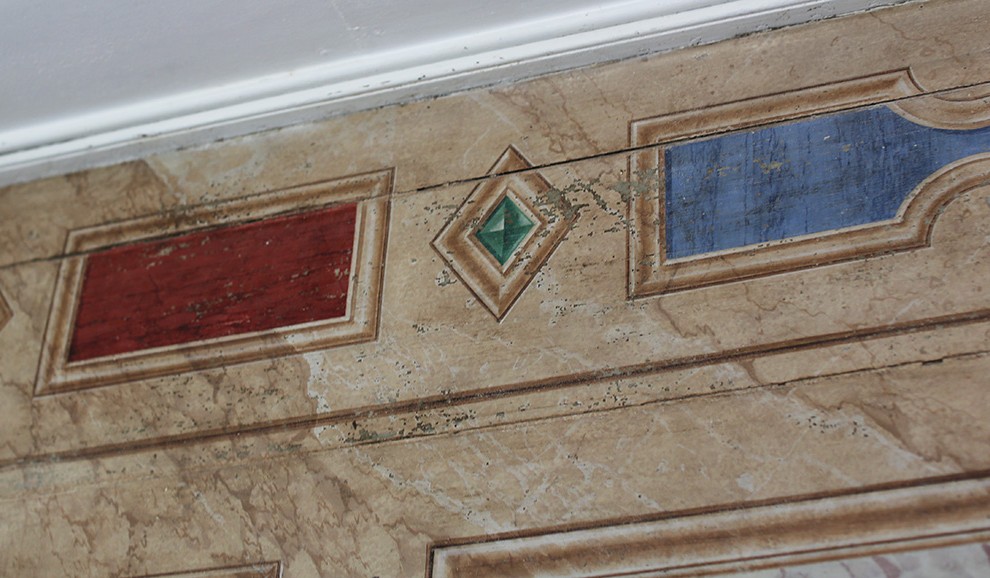
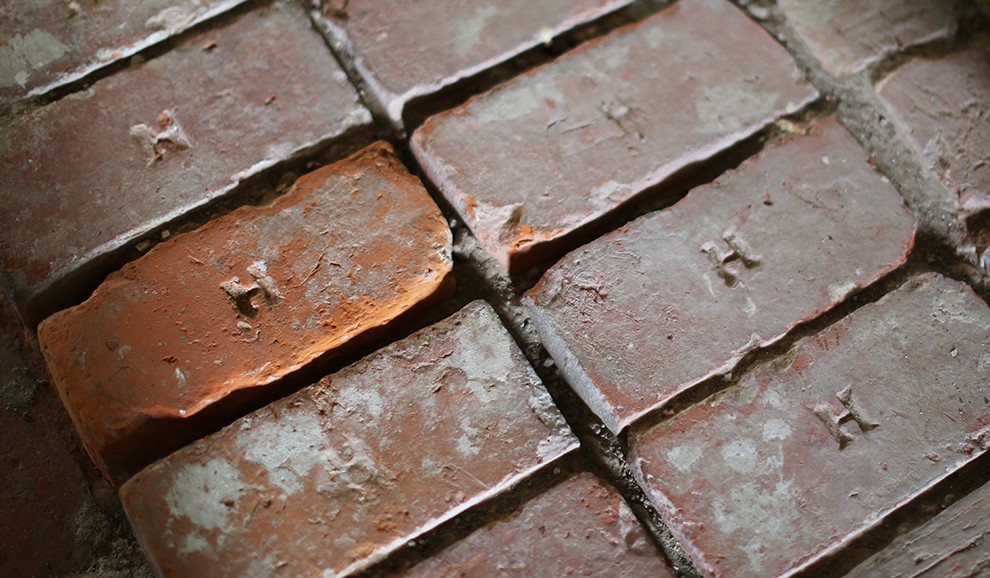
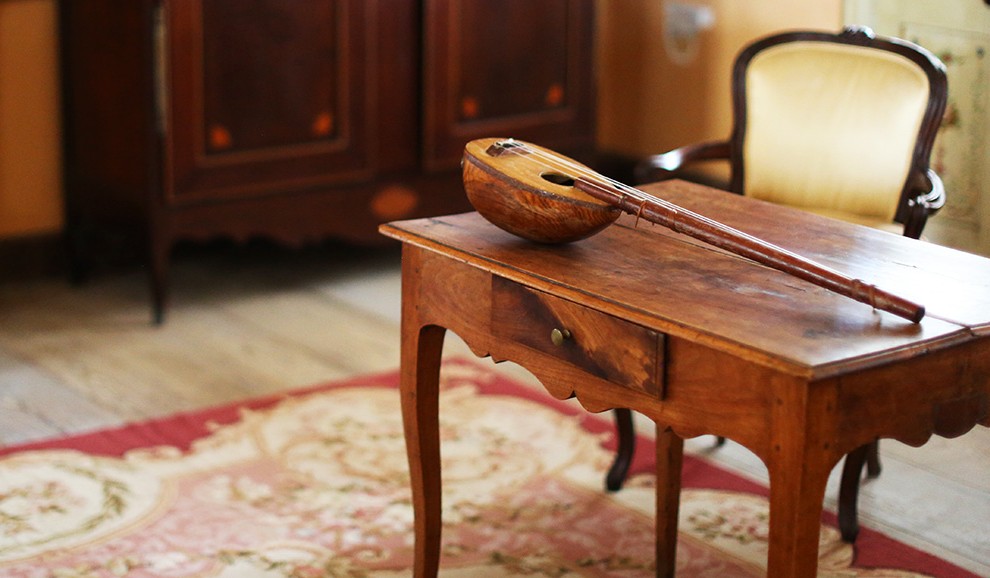
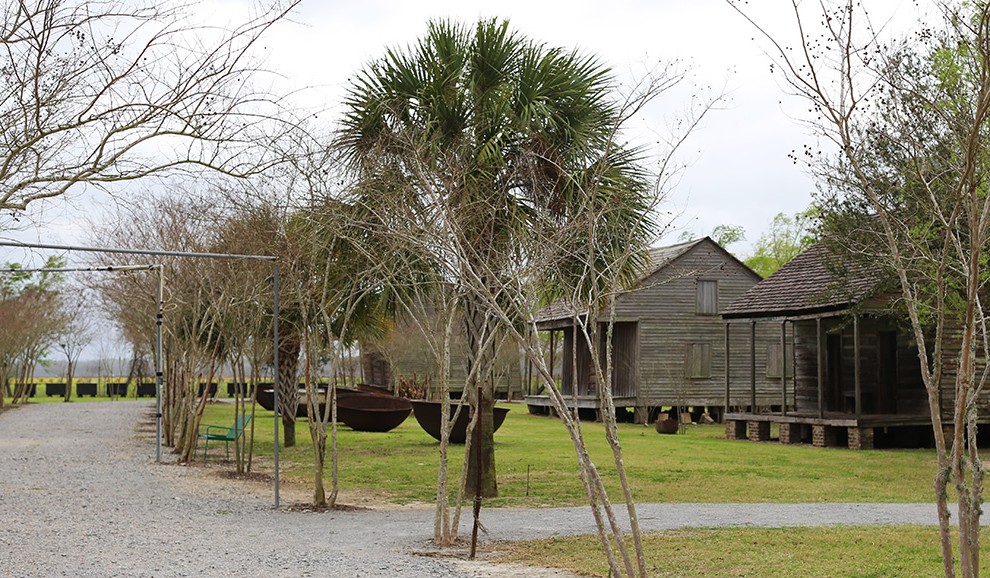
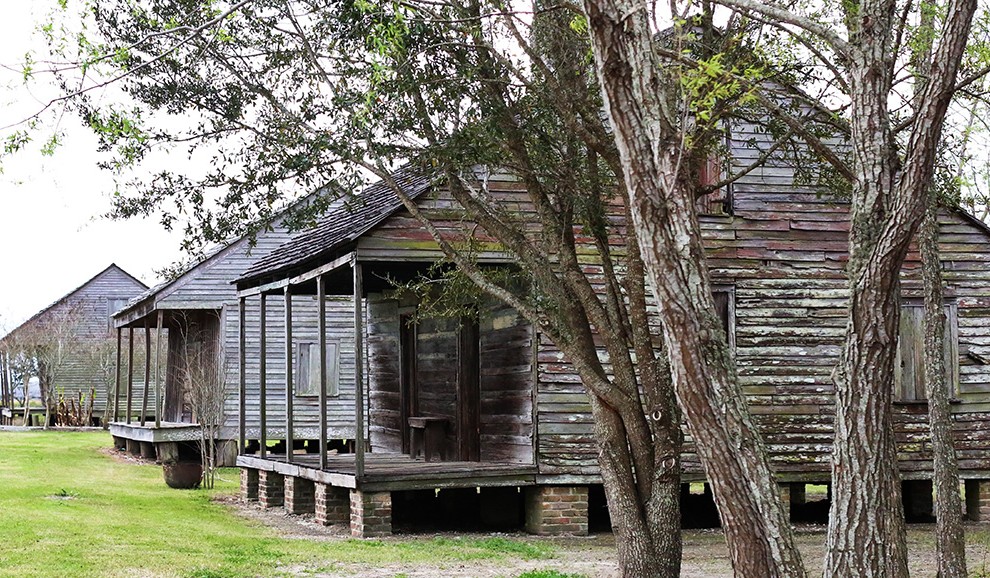
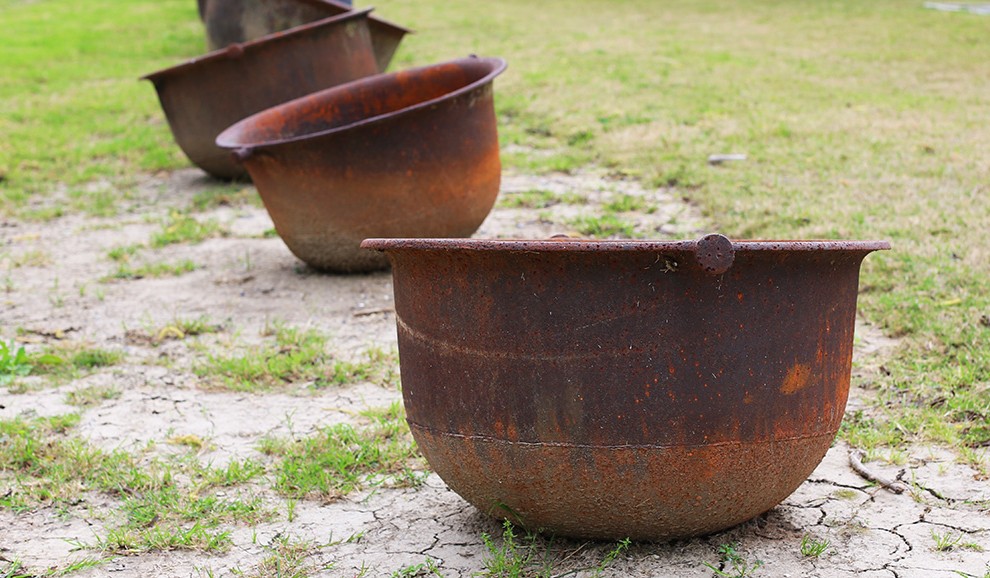
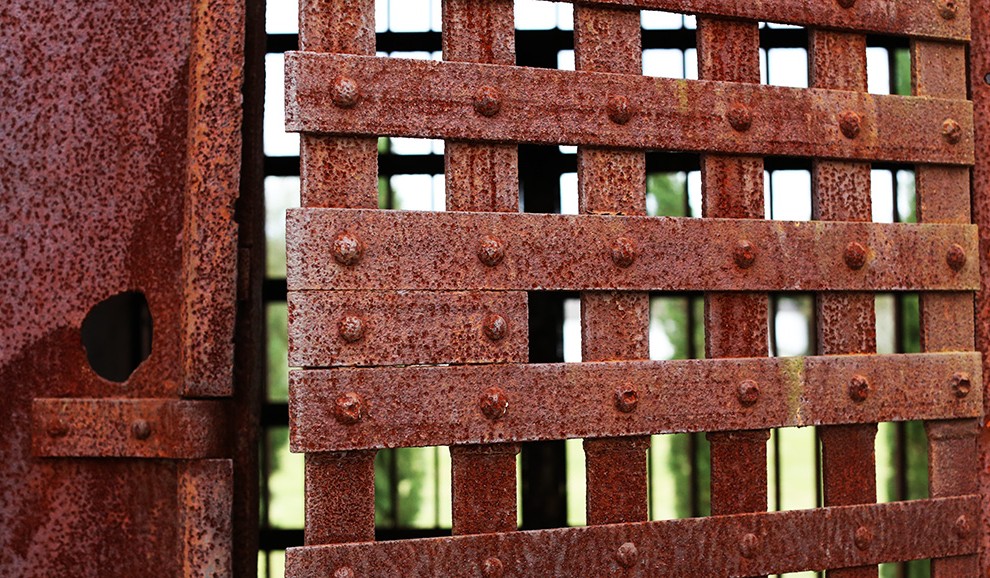
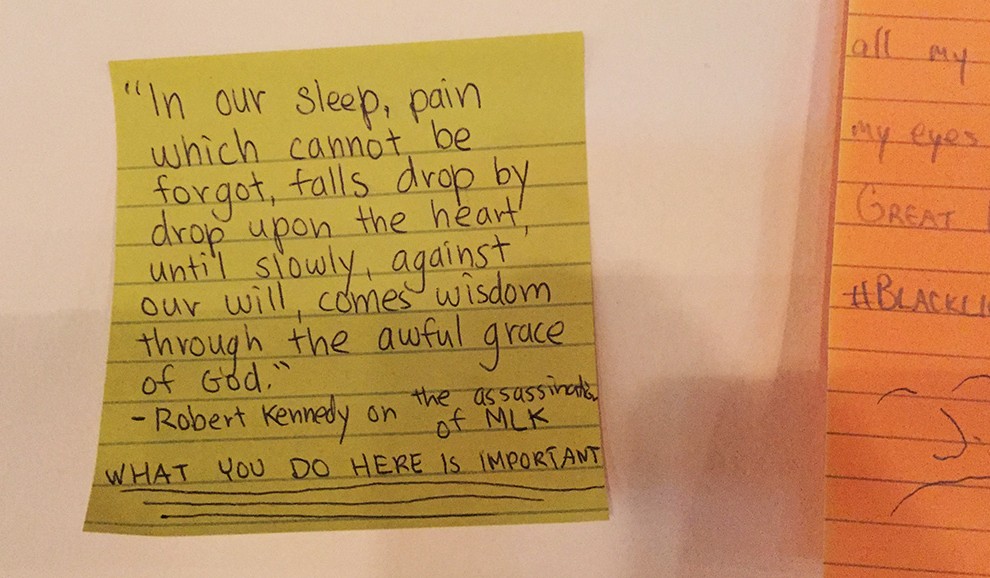
Across the south, there are numerous restored plantations preserving and celebrating the opulent history of excess and privilege of the white owners. The Whitney Plantation is the only one that tells the story from the viewpoint of the enslaved people who worked there. The plantation, which cultivated and processed sugar, is less than an hour from New Orleans on historic River Road in Wallace, Louisiana. Its French Creole raised-style main house built in 1803 is described as one of the finest surviving examples in Louisiana. Many of the original slaves on the plantation came from the Senegambia region of West Africa and are honored on memorial walls. Our guide showed us the slave quarters and described the work of a sugar plantation, a dangerous operation that used sharp machetes to chop the cane and huge pots to boil it down to crystals. Slaves who were cut or burned, which happened frequently, usually would develop infections and die. She described the “punishments” they received for different infractions – whippings, beatings, brandings – which also often caused infection and death. The guide also discussed the shift when the African slave trade was outlawed and owners forced enslaved women to have as many children as possible to replace lost slaves. The plantation, on the National Register of Historic Places, was used for several scenes in the 2012 Quentin Tarantino film Django Unchained. The gift shop has books of slave history and interviews conducted by the Federal Writers Project, a division of the Works Progress Administration, in 1937-40. On a wall, visitors share their reaction to the plantation with sticky notes, including one that recalls a poem by Aeschylus that Robert Kennedy used in his speech announcing the assassination of Martin Luther King:
Even in our sleep, pain which cannot forget
falls drop by drop upon the heart,
until, in our own despair,
against our will,
comes wisdom
through the awful grace of God.
The visitor concludes: WHAT YOU DO HERE IS IMPORTANT, underlining it three times.
Glimpse: Bishop’s Palace, opulence, tragedy
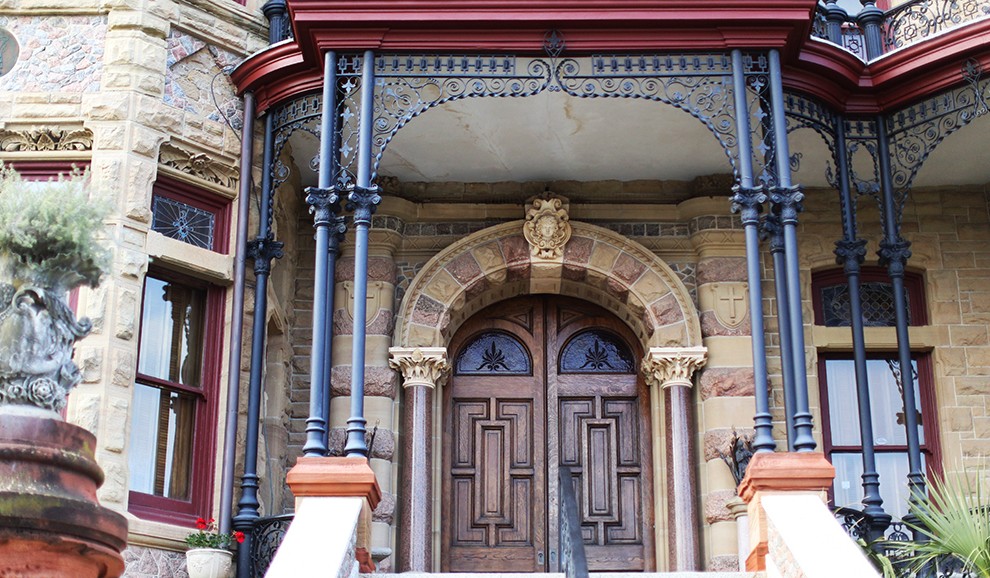 The front door of the Bishop's Palace in Galveston, Texas.
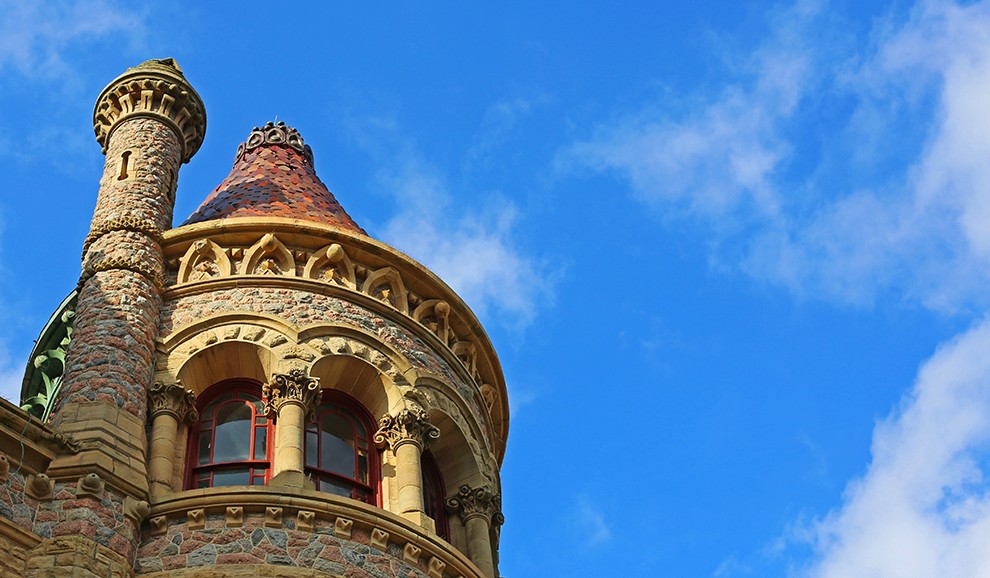
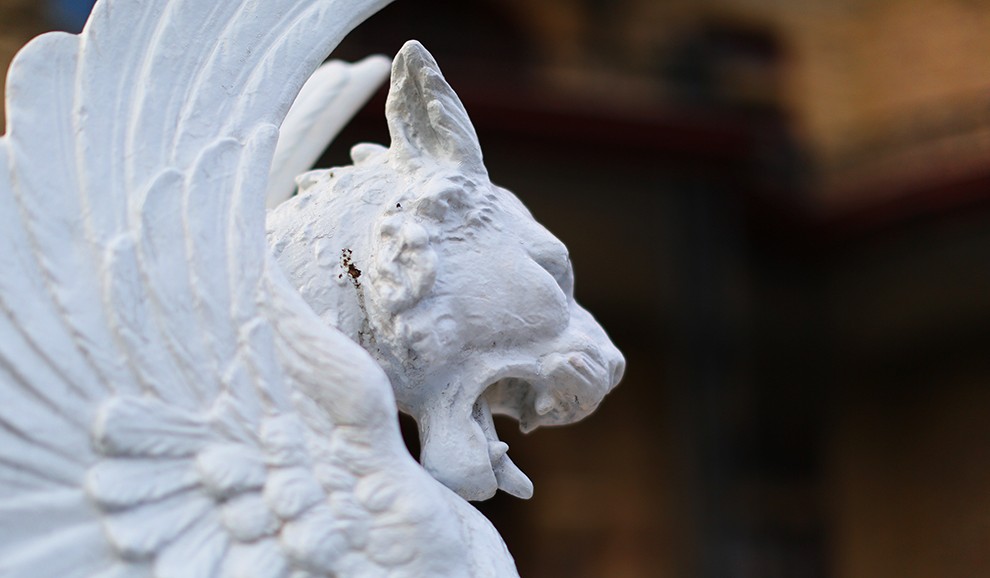
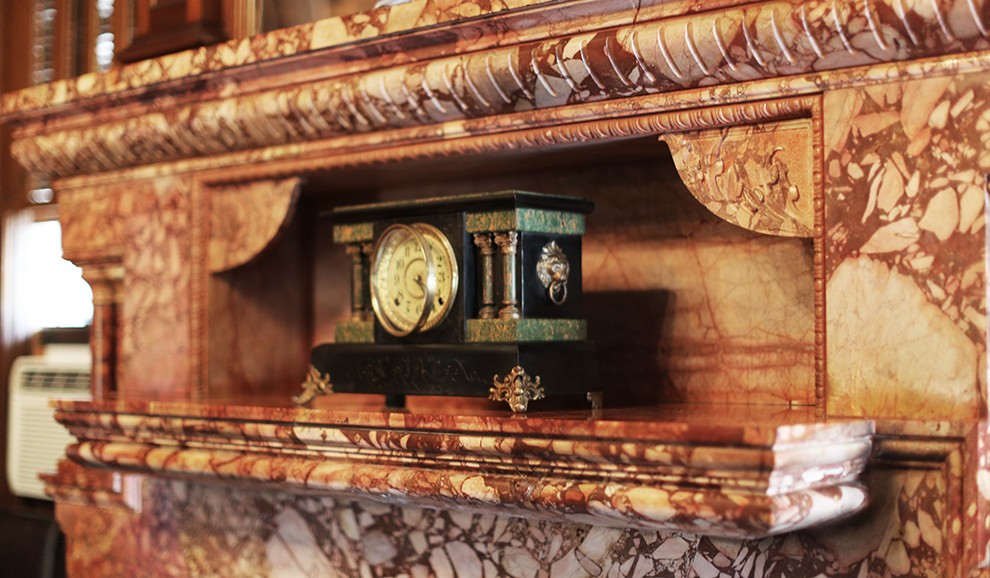
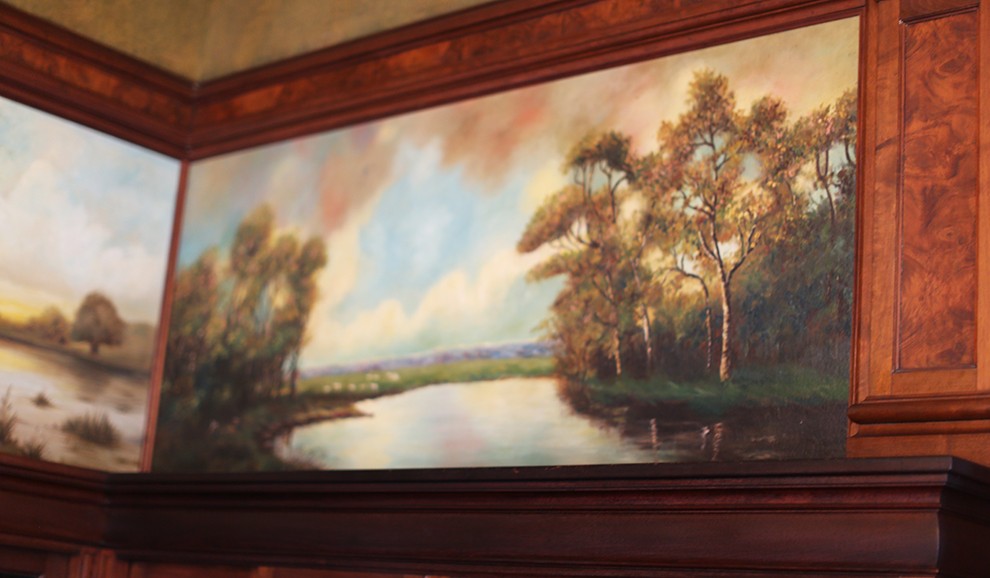
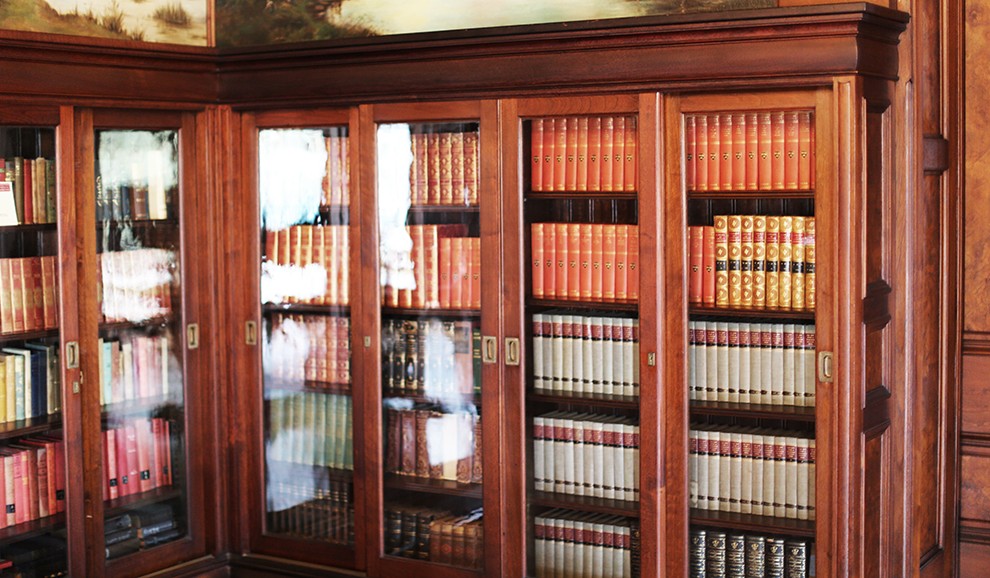
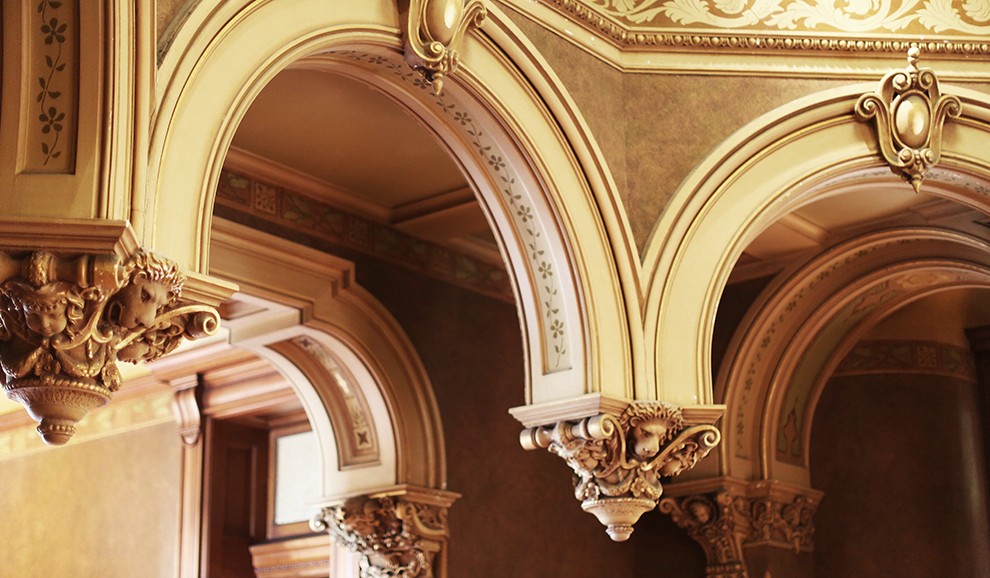
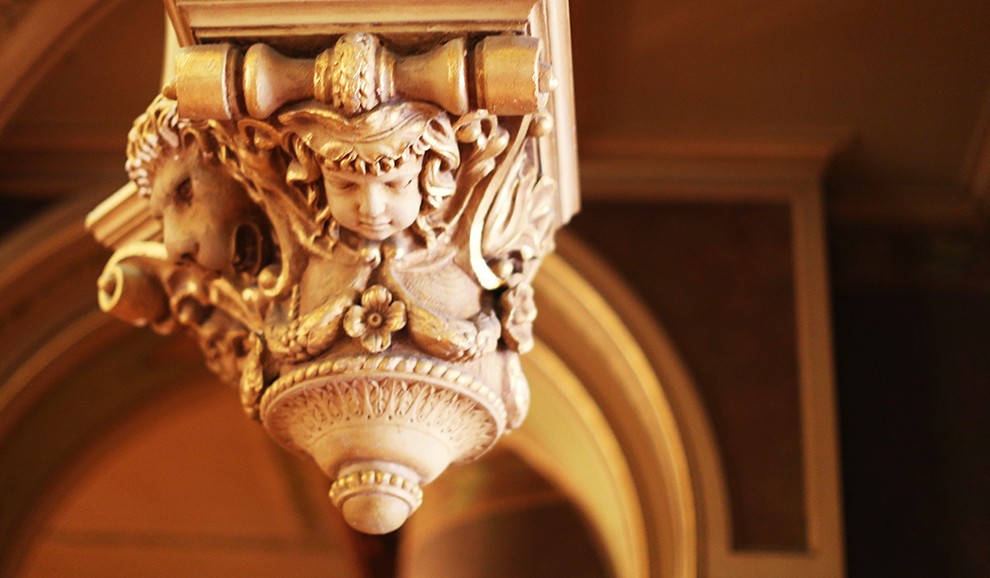
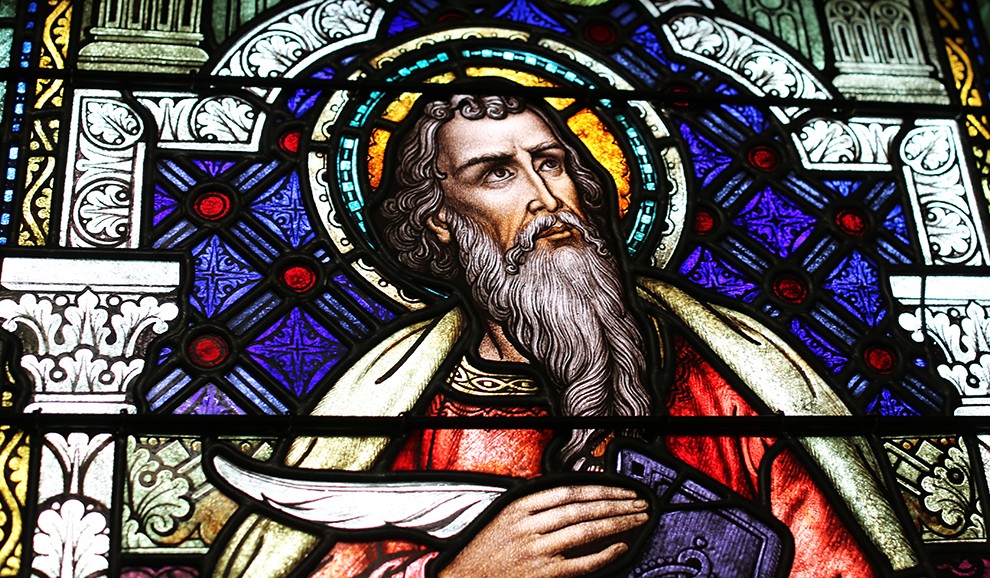
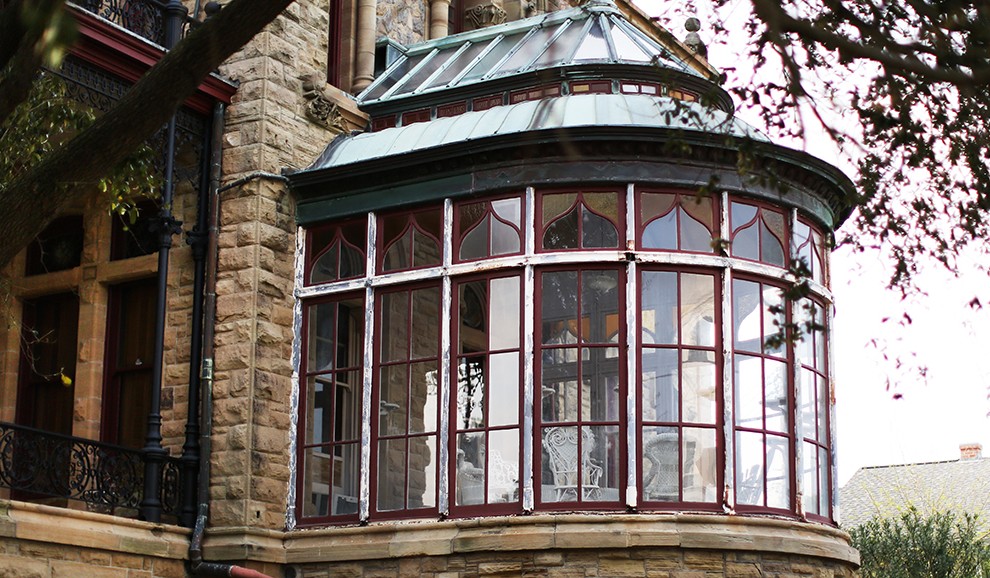
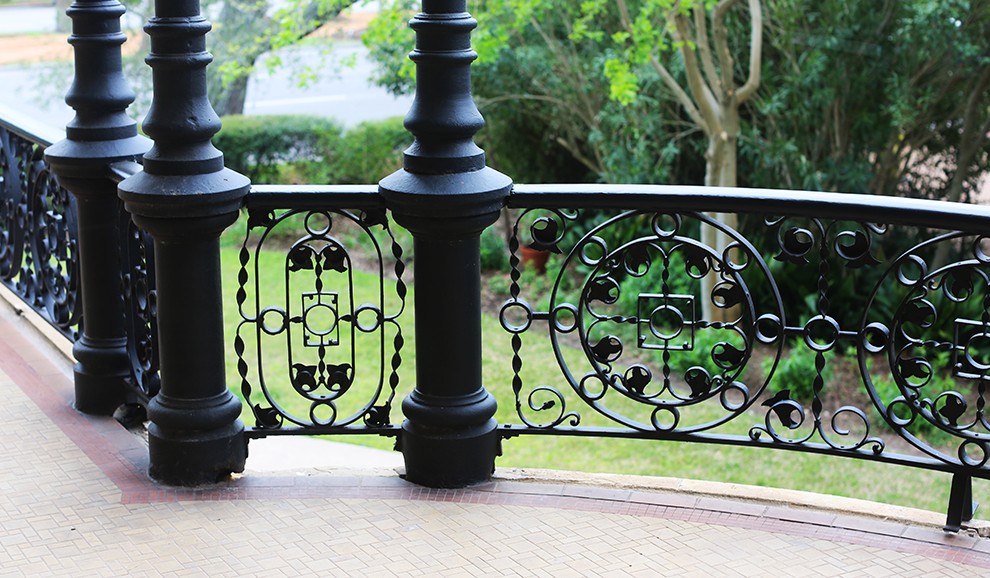
Walking into the entryway of the Bishop’s Palace in Galveston, Texas, you can imagine the rustling silks and genteel voices of high society who gathered here in the late-1800s and early 1900s. The home, also known as Gresham’s Castle, for its first owner, is listed in the National Register of Historic Places, and considered one of the most significant Victorian houses in the country.
We took the excellent self-guided audio tour, which gives details of the construction, as well as bits of family detail.
The home was finished in 1892, built for Colonel Walter Gresham, an attorney, Civil War veteran and founder of the Gulf, Colorado and Santa Fe Railroad, his wife, Josephine, and their nine children. Gresham also served in the Texas Legislature. In 1923, the house was sold to the Roman Catholic Diocese of Galveston and was the residence of Bishop Christopher E. Byrne.
Designed by architect Nicholas Clayton, the exterior of the three-story home is sculpted granite, limestone, and sandstone with elements of French Gothic, Romanesque, Tudor, and Classical architecture and a Mansard roof, with turrets and gargoyles. Its cost at the time is estimated at $250,000. In today’s dollars, it’s about $5.5 million.
Two Sienna marble columns flank the entrance hall, which opens to a 40-foot octagonal mahogany staircase, with stained glass on five sides. Fourteen-foot ceilings grace the first floor, which houses the parlor, music room, library, dining room, conservatory, pantry and kitchen.
The second floor houses a living room, bedrooms, and a chapel, created out of one of the Gresham daughter’s bedrooms. It has stained glass windows depicting the four apostles, St. Peter and St. Paul, which were hand-painted in Germany with a single-bristle brush to create the finest detail.
Mrs. Gresham’s art studio and the boys’ bedrooms are on the third floor. Windows and doors throughout the house are designed to open and bring in the Gulf breezes during the warm summers.
Made of steel and stone, it survived the Great Storm of 1900, which killed 8,000 people and destroyed much of Galveston. Mrs. Gresham rode out the storm in the house, helped drag survivors out of the raging waters outside her door, and sheltered hundreds of her neighbors. Afterward, her servants said she was “totally wrecked,” and retreated to New York to recuperate.
Laundry, a lost chihuahua and a doppelganger in Del Rio, Texas
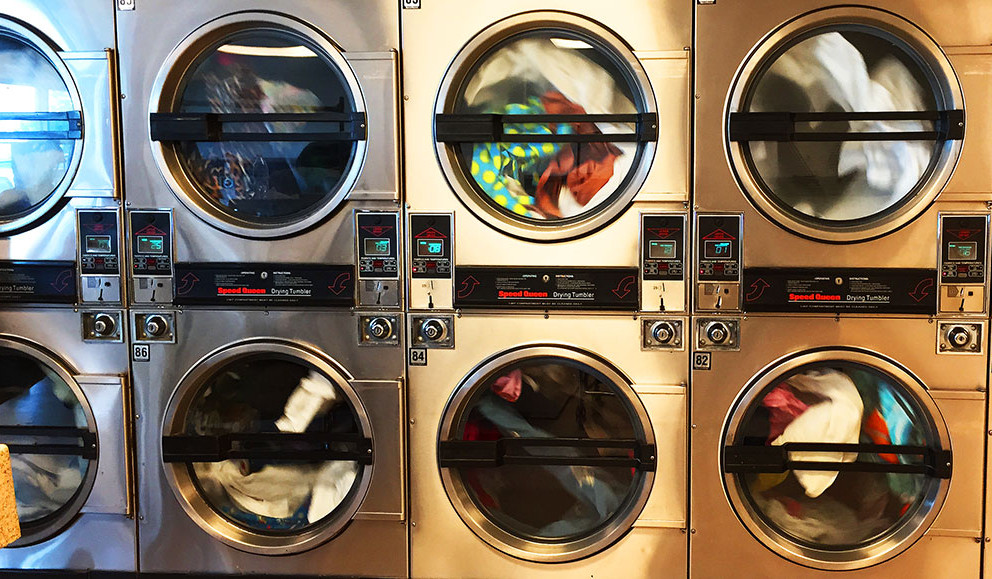
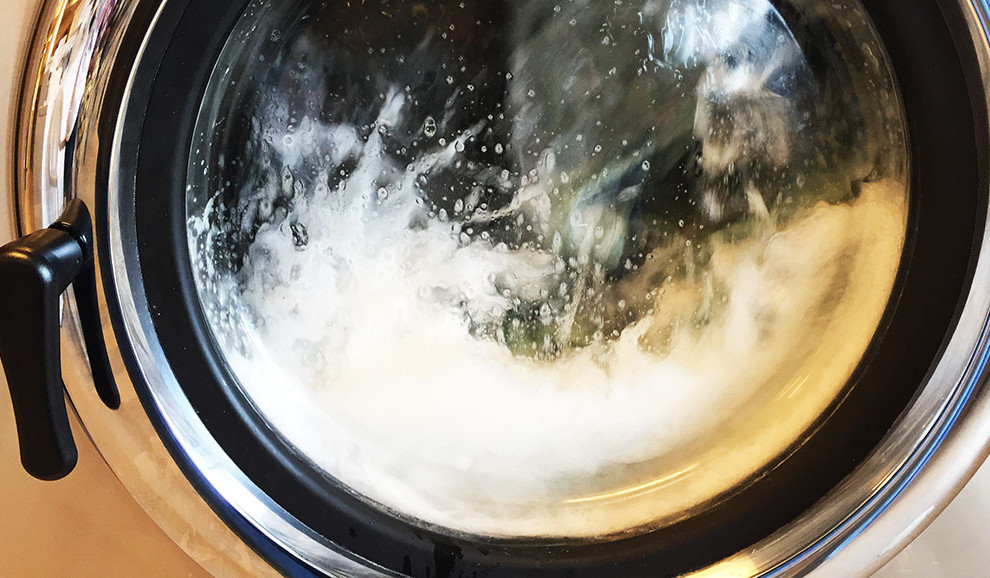
The laundromat in Del Rio, Texas, was the lone business in a shuttered shopping strip, miles from downtown. The good news: It was open until 11 p.m. Little did I know I would meet my doppelganger there.
Guided tours at national parks are a rocking good time
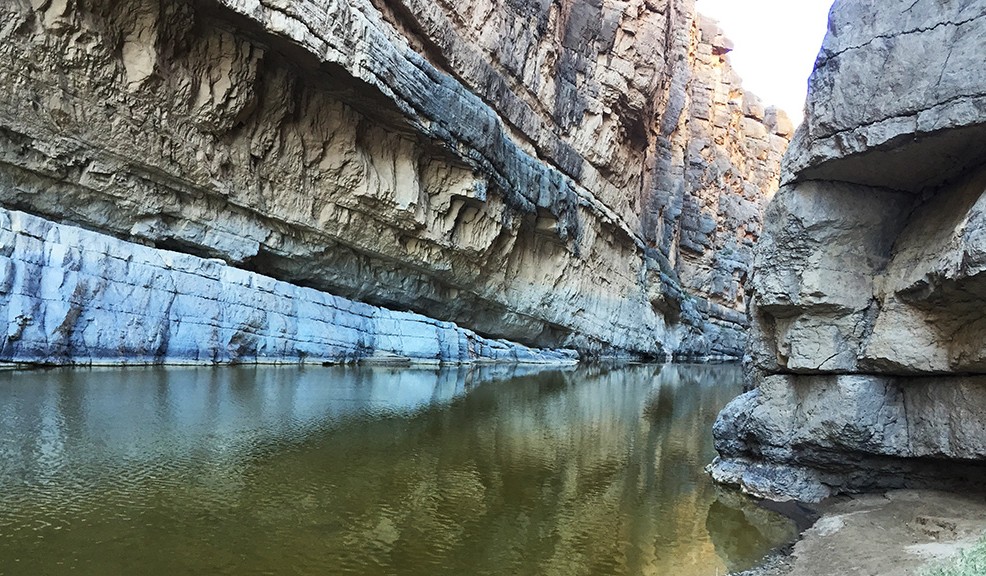
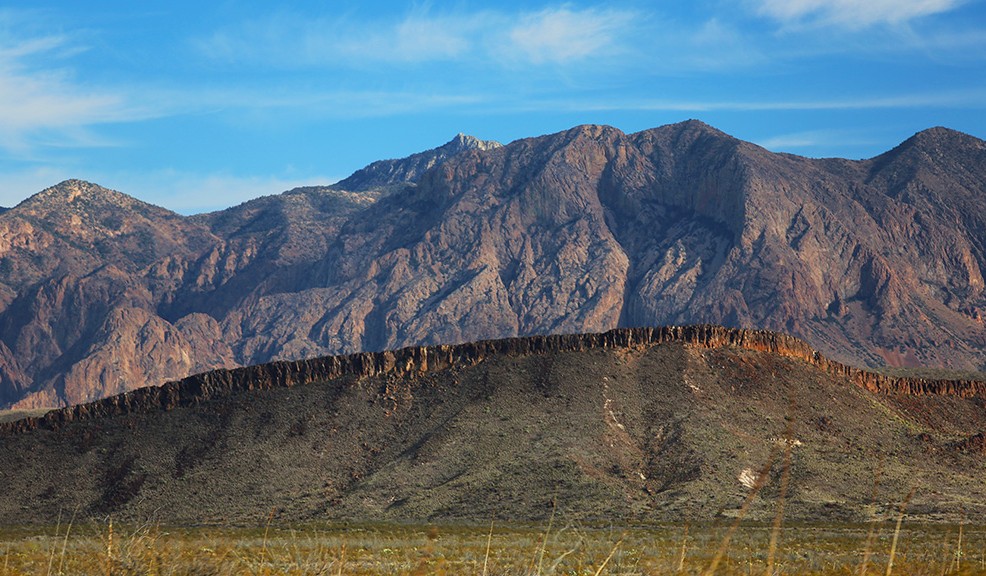
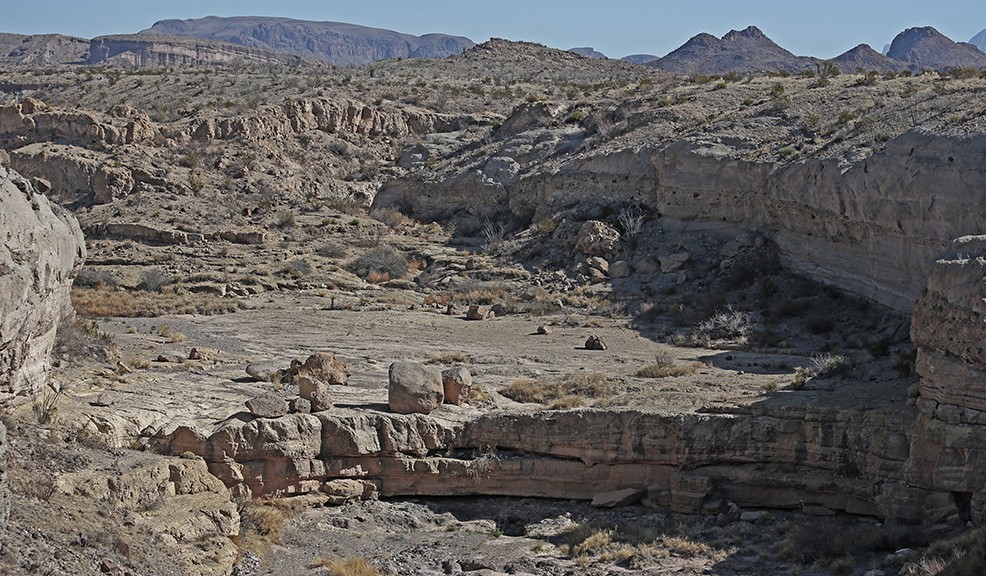
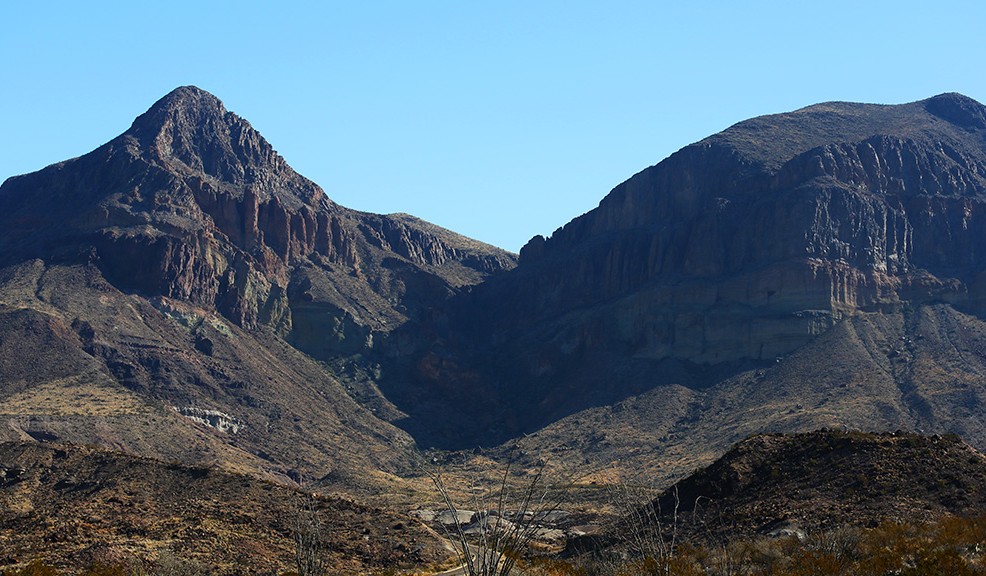
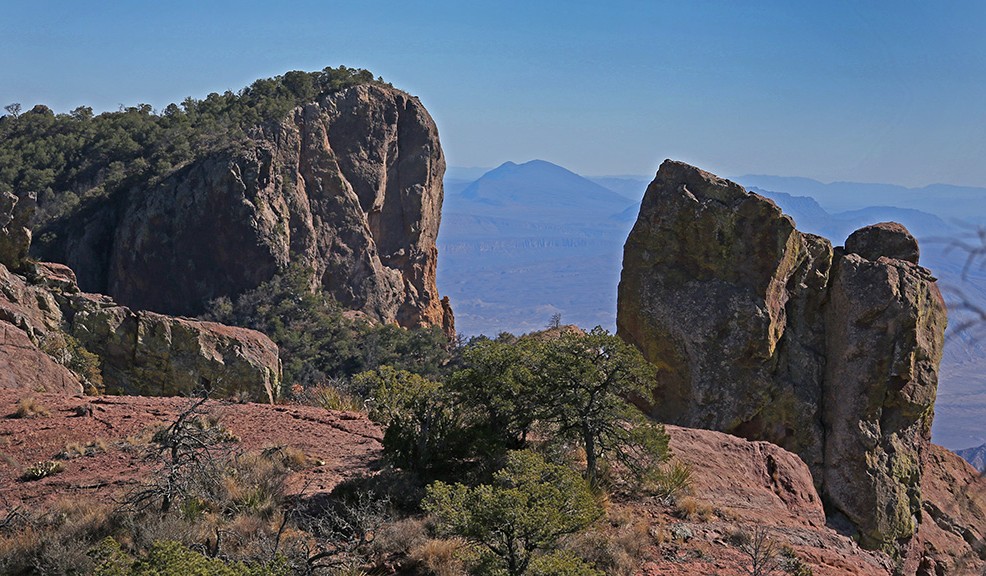
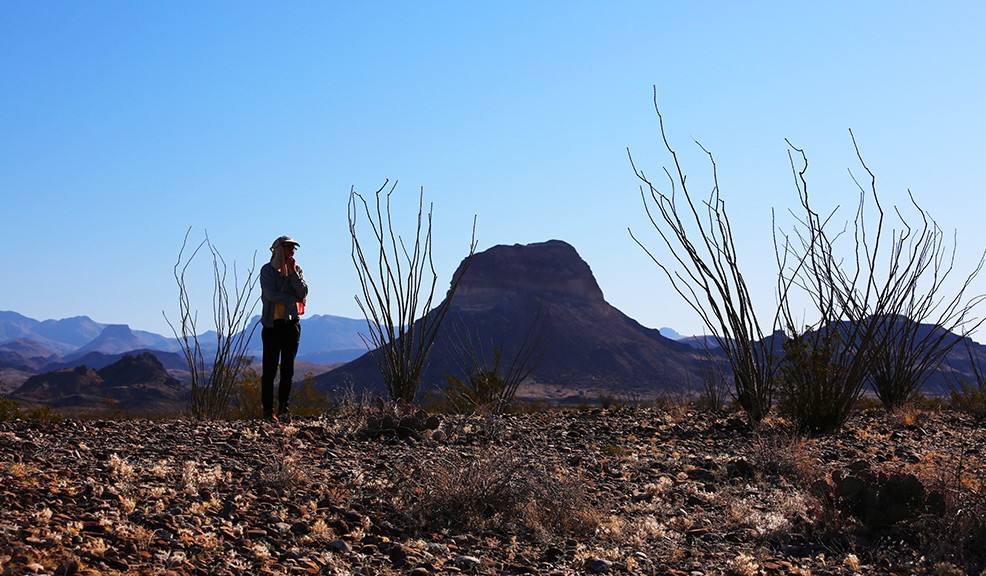 Big Bend National Park, at the northern end of the Chihuahuan Desert, is the largest protected section of the desert in the United States.
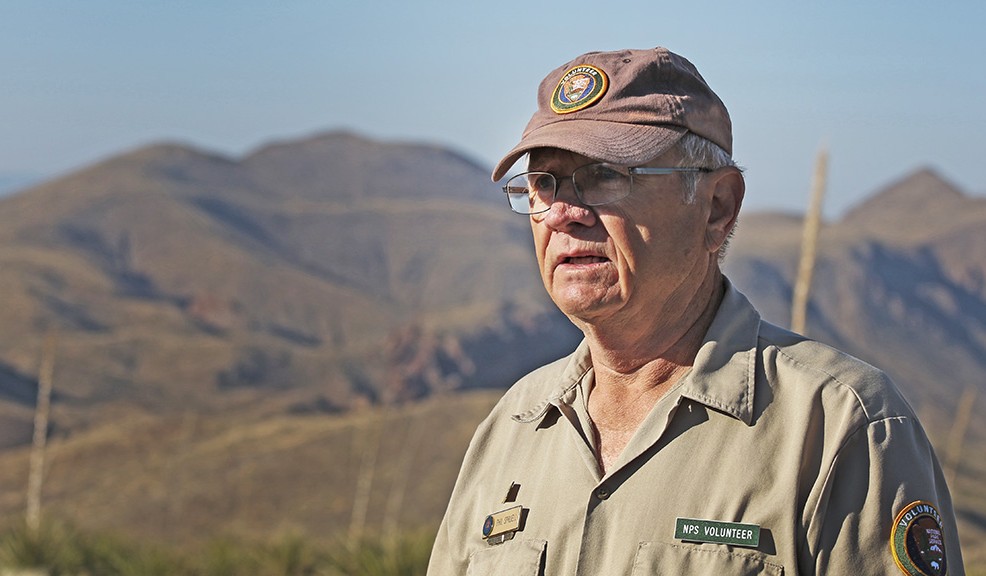
By Tom Nichols
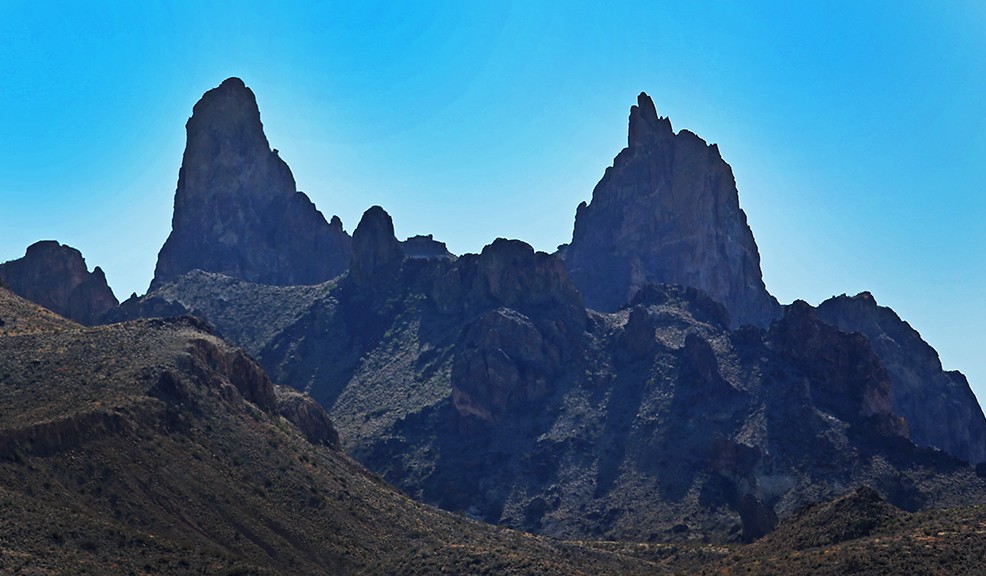
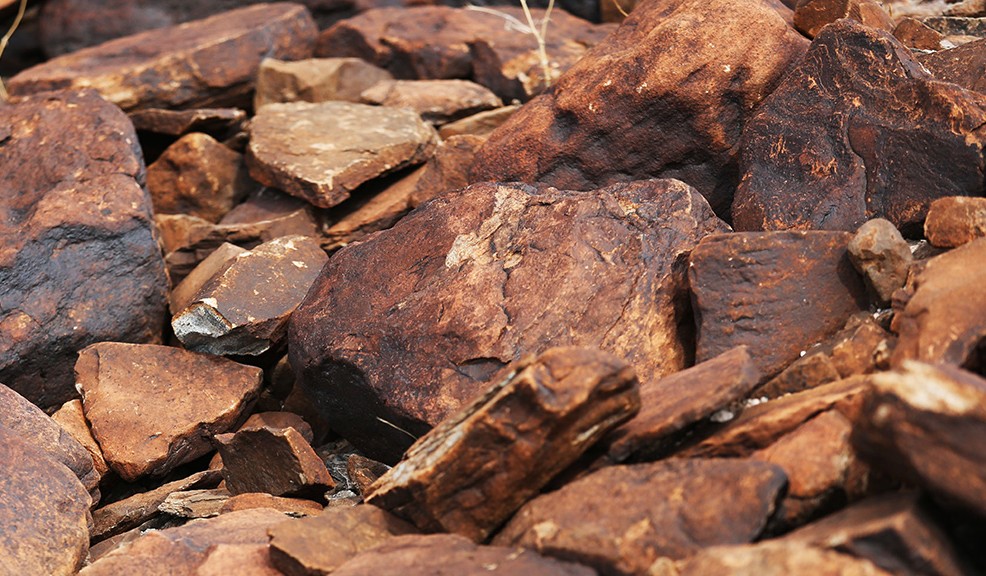
Last year, Judy and I became very big fans of tours led by rangers and volunteers at America’s national parks and monuments. So before departing Big Bend National Park in west Texas, our first national park of 2016, we couldn’t leave without one more tour, this one on geology.
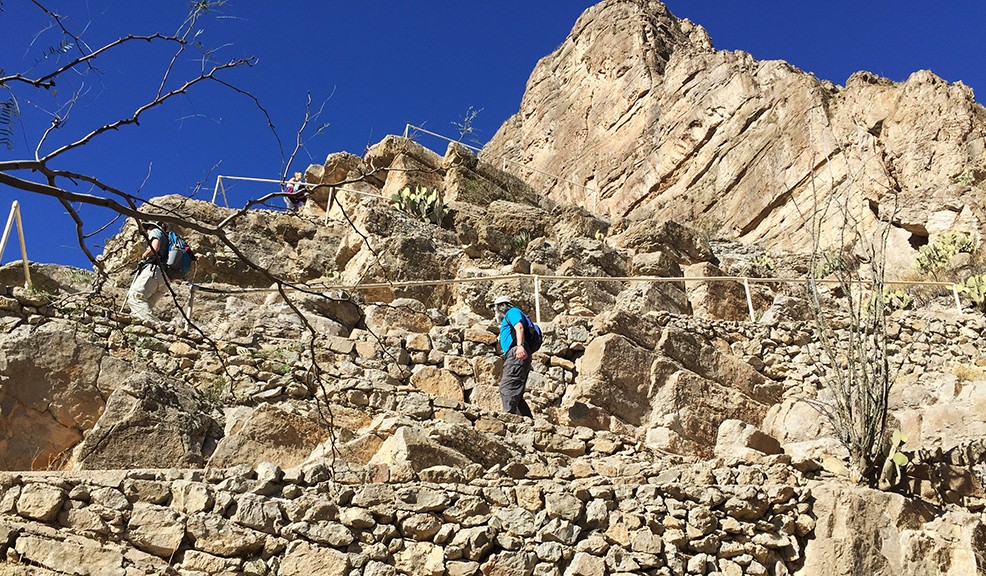
Big Bend National Park: Two campsites, four hikes and a burro ride
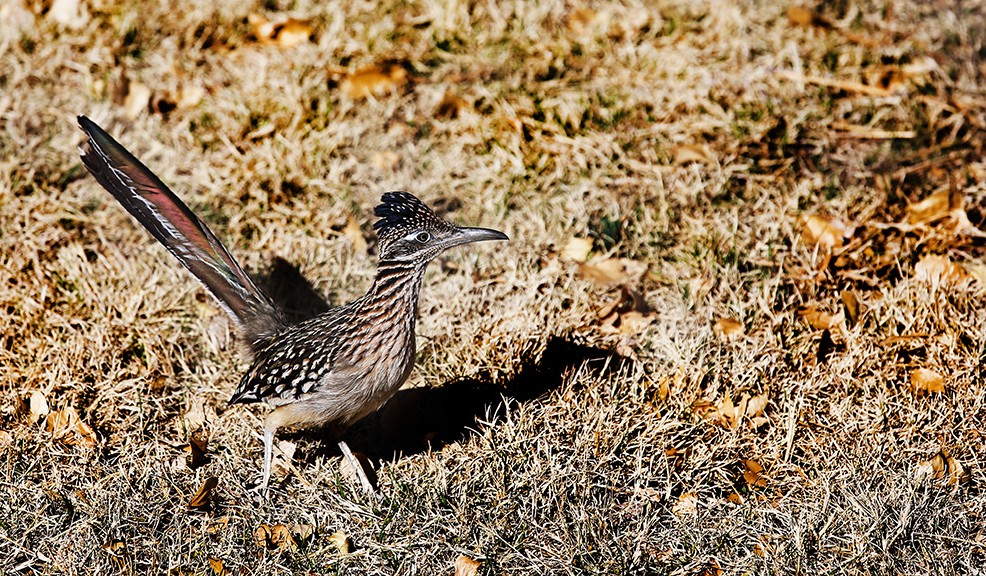 A roadrunner welcomed us to the last site at Cottonwood Campground.
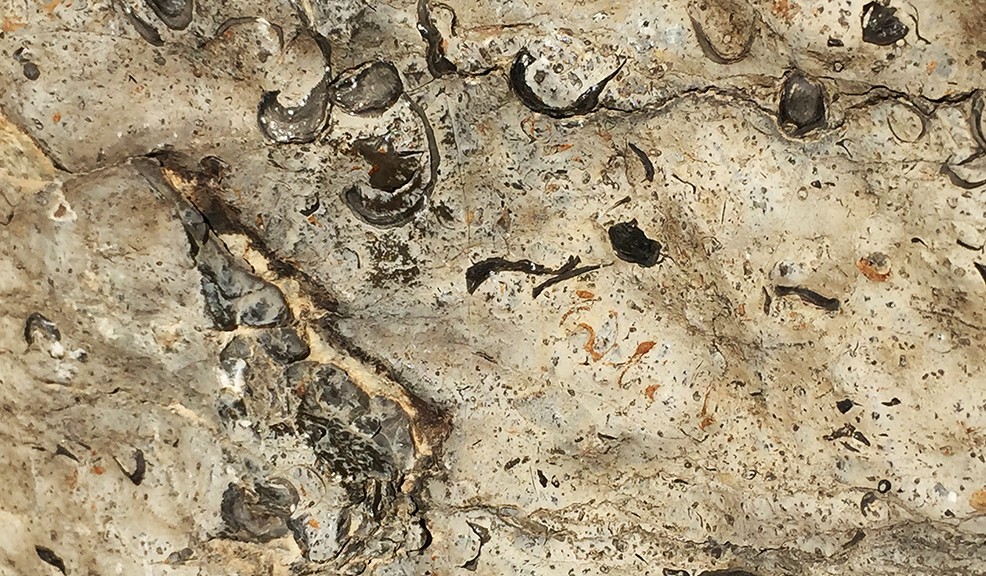
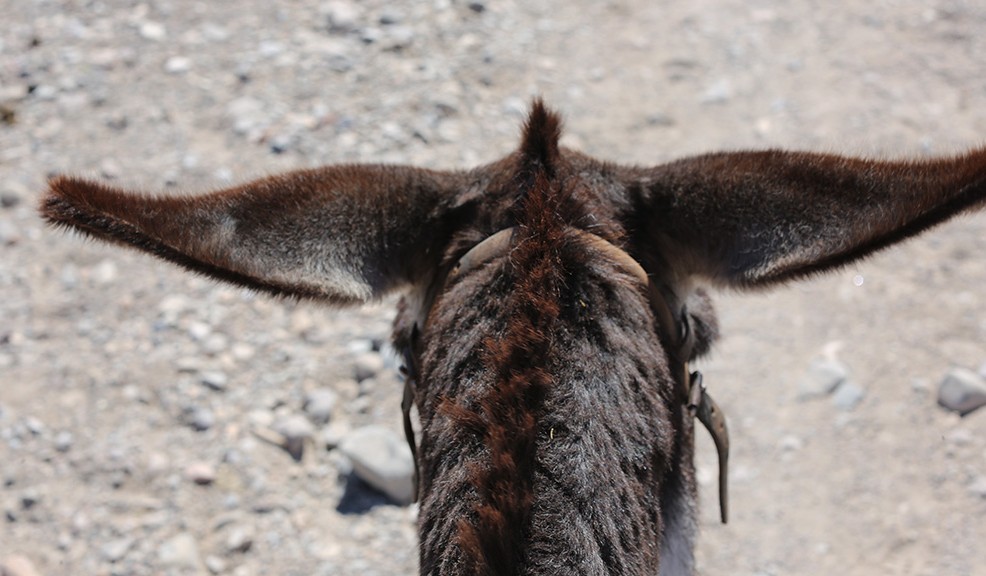
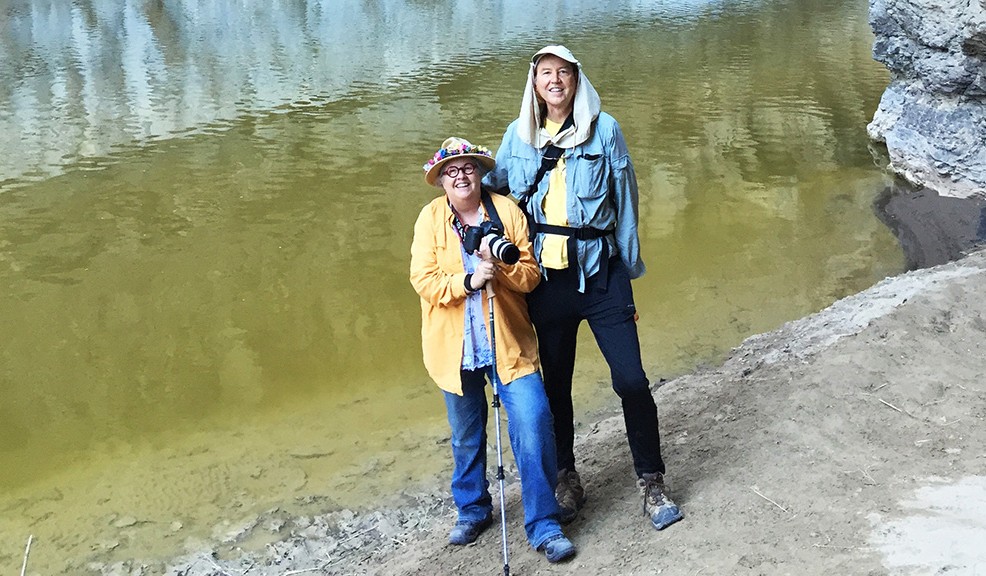
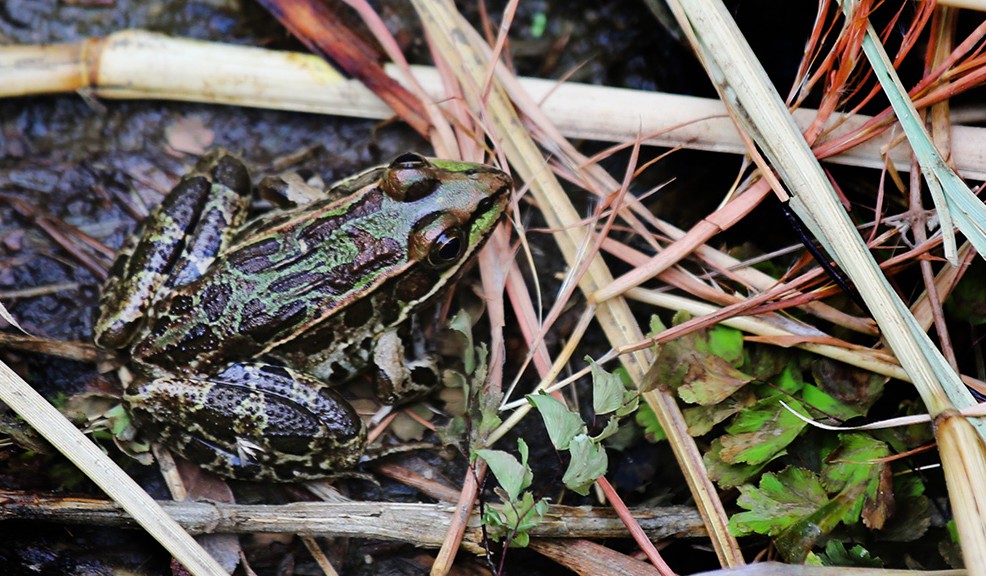
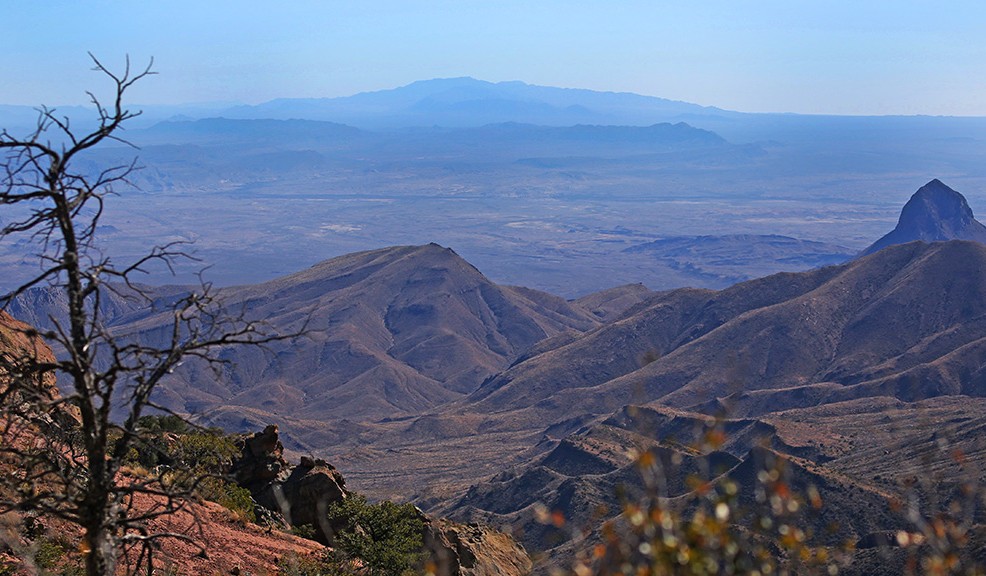
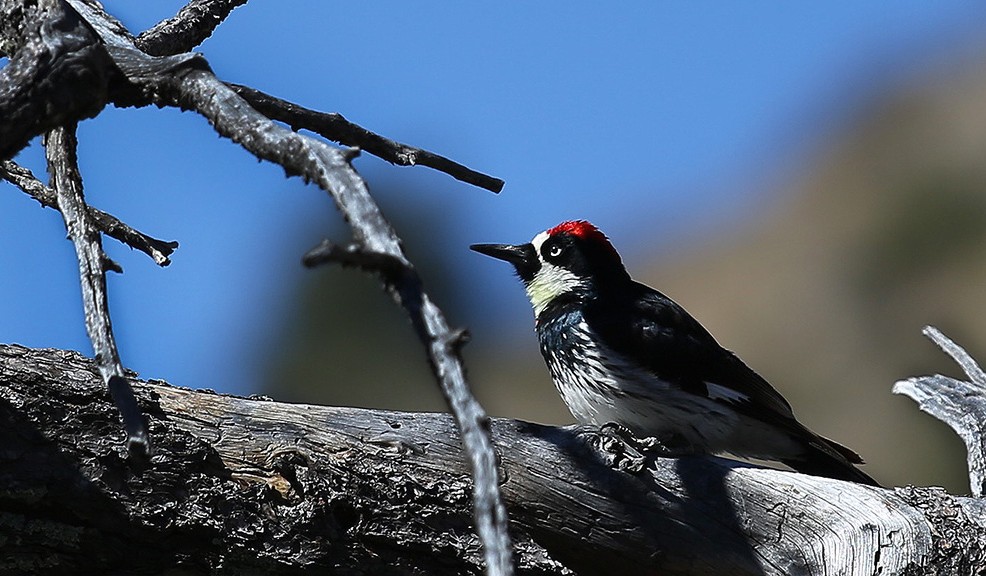
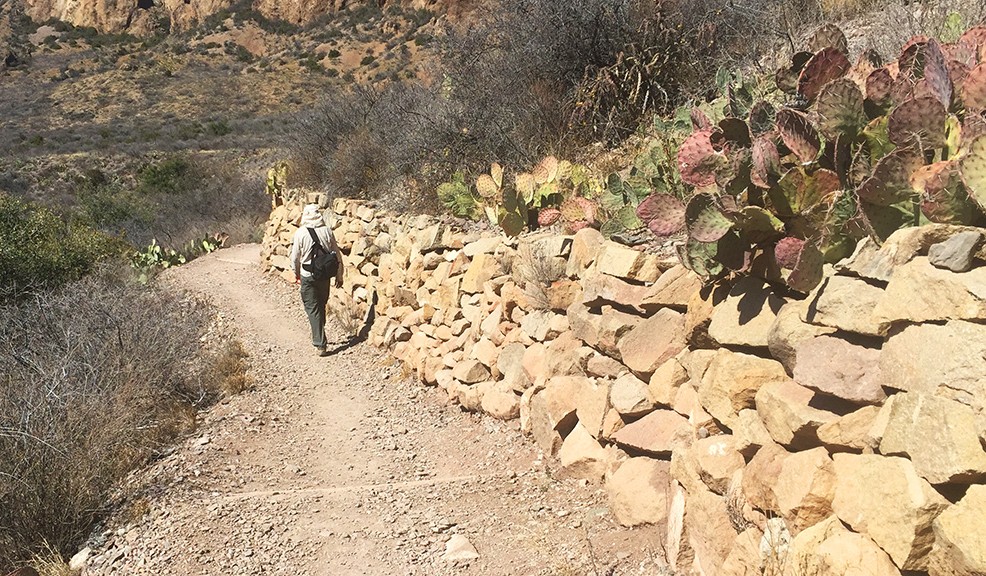
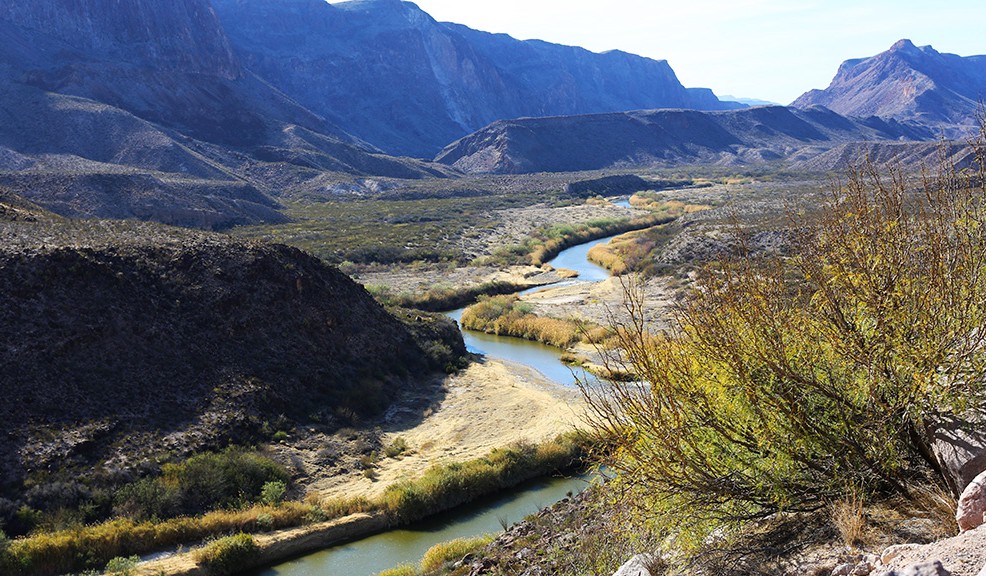
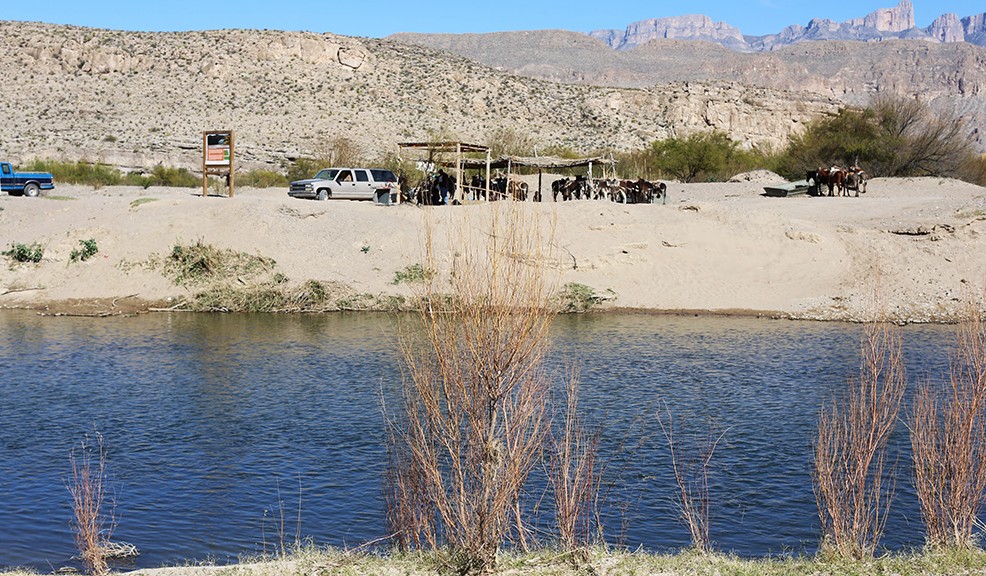
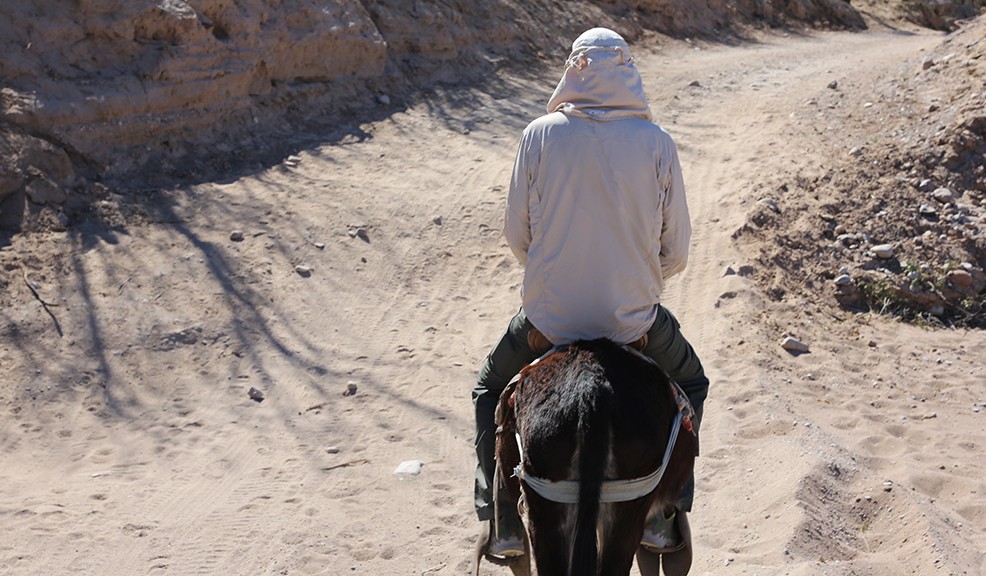
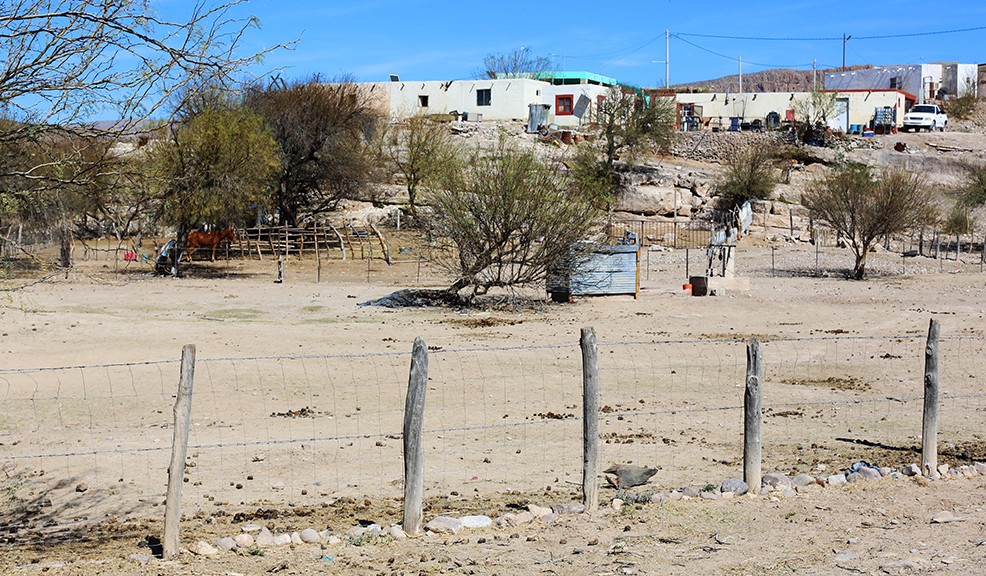
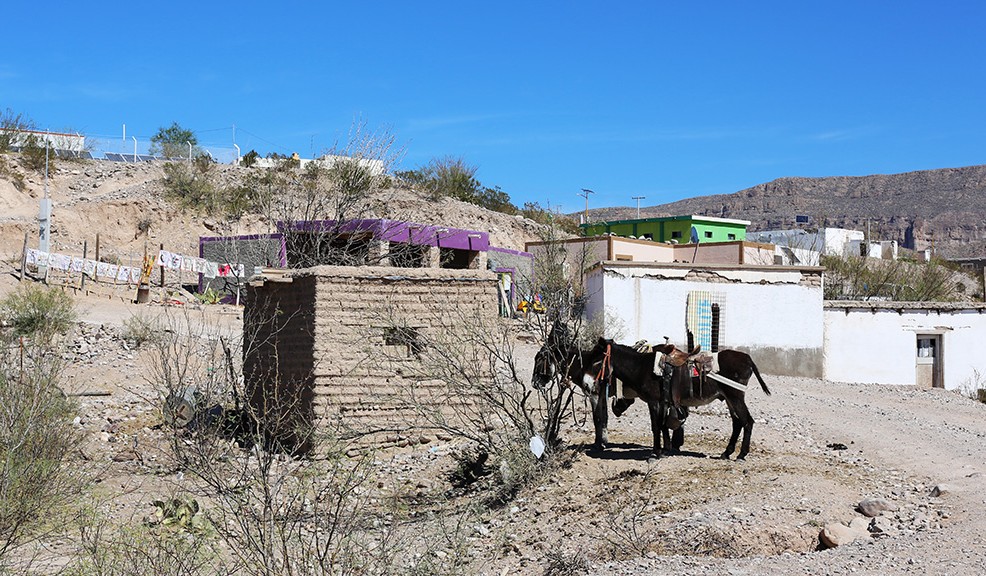
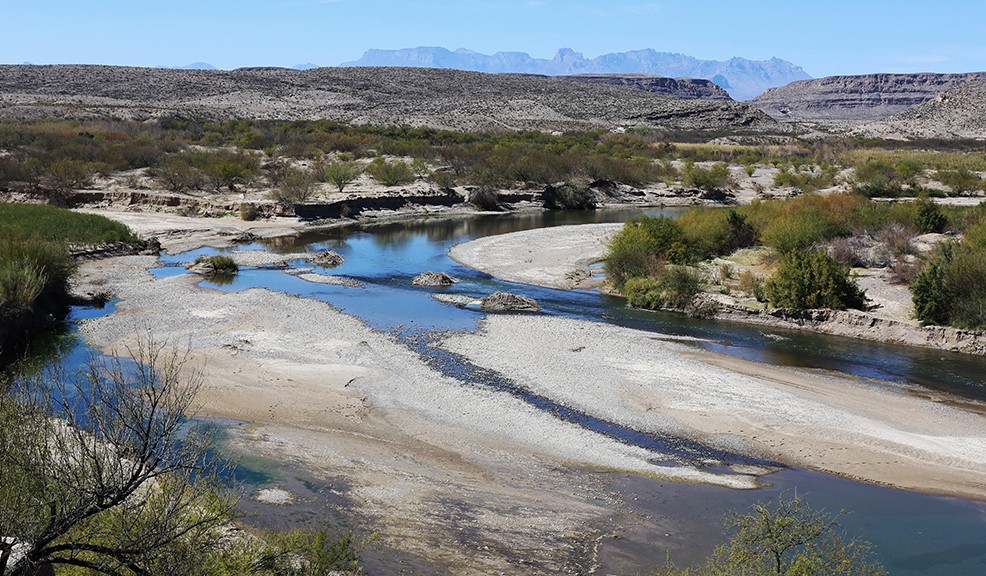
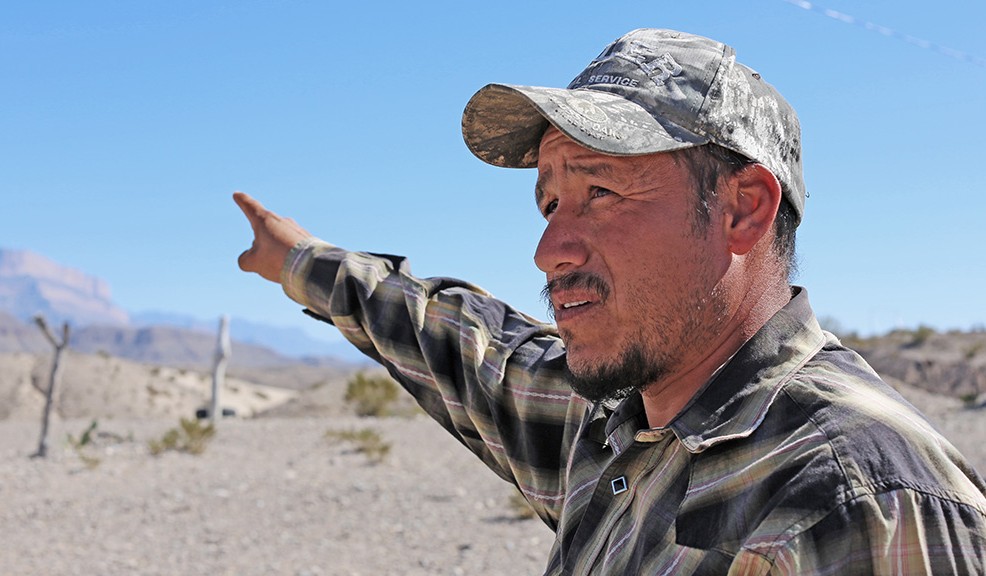
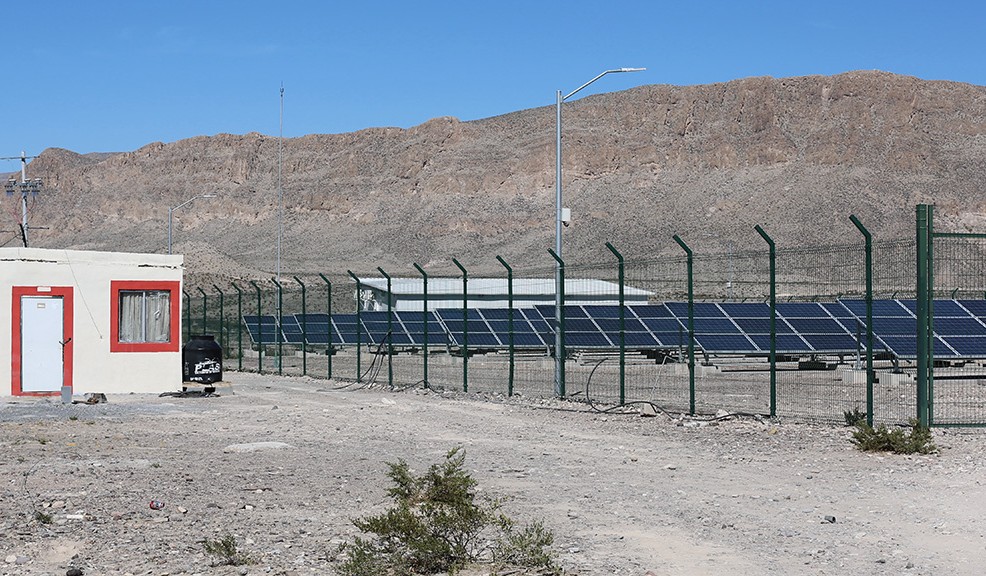
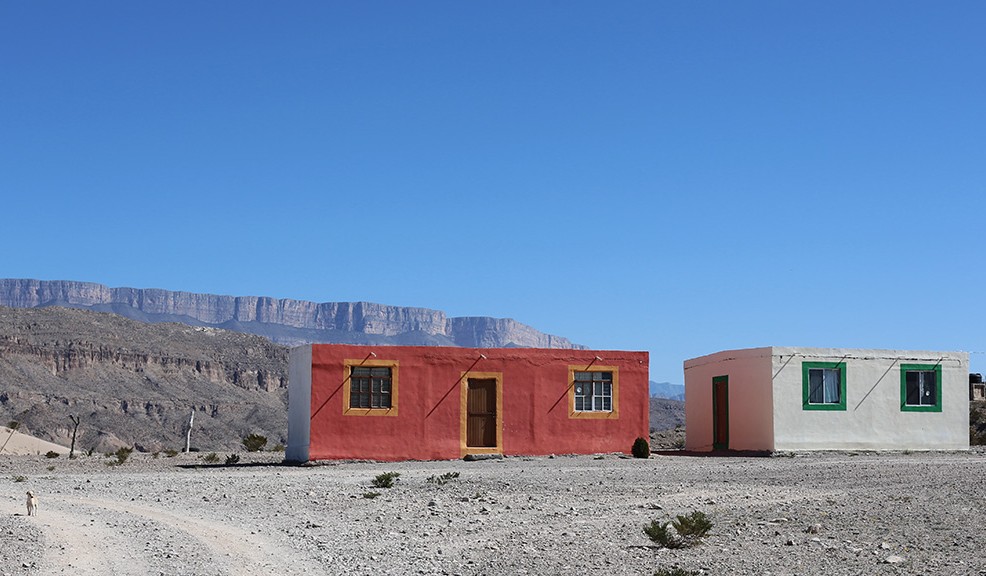
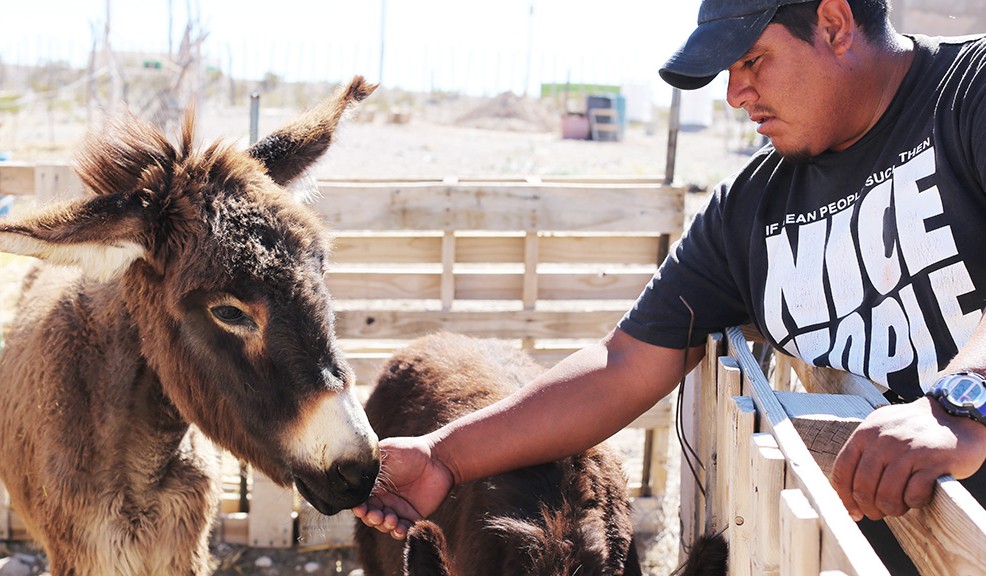
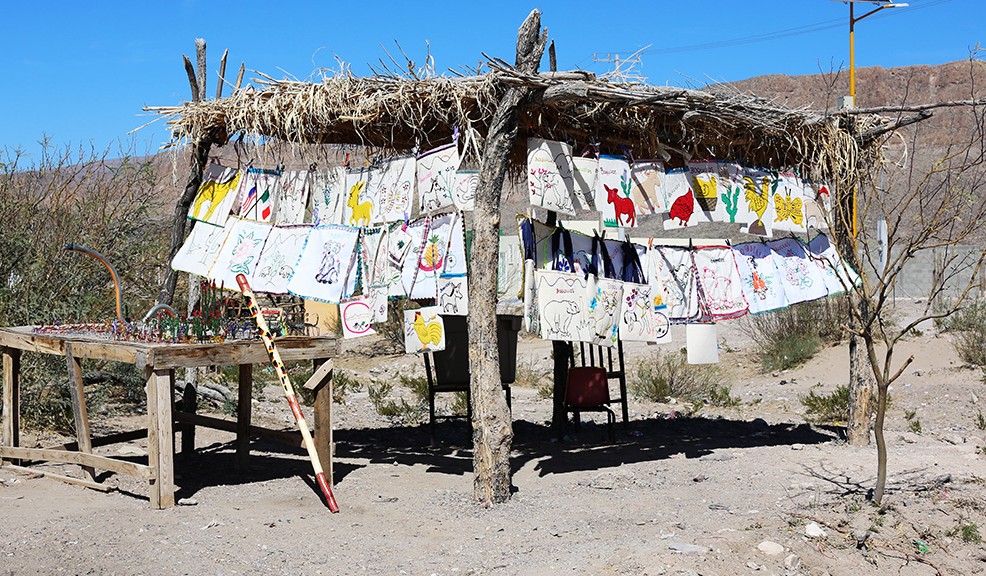
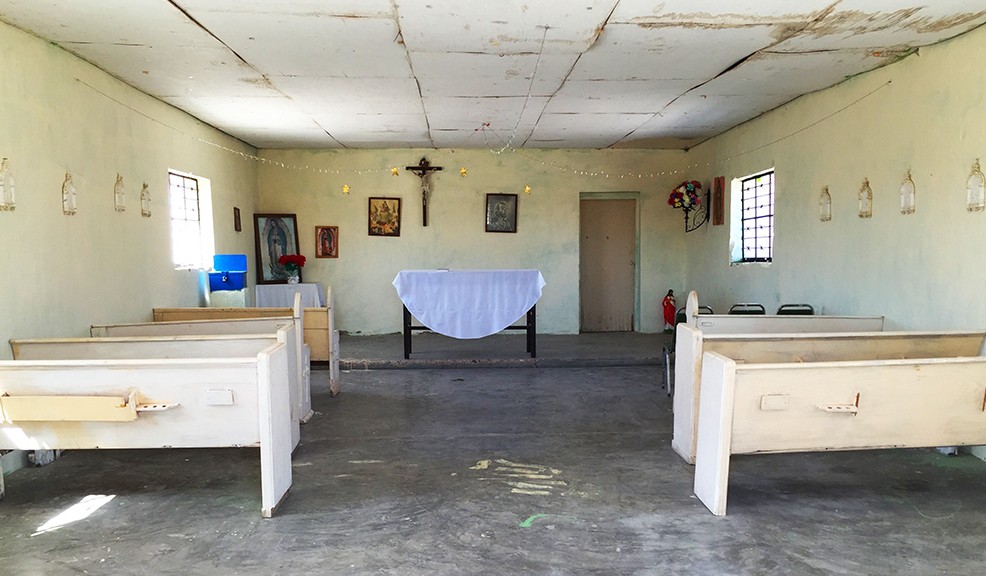
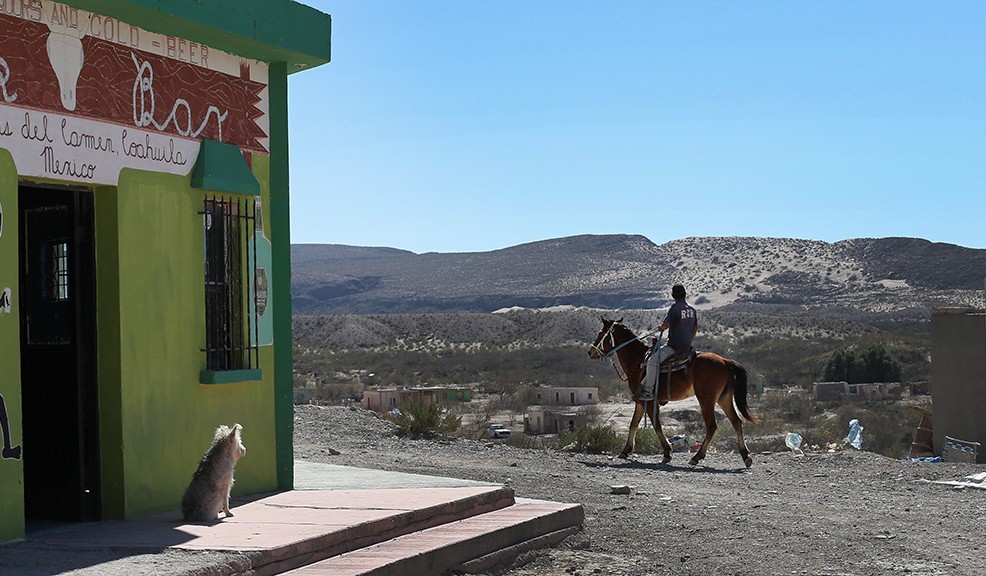
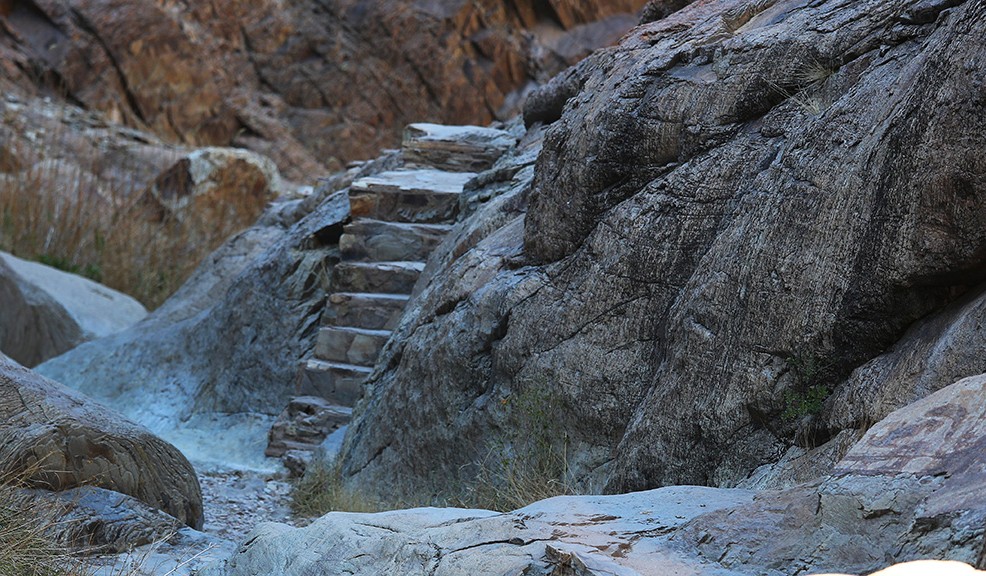
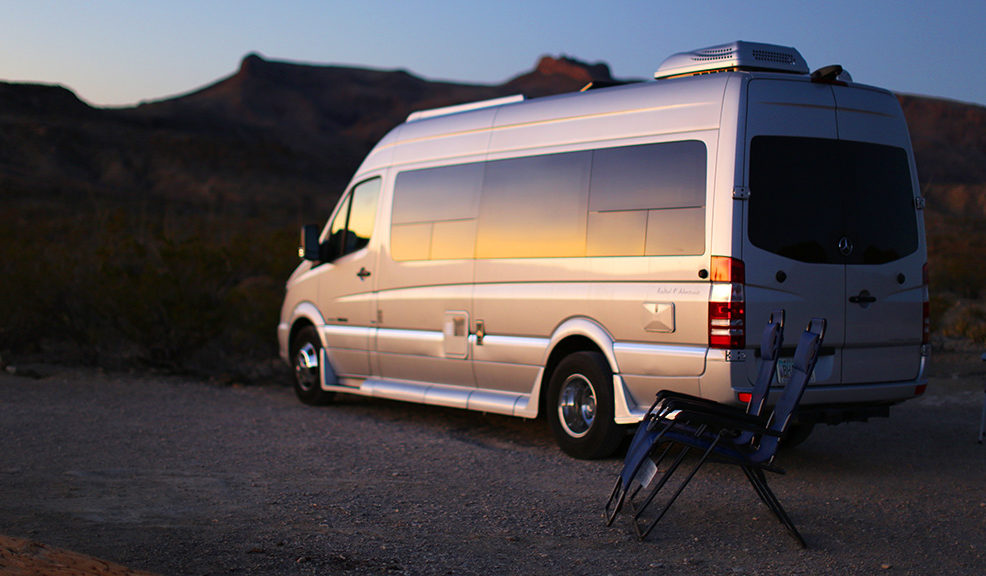
As we pulled up to the entrance of Big Bend National Park, the ranger at the gate told us there were only three of 210 camping spots left in the entire 800,000-acre park, and that we’d better hotfoot it over to the Cottonwood Campground to grab one of them. It was 21 miles there by dirt road, and 35 by paved.
“Should we risk the dirt road?” we asked.
She looked at The Epic Van and asked, “Did you rent this?”
Glimpse: Fort Davis – Pride and betrayal for Buffalo Soldiers
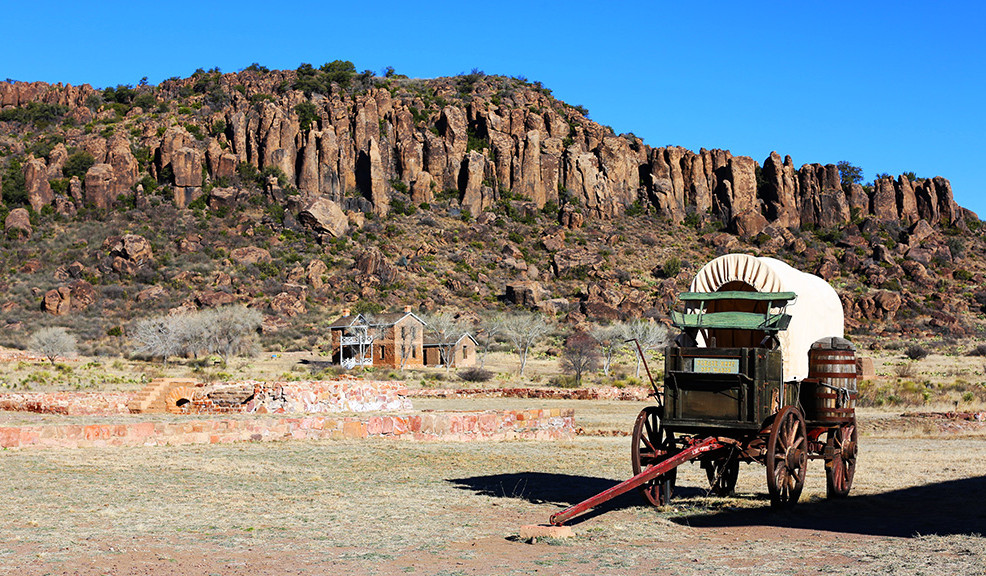 A wagon at Fort Davis.
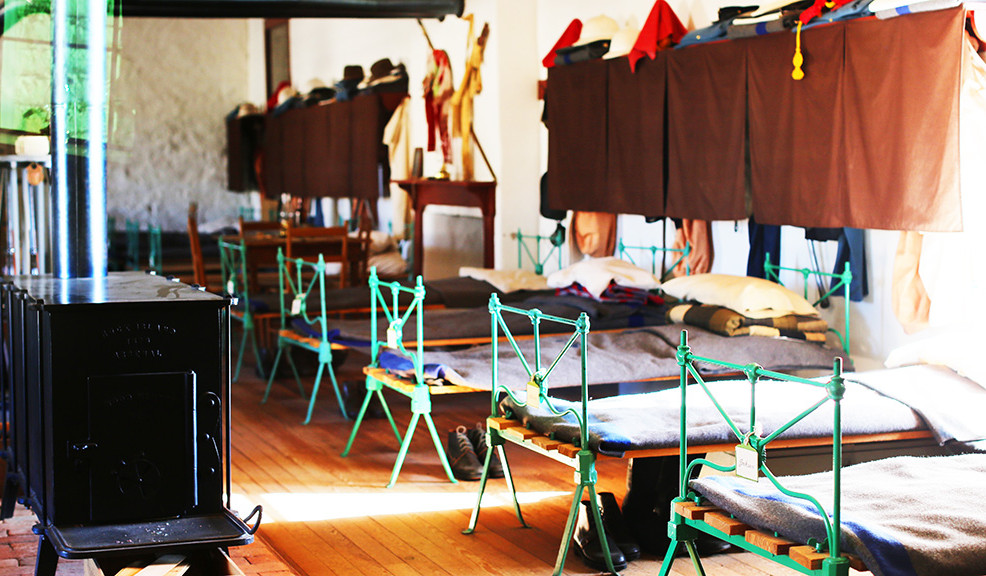
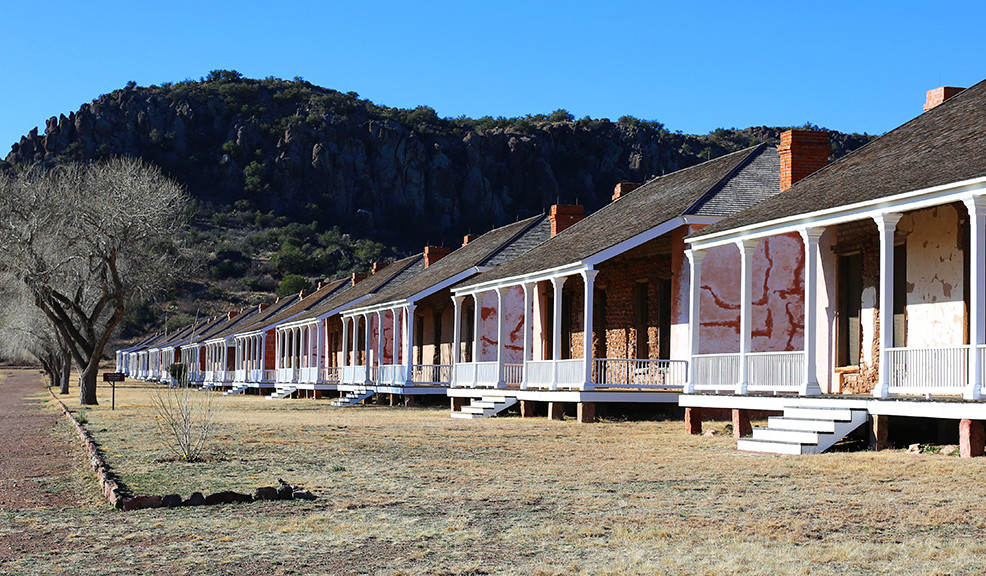
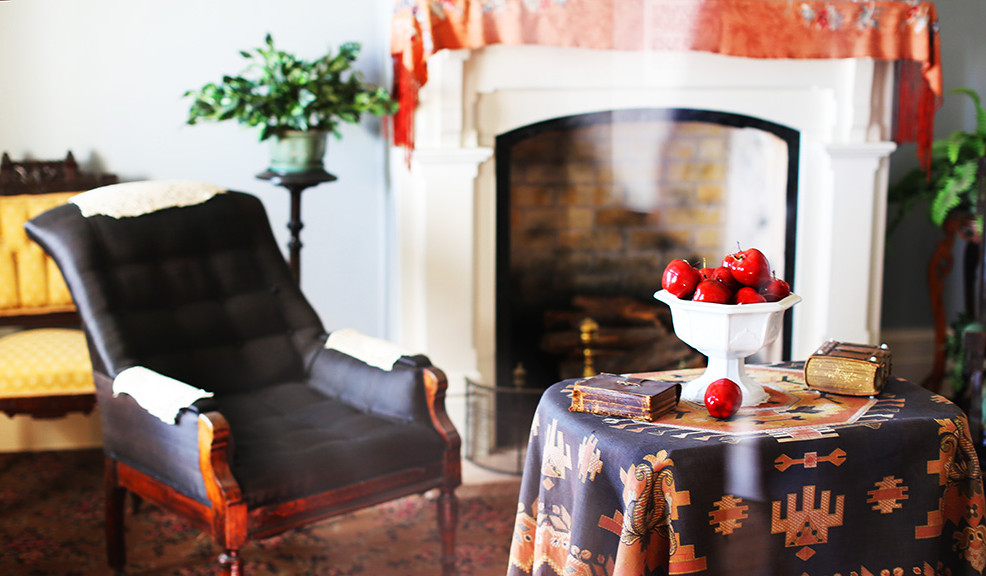
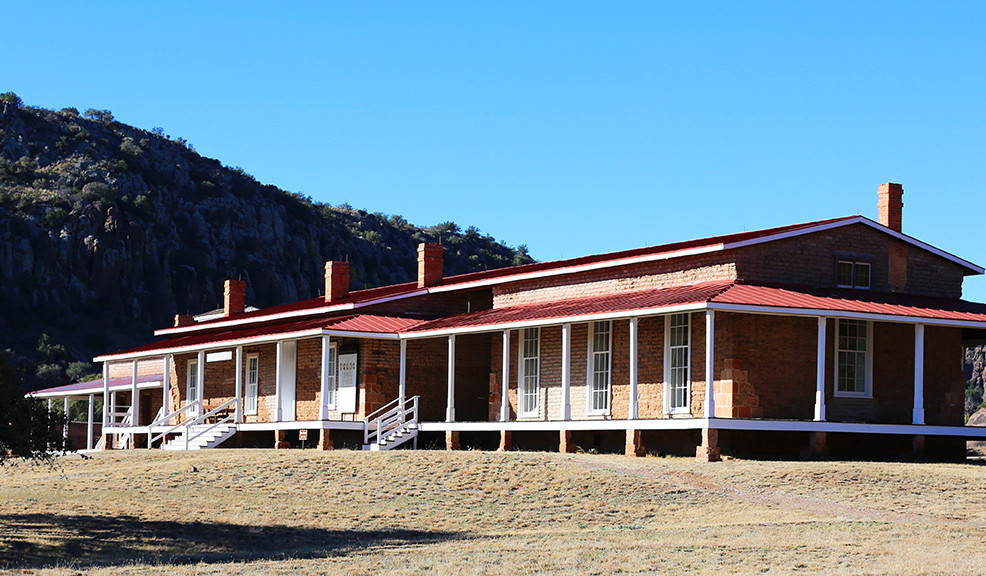
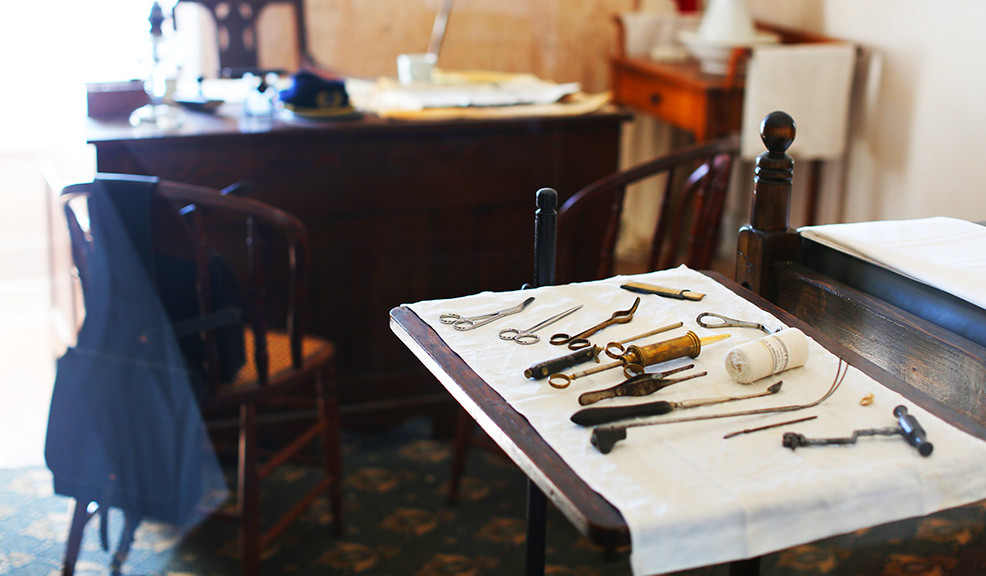
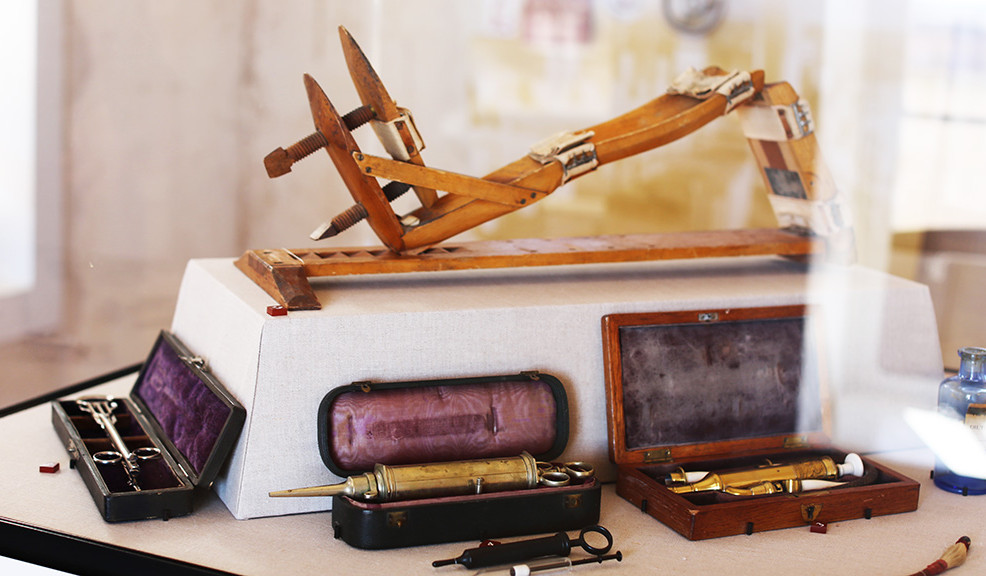
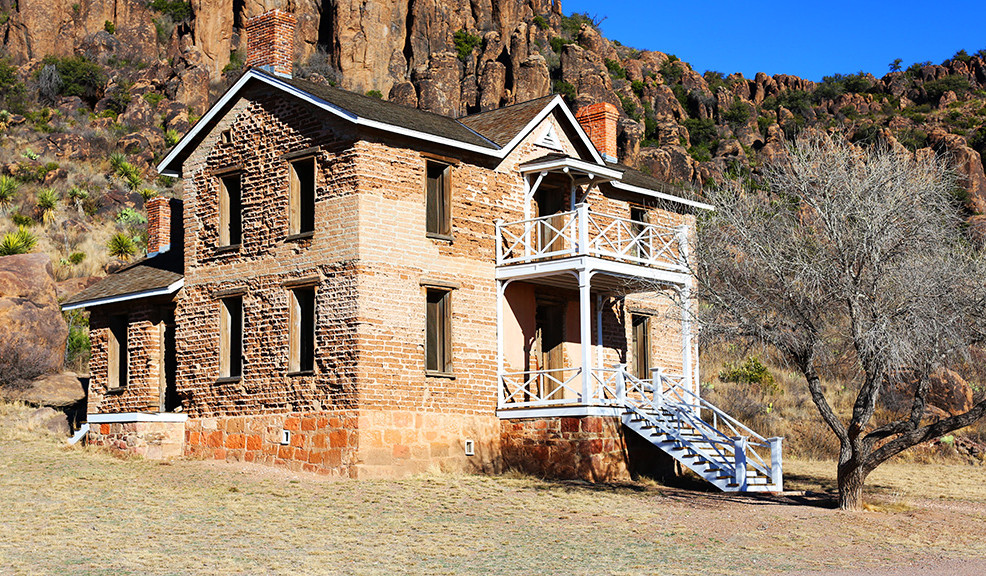
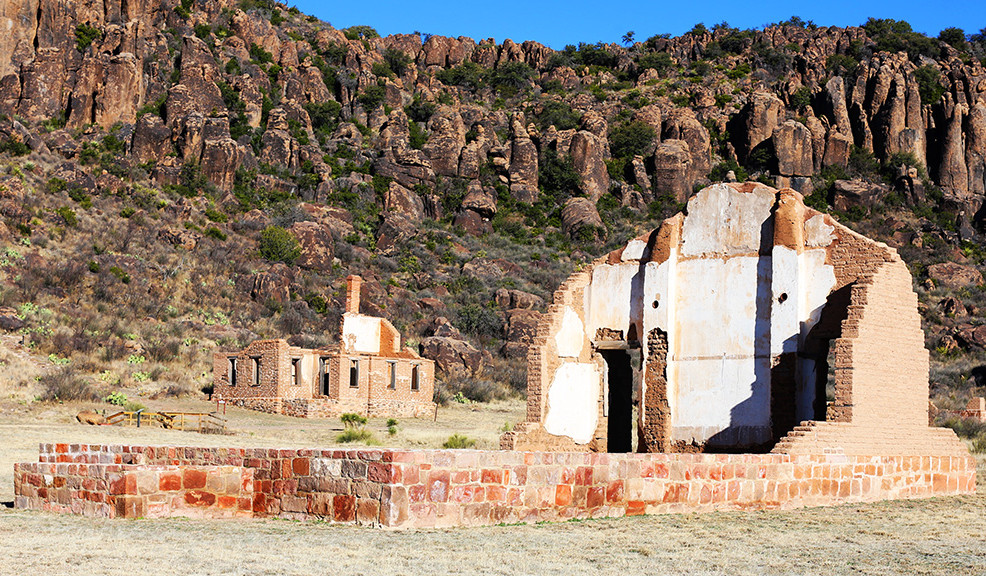
Fort Davis, in southwest Texas, was established in 1854 to protect travelers and local citizens from Apache and Comanche raids. It became home to four cavalry companies of African-American soldiers who became known as Buffalo Soldiers. It was strategically located at the crossroads of the San Antonio to El Paso road, near the Chihuahuan Trail, used by Indians in the area.
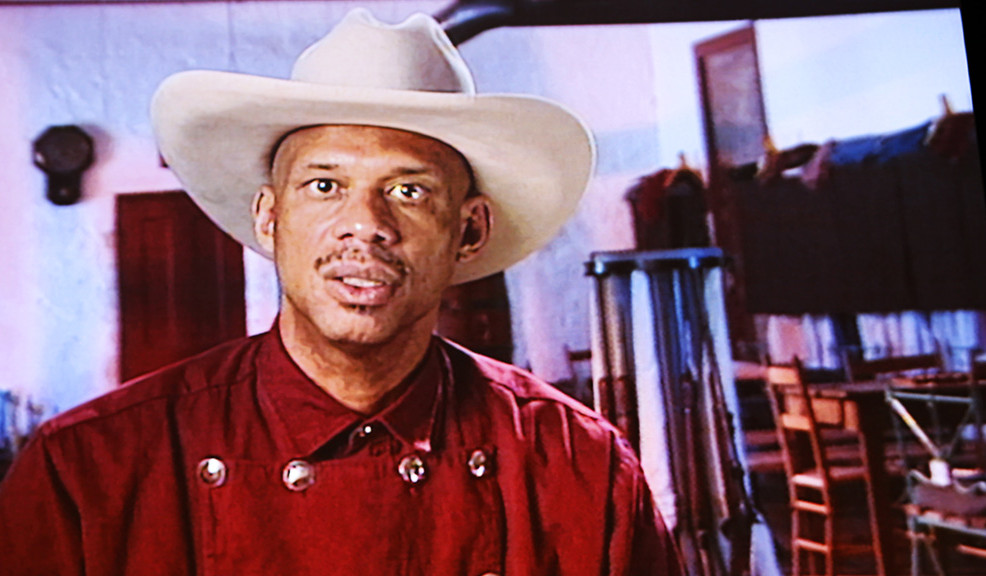
After watching an introductory film narrated by Kareem Abdul-Jabbar in a 10-gallon hat, say whaaaaat???, you can wander the fort to see soldiers’ barracks, the commissary, officers housing and the hospital. Along the way you will hear the bugle calls, for changing of guard duty, sick call, and call to meals.
Exploring the sun: You could put an eye out
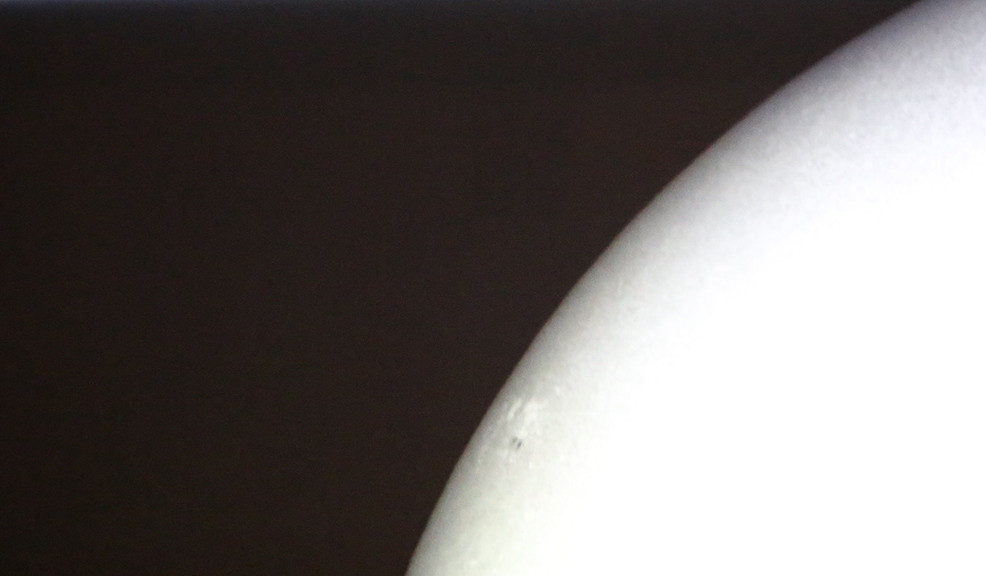 Our first live shot of the sun, showing a sun spot on the lower left edge.
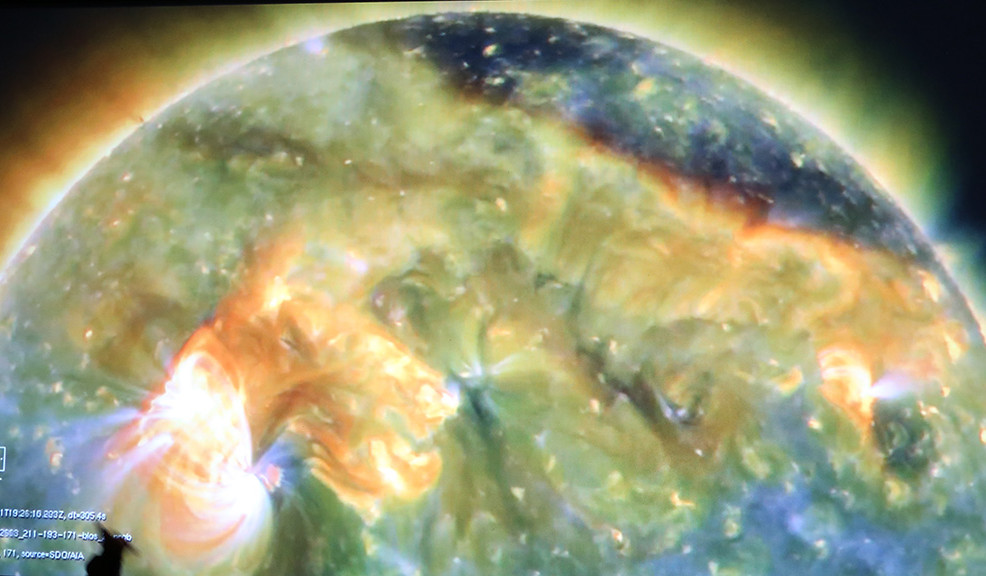
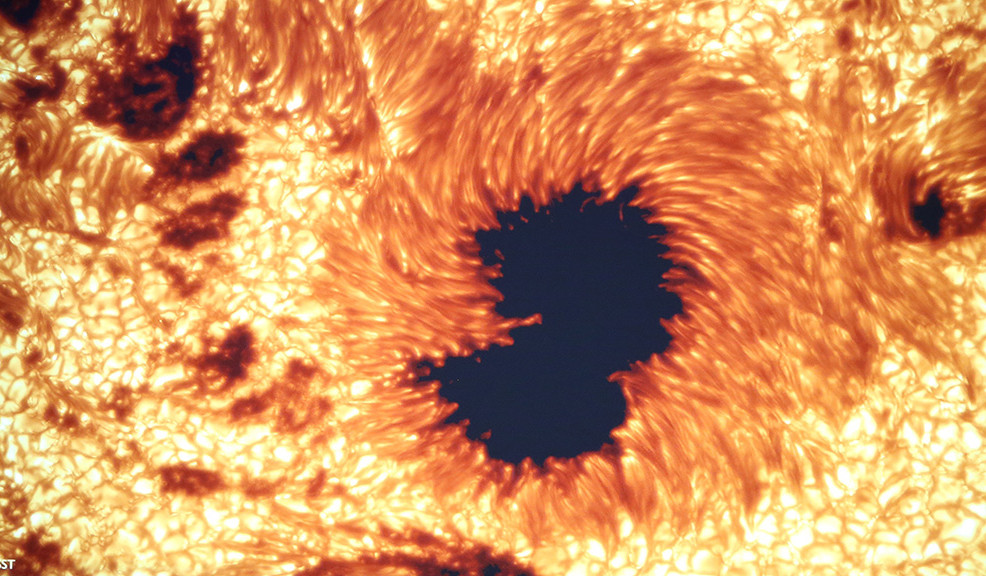
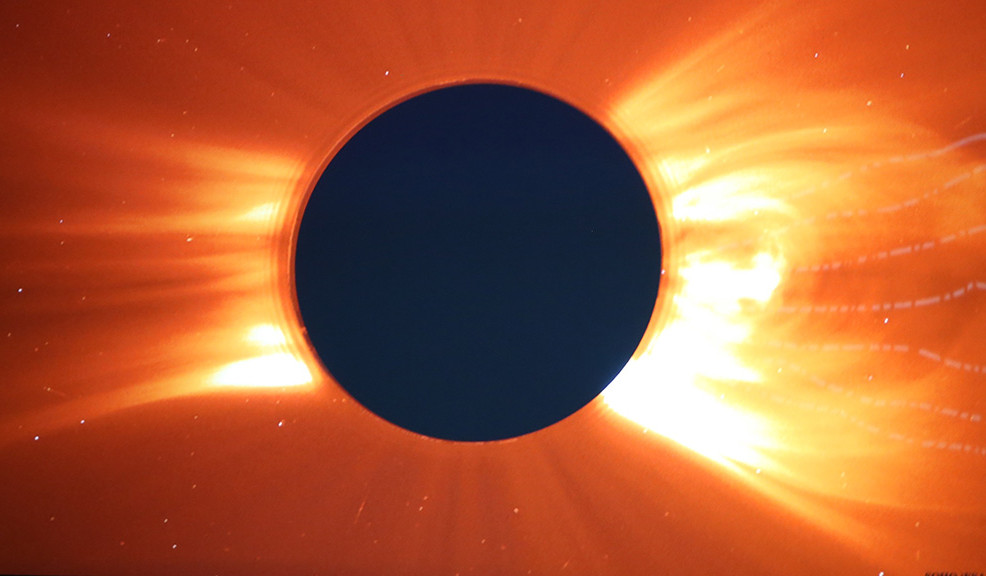
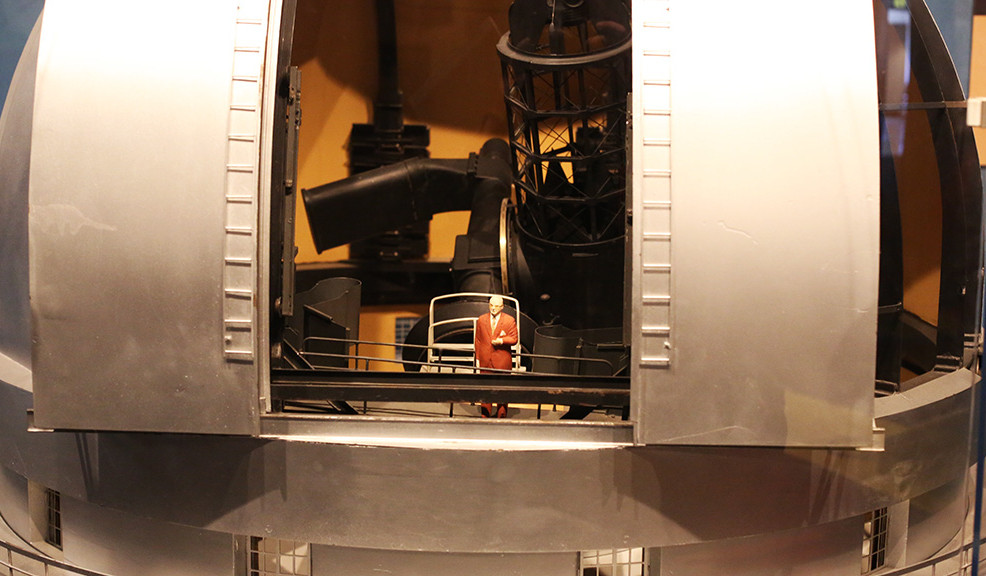
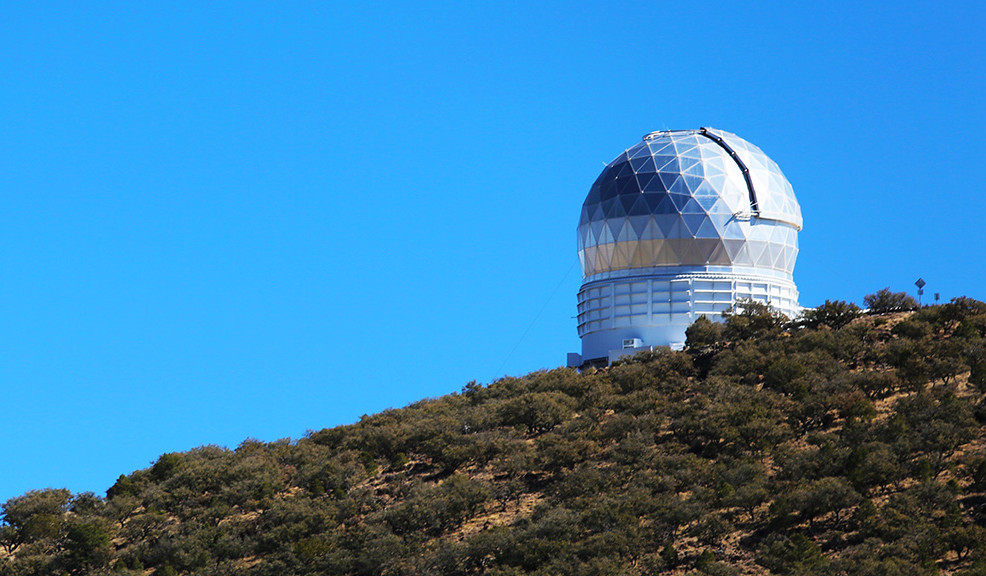
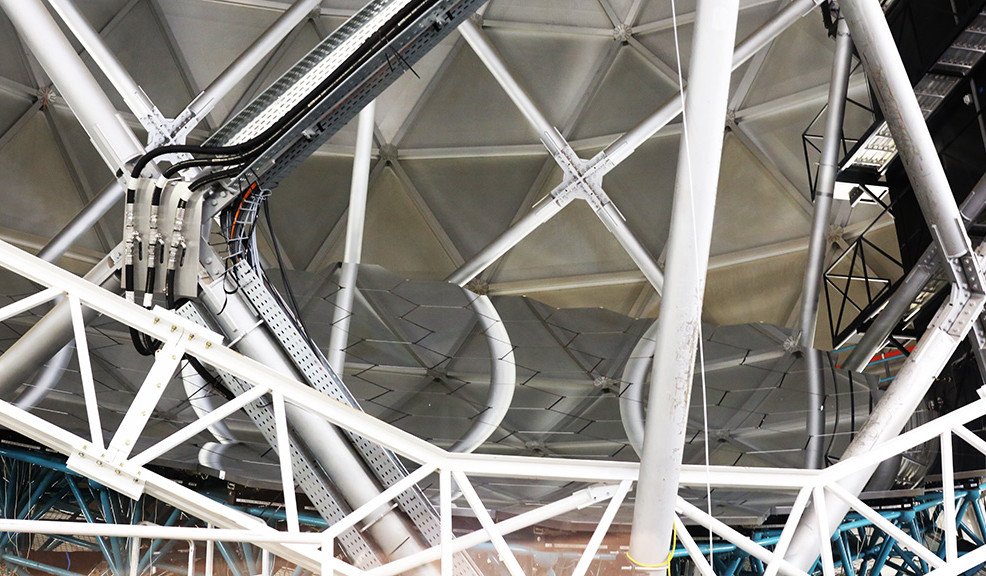
Most people go to an observatory to see stars at night. Being contrarians, we went to see the sun. During the day.
It seemed kind of silly. I mean, you can look up and see the sun right?
So as we drove up to the McDonald Observatory, near Fort Davis, Texas, we didn’t have high expectations. It was a beautiful ascent, with stunning views over the West Texas mountains, and we figured the drive made the trip worth it.
Then we sat down in the auditorium, and Judy Meyer blew our minds.
Glimpse: The Chihuahuan Desert Nature Center and Botanical Gardens
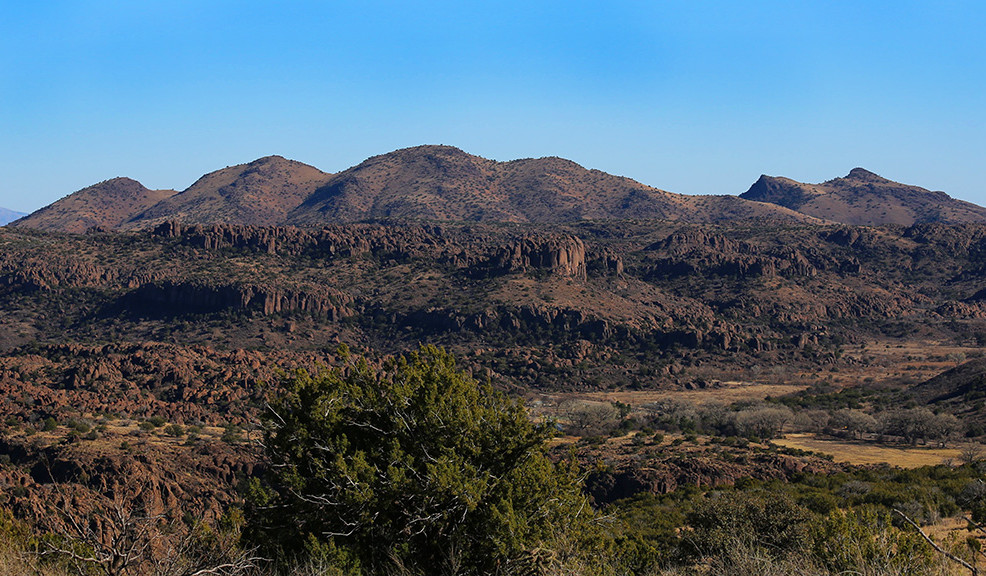 One of the intrusive volcanic domes visible from Clayton's Overlook at the Chihuahuan Desert Research Institute Nature Center and Botanical Gardens.
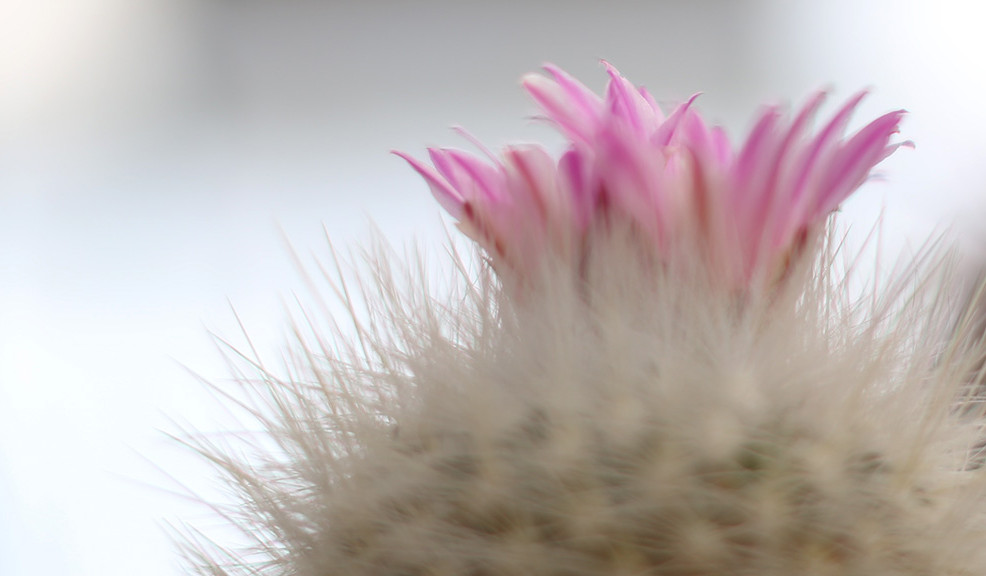
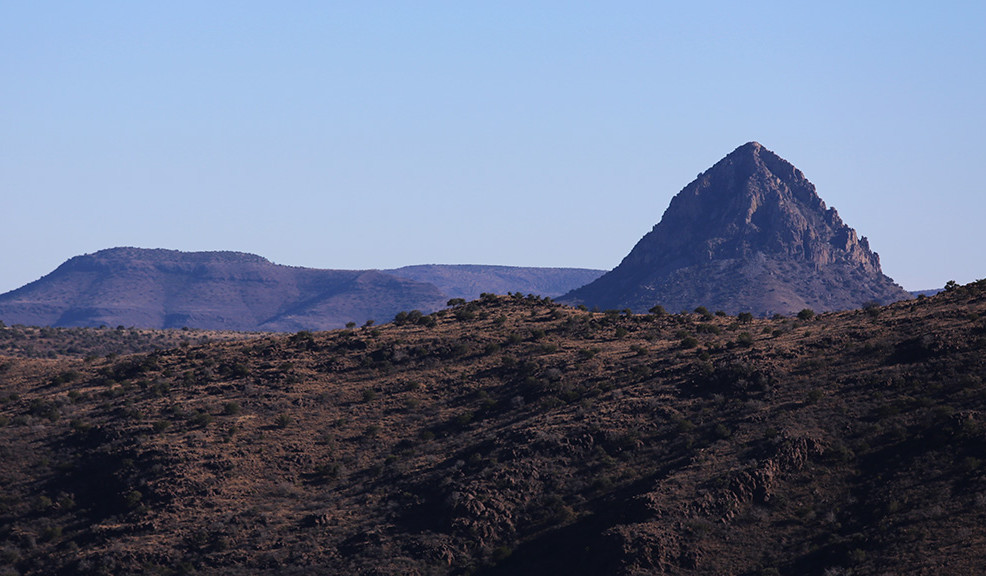
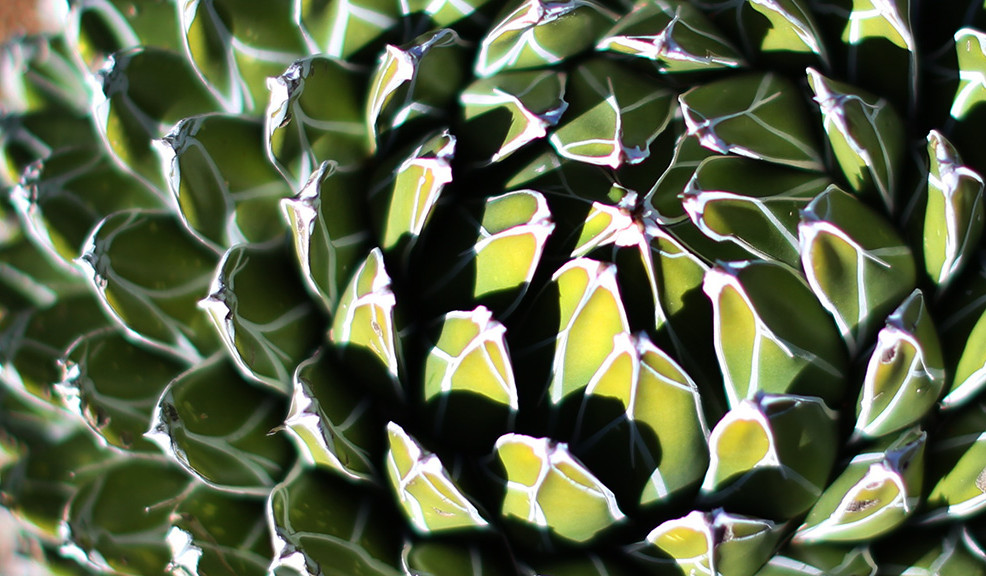
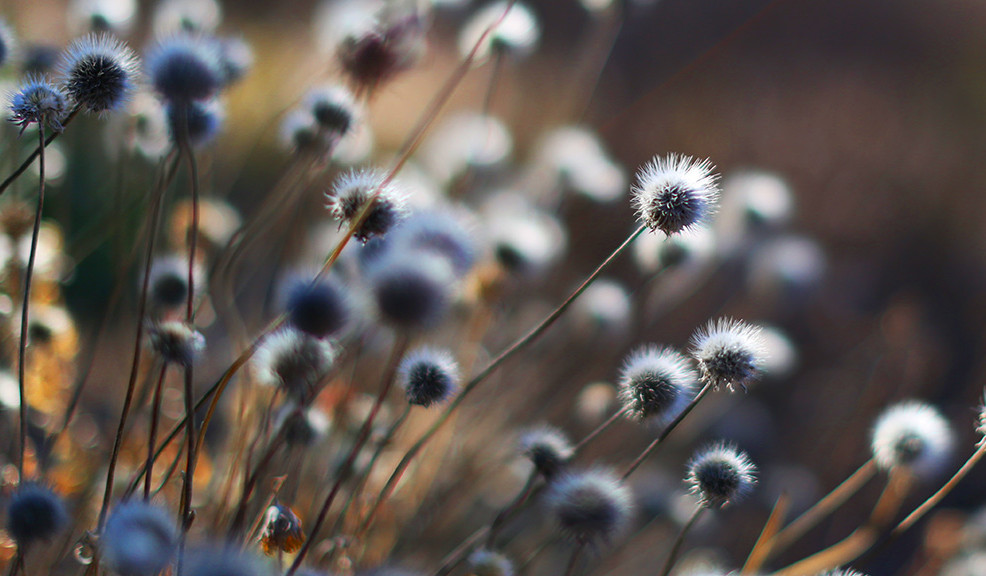
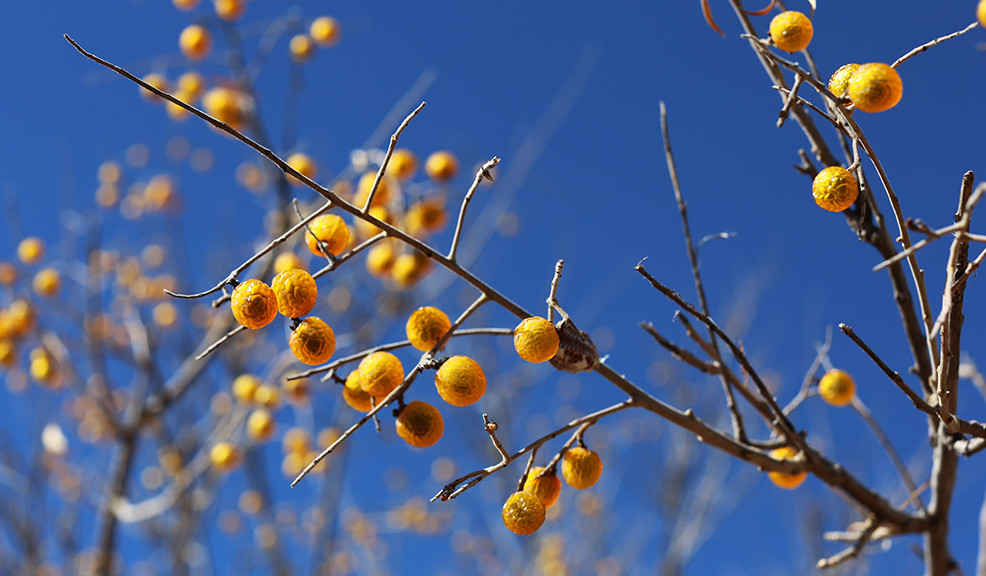
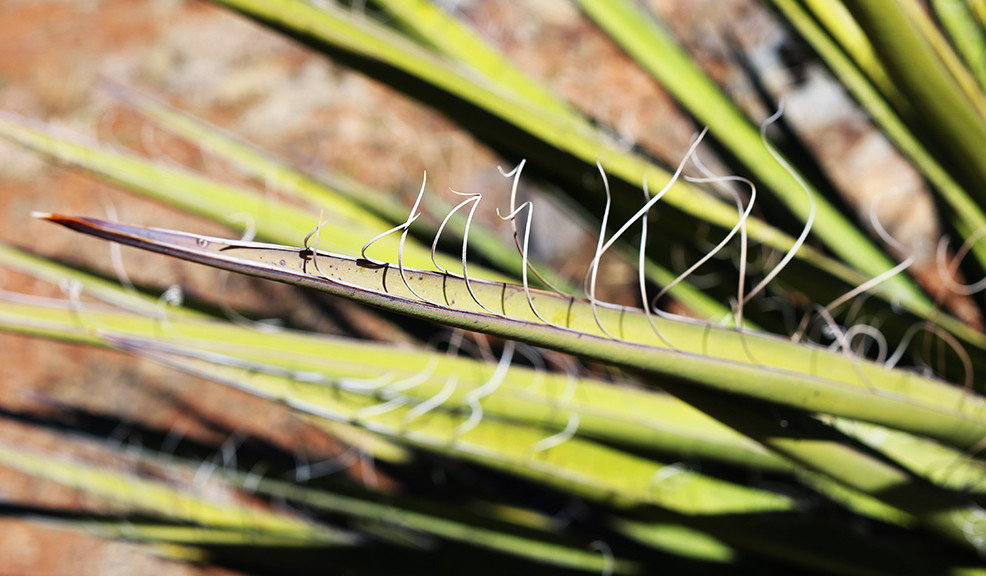
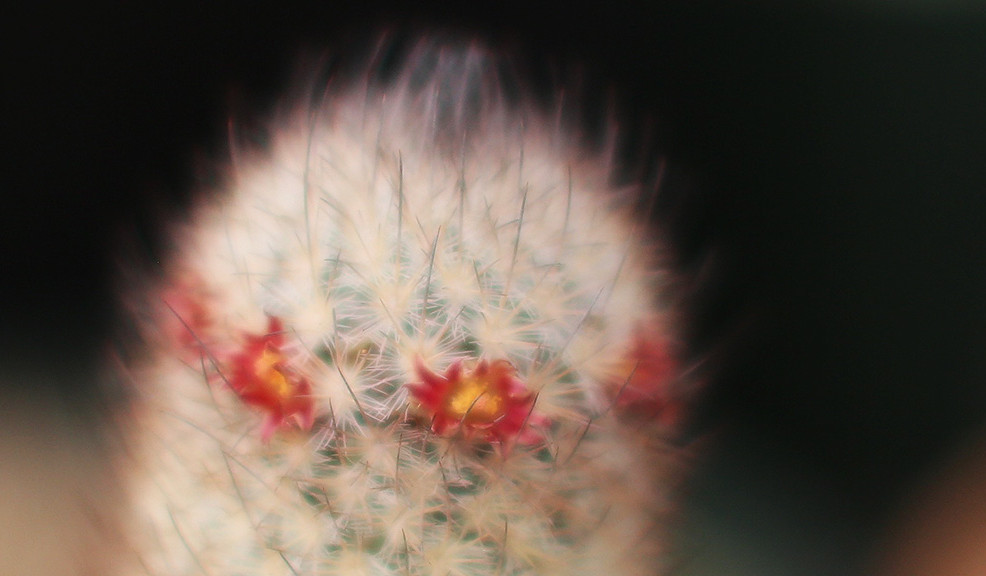
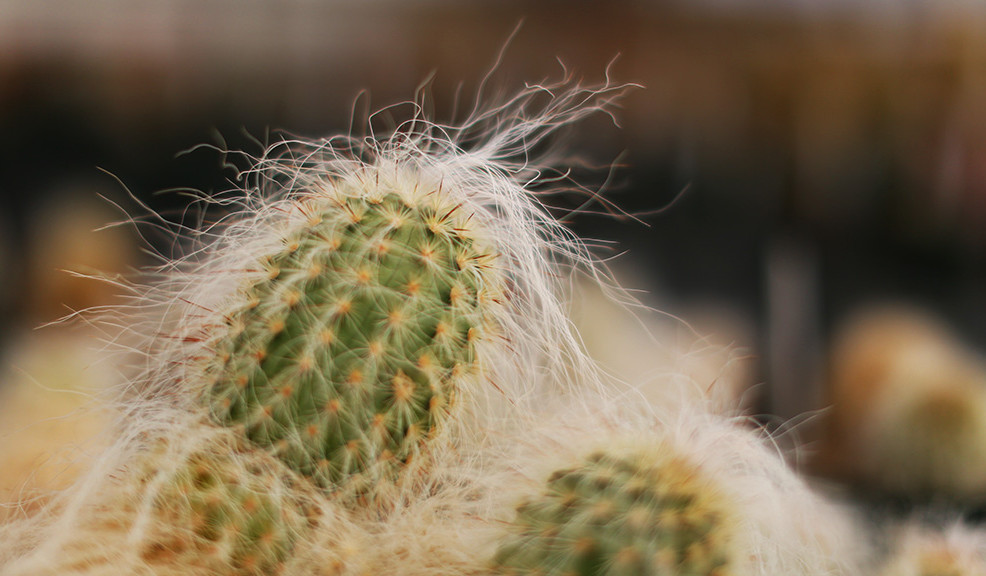
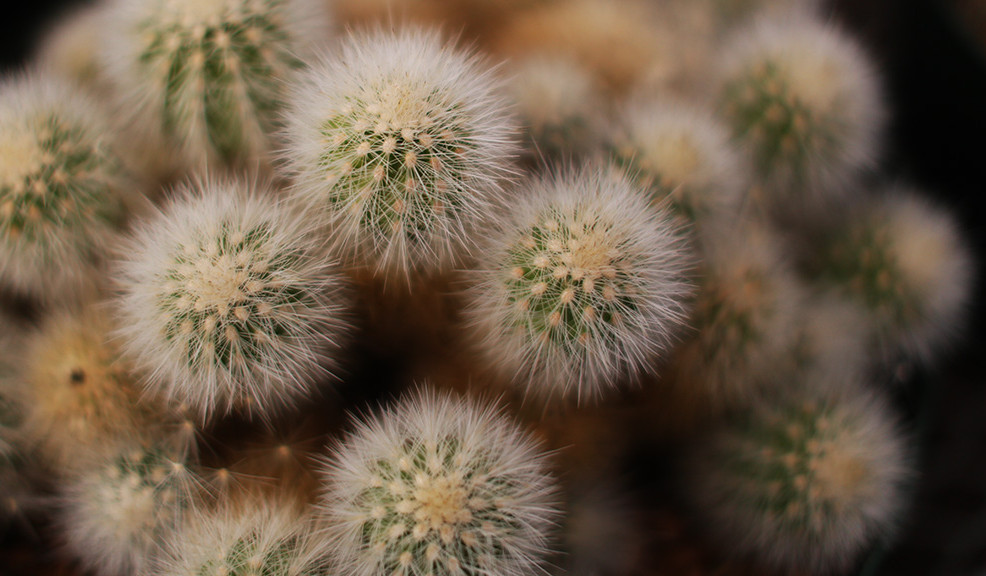
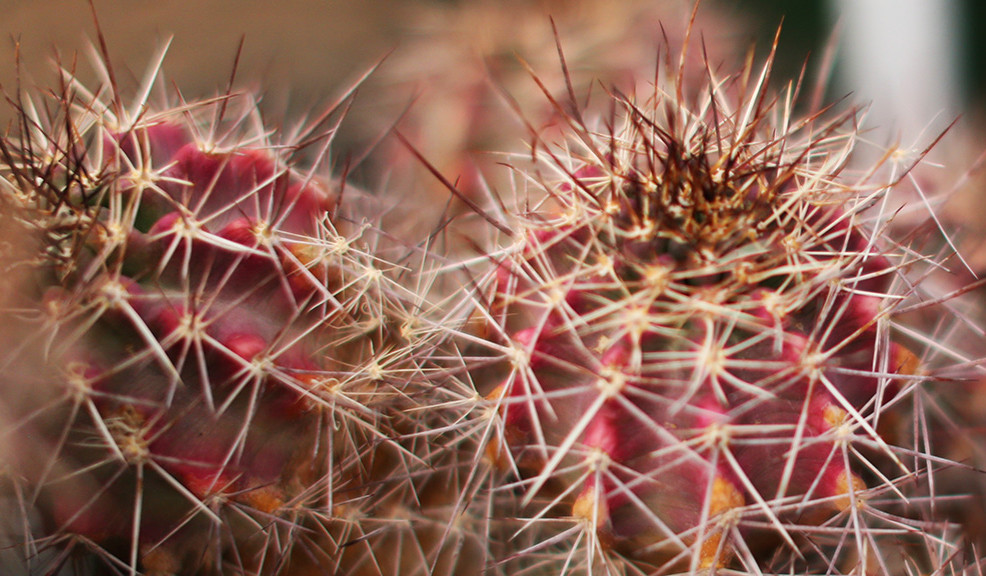
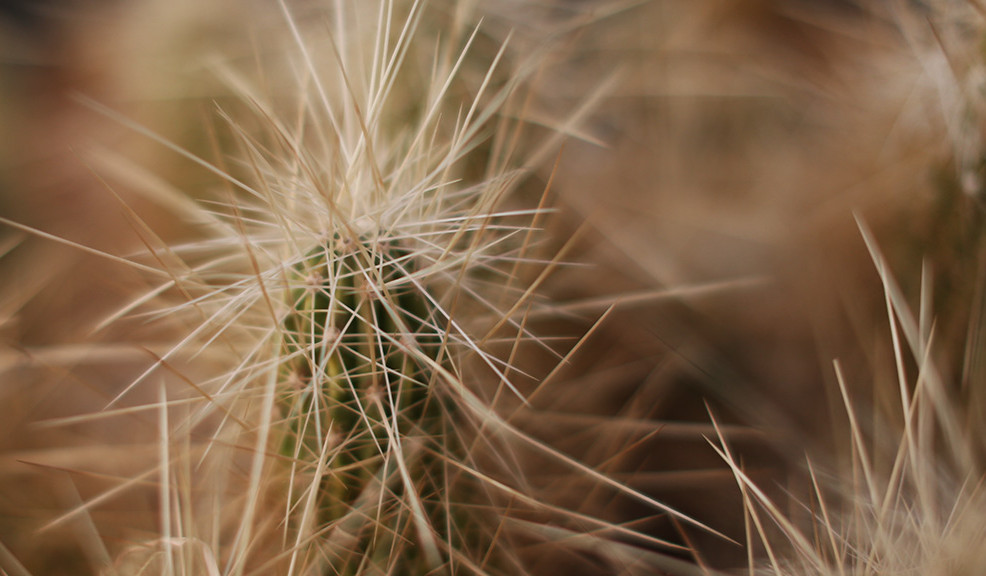
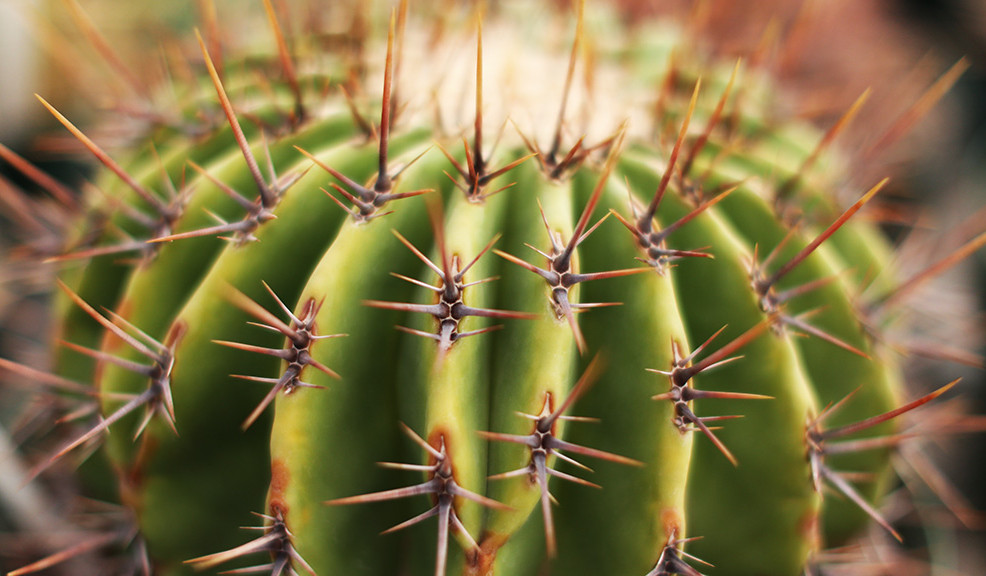
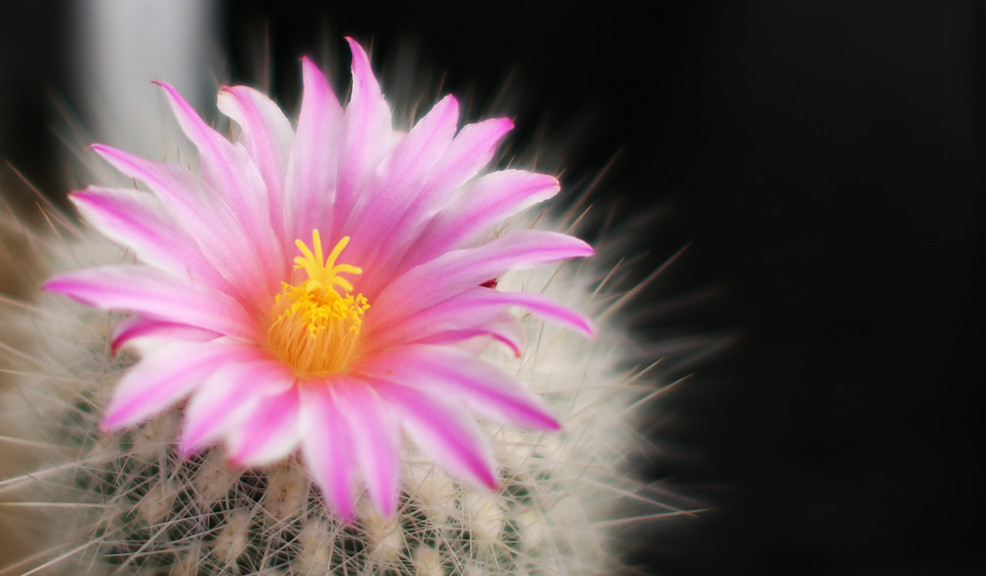
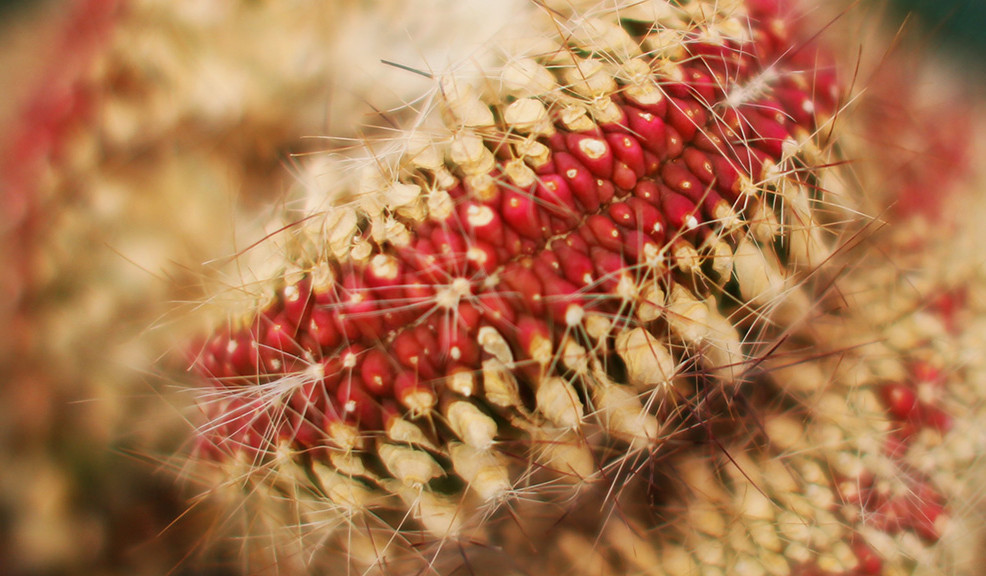
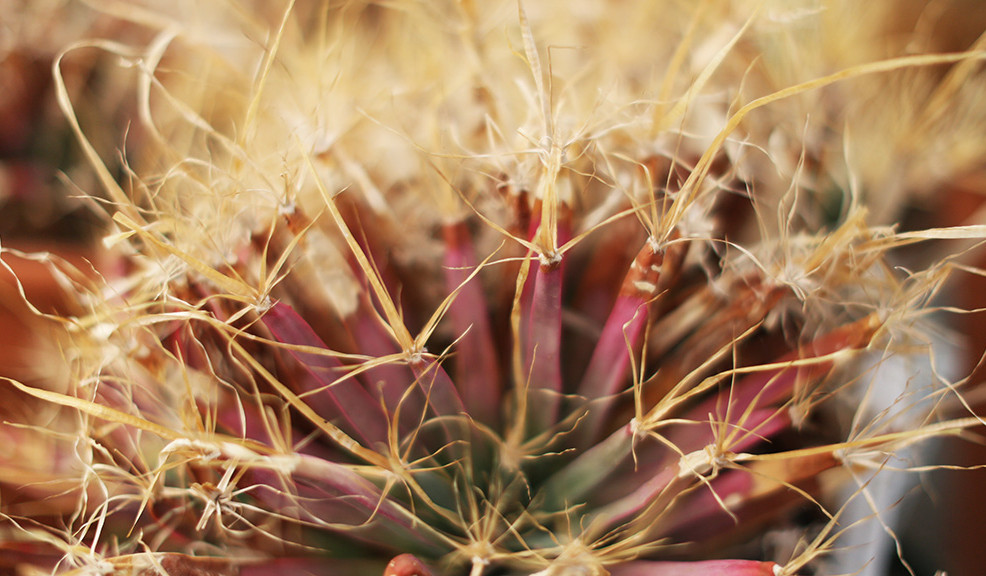
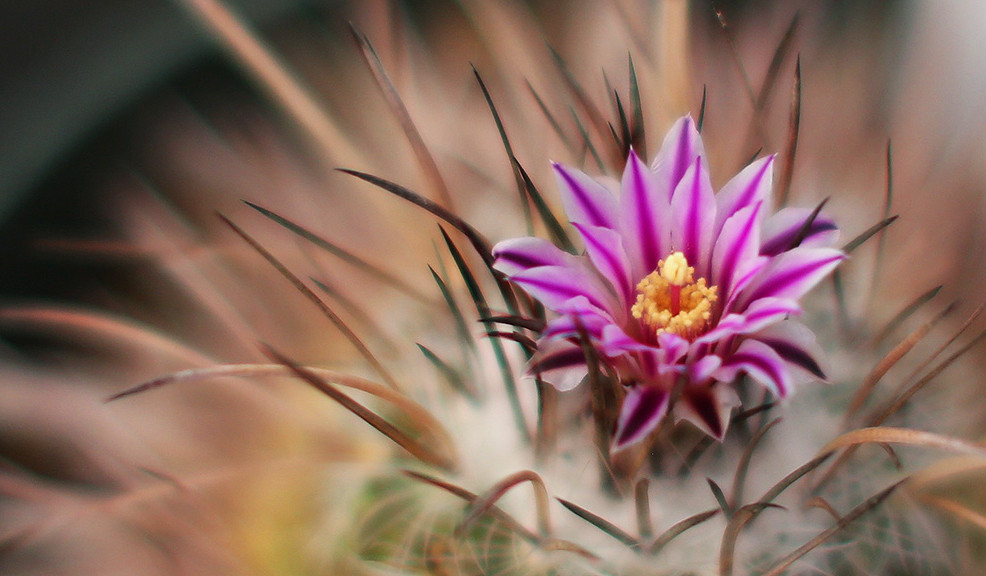
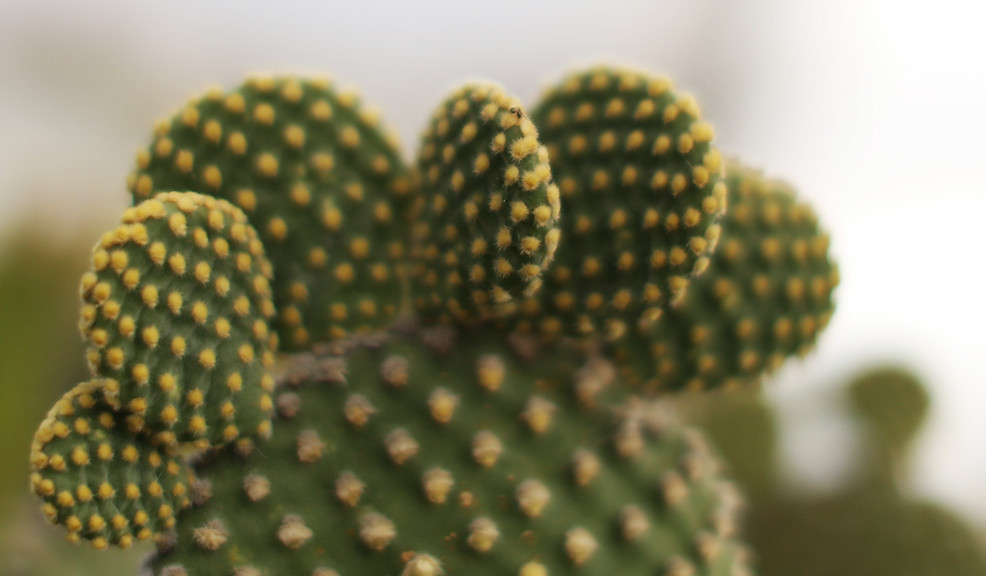
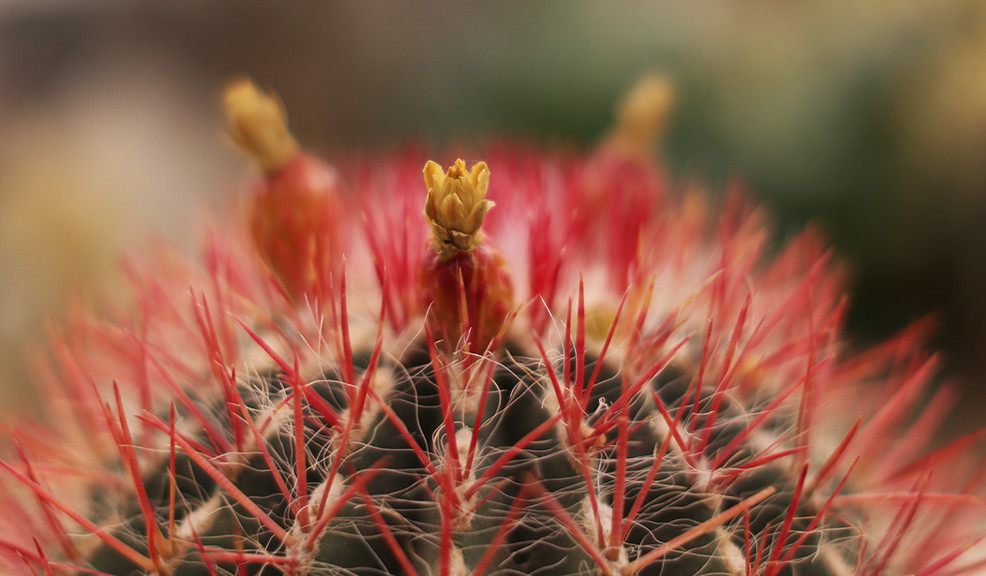
The Chihuahuan Desert Nature Center and Botanical Gardens outside Fort Davis, Texas, take your mind from miniscule cactus flowers to dozens of varieties of sage, yucca and willow, to broad outlooks over volcanic intrusions. In the hours we spent there, we saw three other guests.
The Center is located on more than 500 acres and has three miles of hiking trails, including a riparian canyon. We started in the gardens, which has more than 165 species native to the Chihuahuan Desert, then found our way to the cactus and succulent greenhouse, with its magical display of more than 150 species, many grown from seed.
We took the mile-long loop to Clayton’s Overlook, where a series of well-designed displays explain the volcanic history of the surrounding mountains. Rather than lava thrown from a volcanic cone, much of the landscape was formed through volcanic intrusion, magma pushing up and under the existing layers, creating mounds that later eroded into magnificent formations.