Our wandering path
Top 10 cool facts we learned about redwoods
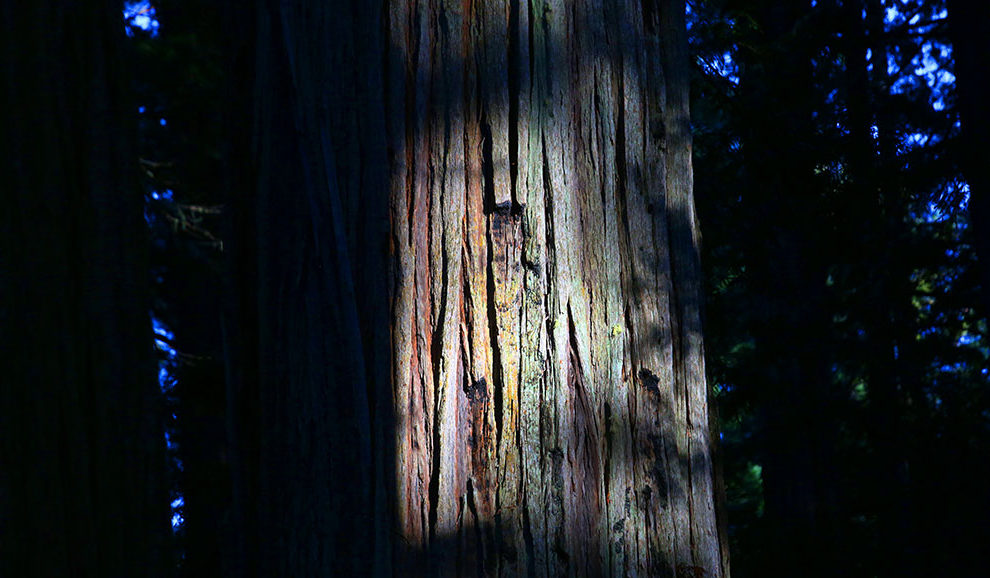 There are three kinds of redwoods - coast redwoods, which grow along California's northern shores, giant sequoias, which grow inland in California, and the Dawn redwood, which is native to Asia.
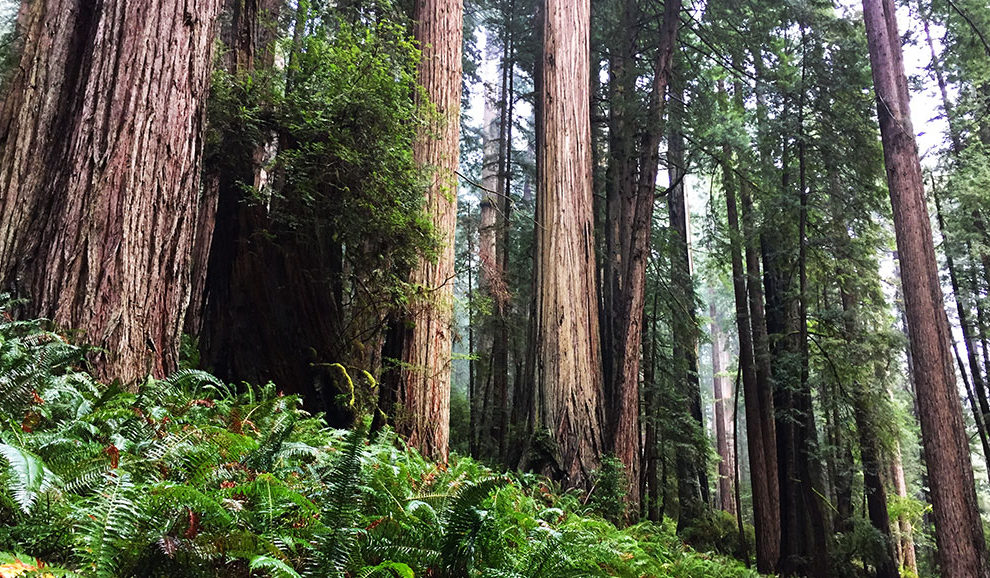
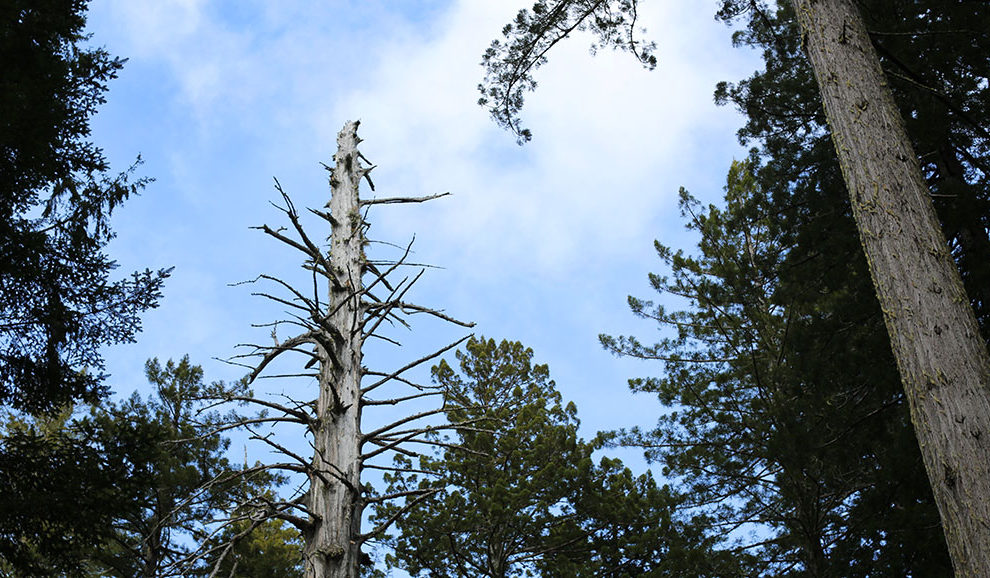
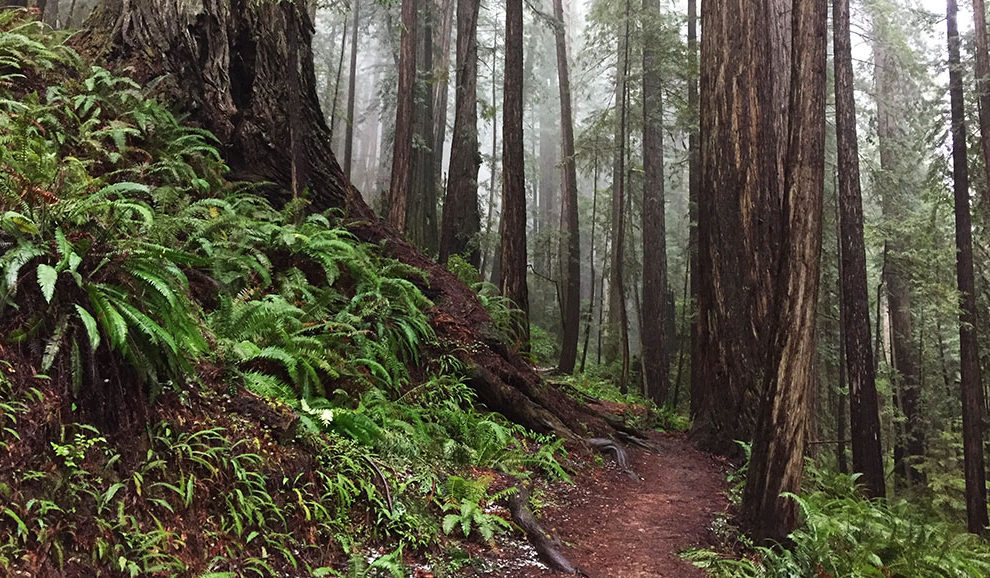
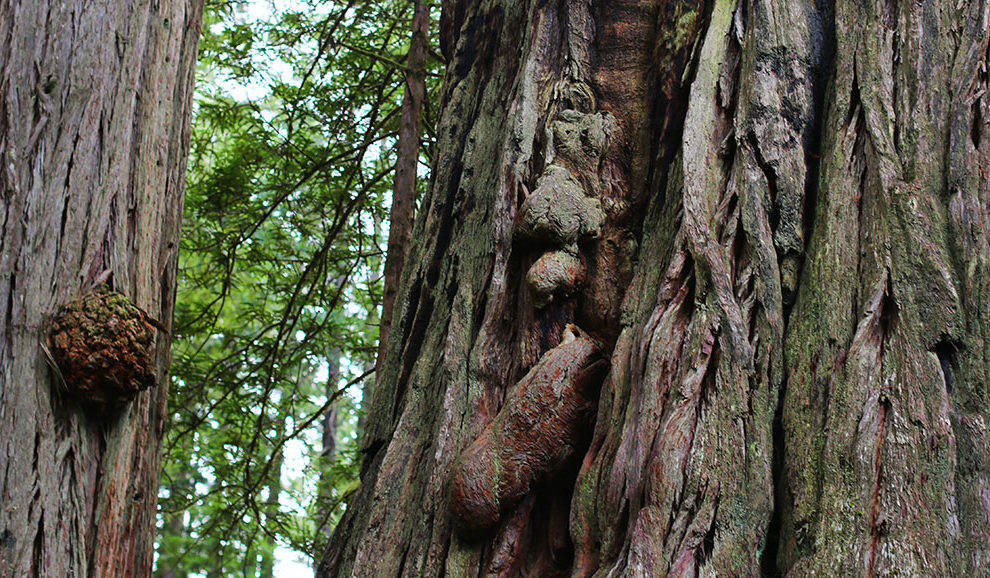
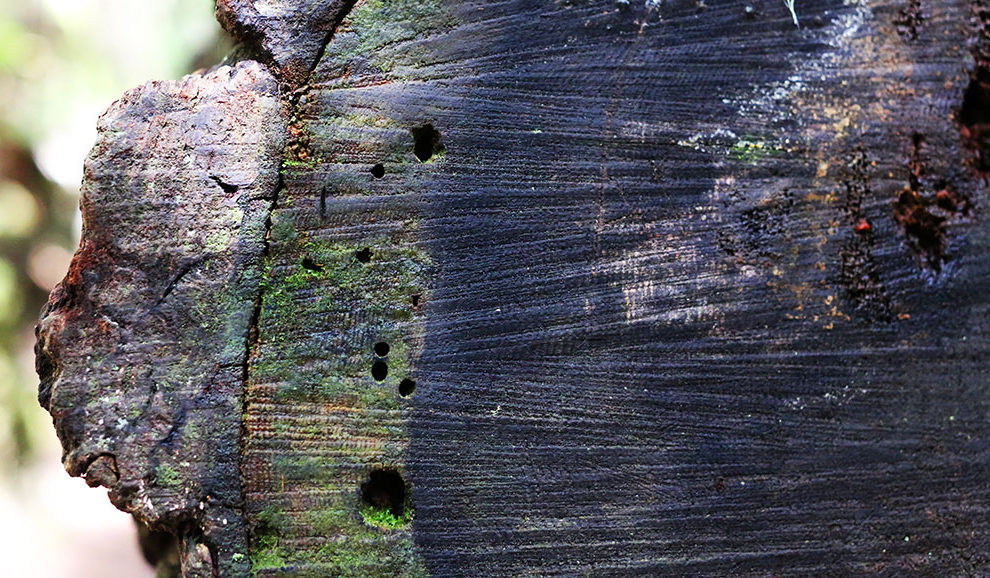
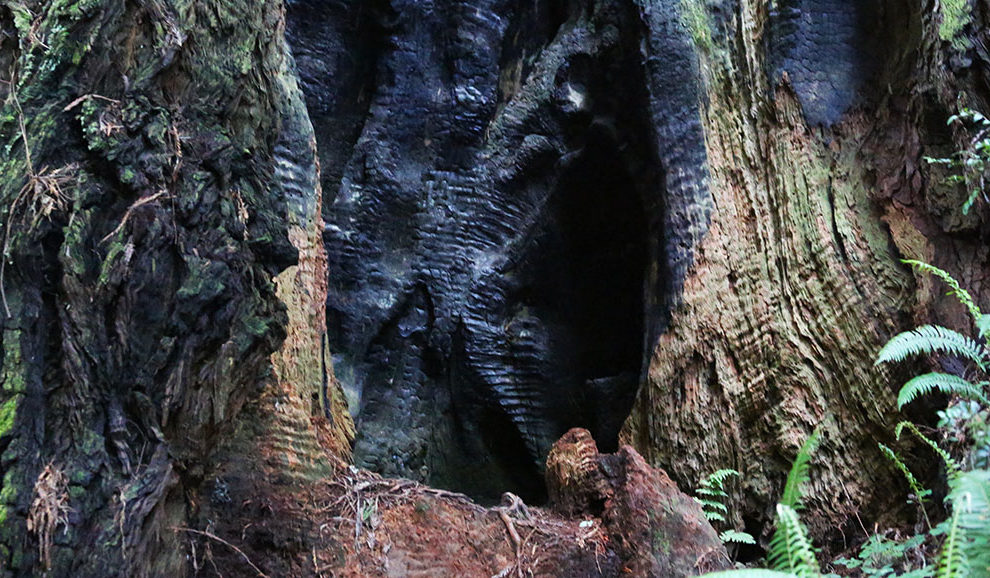
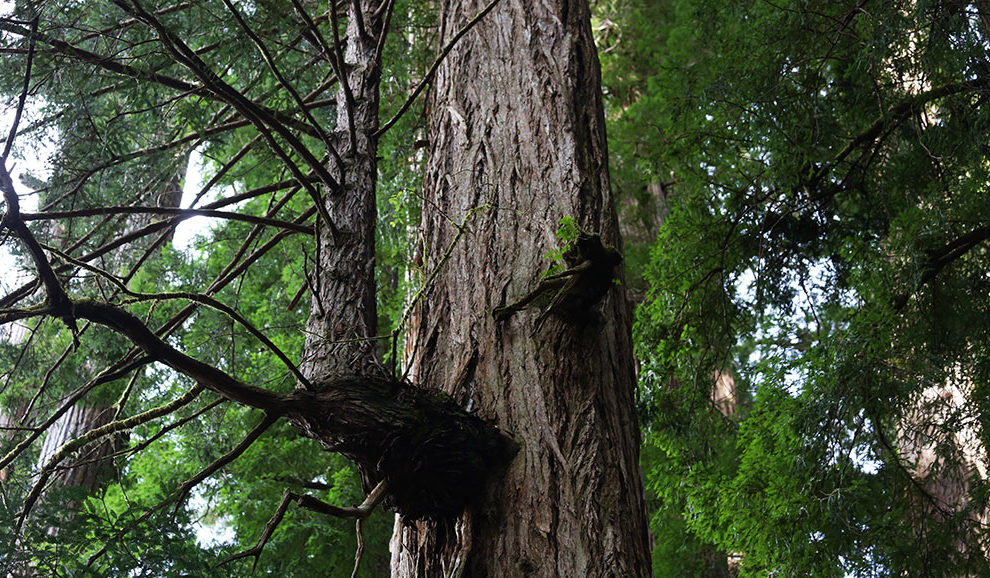
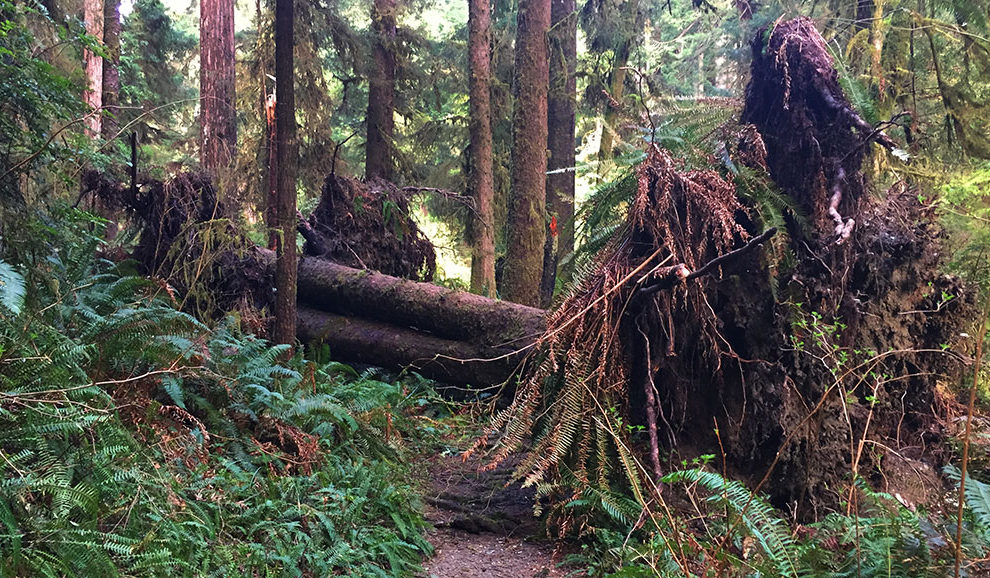
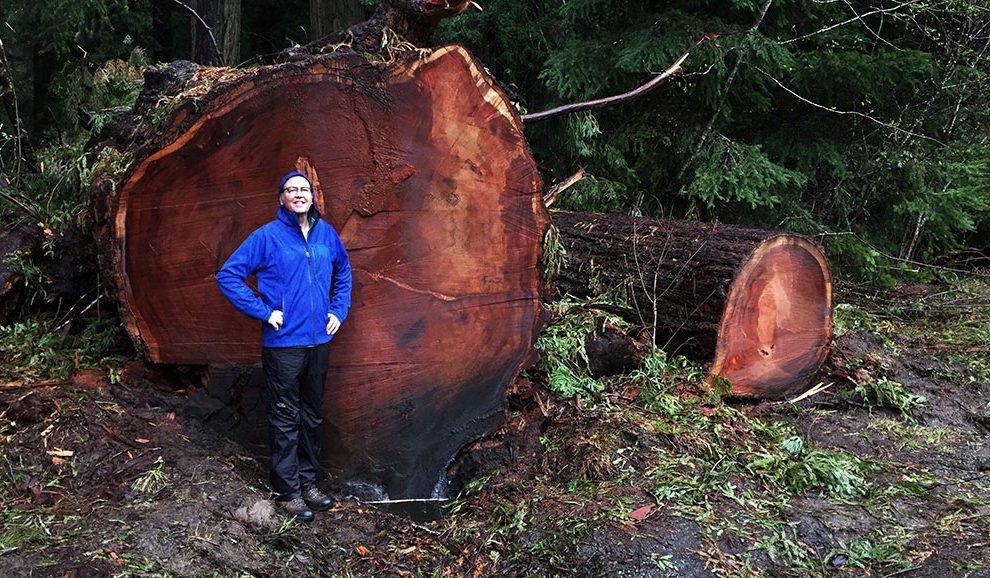
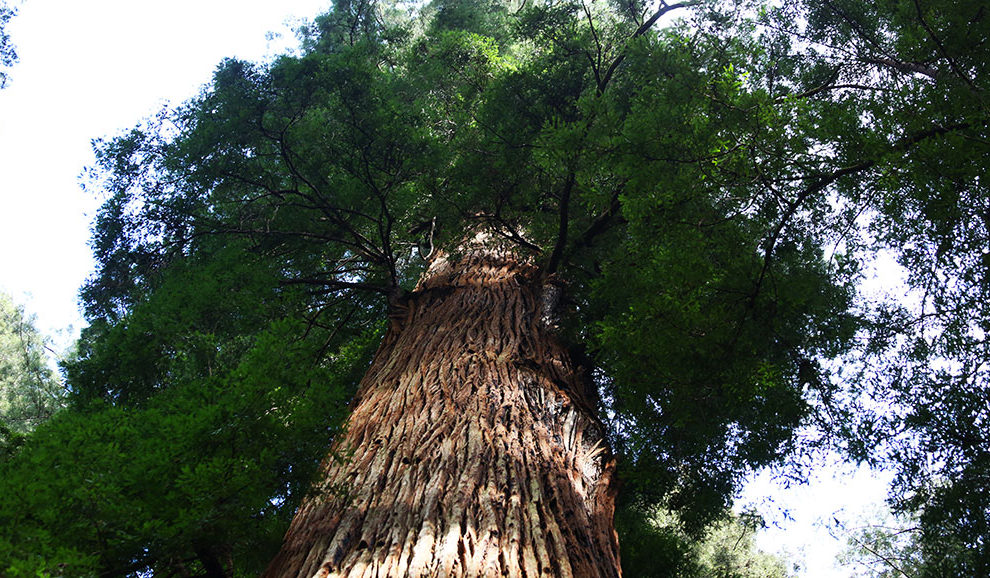
In the three months we volunteered at Prairie Creek Redwoods State Park, we were mesmerized by the beautiful trees from which it takes its name. Sadly, most of the old-growth redwood forest was mercilessly logged. Less than 5 percent remains, most of it in parks established after wealthy patrons purchased tracts in the 1920s, mostly from logging companies. Prairie Creek has one of the largest pieces of original old-growth left and several of the world’s top 10 tallest trees. Here are some of the interesting things we learned about these majestic trees. And, although pictures cannot capture their grandeur, I have included some photos.
Update: It’s a harem
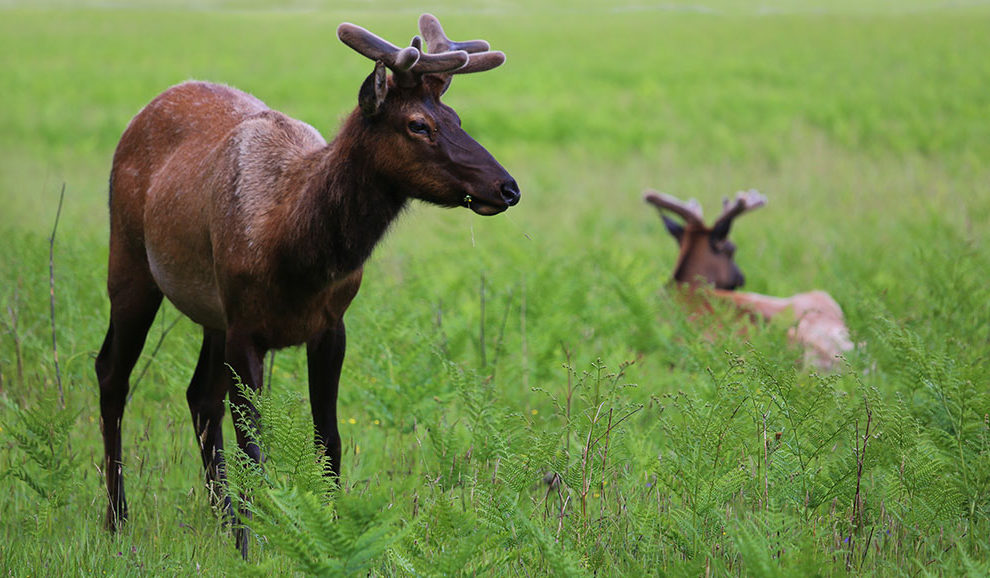 Two of the male elk on the prairie.
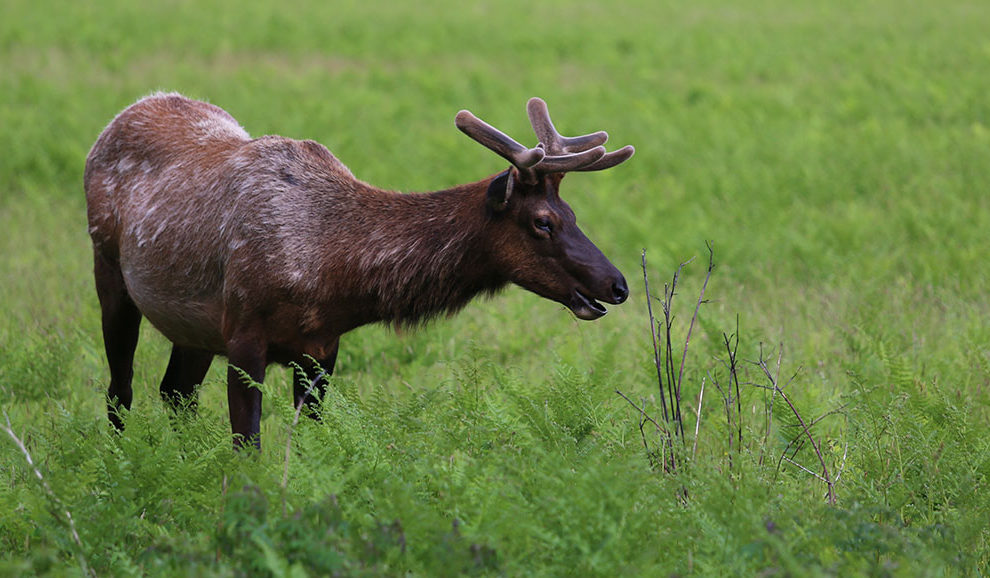
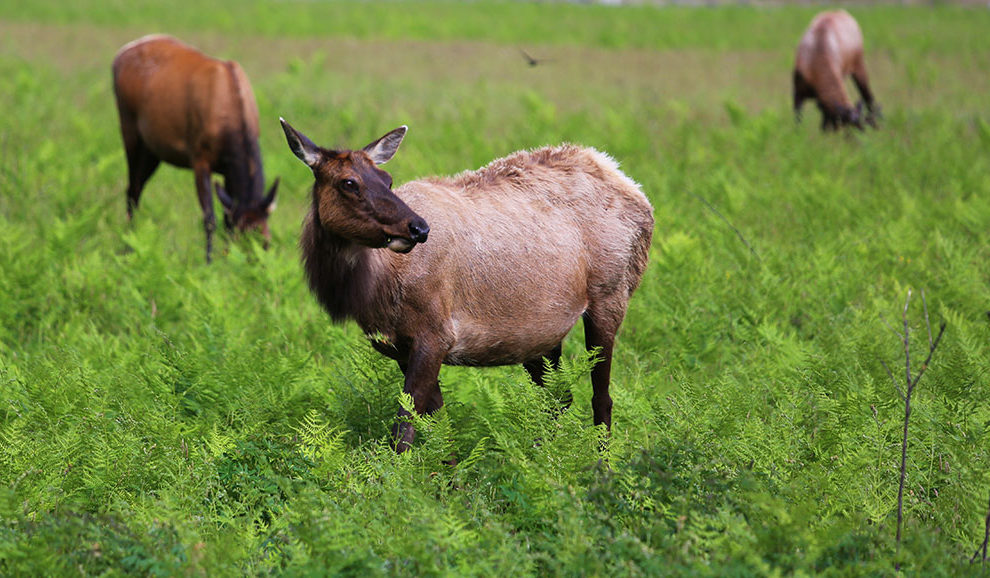
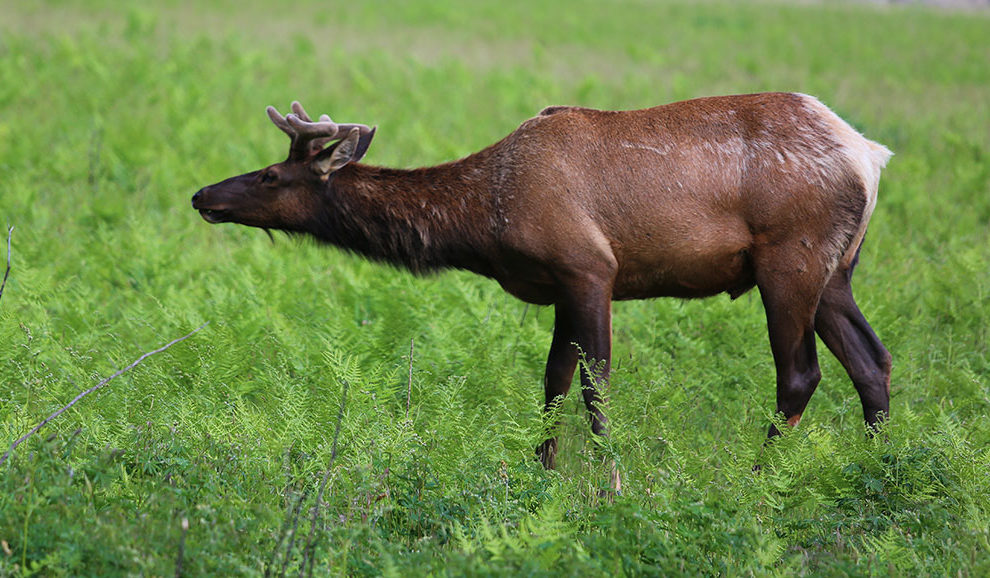
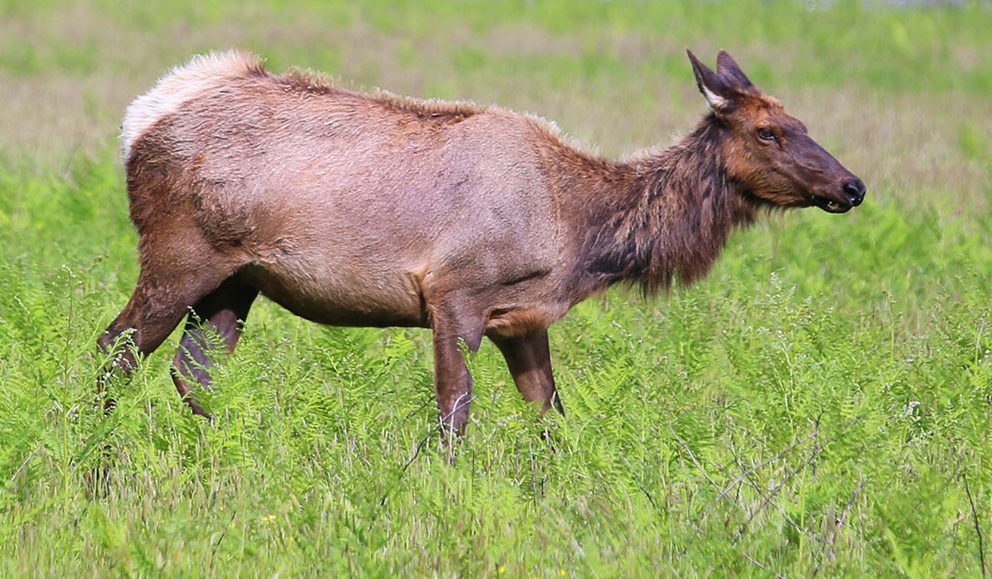
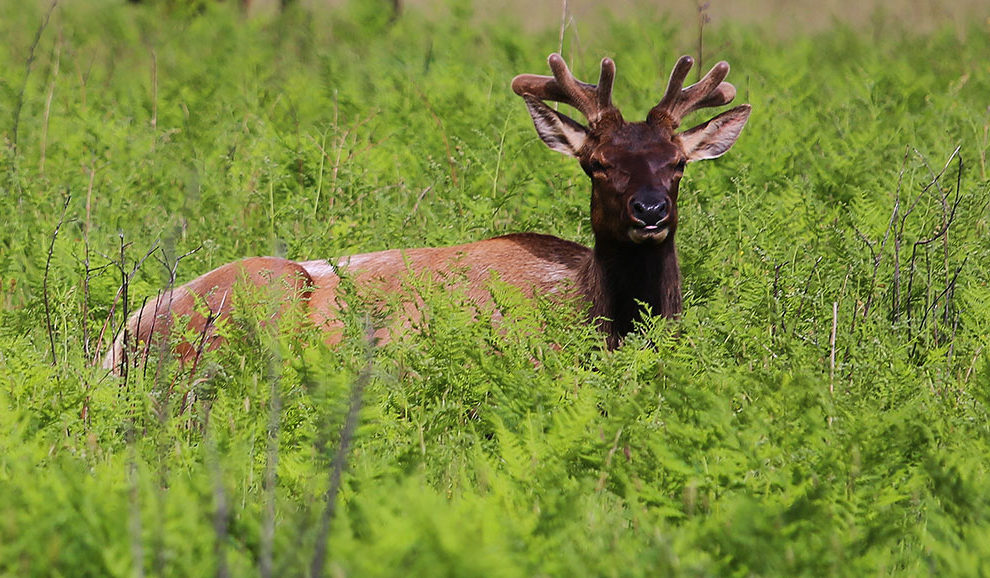
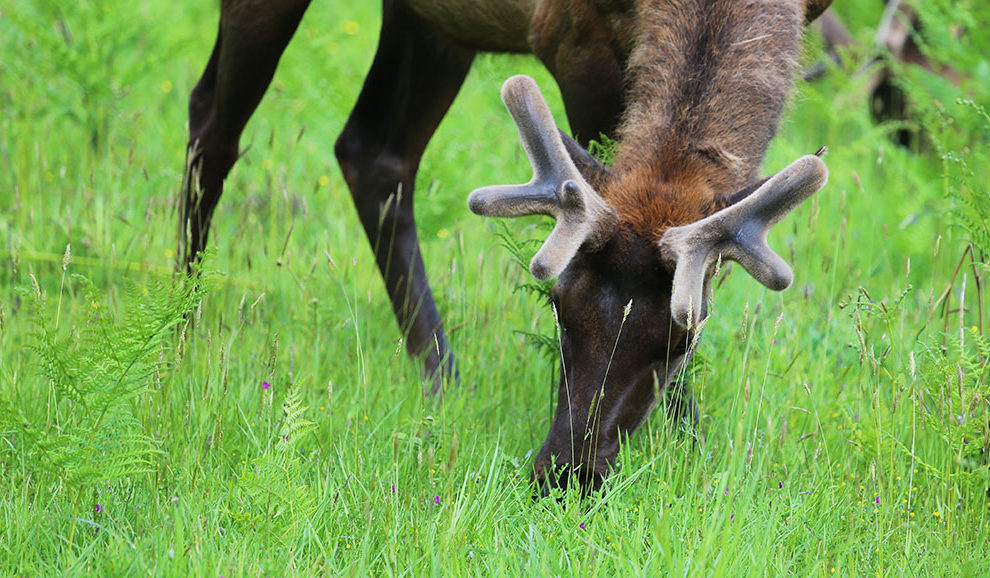
A quick update on our elk, the four (former) “bachelors.”
Bachelors no more. Over the past month or so, the guys attracted more guys and, hooray, two females, one of whom is very, very round and, I suspect, very, very pregnant. The elk herd is called a harem, and these lovelies are fetching enough to do a dance of seven veils.
Now, the gang of 11 wander the prairie, munching and, occasionally, people watching. The males’ new antlers are growing quickly, up to an inch a day, covered with luxurious gray velvet.
I often stop to watch as they lie in the tall grass, chewing at leisure, and I anticipate the babies to come.
Here are a few new photos.
The commute: Then and now
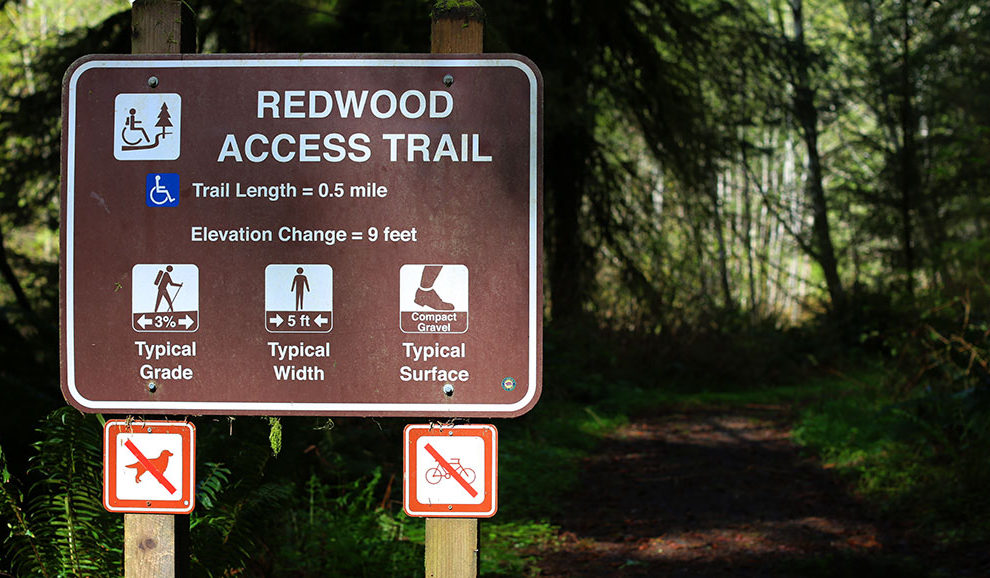 Our current commute is the half-mile Redwood Access Trail from the campground at Prairie Creek Redwoods State Park to the Visitors Center.
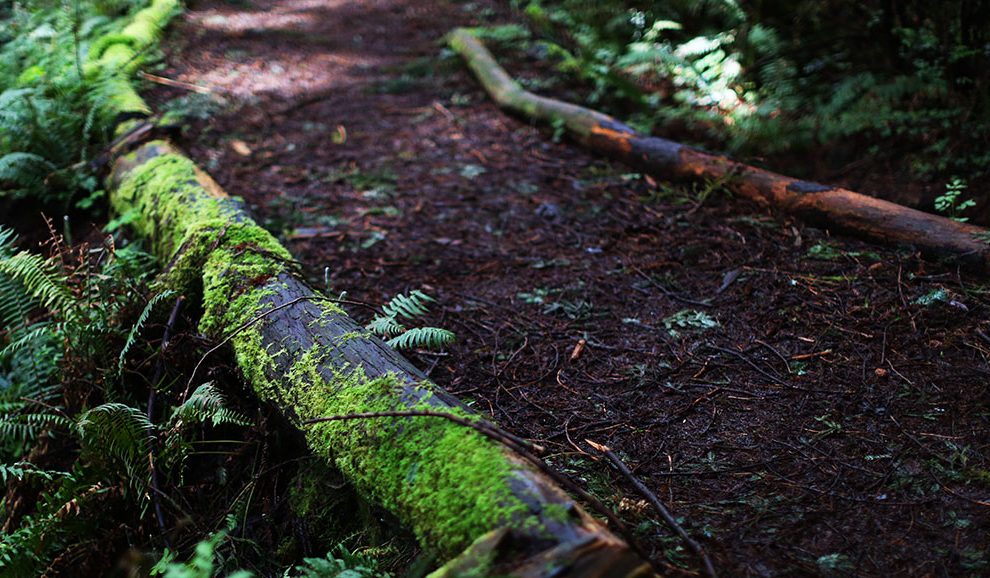
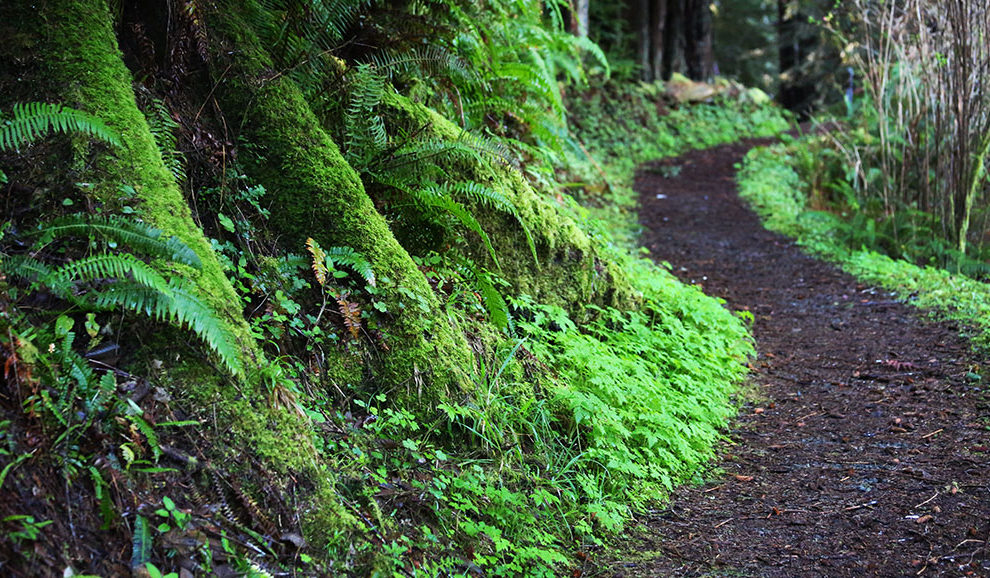
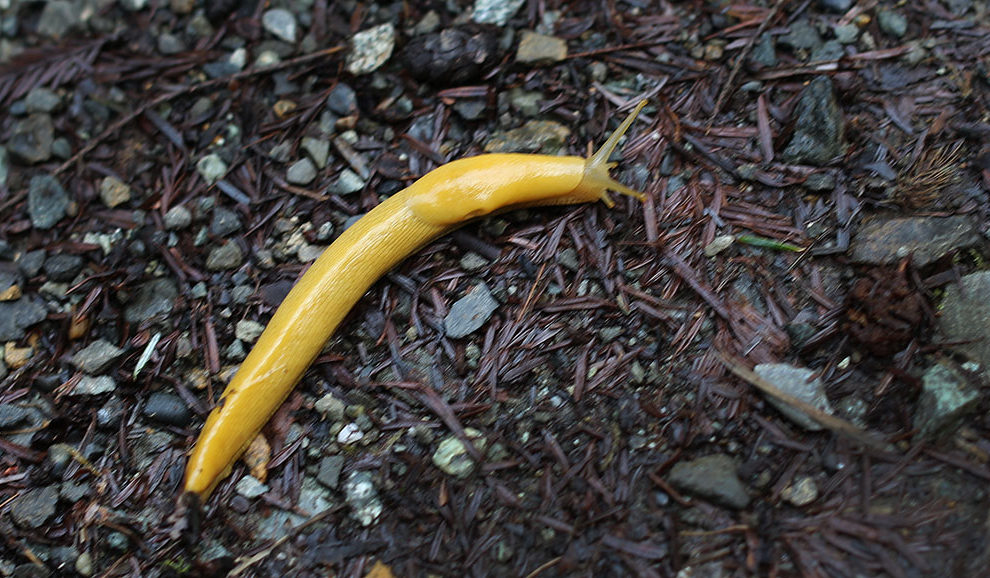
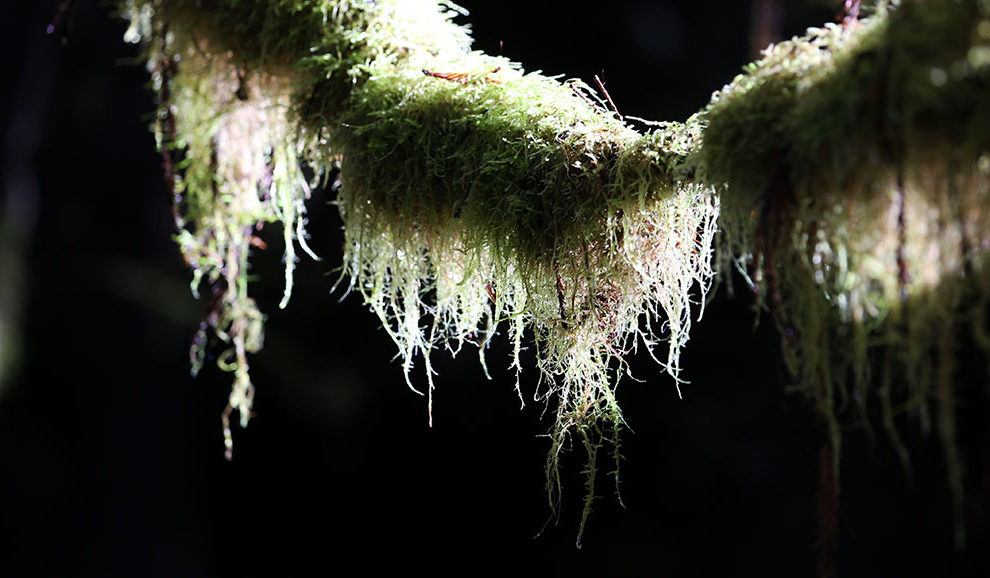
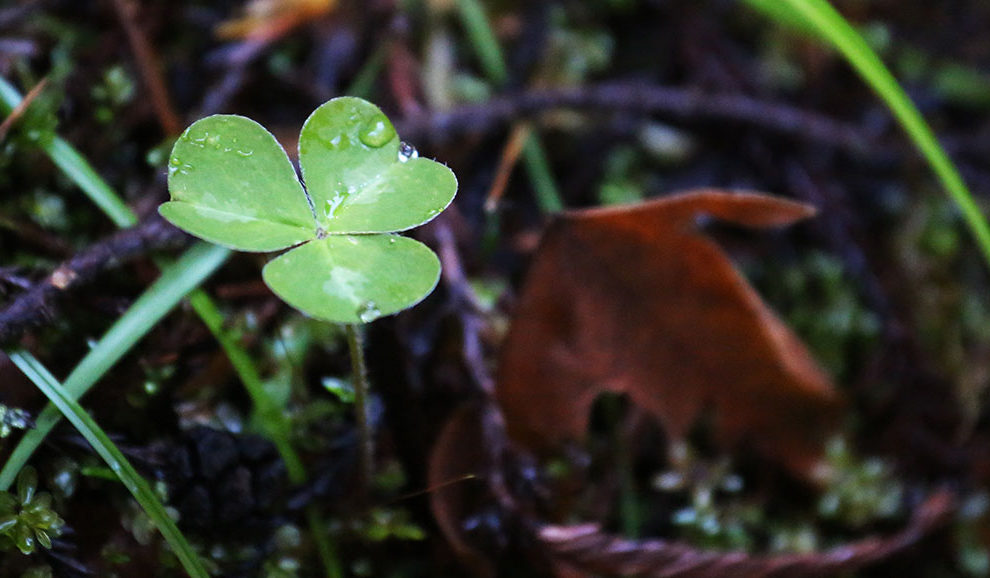
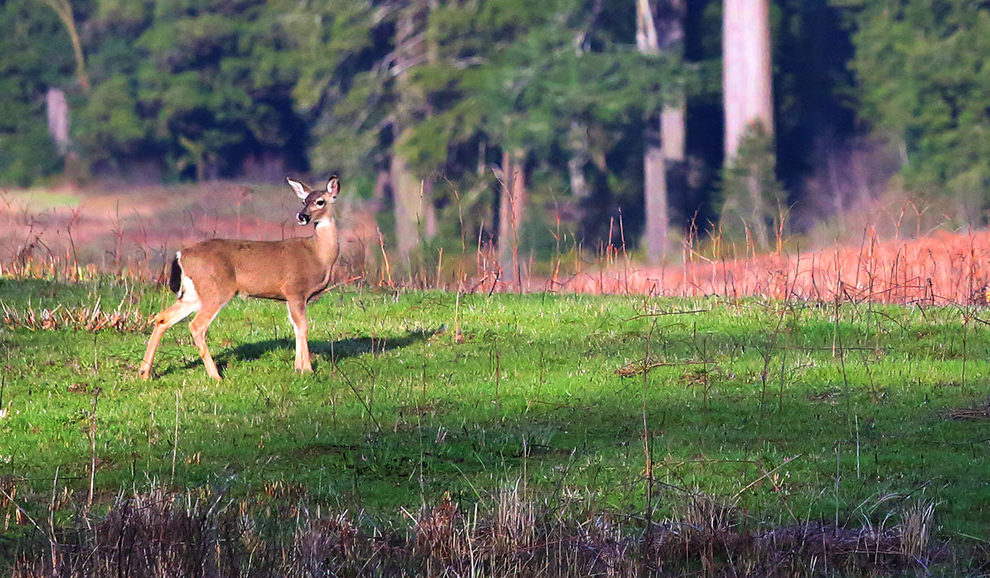
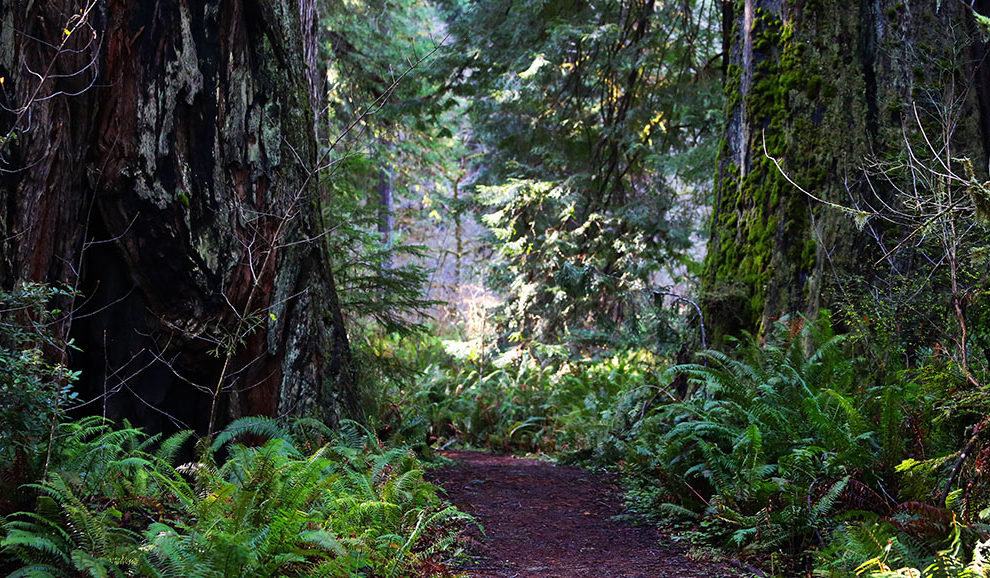
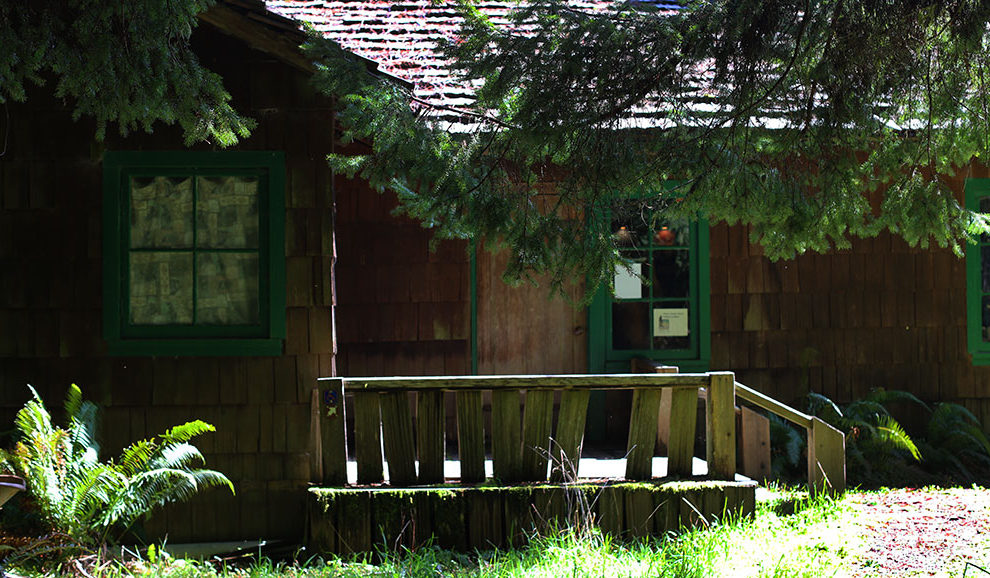
Then: Arizona 202 to The Arizona Republic in downtown Phoenix, where I was a reporter, 8 a.m. returning at 6 p.m. Tom took the same route off-peak, 2 p.m., for his evening shift at the paper, returning at 11 p.m.
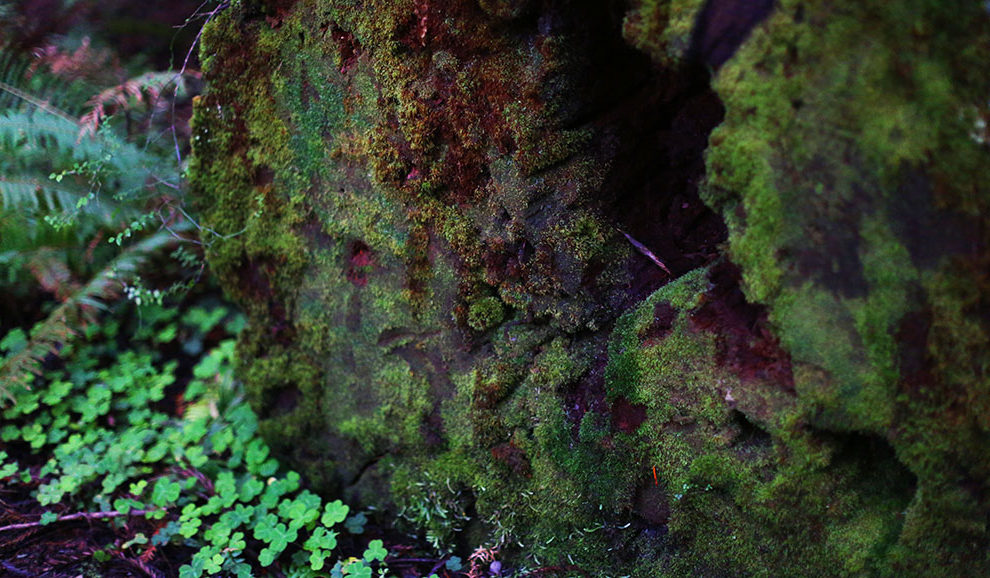
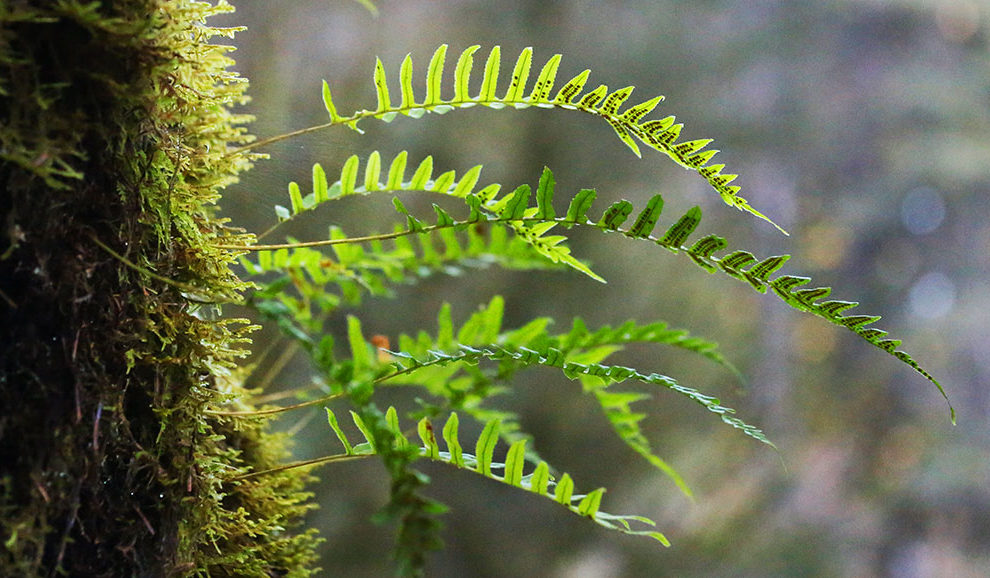
Now: Volunteering at Prairie Creek Redwoods State Park in northern California, Tom and I walk from the campground to the Visitors Center on the Redwood Access Trail, a half-mile rise of nine feet through old-growth redwoods, ferns and blooming redwood sorrel, leaving at 8:45 a.m., returning at 12:45 p.m., three days a week.
The bachelors: Roosevelt Elk at Prairie Creek Redwoods State Park
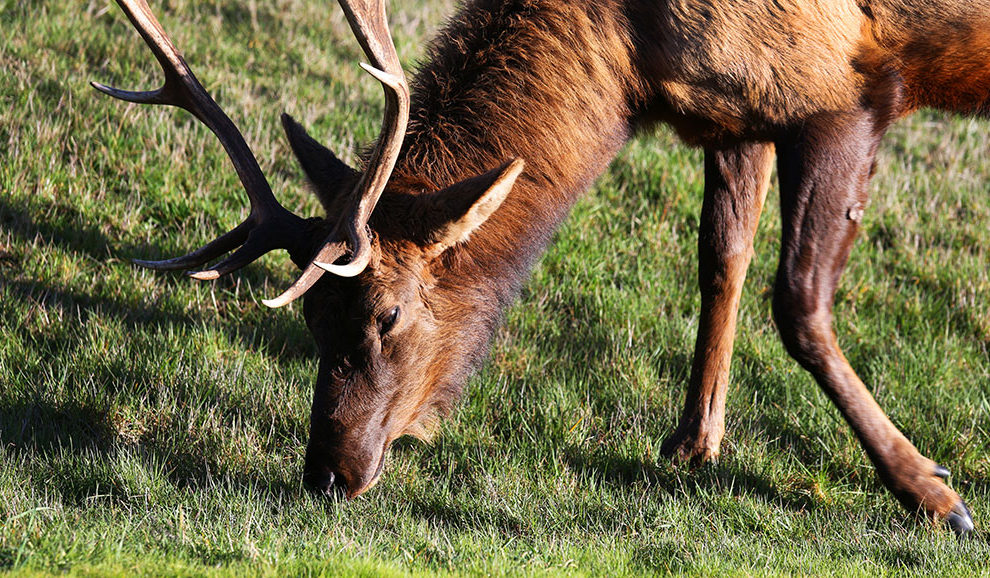 We call them the bachelors, the young male Roosevelt Elk that hang out at the prairie by the Prairie Creek Redwoods State Park Visitors Center, where Tom and I are volunteers.
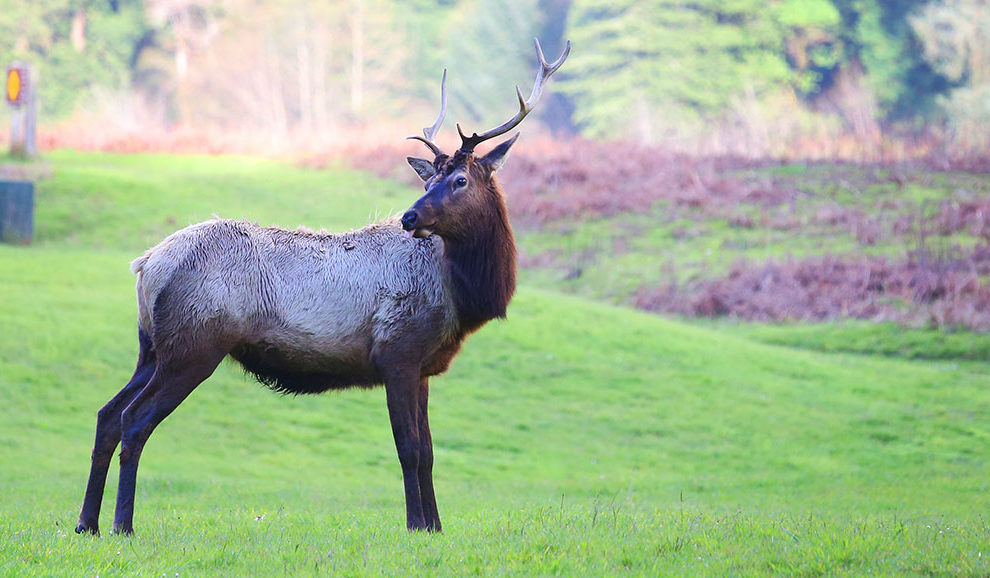
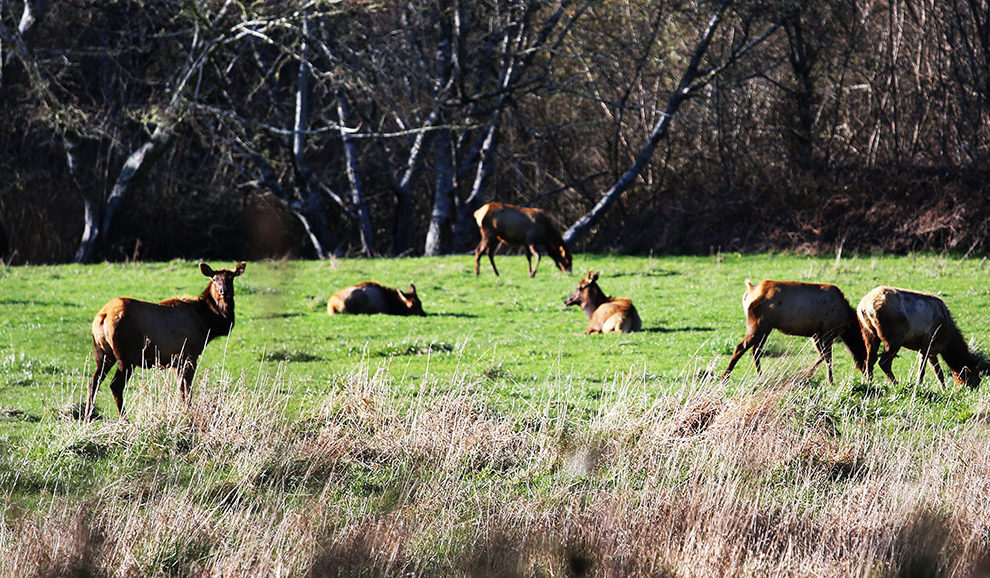
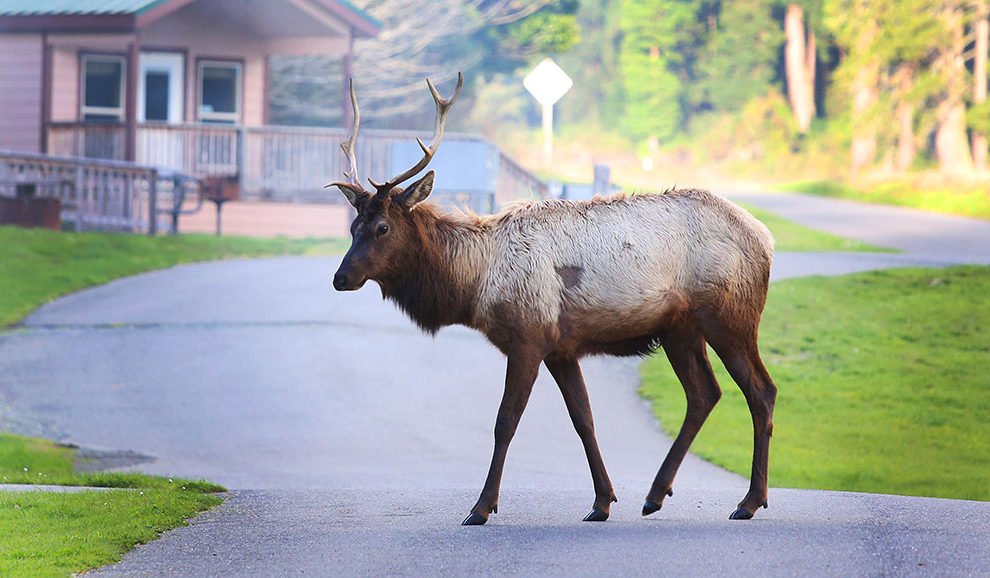
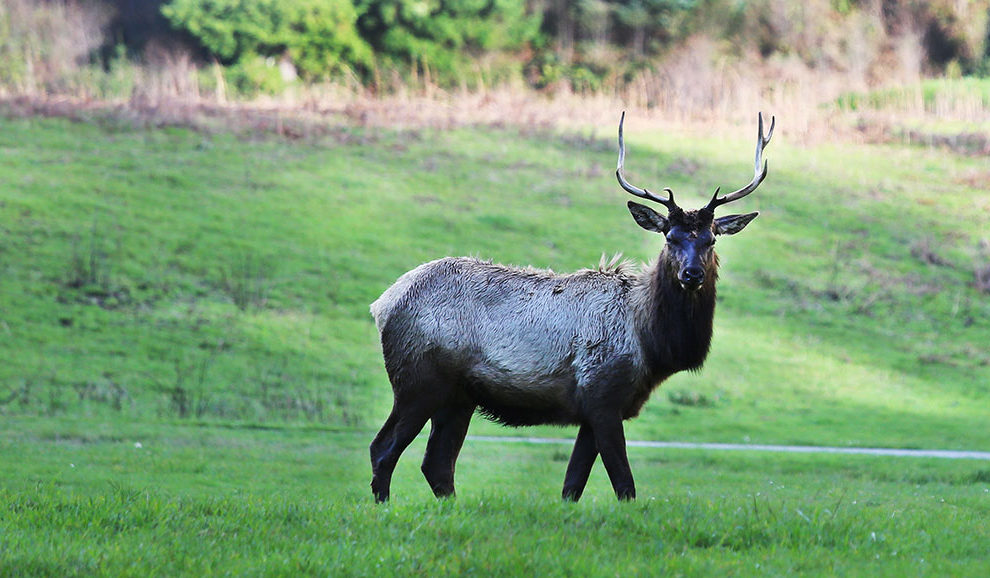
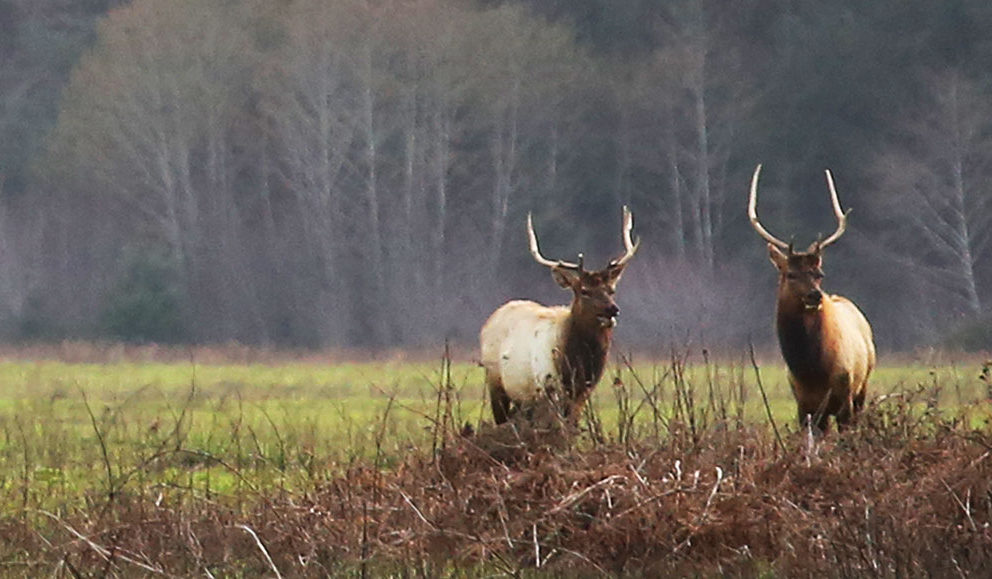
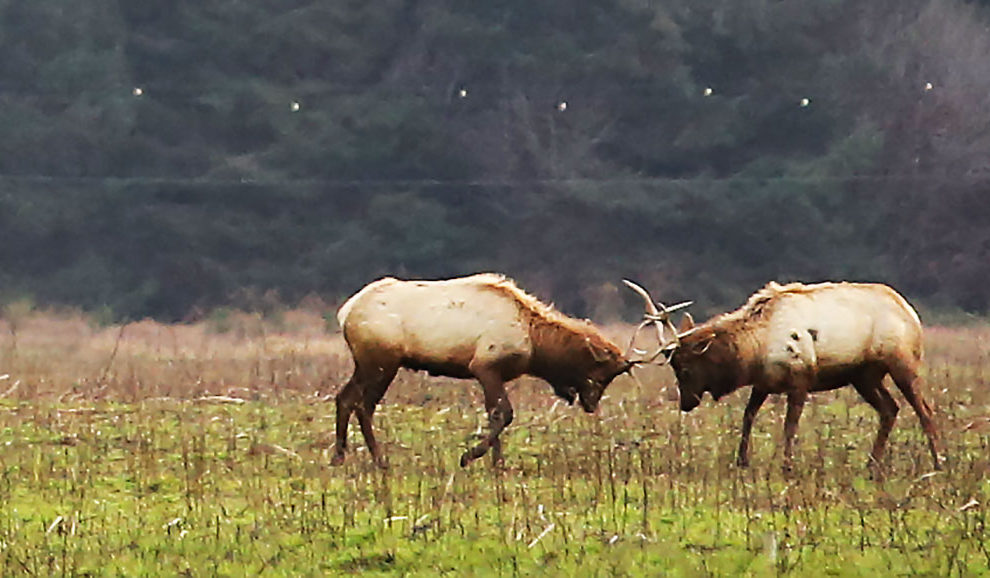
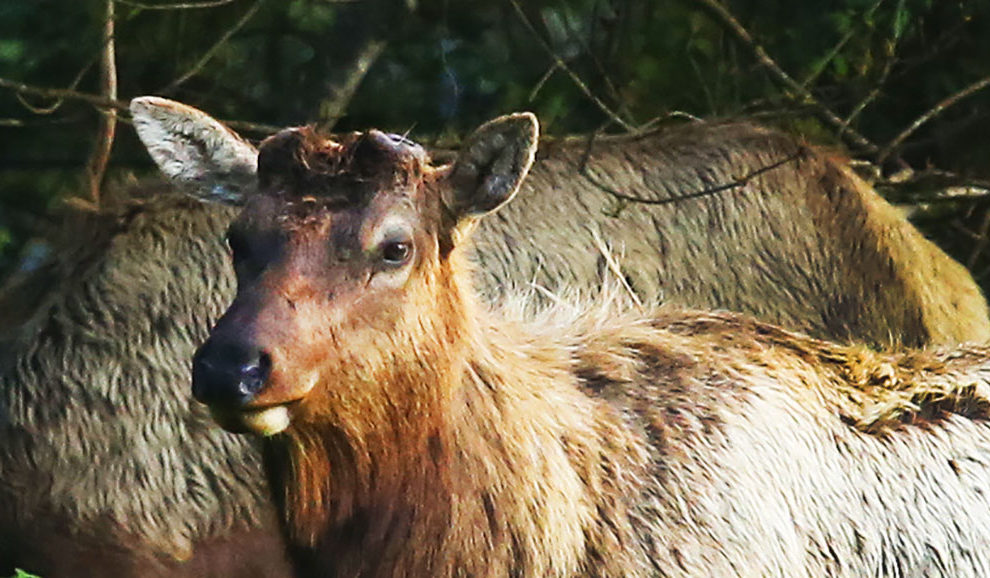
We call them the bachelors, the four young Roosevelt Elk that inhabit the open prairie by the Visitors Center at Prairie Creek Redwoods State Park. The young males are old enough to be threatening to a bull elk with a harem, and so have been cast out to wander on their own.
Obamacare wobbles but works for us and millions – Tax credits under Republican plan won’t cover high cost of insurance
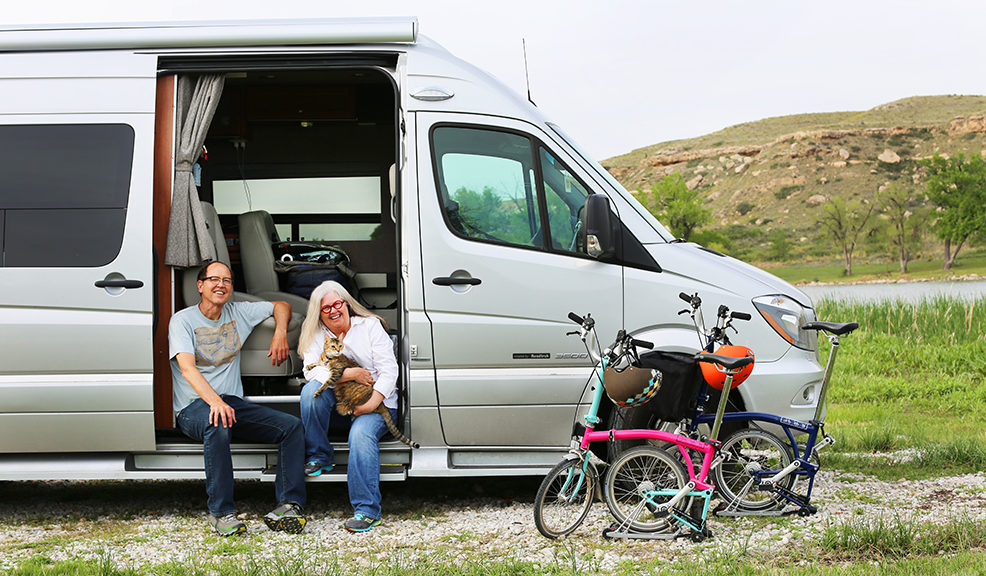 Tom, Judy and cat, Pippi, as we headed out on our adventure in The Epic Van.
By Tom Nichols
Paying for health insurance for our family of three was my biggest worry after Judy and I quit our middle-class jobs, gave up our employer-subsidized coverage, and hit the road in The Epic Van.
Thanks to Obamacare, health care has been affordable during our first three years of early retirement.
Toasting success: A 10-mile hike, one of my longest
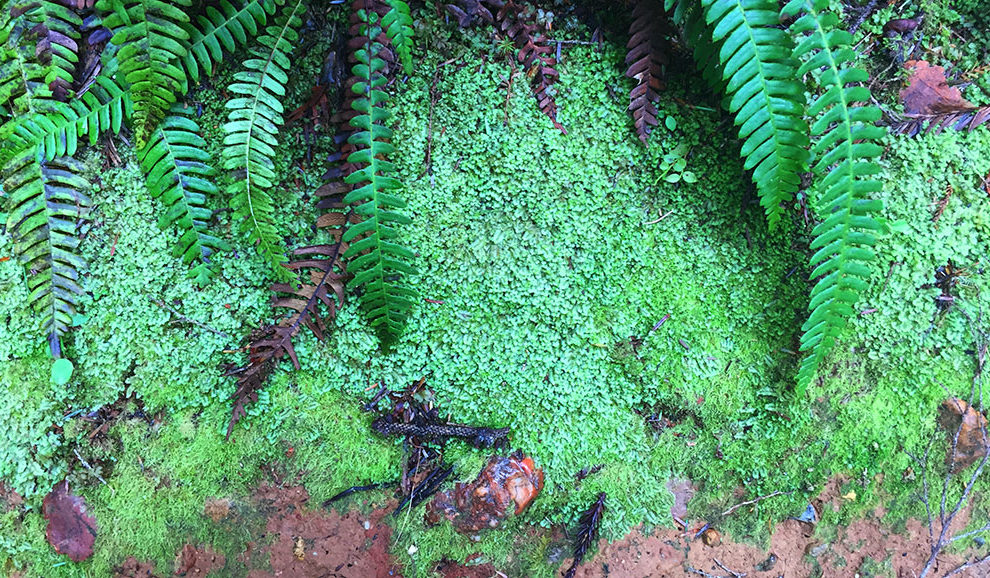 Ferns and lichen along the trailside.
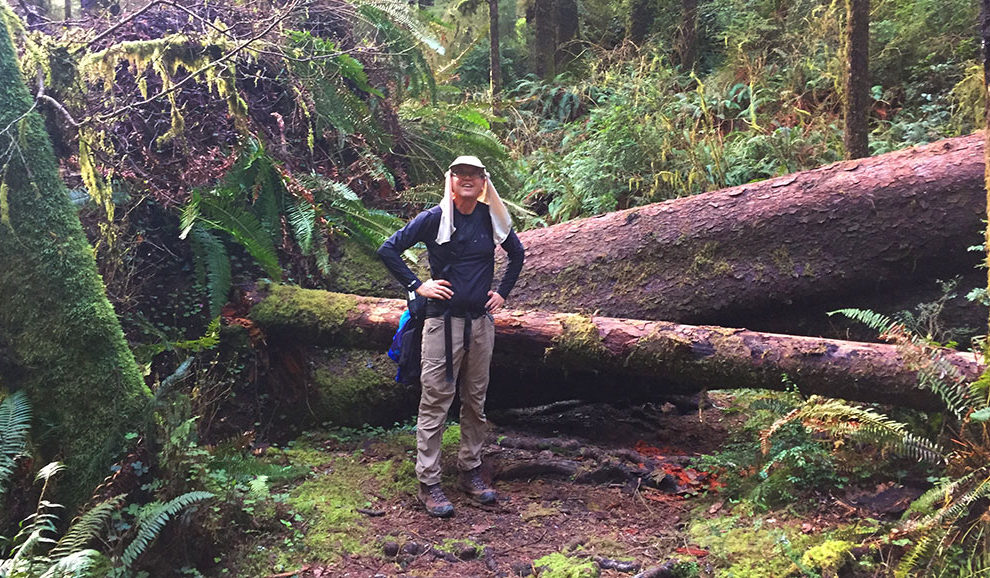
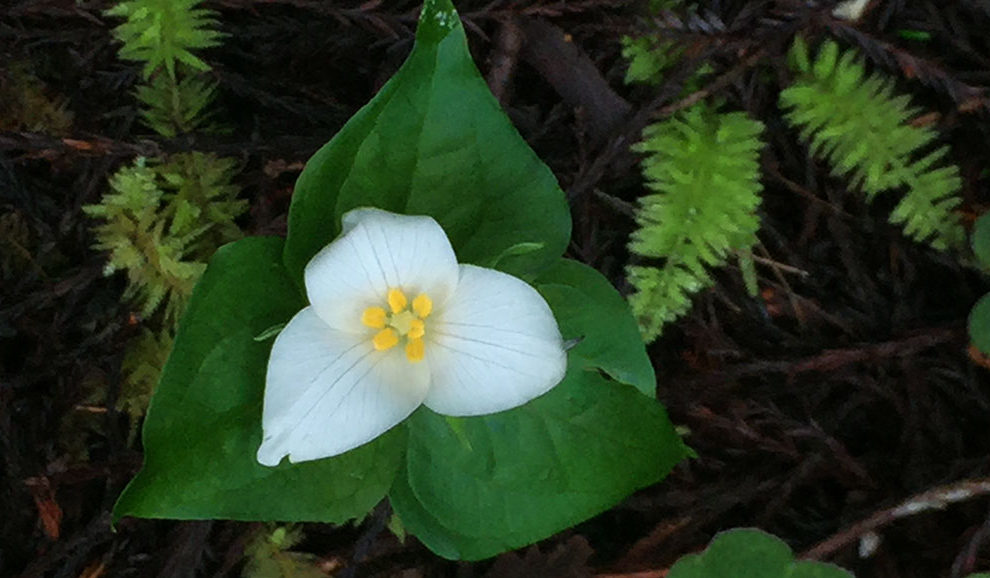
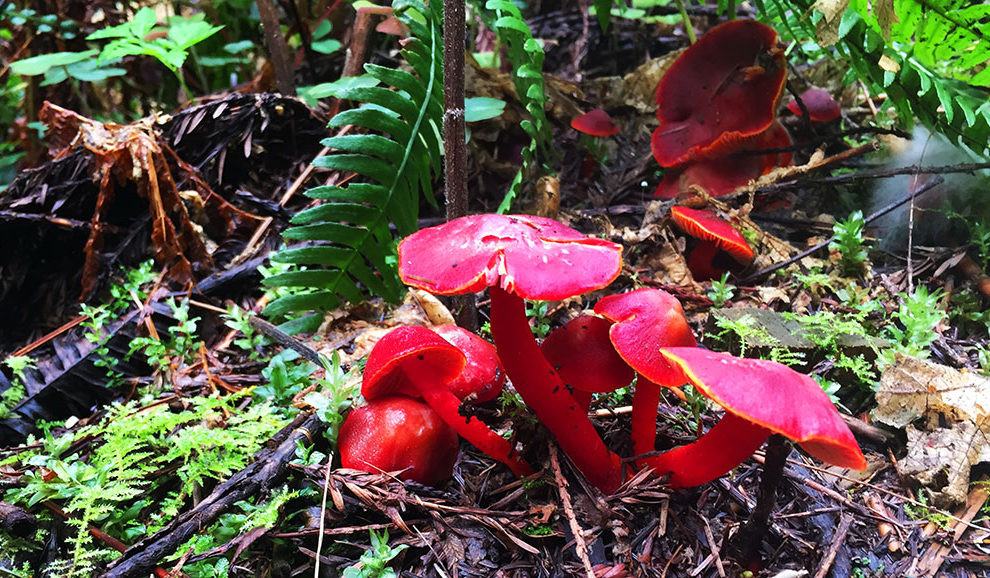
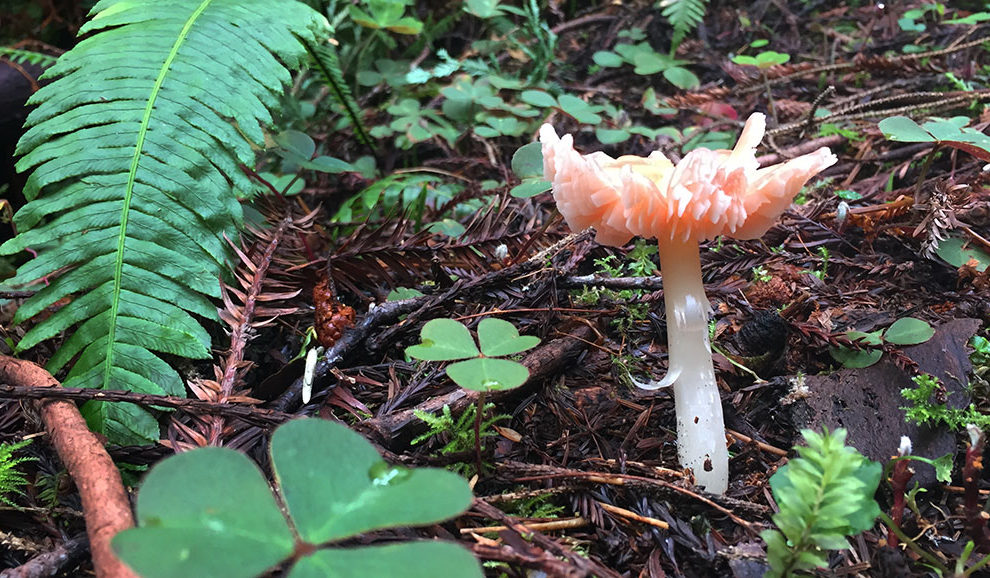
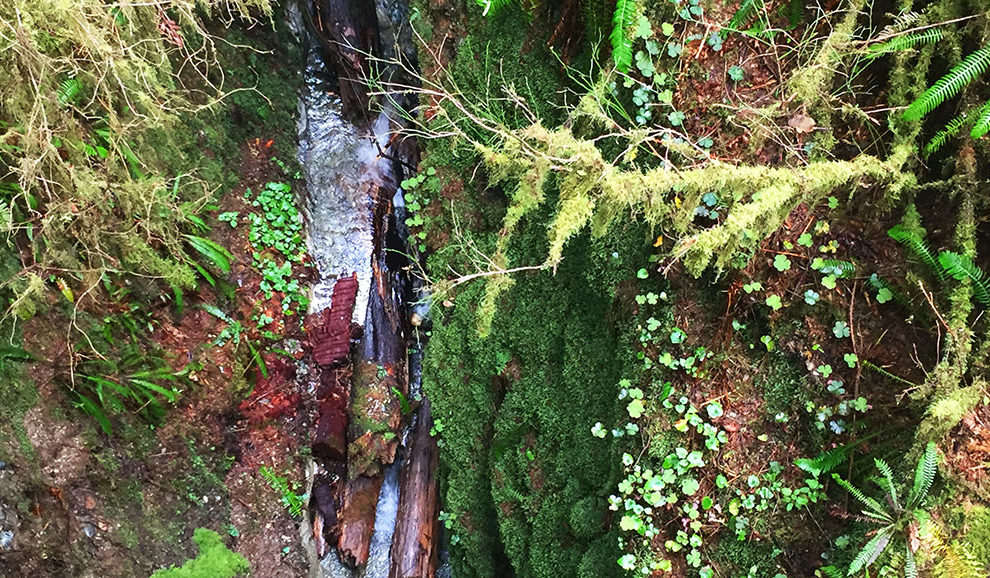
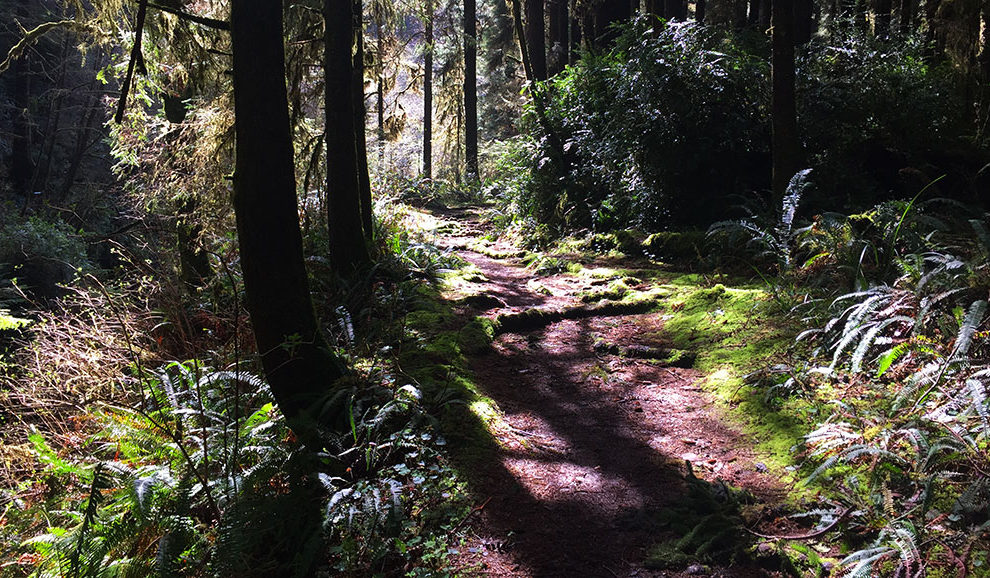
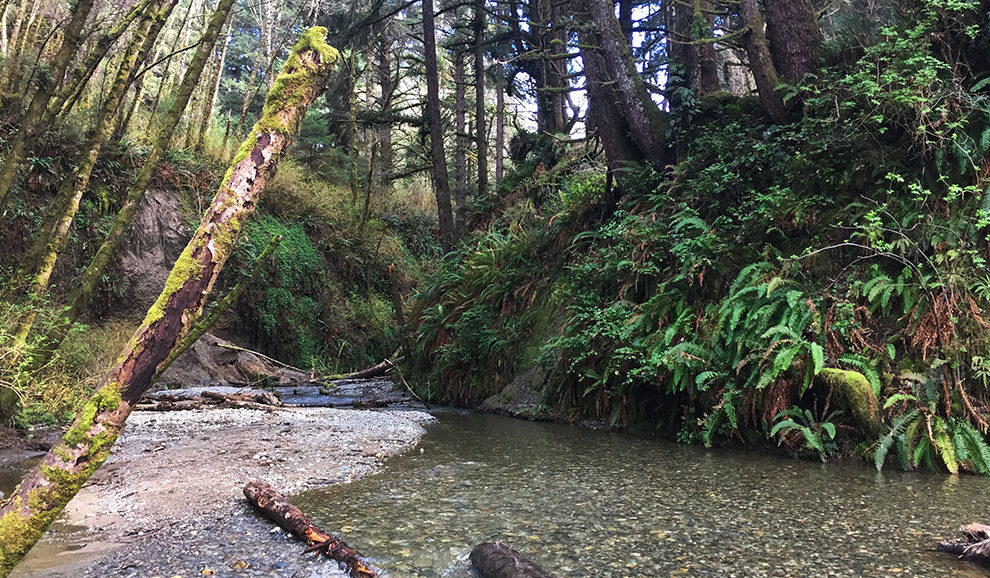
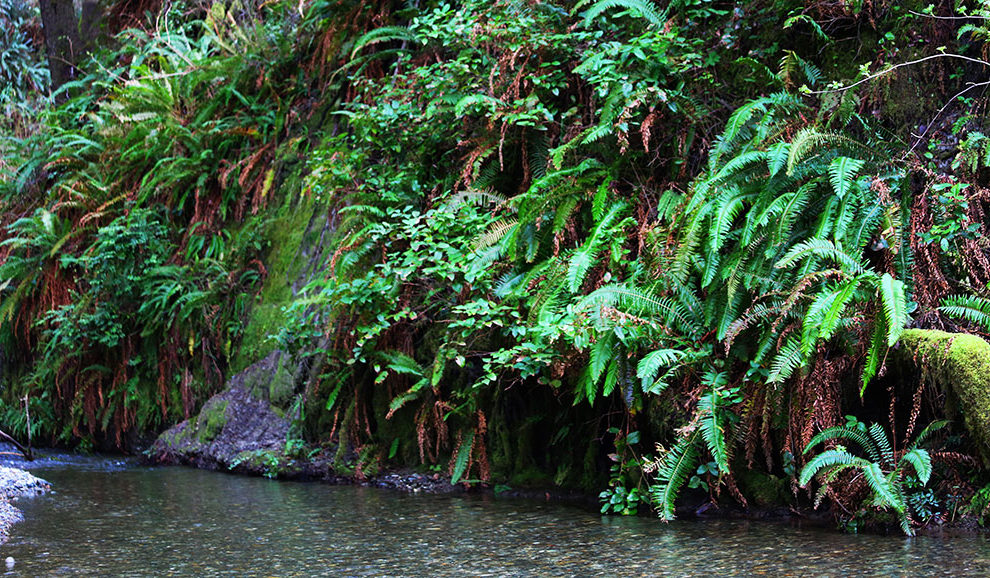
Well, give me a high-five.
Yesterday, I hiked nearly 10 miles, one of the longest hikes I’ve ever done, and although my feet and legs hurt last night, I’m still standing this morning.
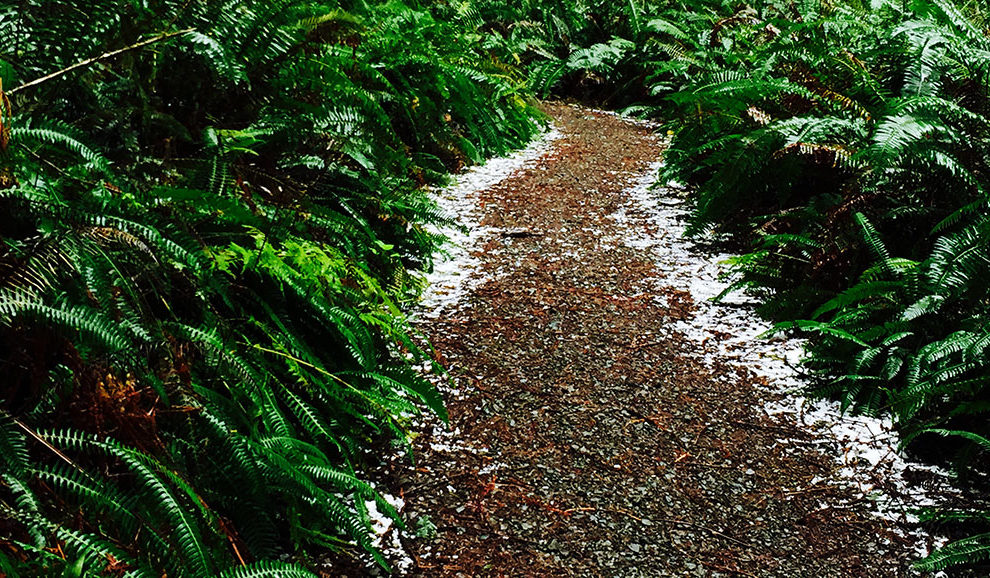
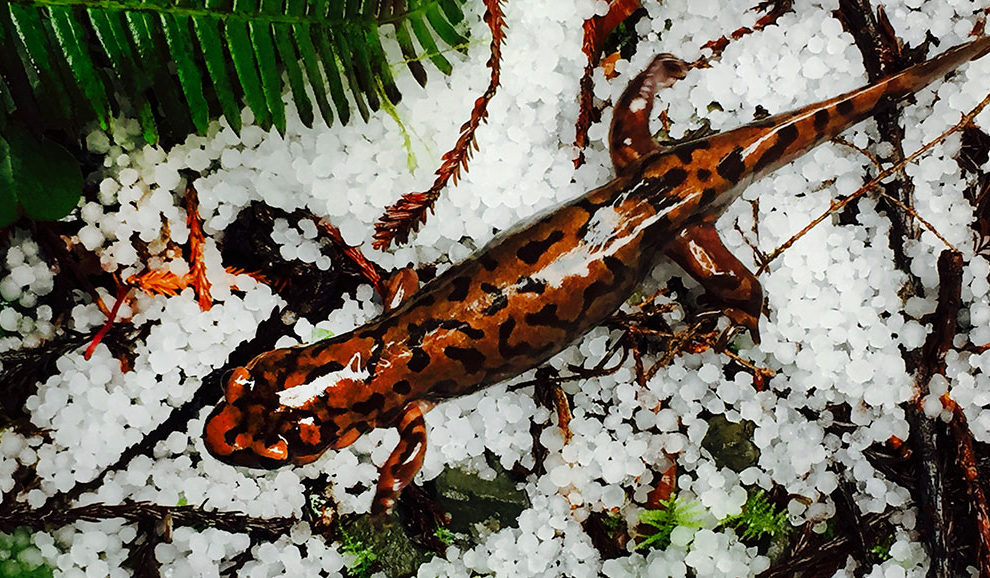
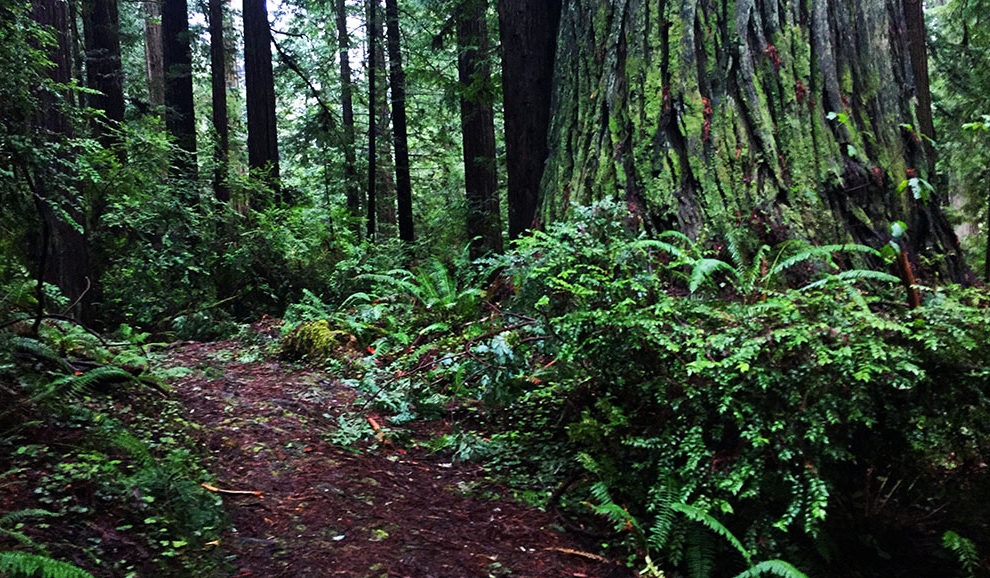
Drifting off in the drippy rainforest
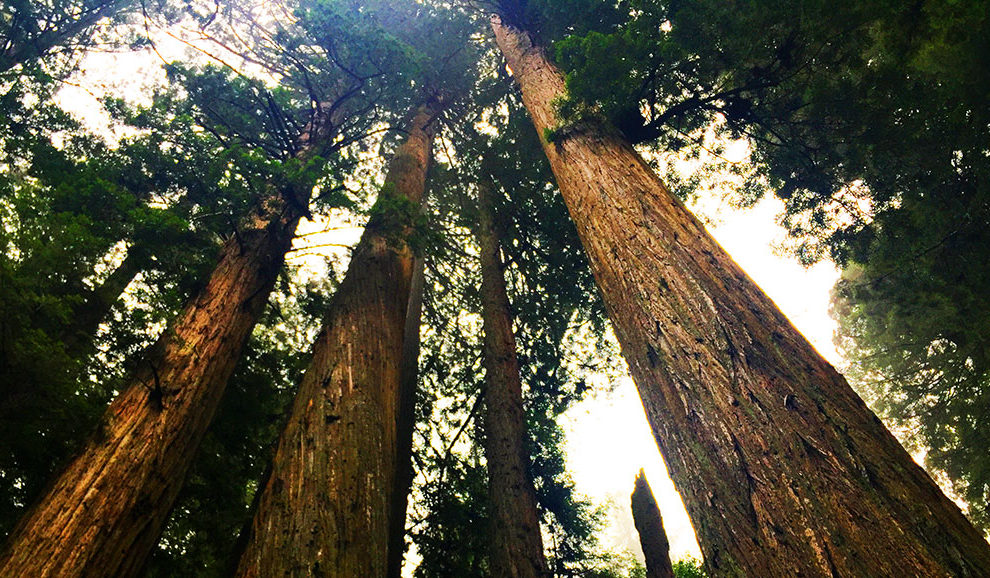 California's coastal redwoods are the tallest and among the oldest living things on earth.
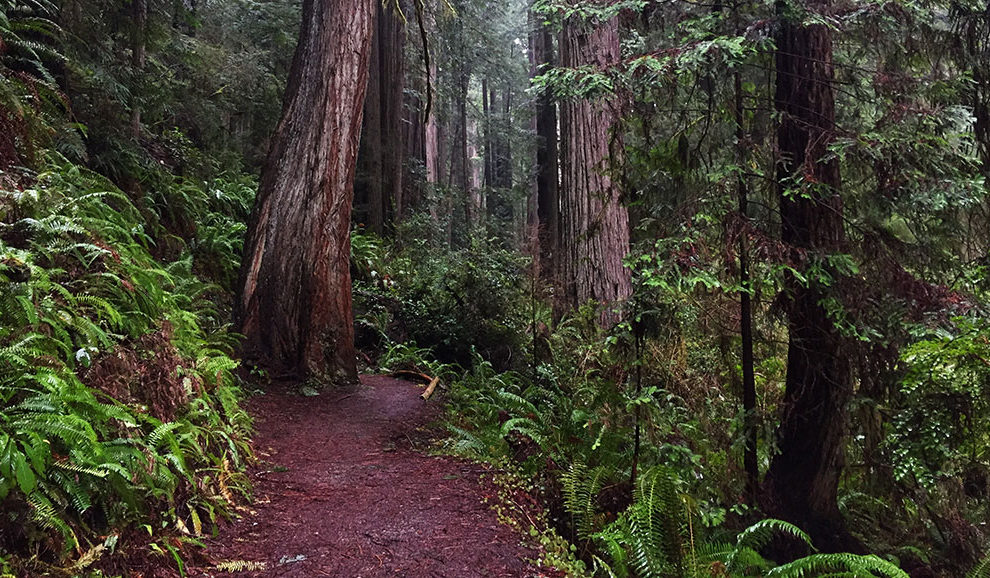
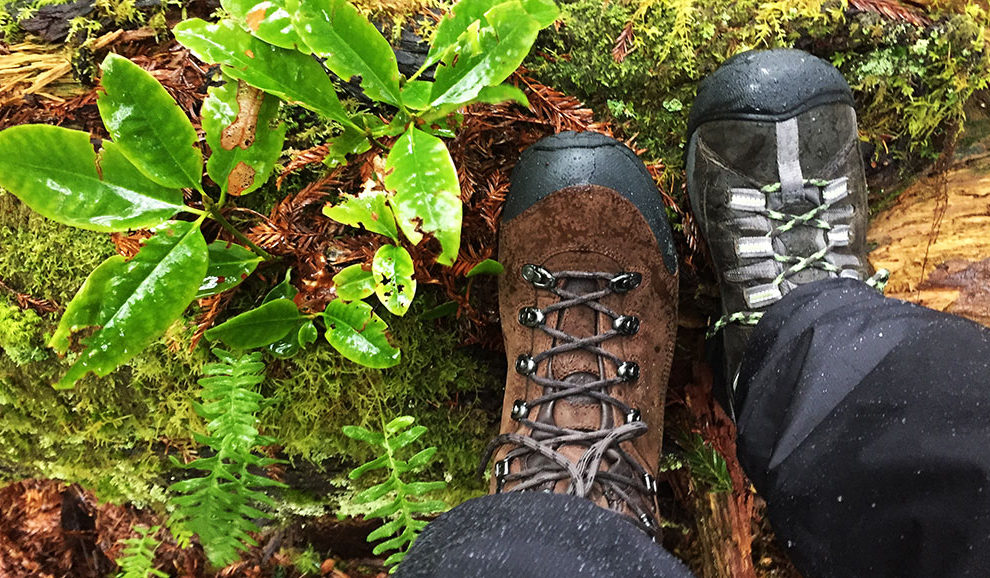
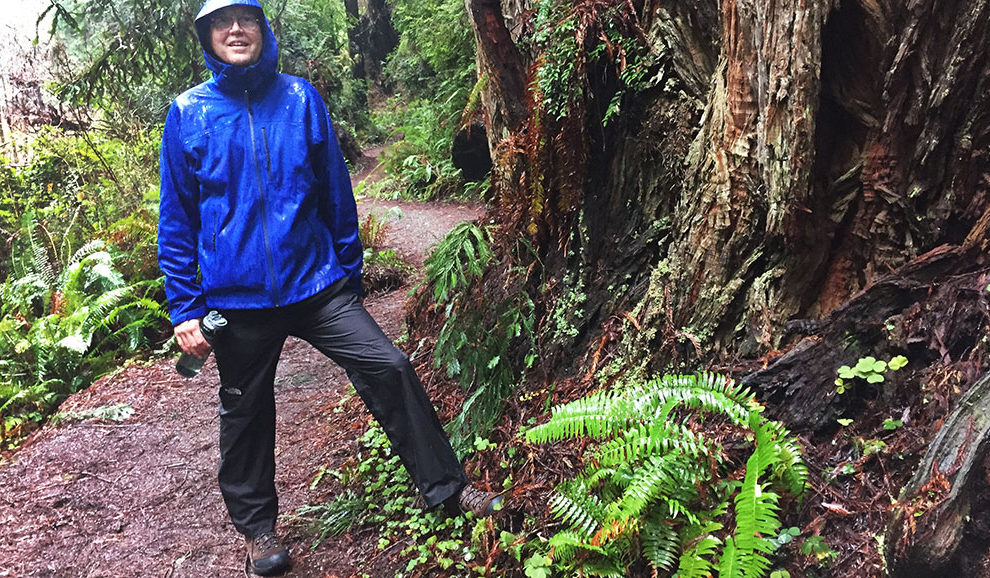
I want to know. Have you ever seen the rain comin’ down on a sunny day? – Creedence Clearwater Revival
I love the sound of rain. Especially on the roof of The Epic Van. And in our current spot in California’s redwood forest, I’m getting to listen to lots of it.
Our latest home sweet home
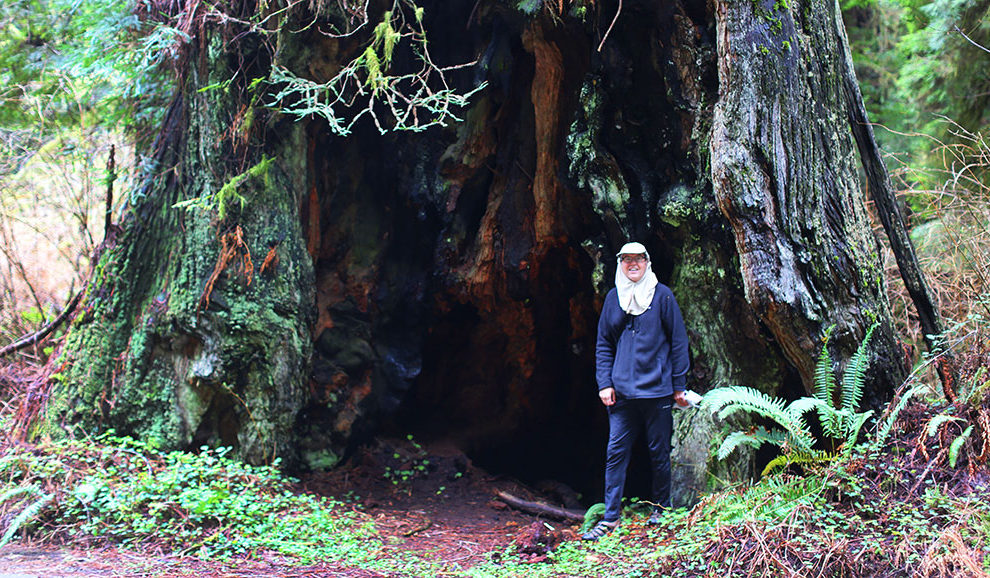 Tom next to one of the big redwoods in Prairie Creek Redwoods State Park, our latest home sweet home.
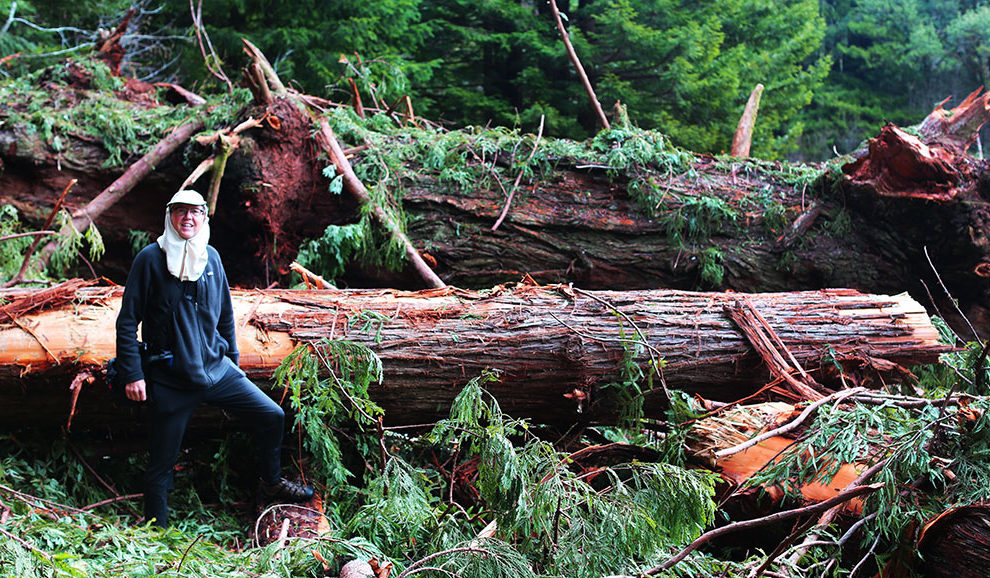
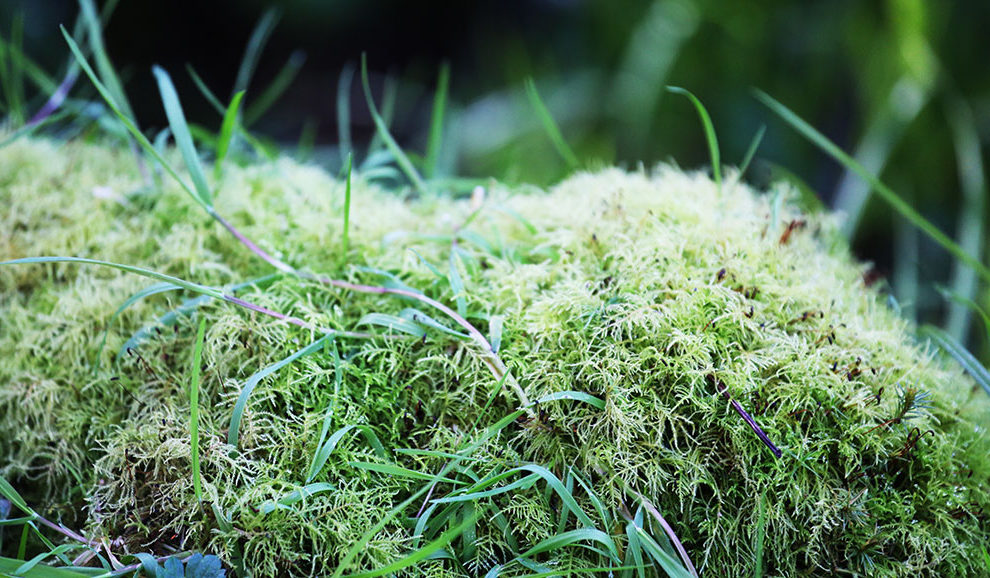
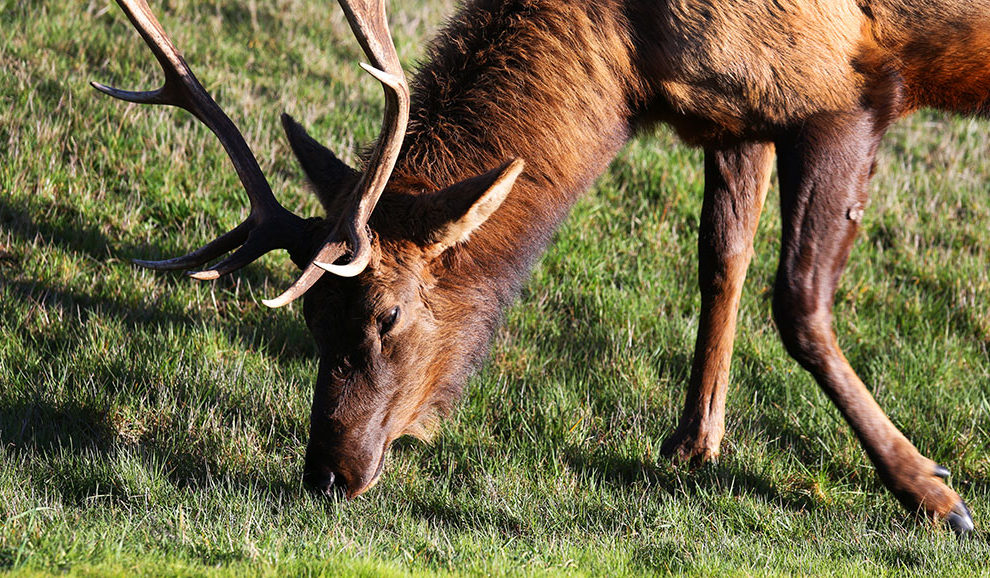
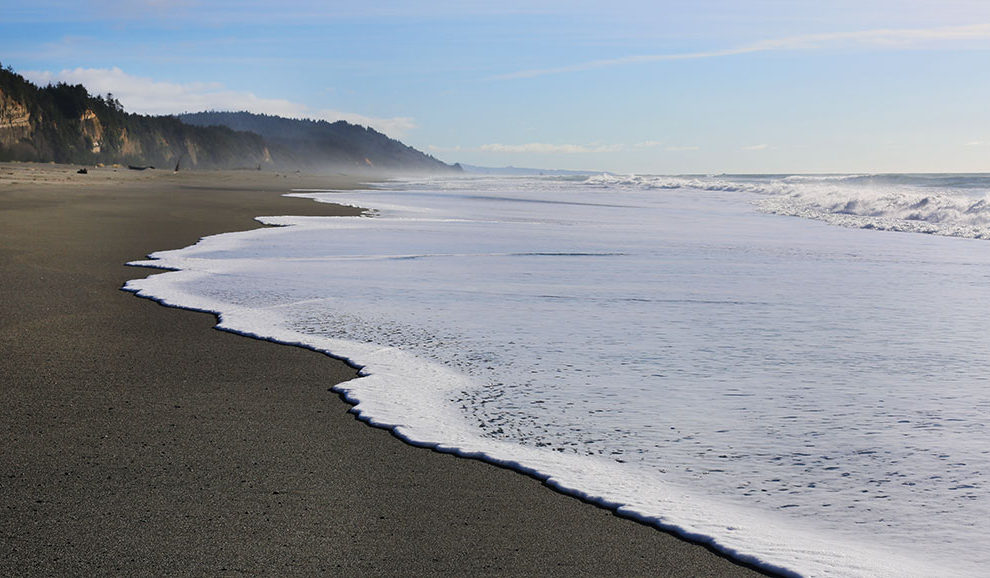
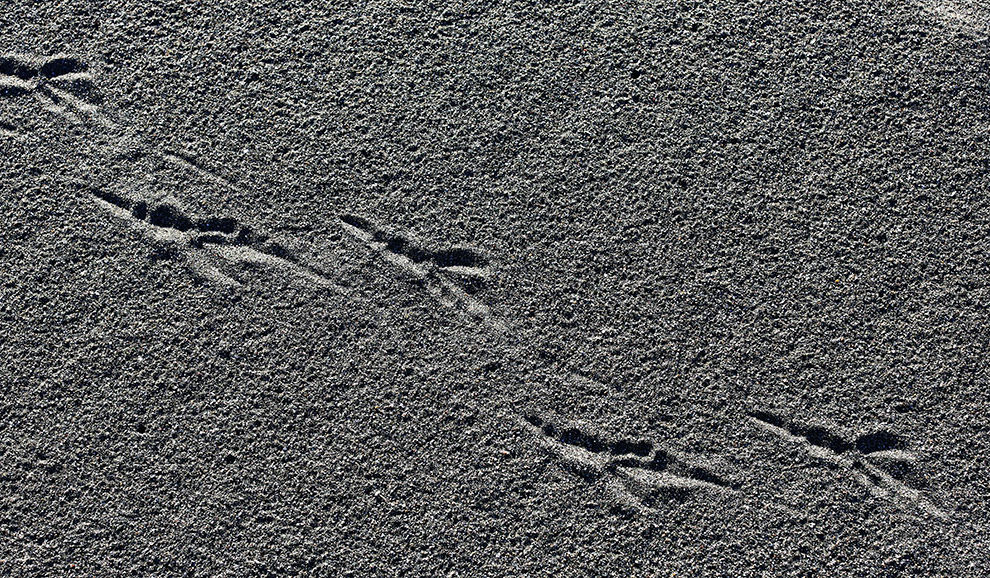
We have arrived at our new “home” for the next three months. We will be volunteering at Prairie Creek Redwoods State Park in northern California. It has the largest remaining expanse of ancient redwoods in the world, a canyon with walls of fern, a pristine wild beach and herds of elk.
We are beginning to explore the 75 miles of trails and to learn about the park’s flora and fauna. In addition to the elk, there are black bears, mountain lions, bobcats and black-tailed deer. I am happy to report I have only seen the deer and elk, which graze on the prairie outside our window.
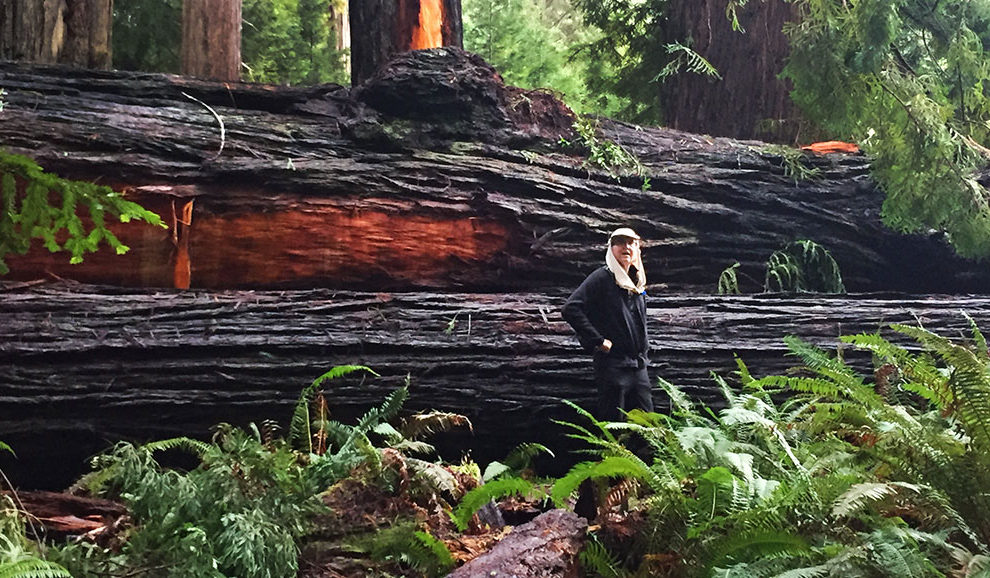
With more than 70 inches of rain and wind this winter, there are an unusual number of massive trees down. One registered 2.0 on the Richter scale at a nearby cabin and damaged the road on the scenic bypass, off of U.S. 101. Crews are working to repair the road this week, and hope to have all the trails cleared by the end of the month.
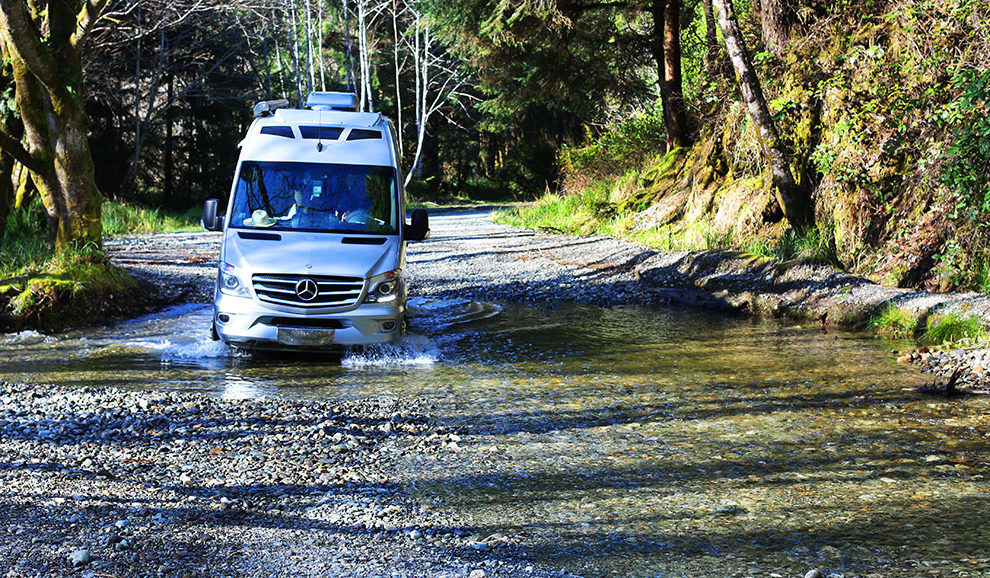
Earlier this week, we took The Epic Van down the bumpy road to Gold Bluffs Beach, an amazing wild stretch of the Pacific Ocean, white with foam, just like in the song. Epic even got to do some stream fording along the beach road.
Anyone planning to be in our area should stop in for a visit and a walk among the oldest living things on the planet, the trees, not me and Tom.
Death Valley’s awesome nature display
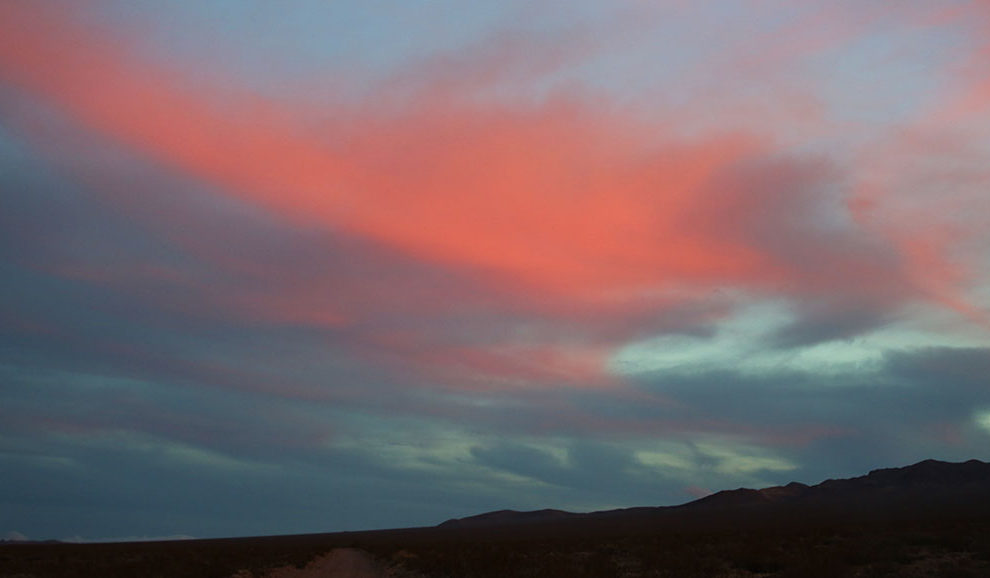 Sun setting over Death Valley National Park.
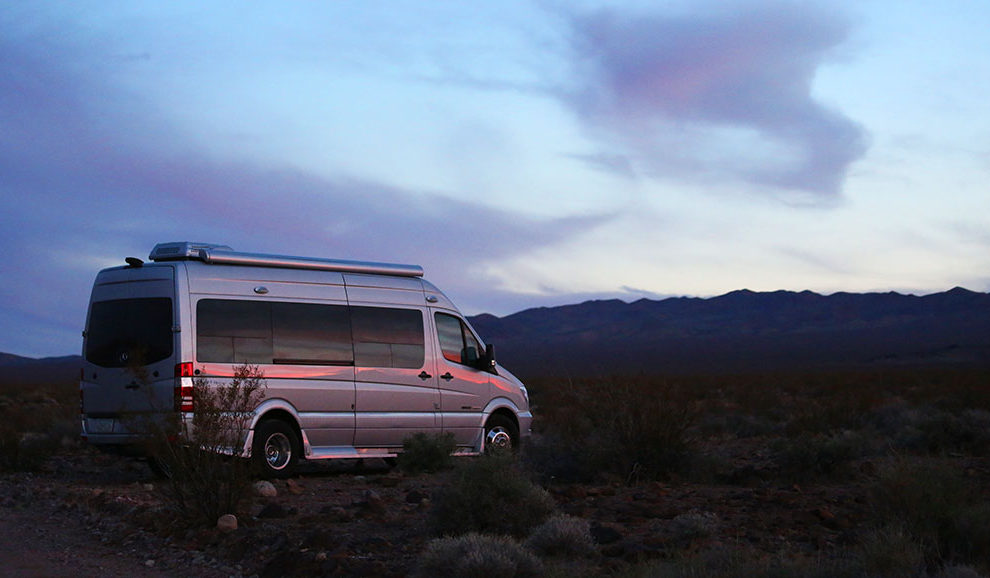
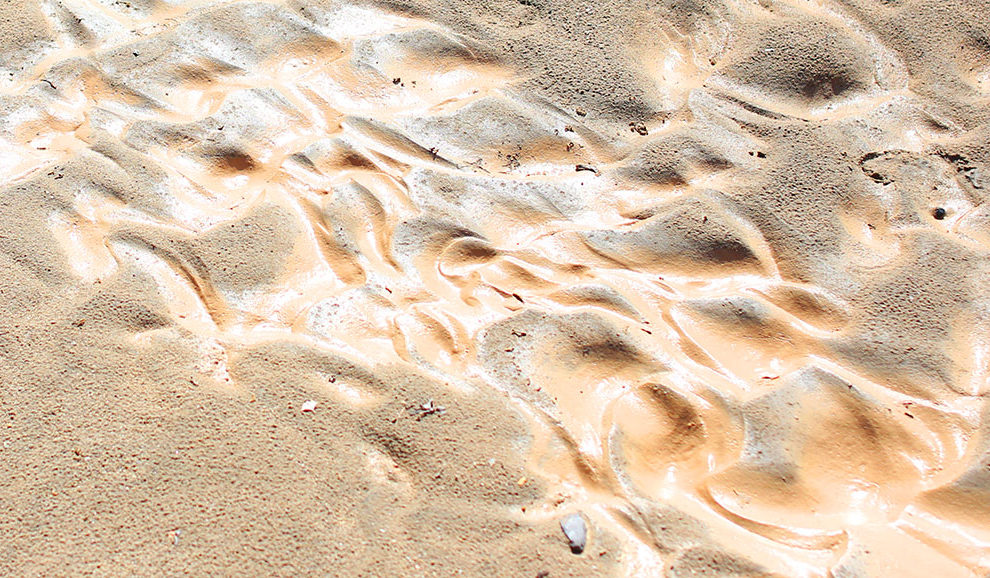
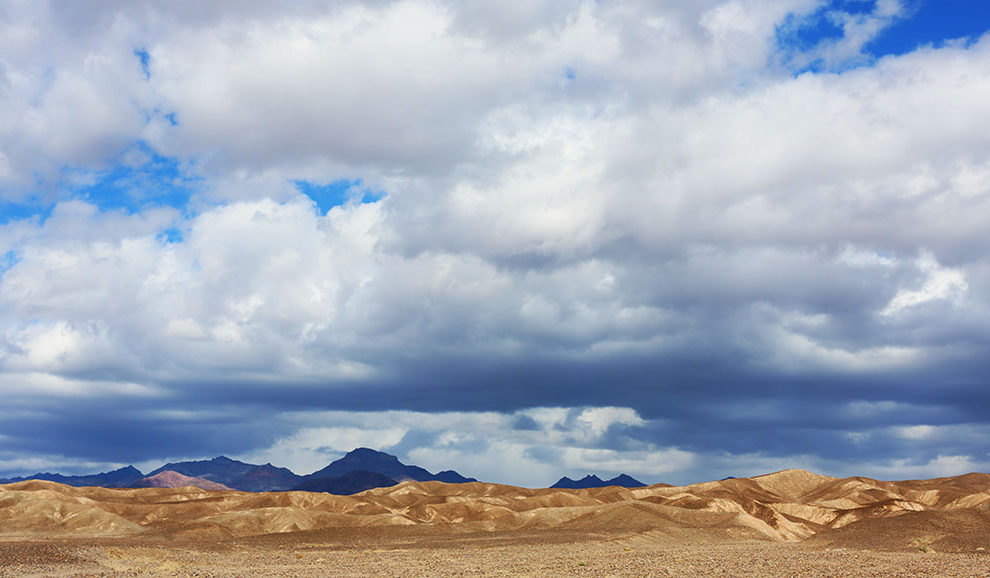
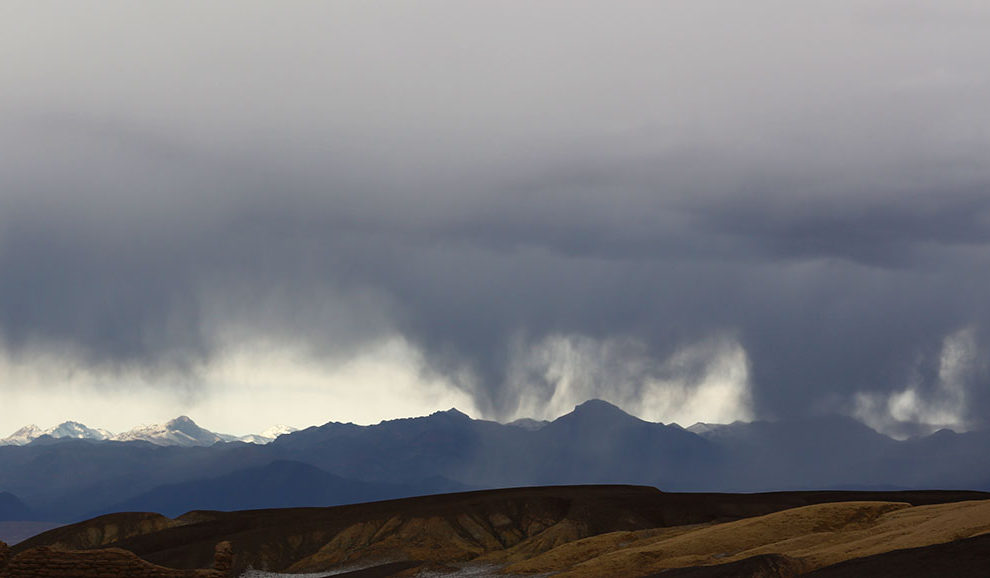
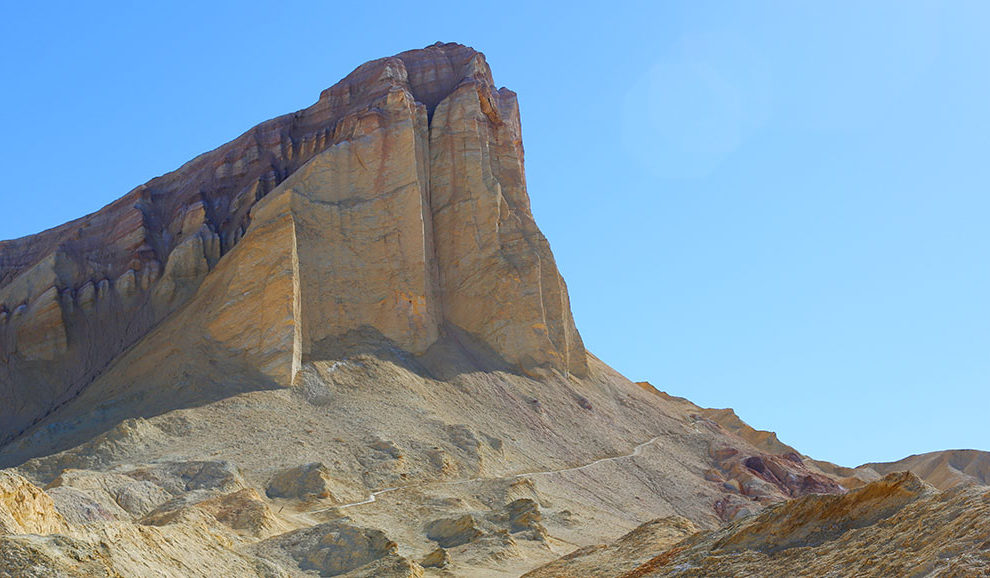
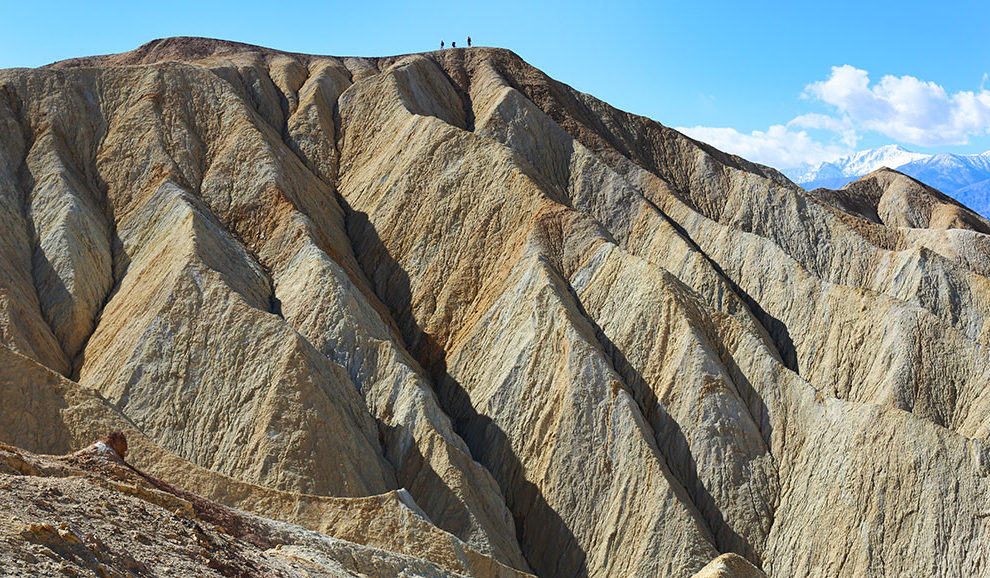
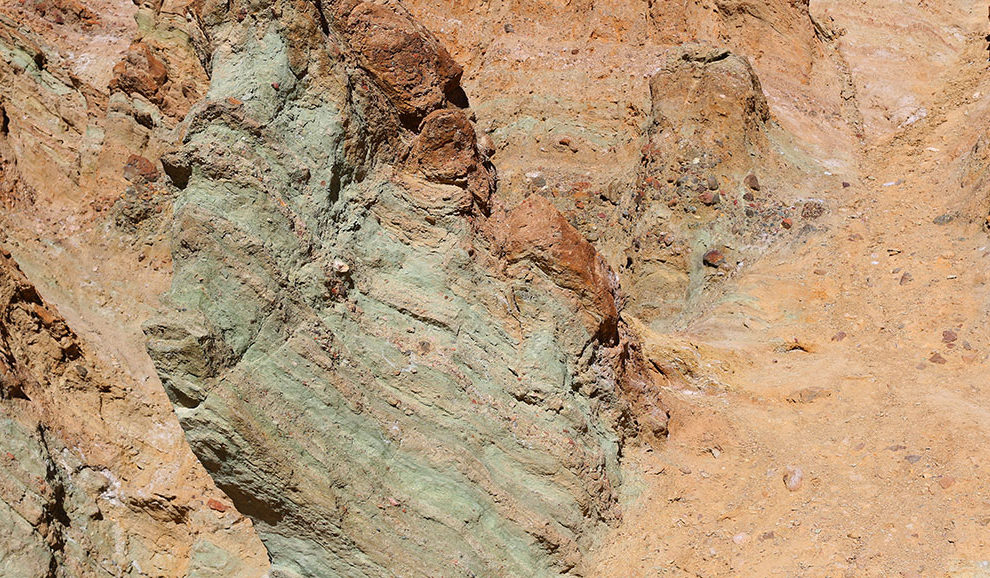
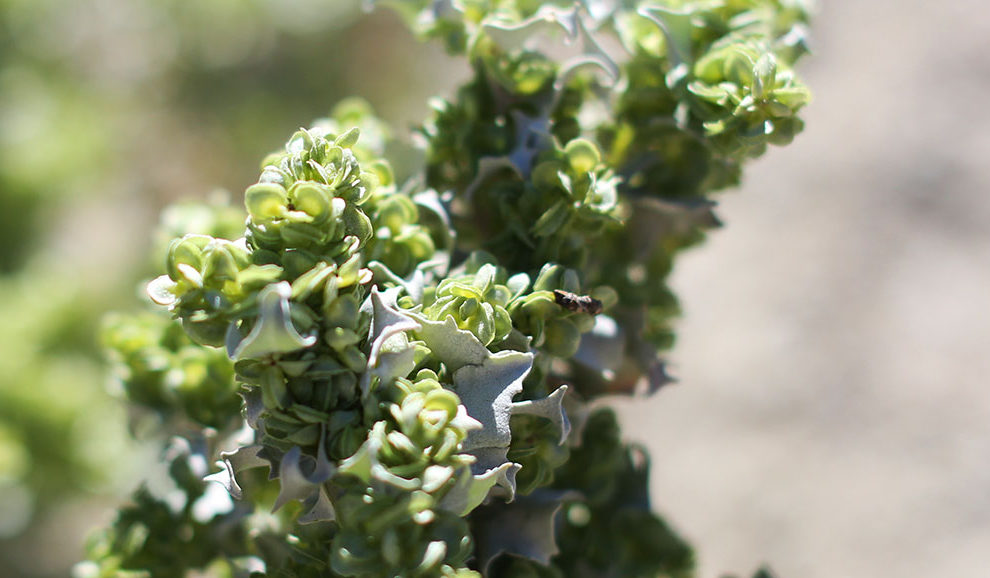
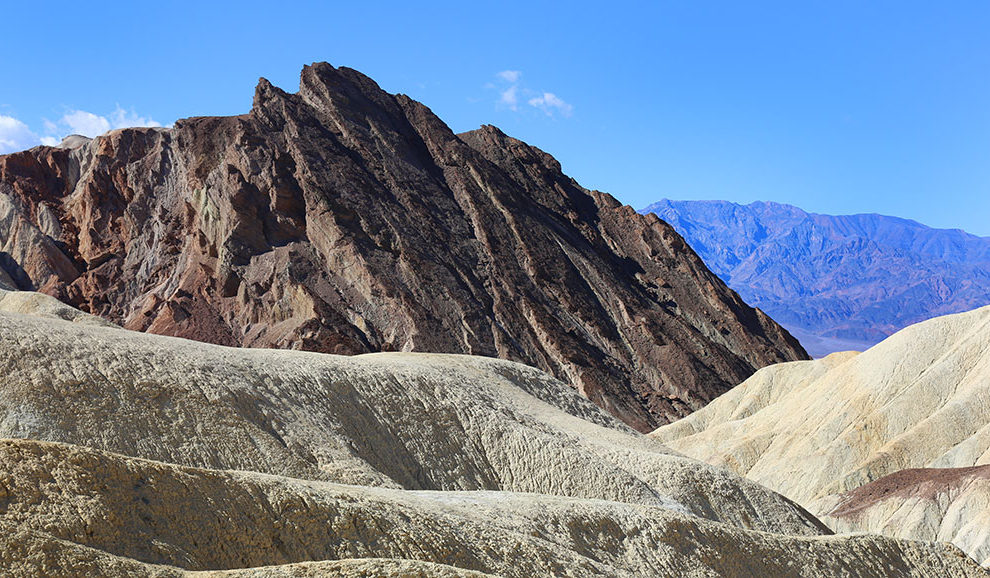
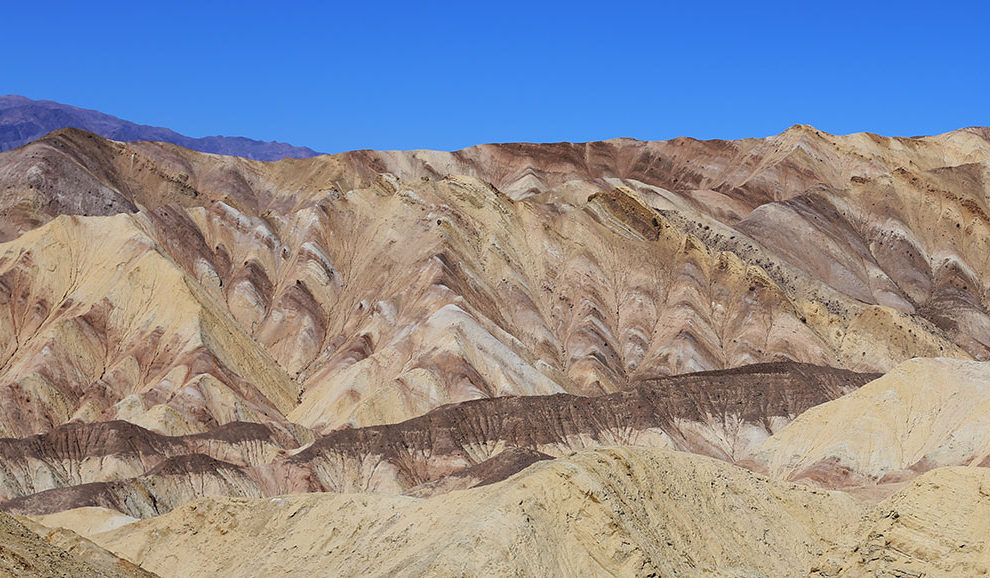
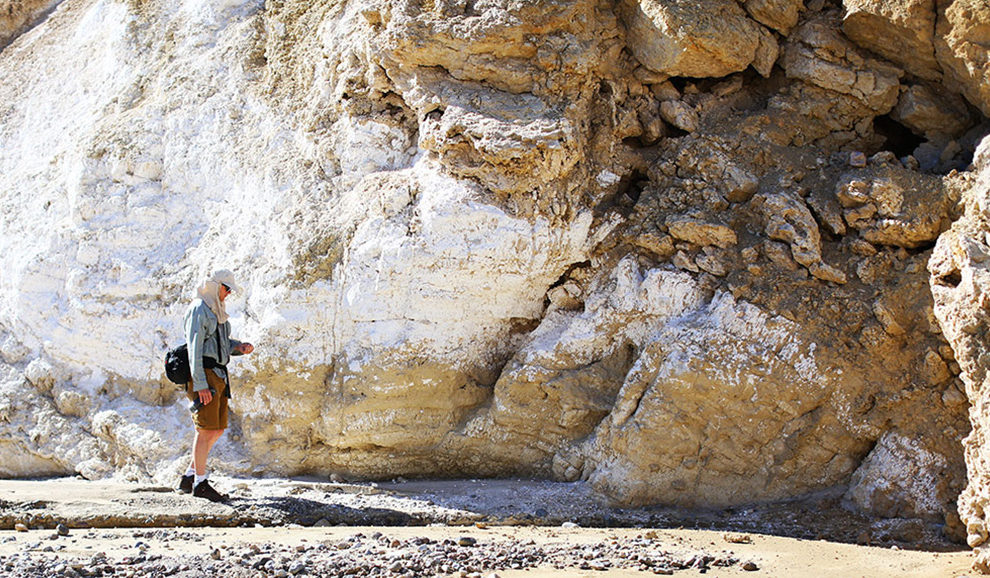
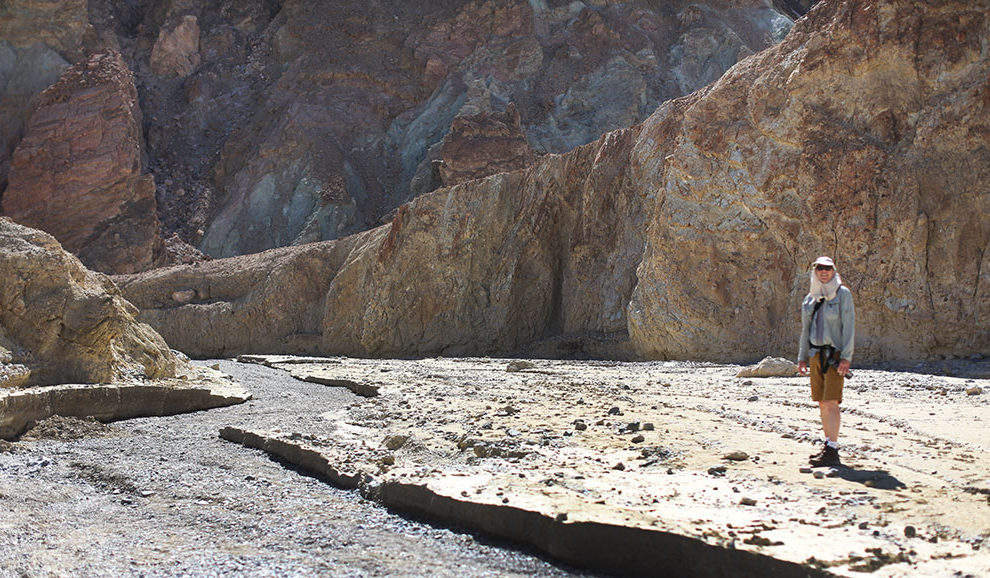
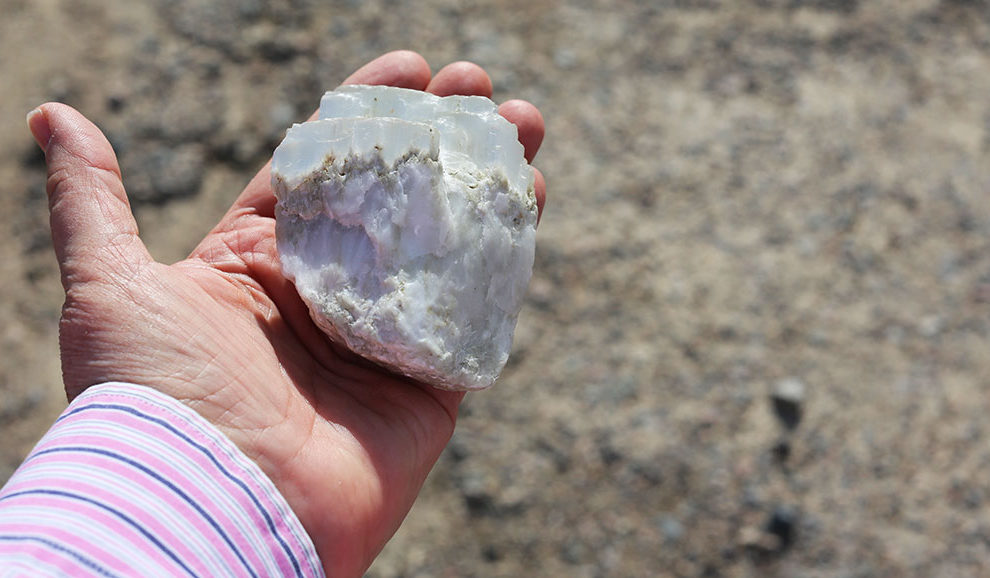
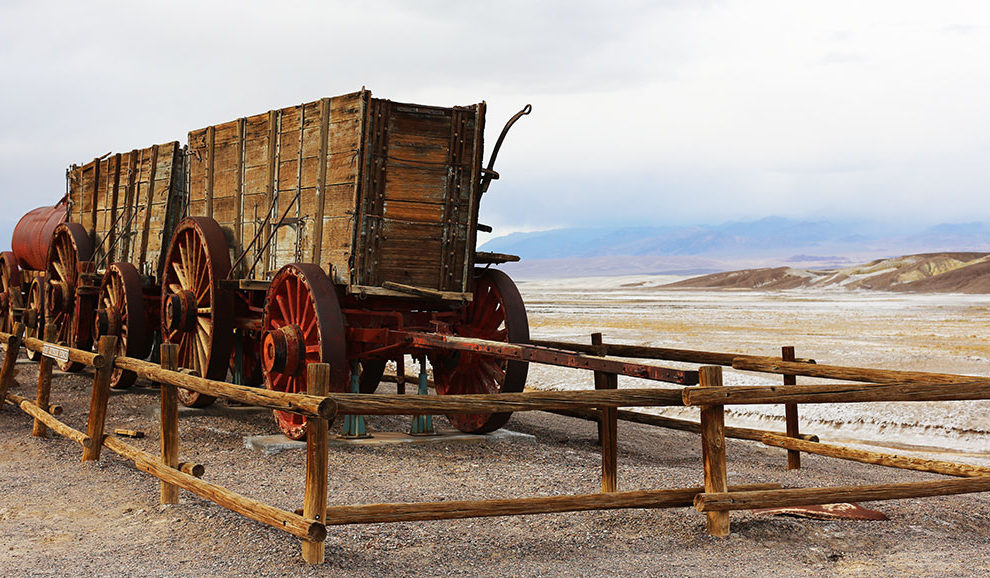
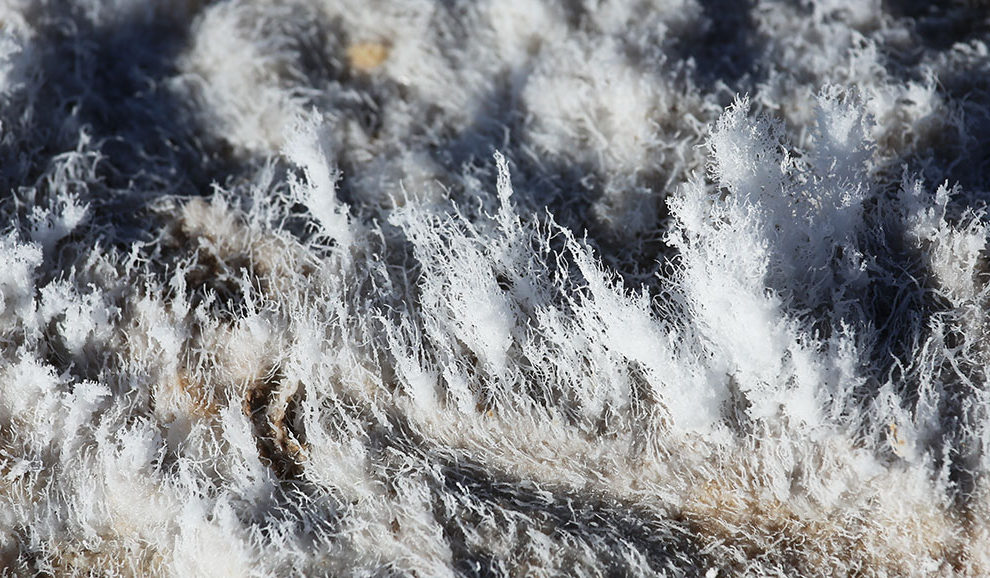
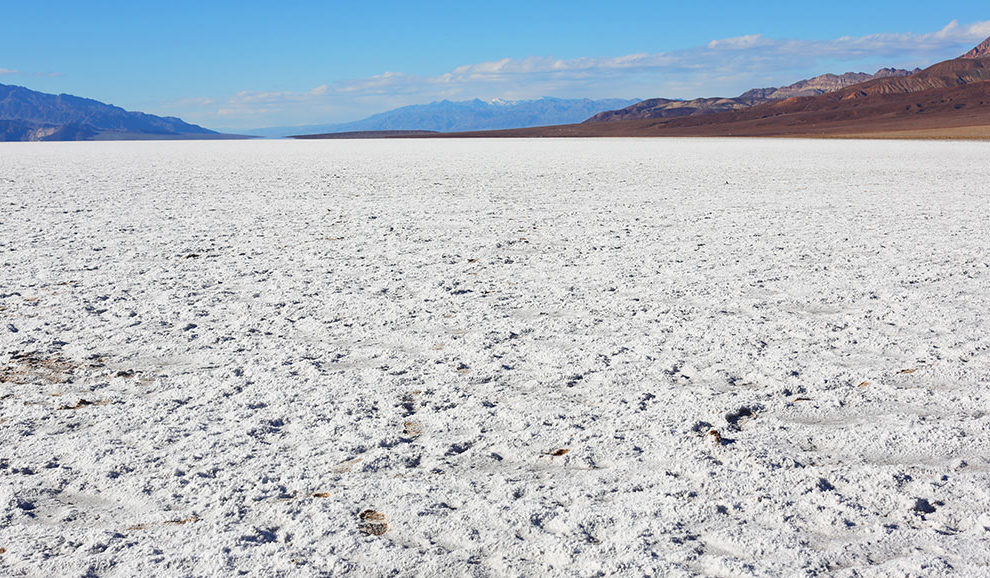
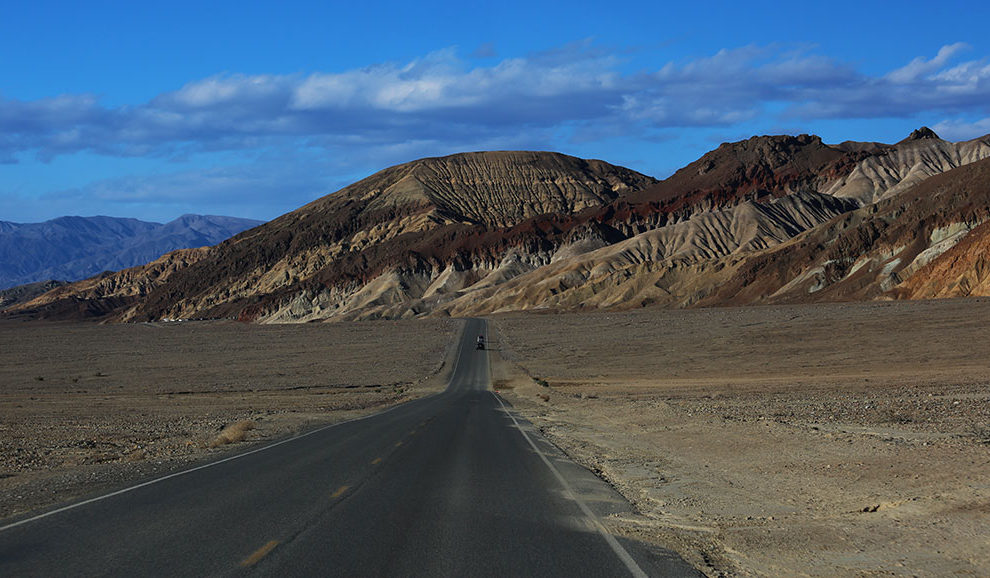
Death Valley National Park in the late winter provides an awesome display of nature’s power, particularly if you are lucky enough to be there during one of its rare storms, as we were earlier this month.
We found a boondocking spot off Greenwater Valley Road, a dirt road near Zabriskie Point in the southeast corner of the park and slept in The Epic Van under the thunder, lightning and rain from an unpredicted front.
Rangers remarked that it had been months since they heard thunder over the Valley’s floor, and even though the park had lots of rain this year, it came too late for a superbloom of wildflowers like they experienced last year.
Roads to several of the park’s favorite spots were washed out by an earlier storm that dropped nearly an inch of rain, half the usual annual rainfall. And Scotty’s Castle, an attraction for decades, remains under renovation from a 2015 storm that dropped more than a year’s rainfall in 5½ hours and damaged 500 miles of roads in the park. The castle won’t reopen until 2019.
Despite all this rain, Death Valley is the driest, hottest, and lowest in the country. It’s the largest national park south of Alaska. And there is still plenty to see.
We hiked Golden Canyon/Gower Gulch, a 4.3-mile loop through mineral-colored canyon walls where you can easily see the tilting of the earth’s crust, evidence of the fault line that creates the mountains and drops the Valley floor below sea level. The trail then climbs to towering views across multiple mountain ranges and follows a downhill return through the moonscape-like gulch carved by runoff.
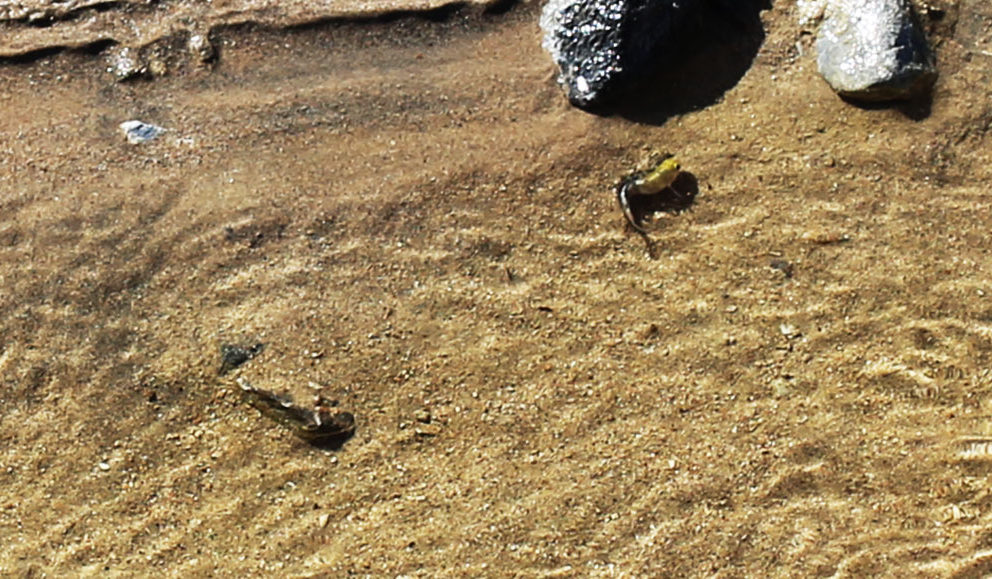
We also walked the closed road to the Salt Water Interpretive Trail, where we traversed boardwalks over marshes teaming with a subspecies of tiny pupfish, exclusive to Death Valley. We were lucky enough to watch them mate, the colorful male and the more subdued brownish female side to side, in a little squiggle.
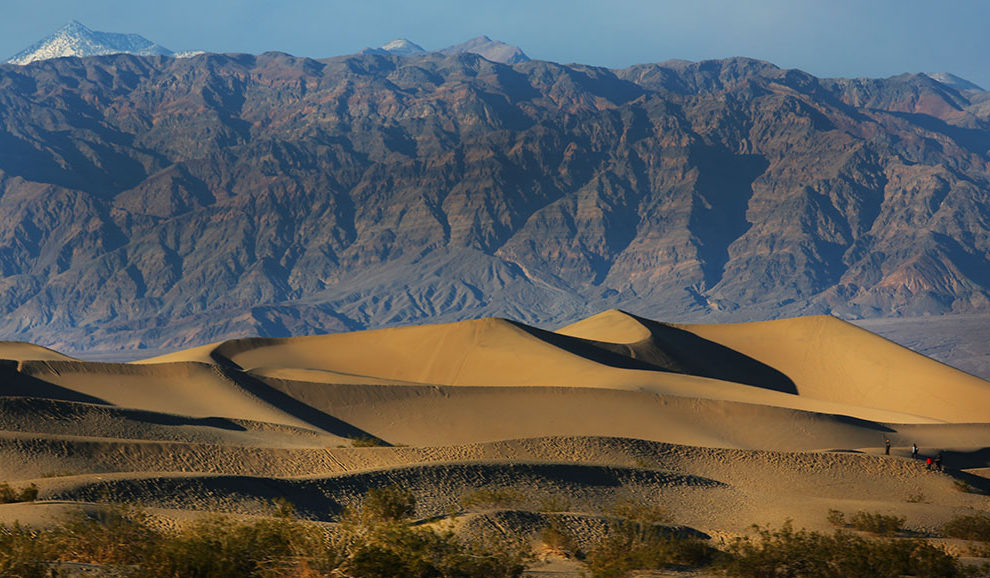
We visited the Mesquite Flat Sand Dunes and compared them to dunes we have seen: Great Sand Dunes National Park in Colorado, the gypsum dunes at White Sands National Monument in New Mexico and Indiana Dunes National Lakeshore along Lake Michigan.
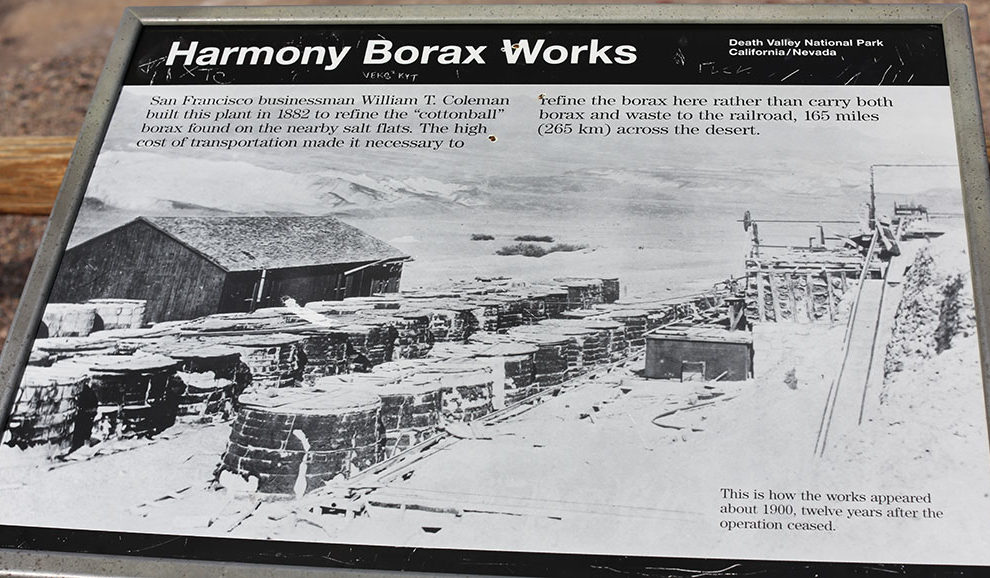
We took the ranger-led tour of the remains of the Harmony Borax Works, learning about the mining operations that made millions for the Pacific Coast Borax Company, which produced 20 Mule Team Borax. The company’s Death Valley Days on radio and television began in the ’30s and ended in the ’60s. When the mining profits waned, the owners turned to tourism and pushed for the creation of a national monument, which later became a national park.
And we walked out onto Badwater Basin, 278 feet below sea level, where salt crystals form across miles of the Valley floor.
Awesome hardly covers it.
The art of mischief: Yarn bombing
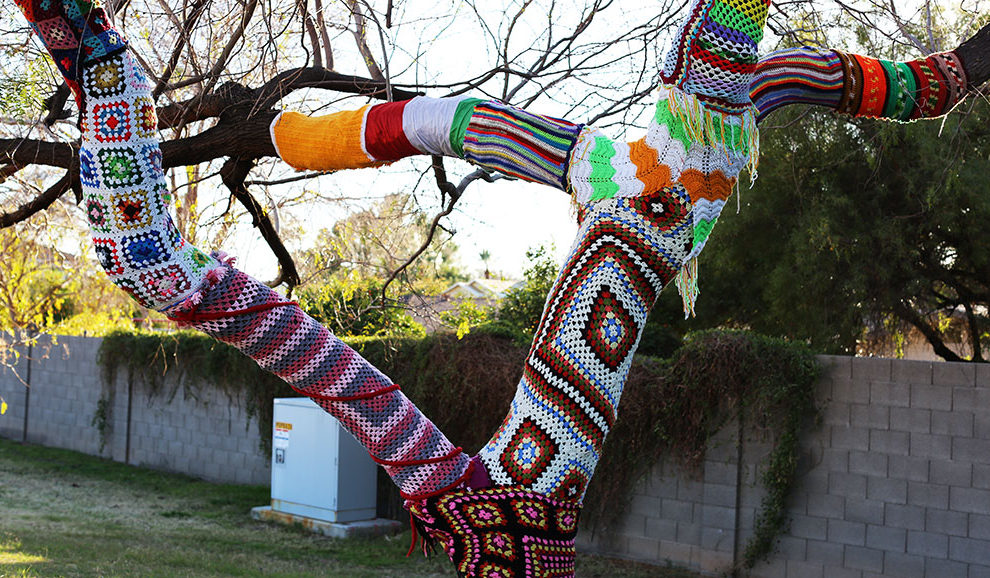 A lovely yarn-bombed tree.
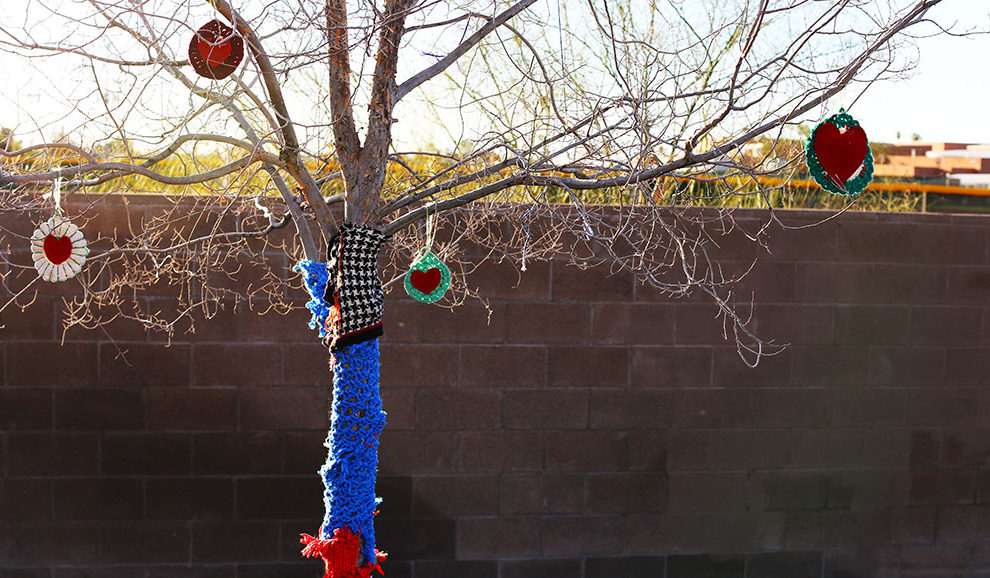
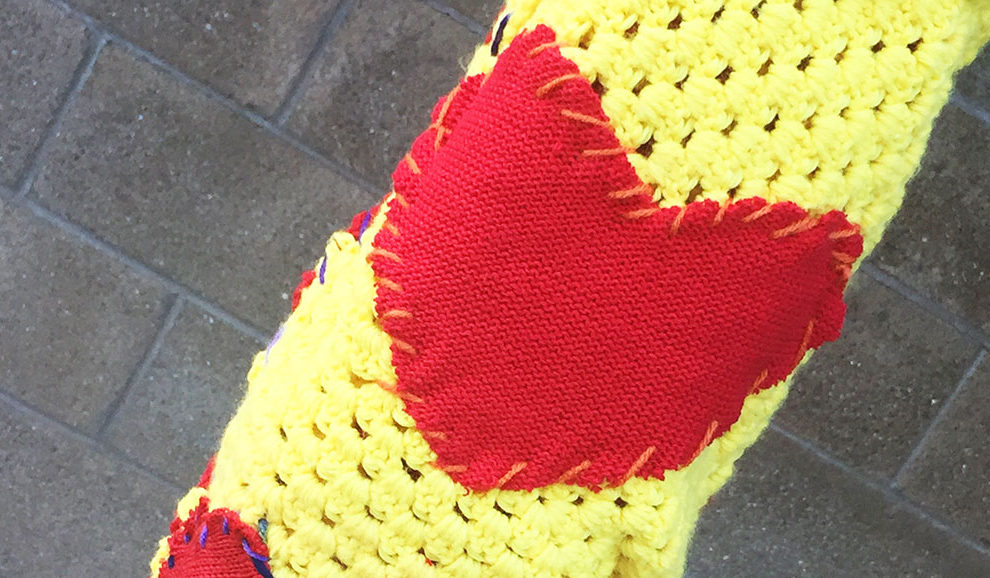
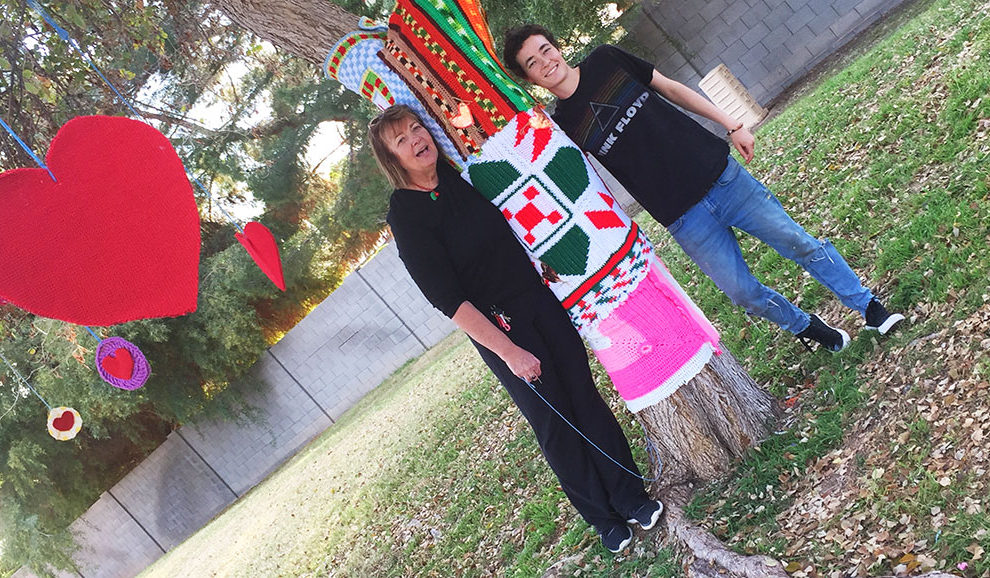
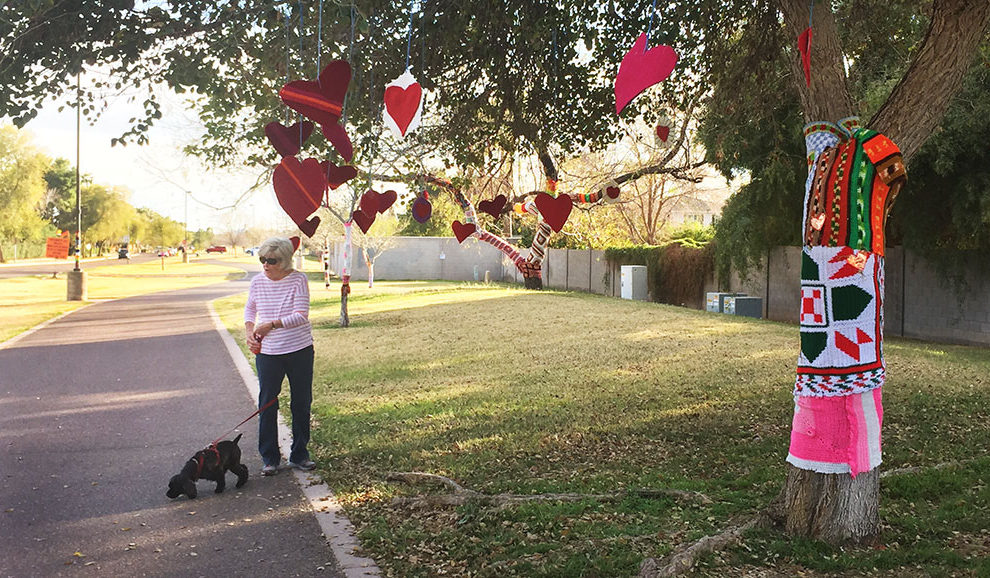



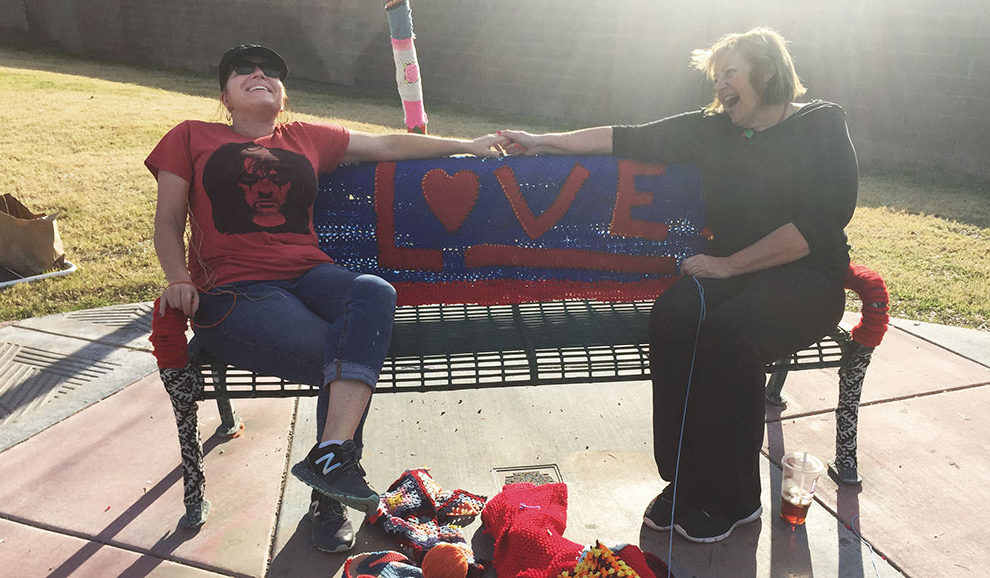
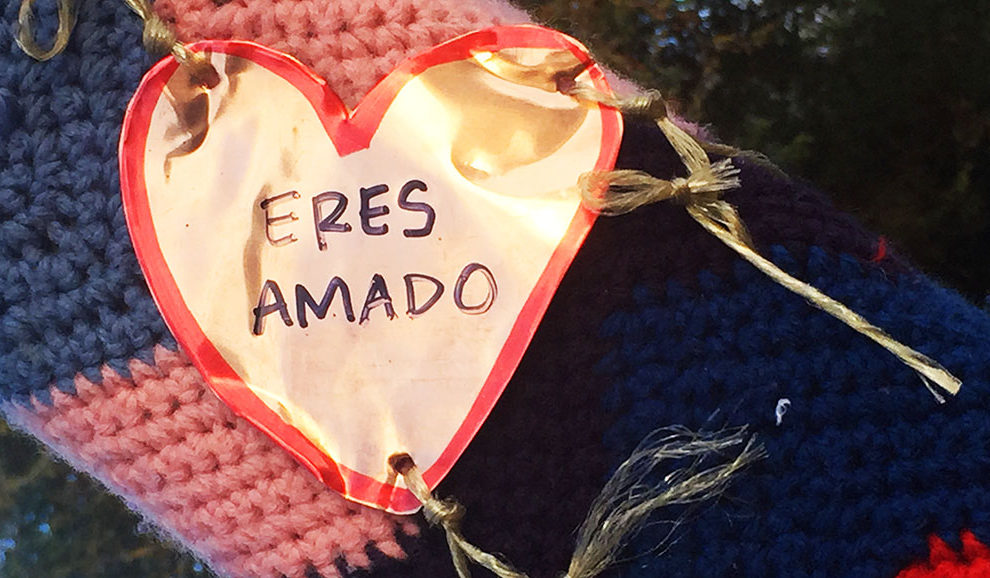

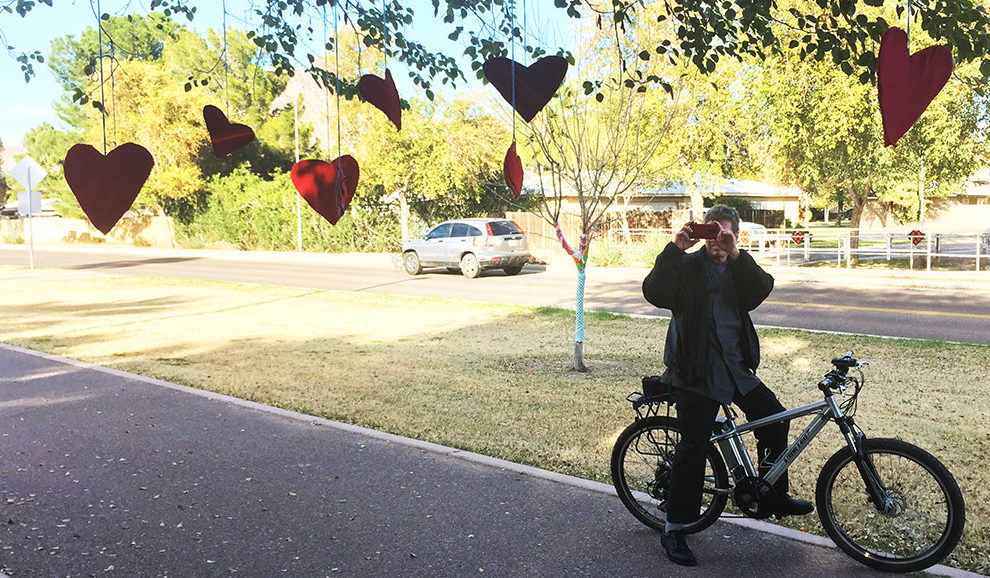
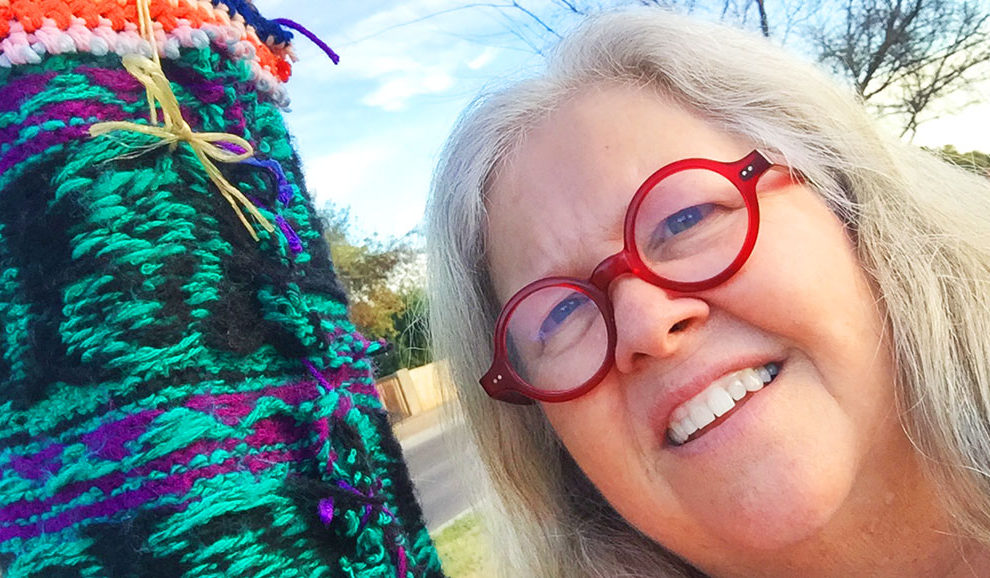
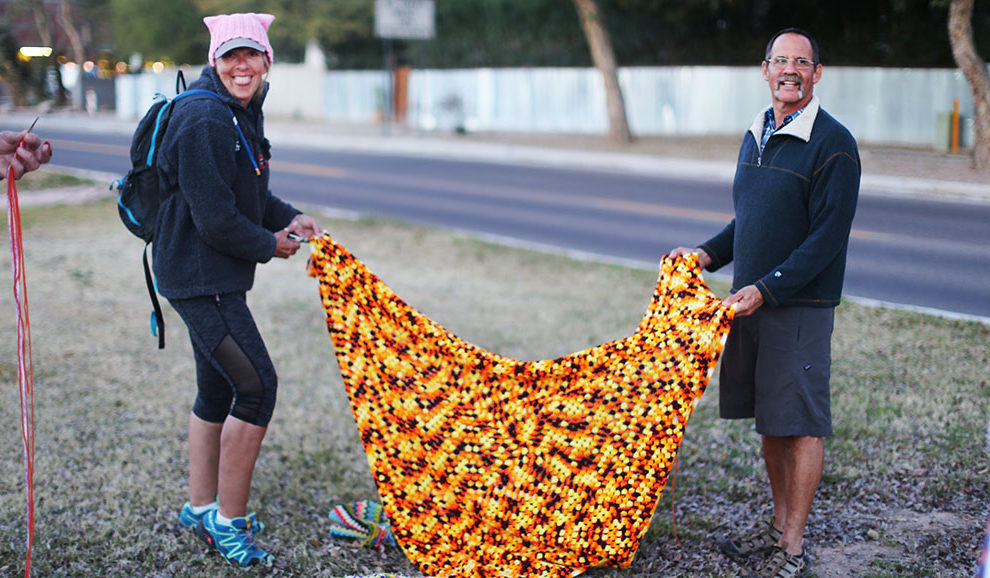
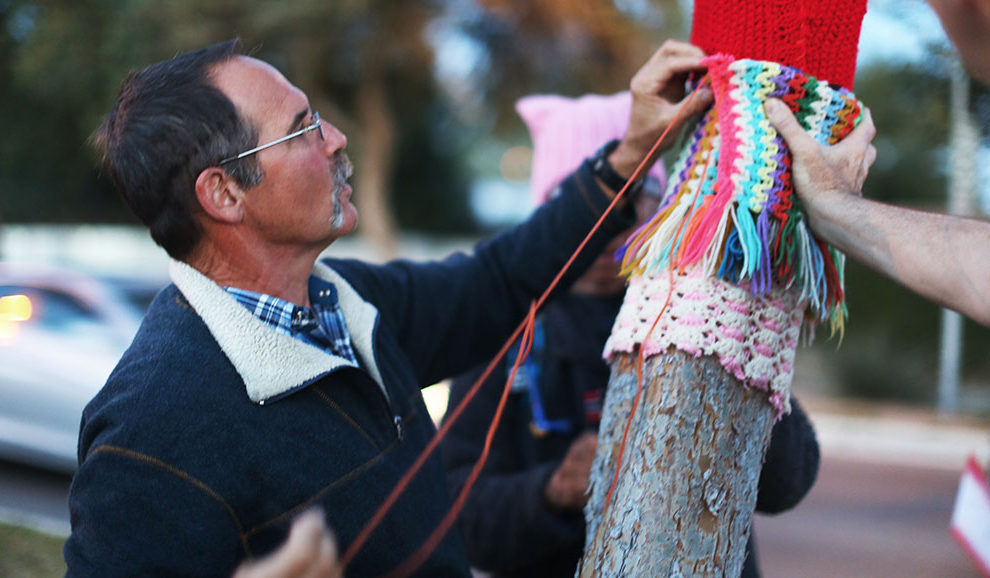



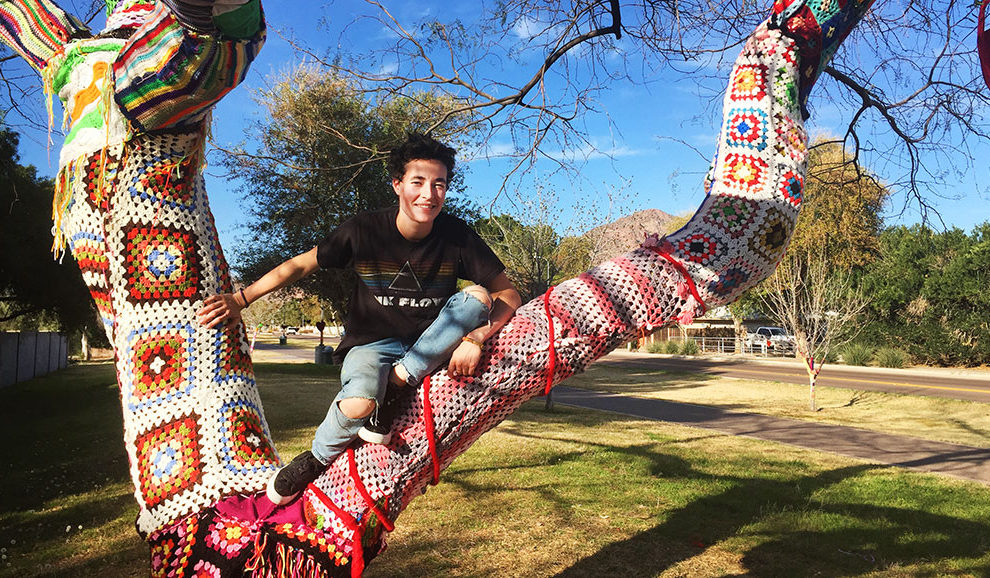
While we were “home” in Arizona, we participated in a little mischief: yarn bombing.
Nomads and the civilised look at each other with disapproval and misunderstanding. Why would anyone want to wander the wilderness and live in a tent? Why would anyone want to live in a box and obey unnecessary masters?
Ali, Mostly we’ve found people think it’s really cool. Many tell us they dream of being able to wander the world. Are you a nomad?