Our wandering path
International and generational connections at the City of Rocks
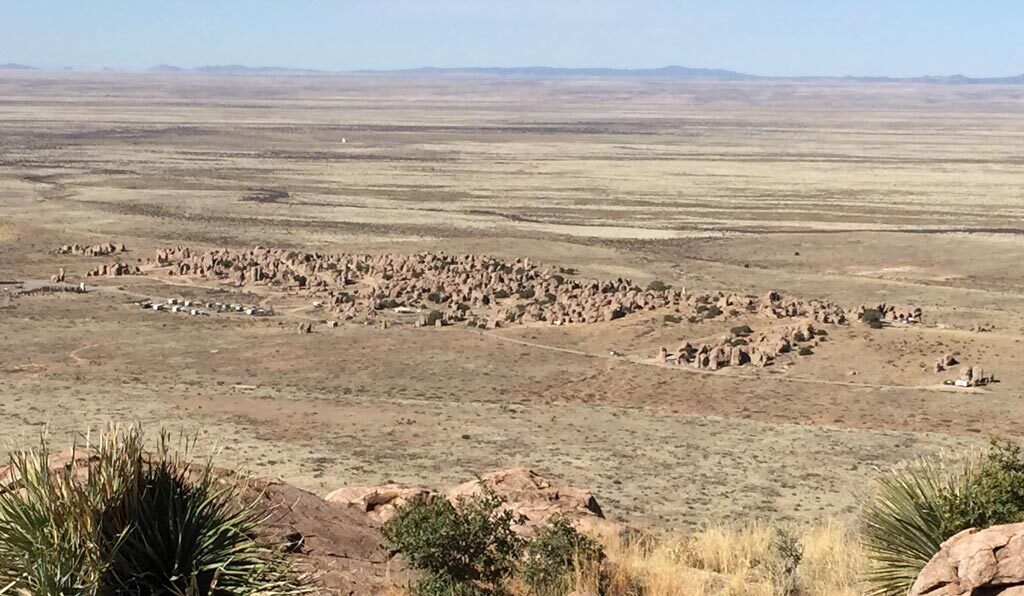 The City of Rocks from above.
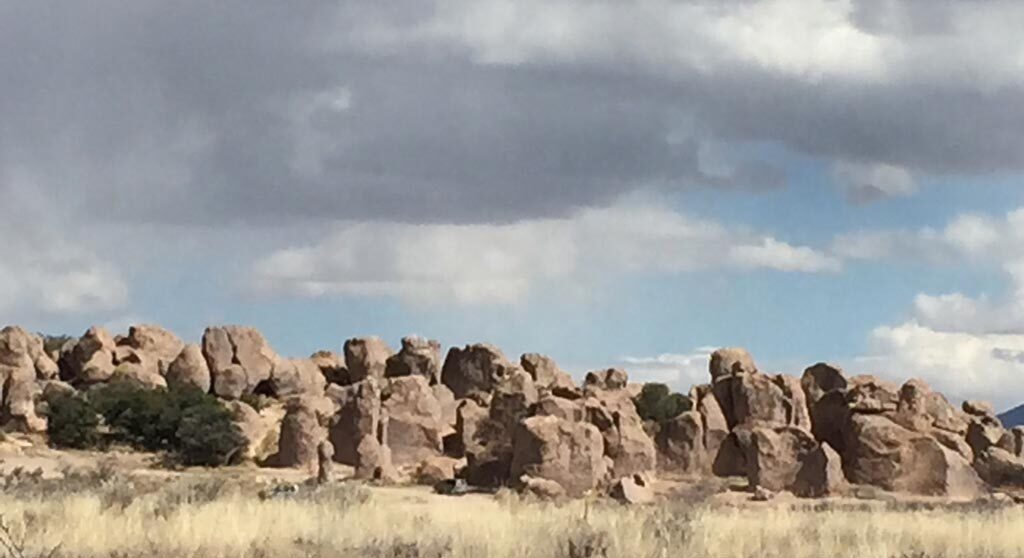
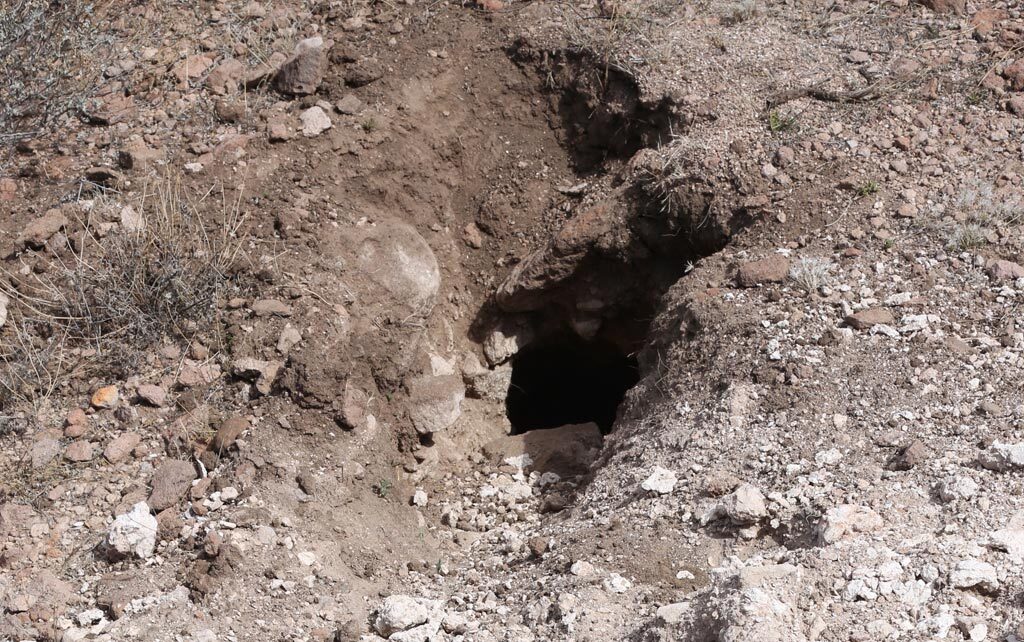
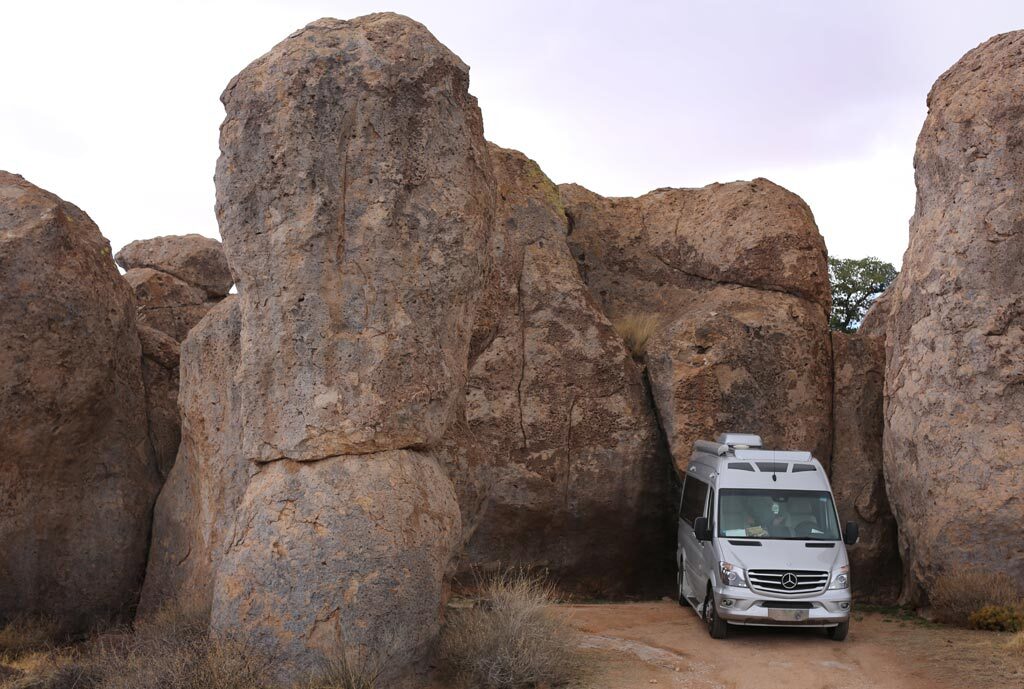
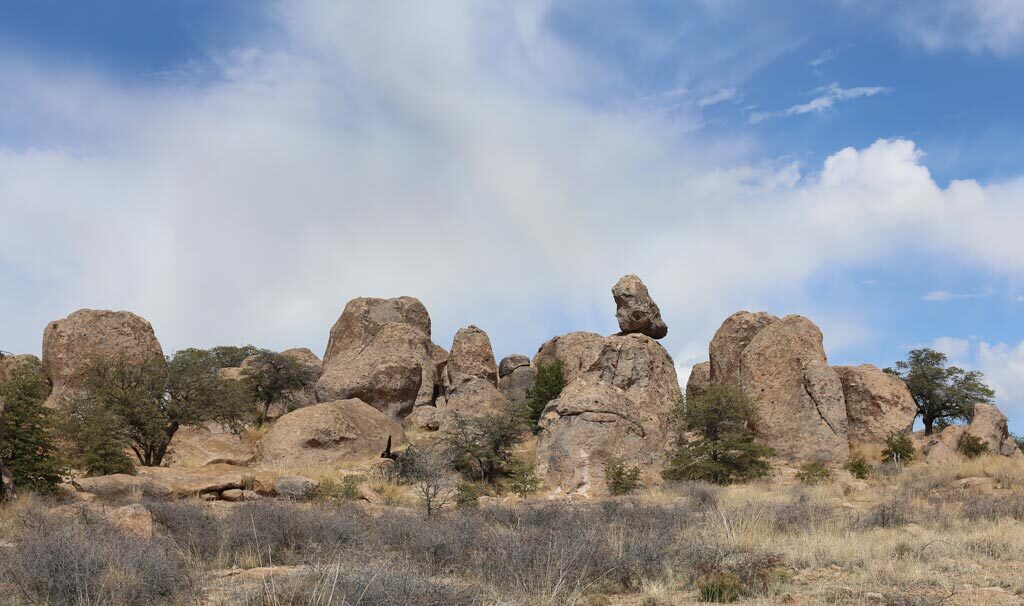
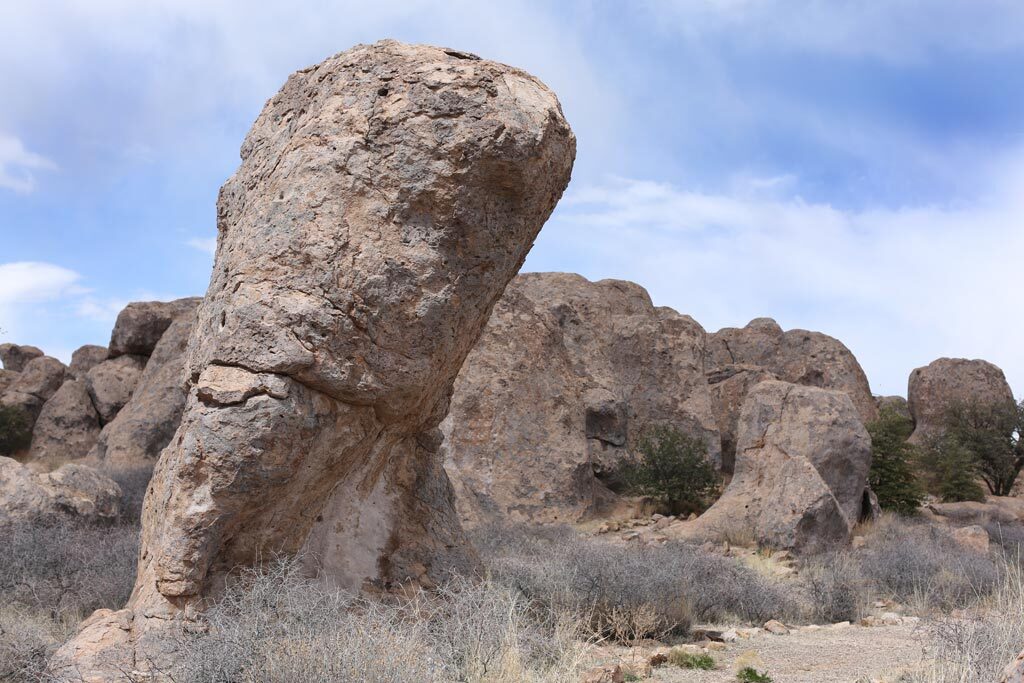
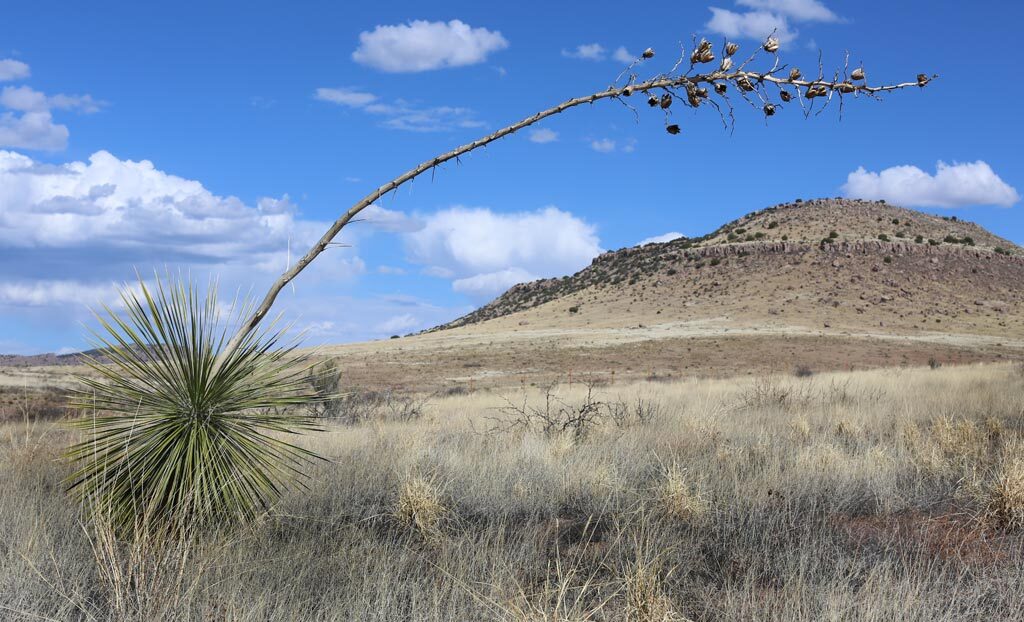
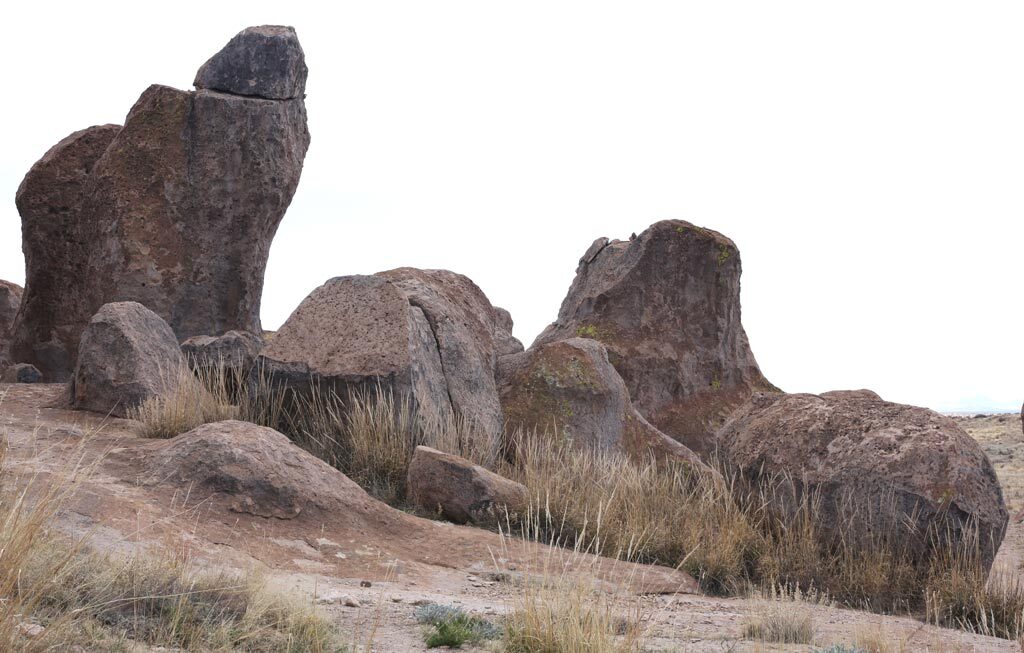
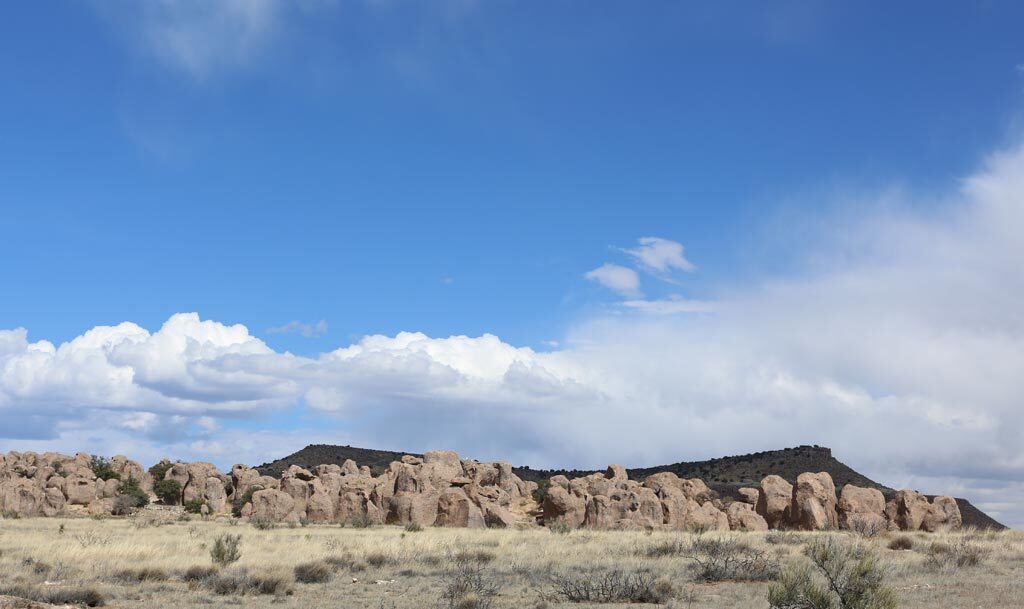
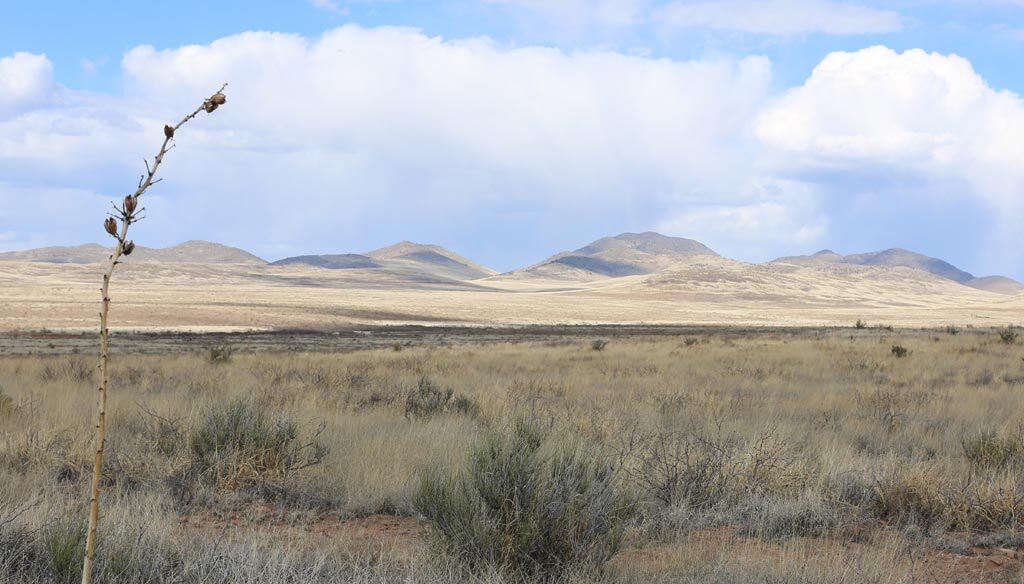
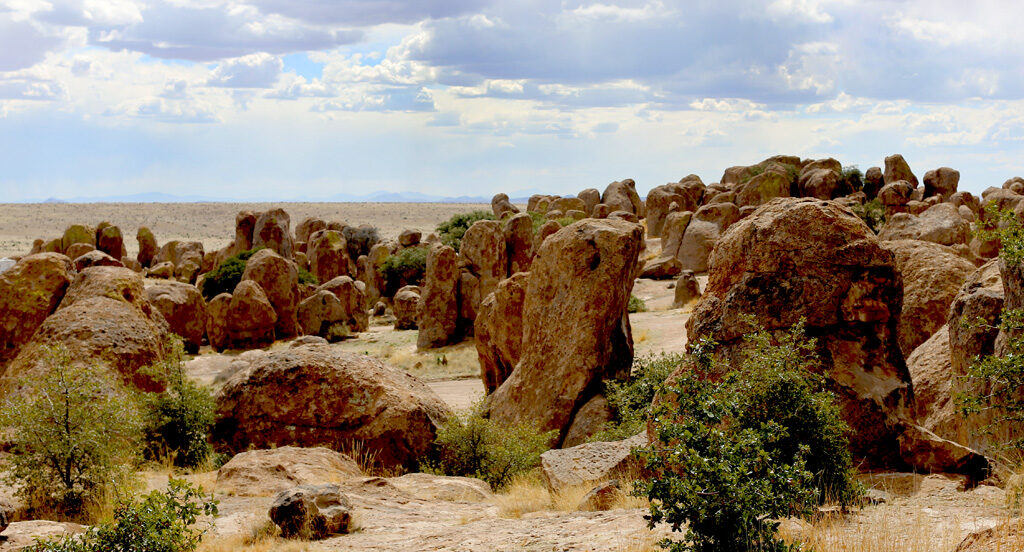
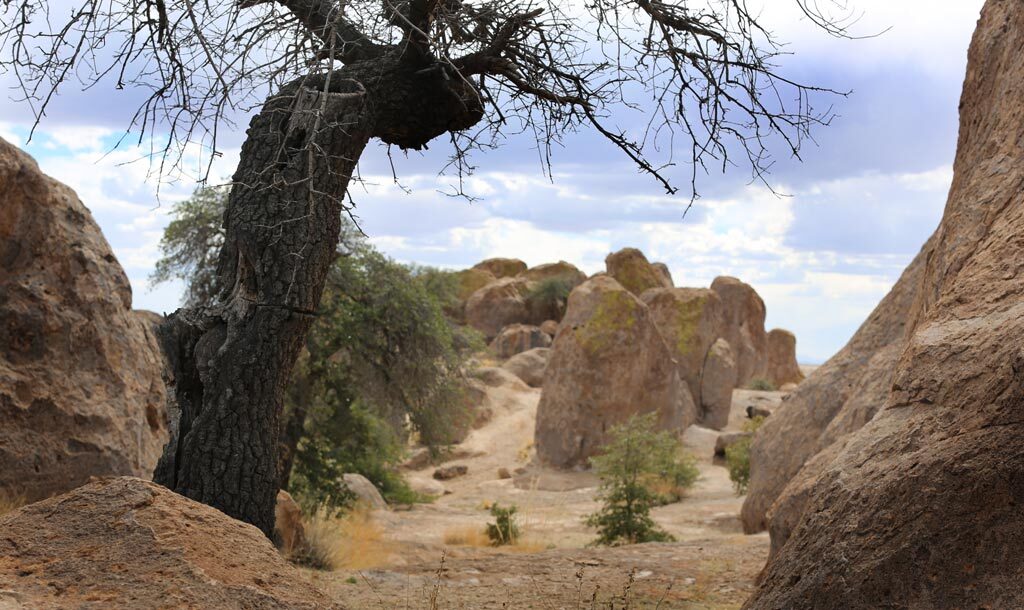
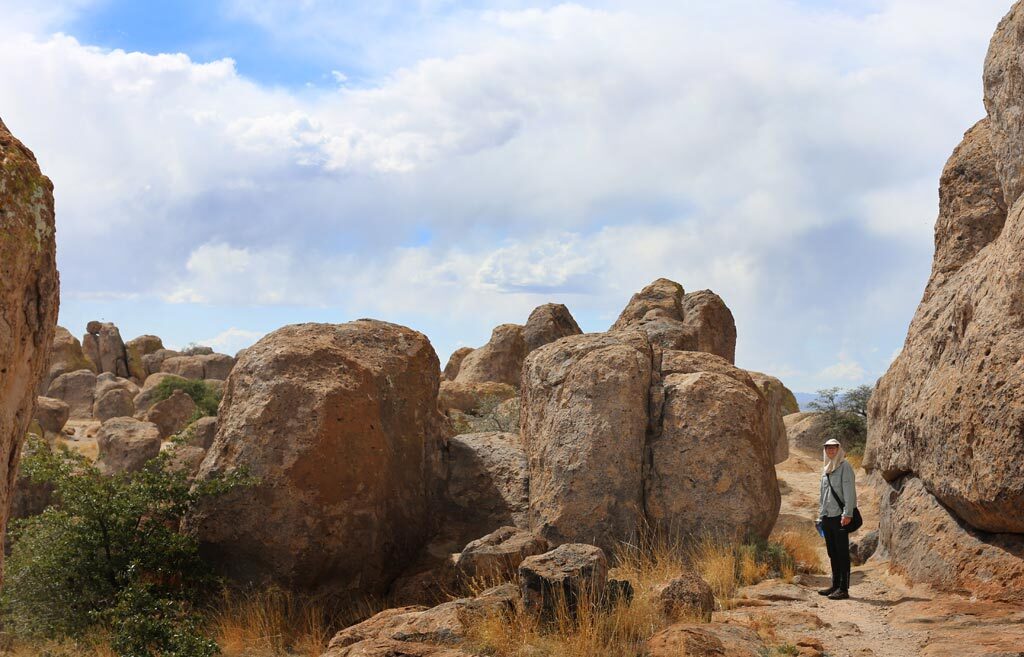
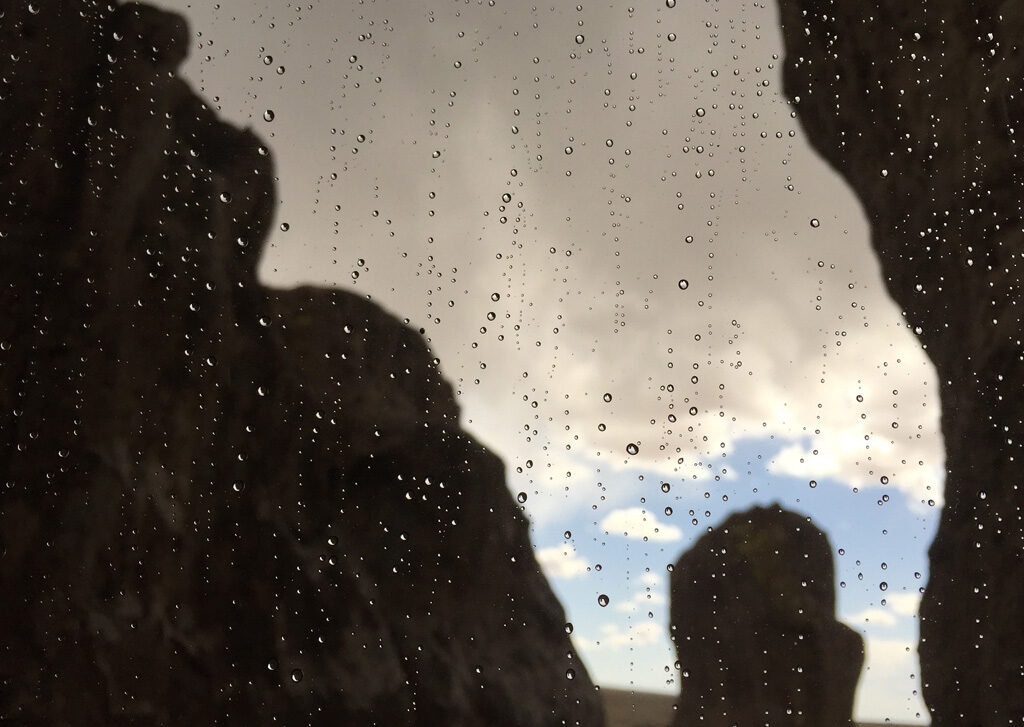
The first view I have of the City of Rocks immediately reminds me of the trip Tom and I took to Stonehenge in England. But man had no hand in the striking formations that rise out of the New Mexico desert.
This geological oddity is the result of volcanic ash spewed out 30 million years ago, piled up, buried and pressed into rock, then pushed back to the surface, where wind and water carved it into wild looking obelisks, teetering sculptures and mushroomlike stands.
Close encounter with bear (spray)
 The day I bear-sprayed myself started out fairly organized.
We were planning to leave early from Bog Springs Campground in Madera Canyon, a beautiful spot in the Coronado National Forest in Arizona. We wanted to get to the Titan Missile Museum on our way to a campground near Arivaca.
We were up early, stowing our bedding, making breakfast and packing up all our gear, camera, hiking boots, camp chairs, grill, computers, knitting, cat. I wasn’t even thinking about the bear spray.
No lone zone
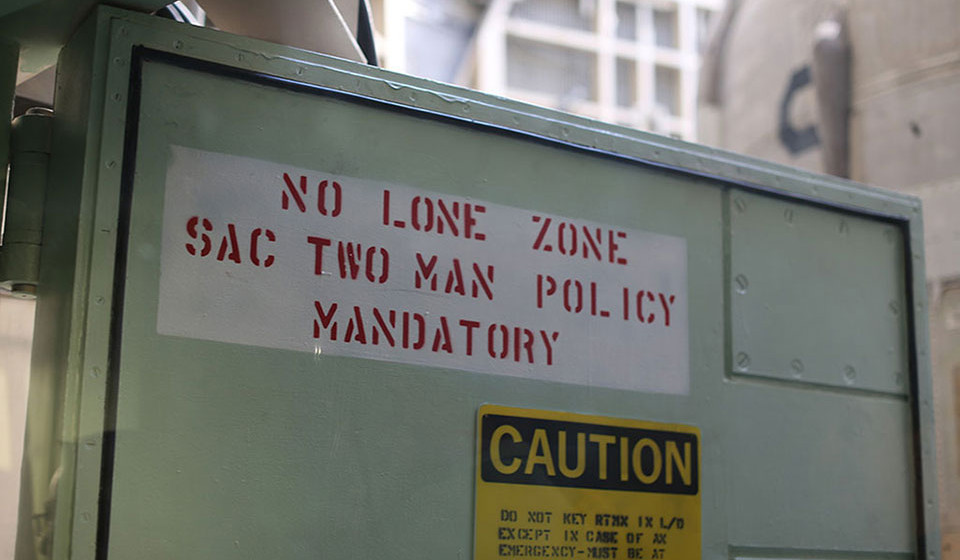 One of the "NO LONE ZONE" signs in the silo.
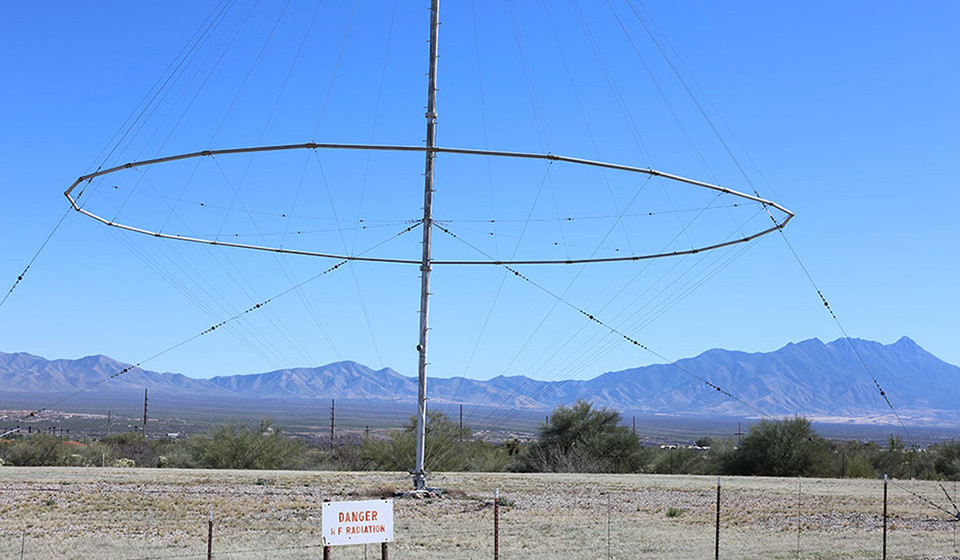
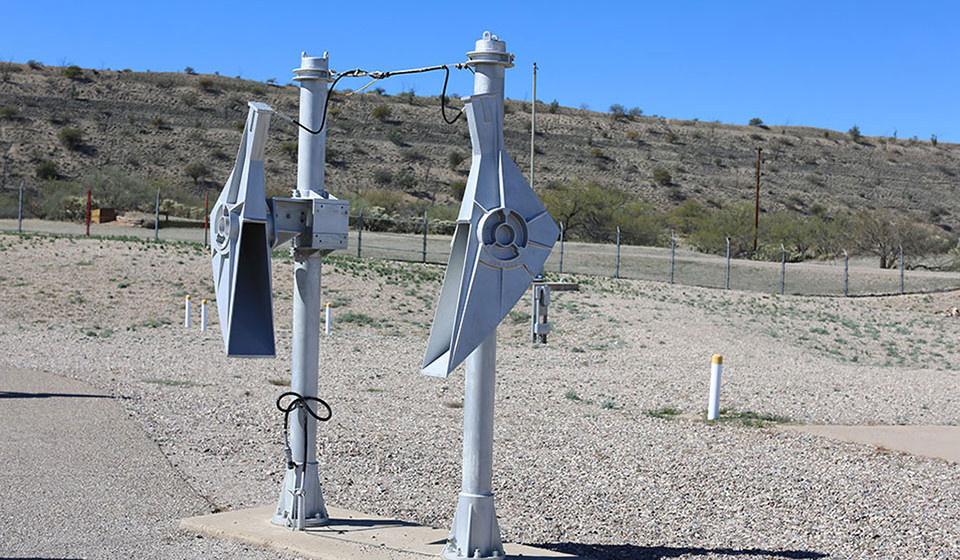
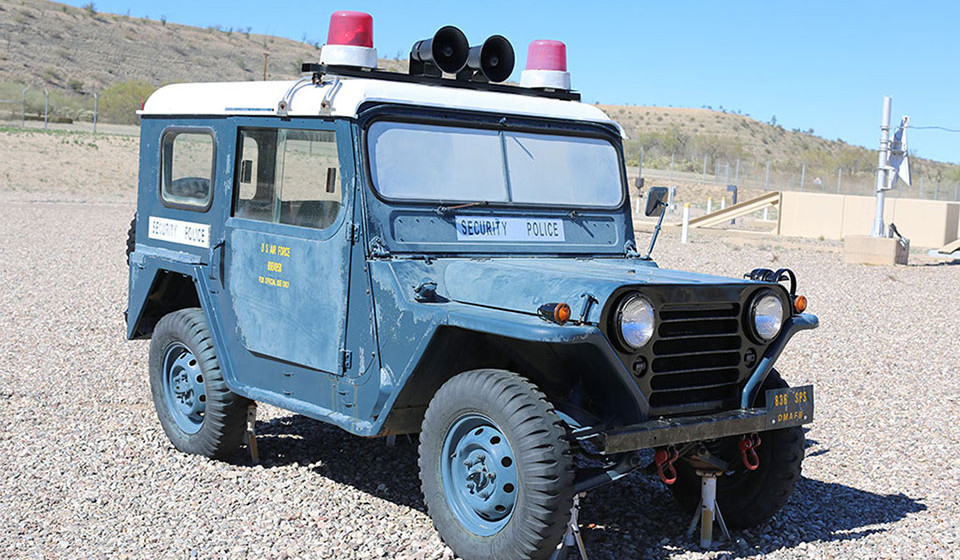

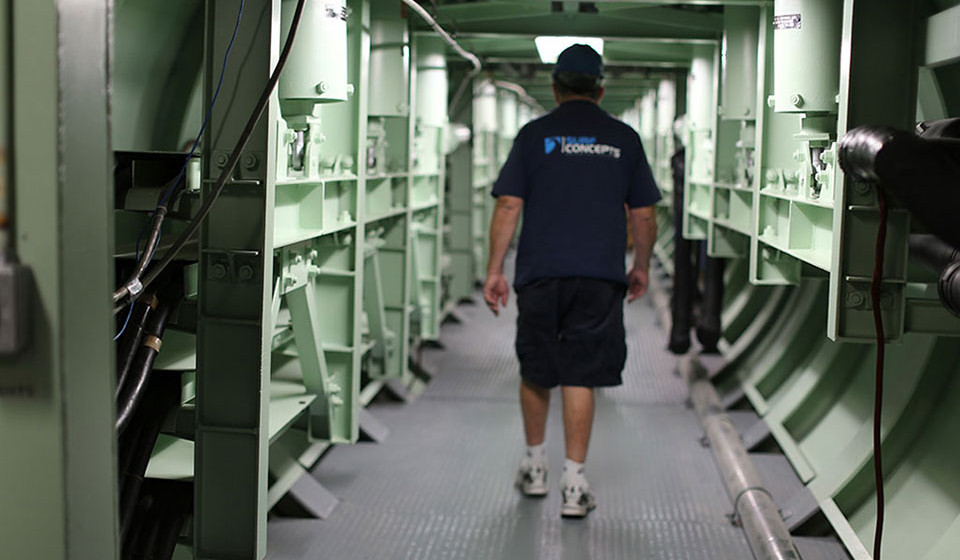






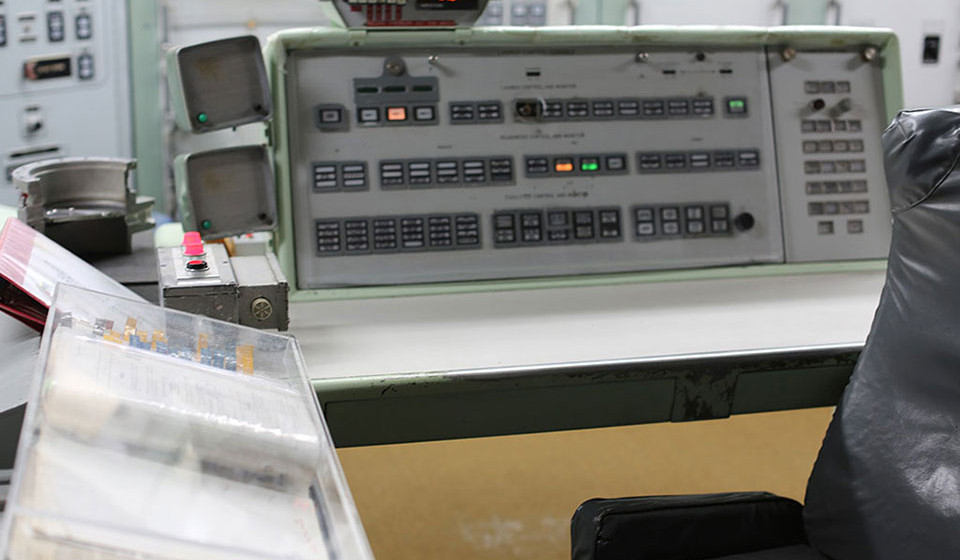

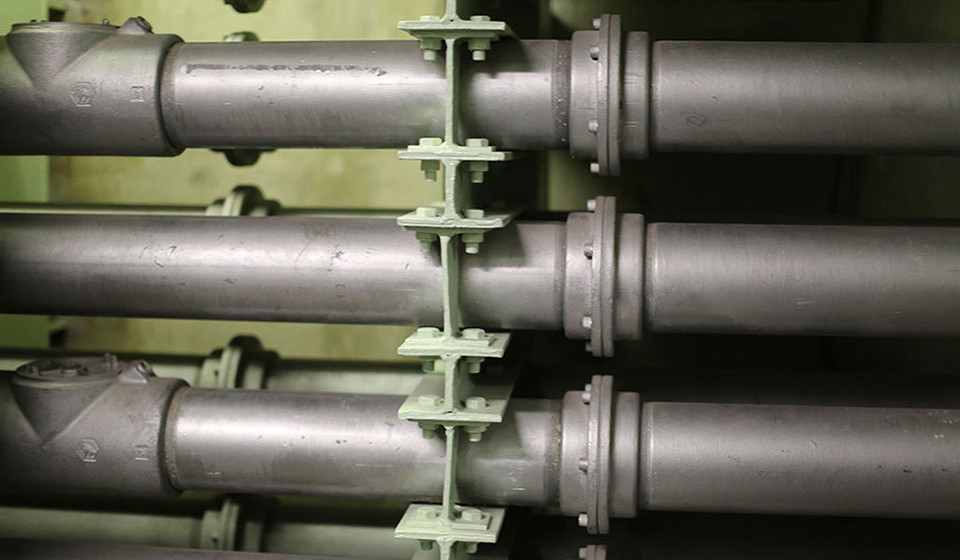
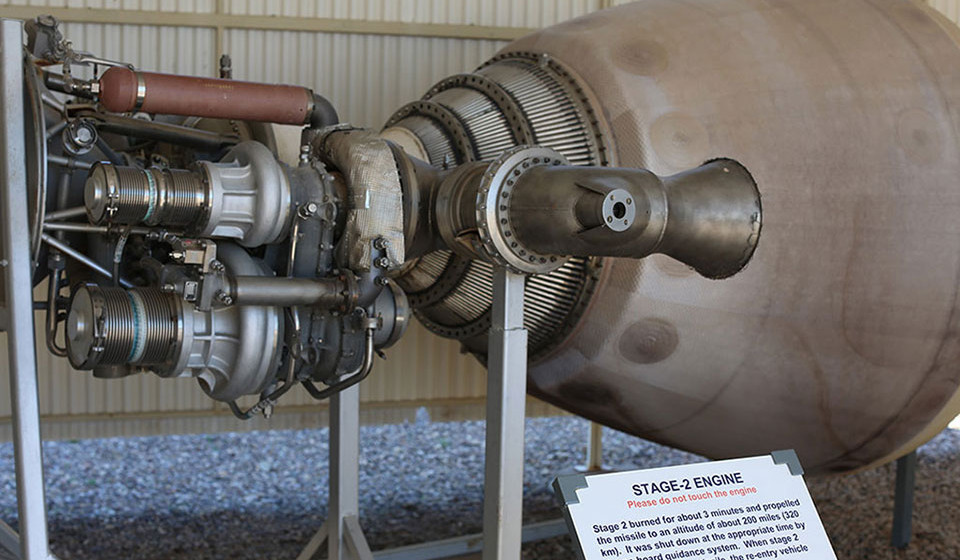
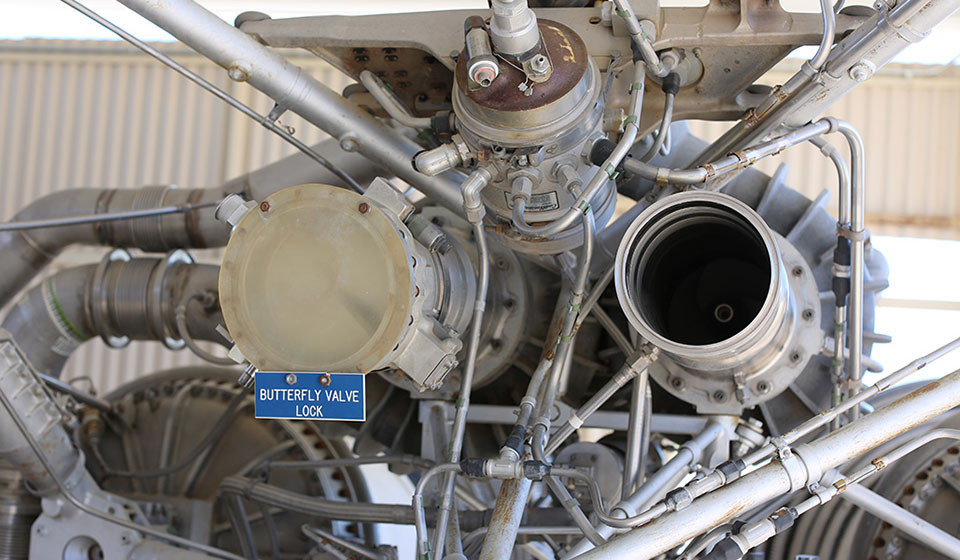
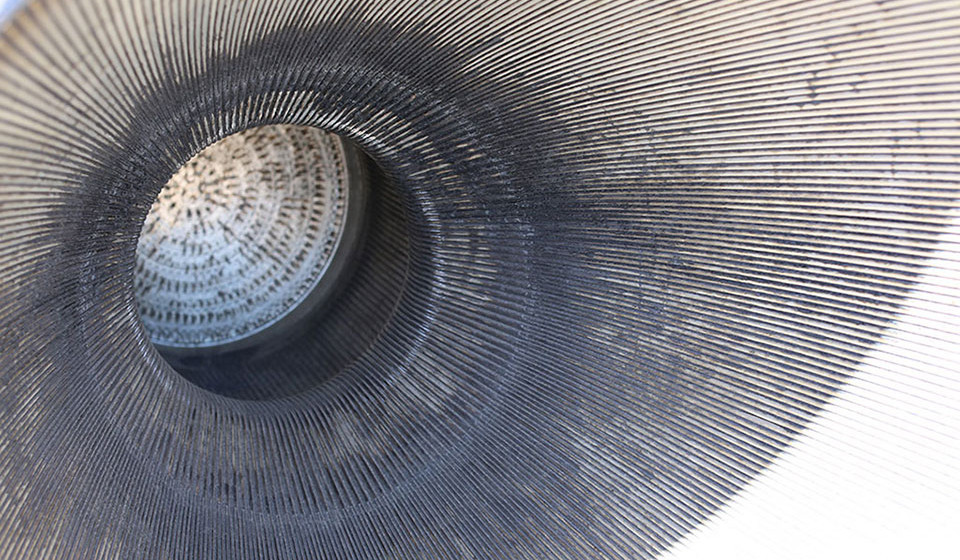

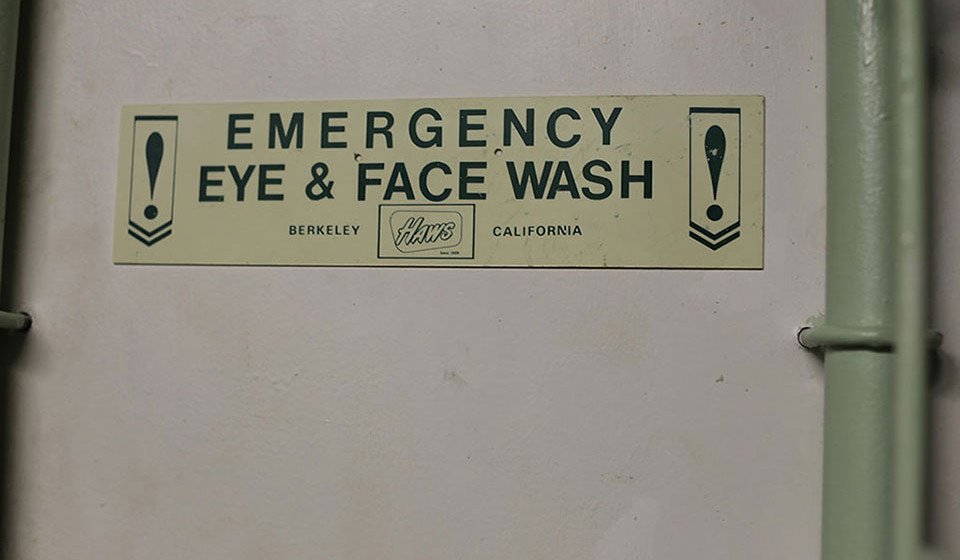


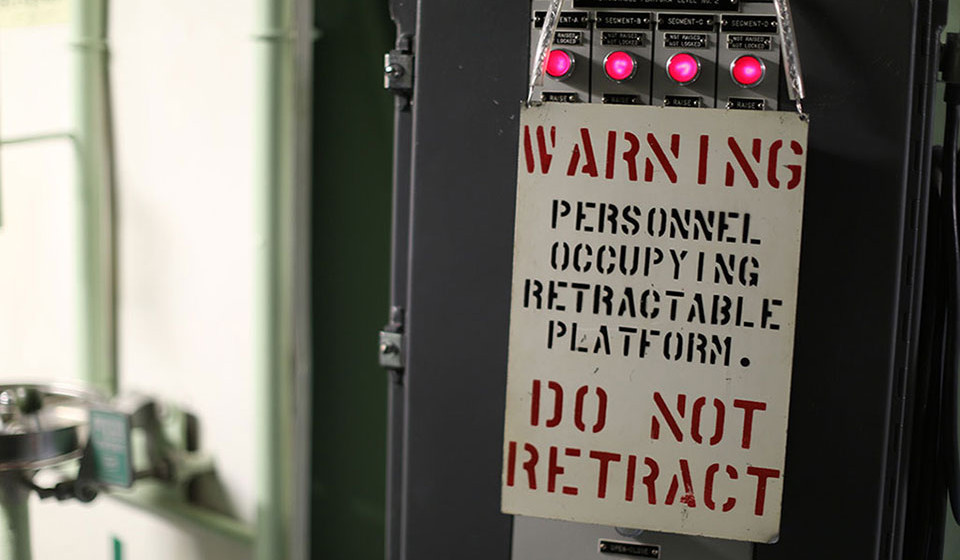
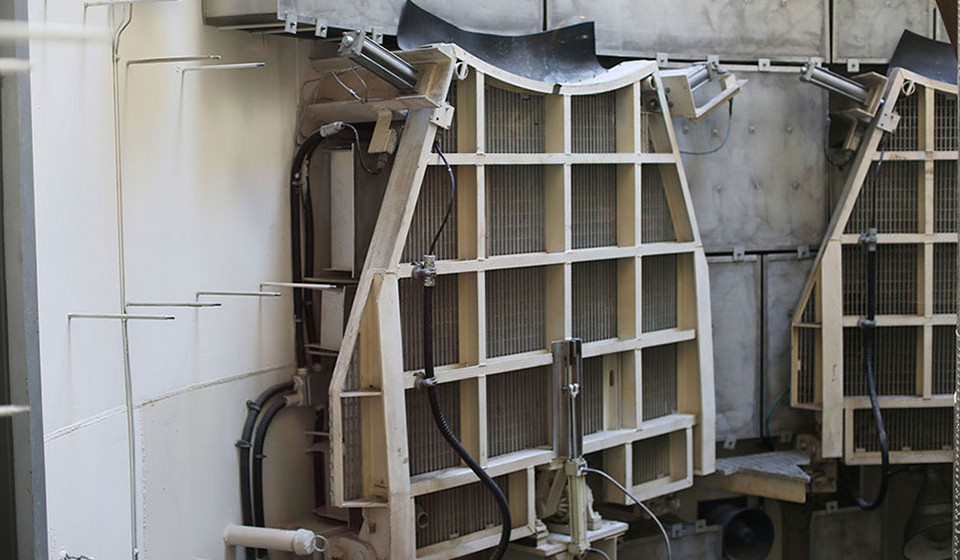
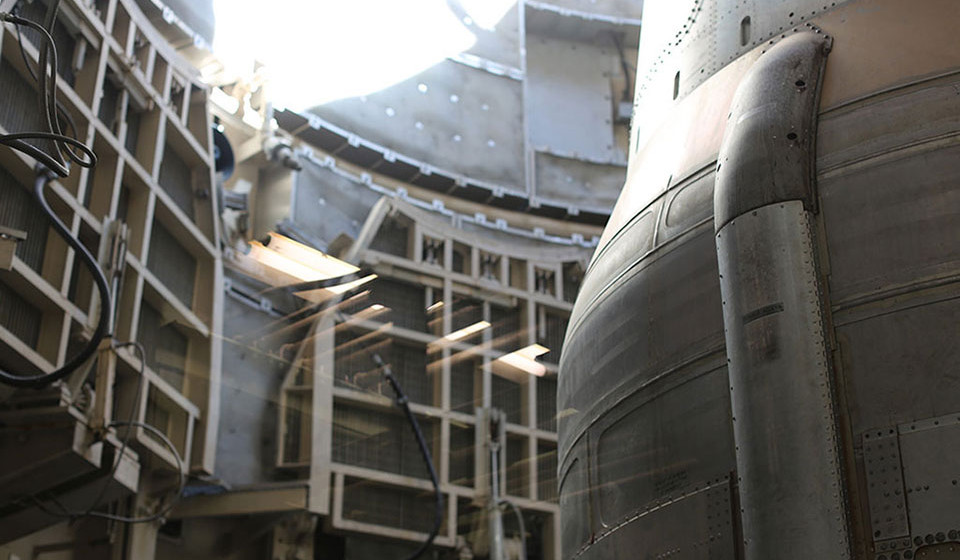
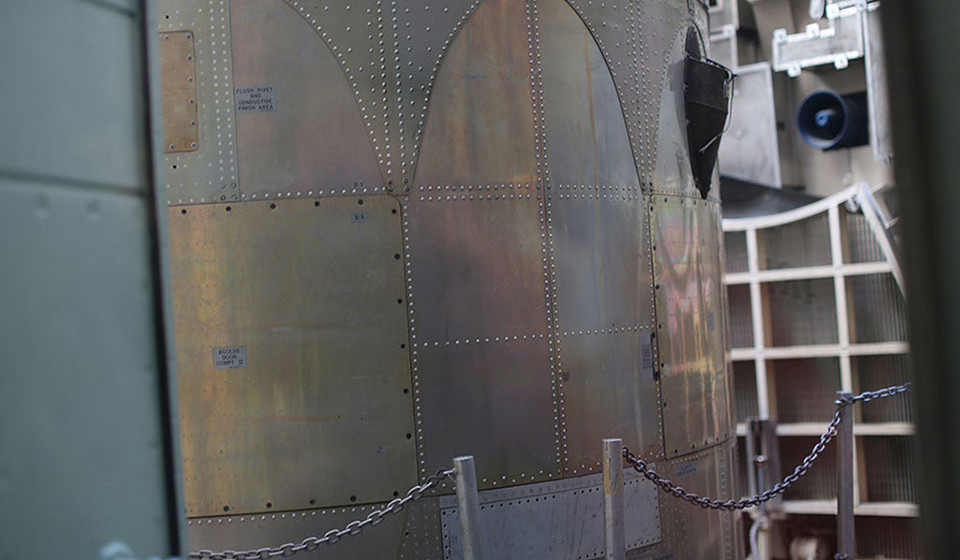
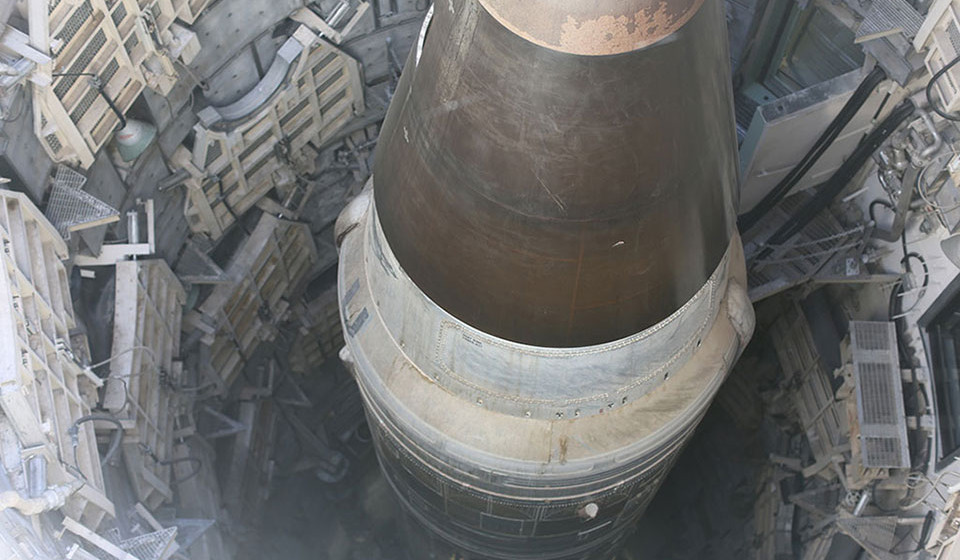
The Titan Missile Museum outside Green Valley, Arizona, is an eerie reminder of the era of mutually assured destruction, as the United States and Soviet Union aimed even nuclear firepower to annihilate the world many times over.
For us, it carries even more significance because one of Tom’s friends since high school served in a silo near McConnell Air Force Base in Wichita, Kansas.
Nomads and the civilised look at each other with disapproval and misunderstanding. Why would anyone want to wander the wilderness and live in a tent? Why would anyone want to live in a box and obey unnecessary masters?
Ali, Mostly we’ve found people think it’s really cool. Many tell us they dream of being able to wander the world. Are you a nomad?