Our wandering path
Glimpse: The Day The Music Died
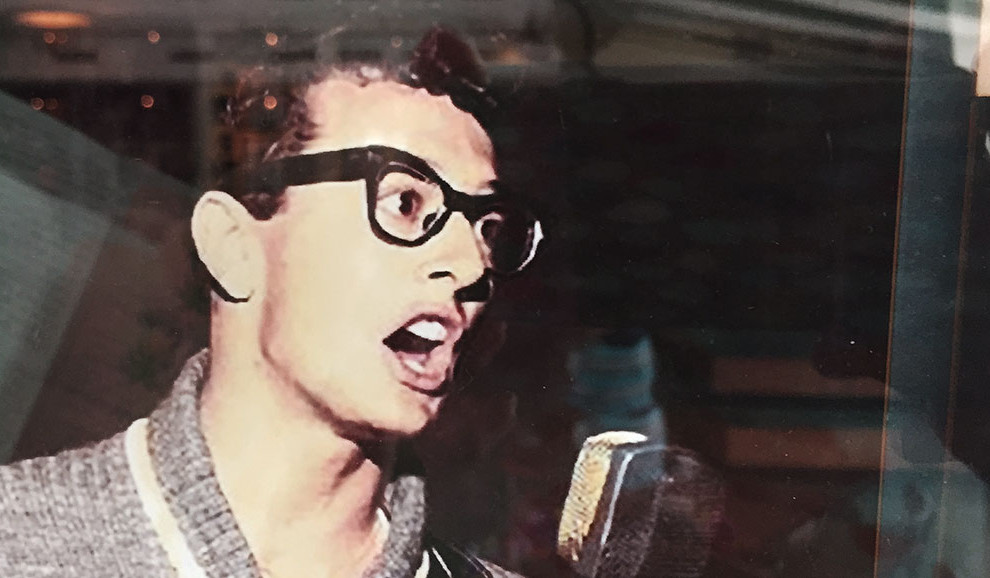 Buddy Holly
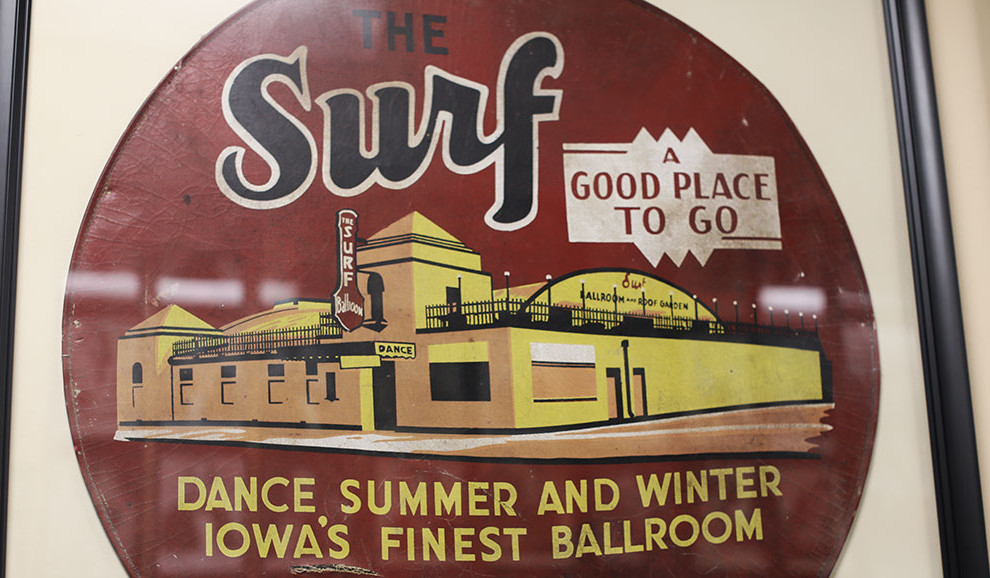
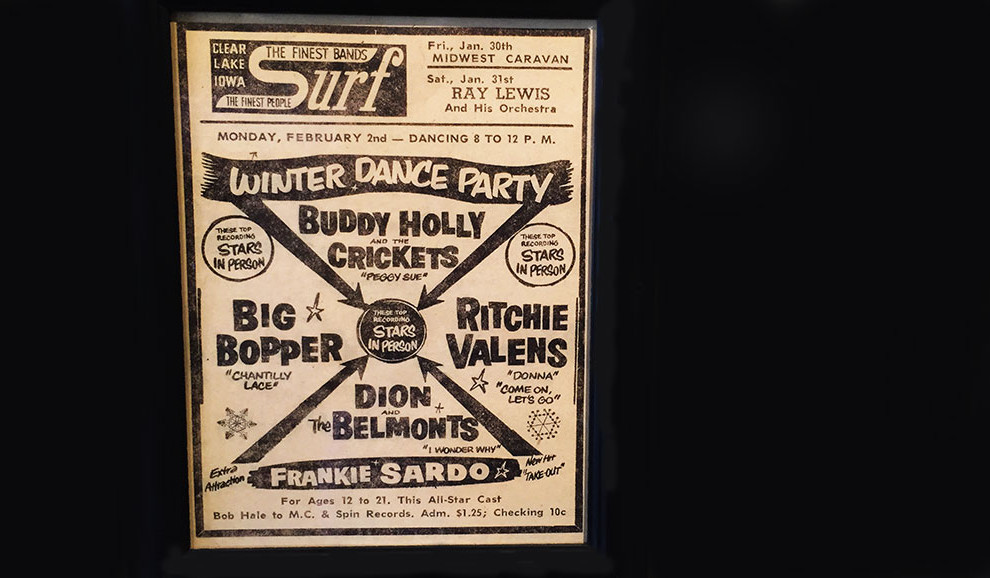

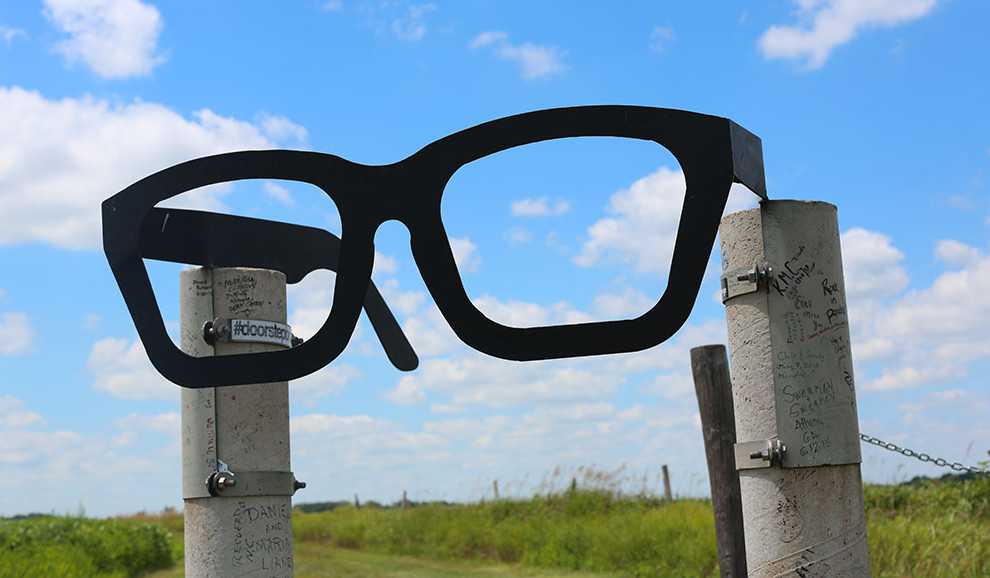
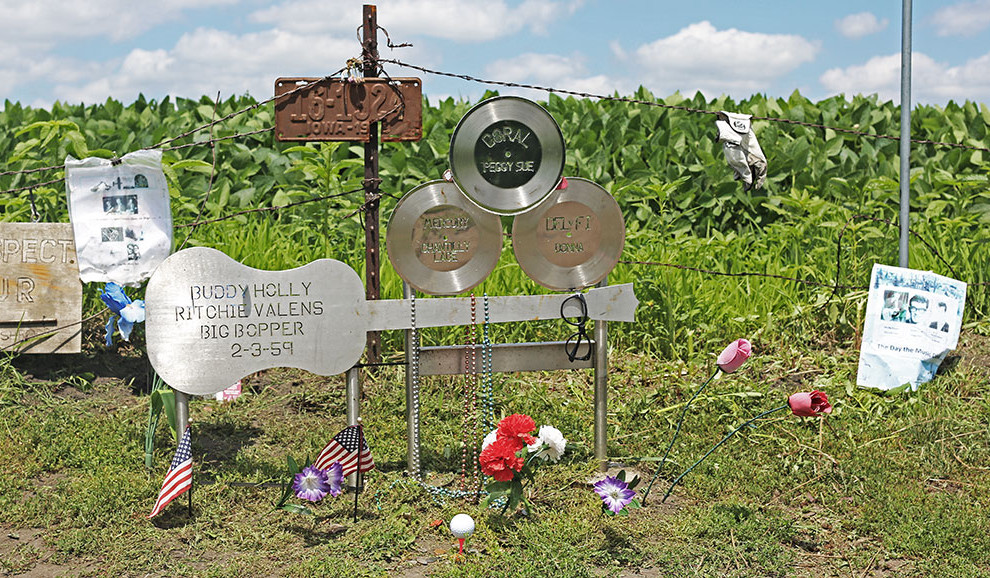
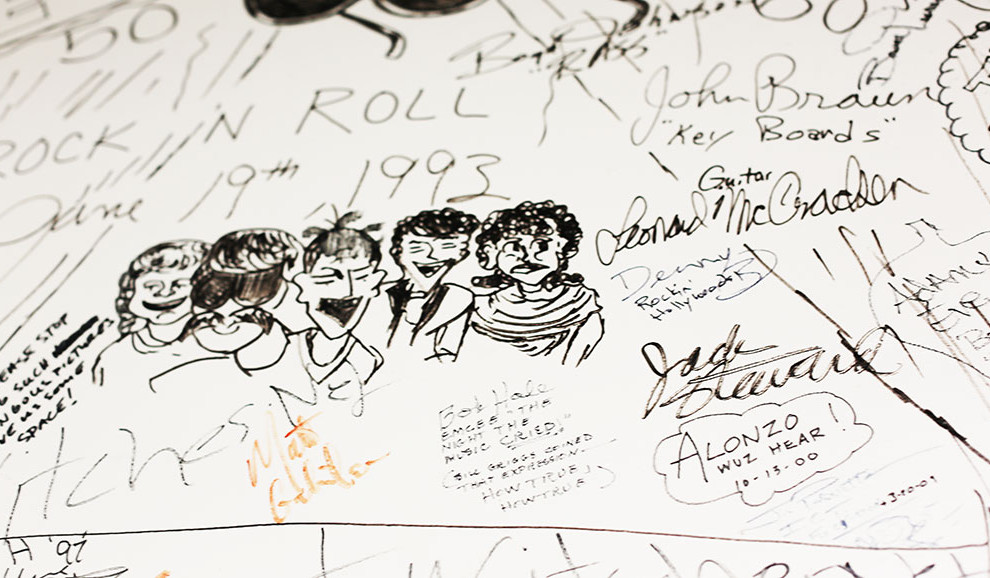
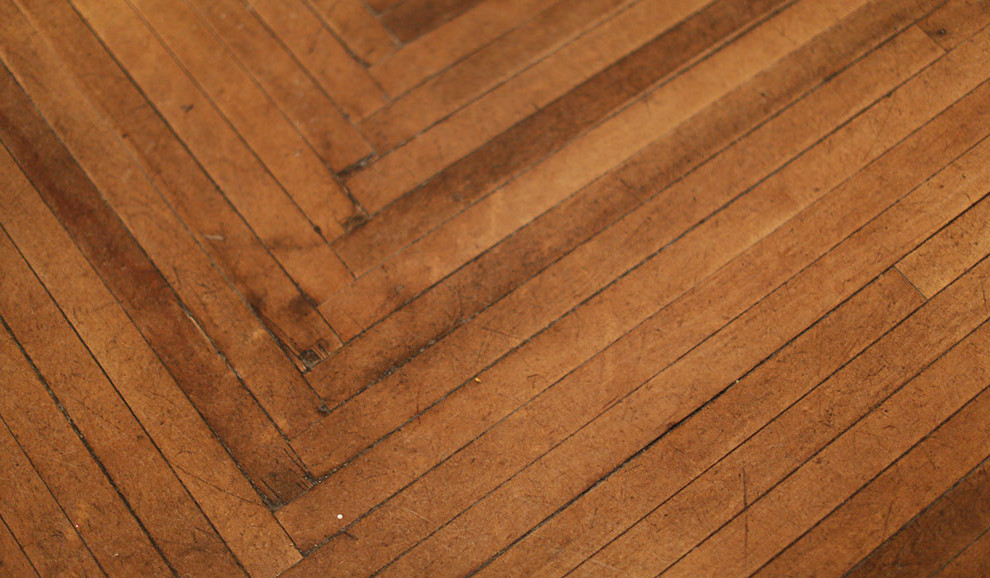
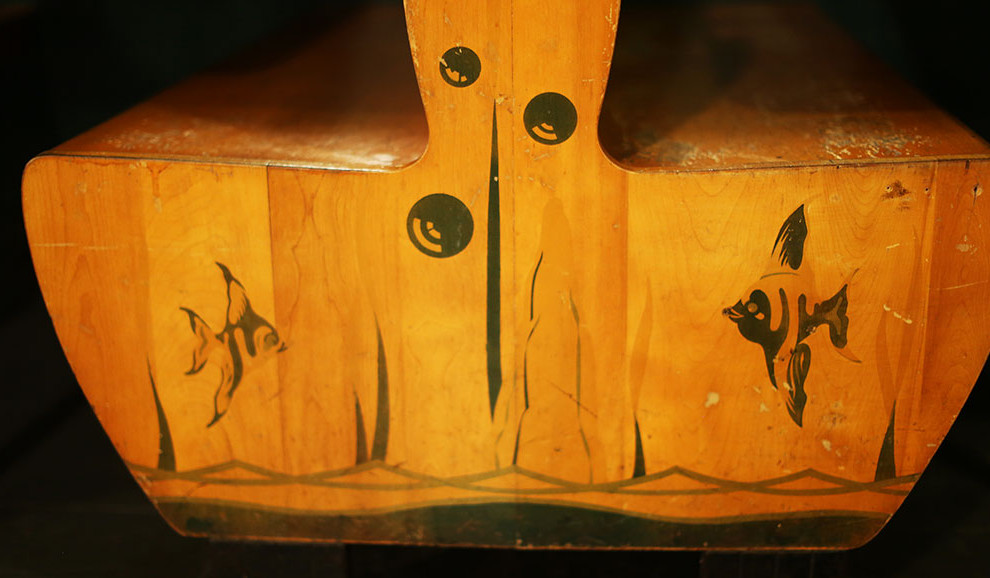
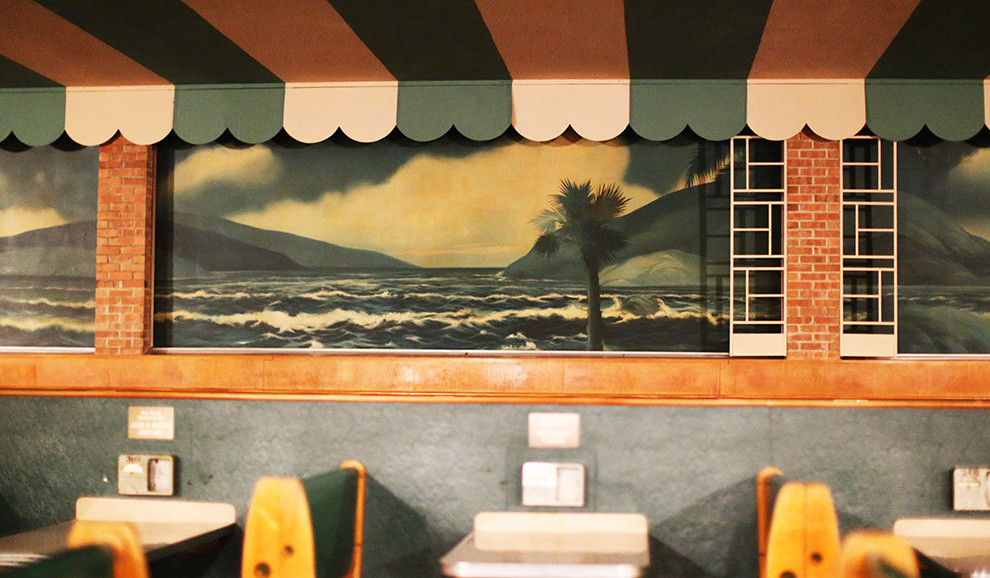
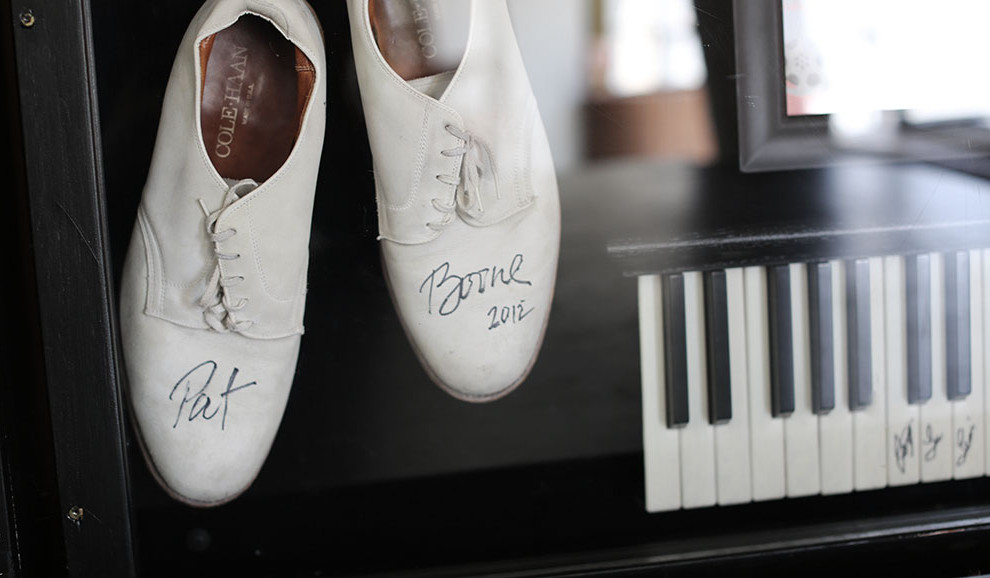
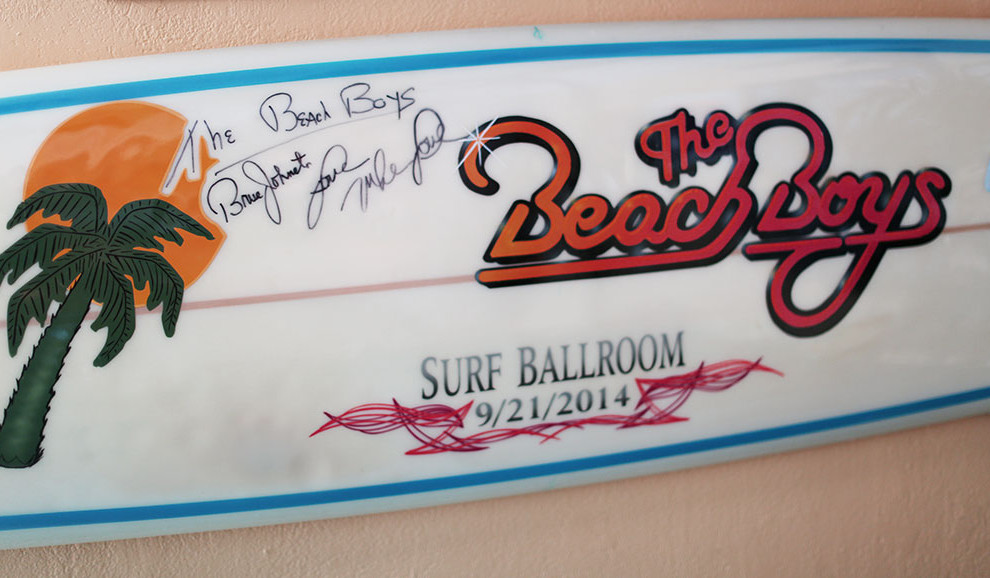

When we walked into the Surf Ballroom in Clear Lake, Iowa, crews were setting up for a concert. Images of Buddy Holly, forever remembered for his last concert here, stared down from the walls, across the original booths, hand-painted murals and maple dance floor. In the wee hours of a frigid February morning in 1959, a 21-year-old (apparently unqualified) pilot was at the helm of a small airplane that plunged into an Iowa cornfield, killing Holly, Ritchie Valens, and J.P. “The Big Bopper” Richardson. The musicians were touring the Midwest on The Winter Dance Party Tour, 24 stops in 24 days. But the tour was poorly planned, with the artists zigzagging back and forth across hundreds of frozen miles in a bus so cold that drummer, Carl Bunch, was hospitalized with frostbitten feet. Holly decided to fly from Clear Lake to Fargo, North Dakota, to skip the bus and get some rest. Richardson, who had the flu, took Waylon Jennings’ seat on the plane and, when Holly found out, Holly told Jennings, “Well, I hope your ol’ bus freezes up.” Jennings replied, “Well, I hope your ol’ plane crashes,” a comment that he said has haunted him all his life. Valens asked Tommy Allsup for his seat, and they flipped a coin. Valens would fly. The plane took off shortly before 1 a.m. from Mason City Municipal Airport. Pilot Roger Peterson flew into a cloudy, snowy sky, although he was not qualified for instrument flying and was not given an adequate briefing on deteriorating weather in his path. The plane crashed minutes later, less than six miles from the airport. Investigators think he may have misread the attitude gyro, which gave the opposite visual of the artificial horizon on which he had been trained, and that he flew into the ground, thinking he was ascending. The wreckage was discovered about 9:30 a.m. Holly’s pregnant wife learned of his death from television reports, and soon suffered a miscarriage, prompting officials to change their policies and withhold victim names until notification of next of kin. Don McLean memorialized the crash in his iconic song, American Pie, in which he references how he heard the news when he was folding and delivering newspapers the next morning. “February made me shiver, with every paper I’d deliver. Bad news on the door step. I couldn’t take one more step.”
Glimpse: Effigy Mounds
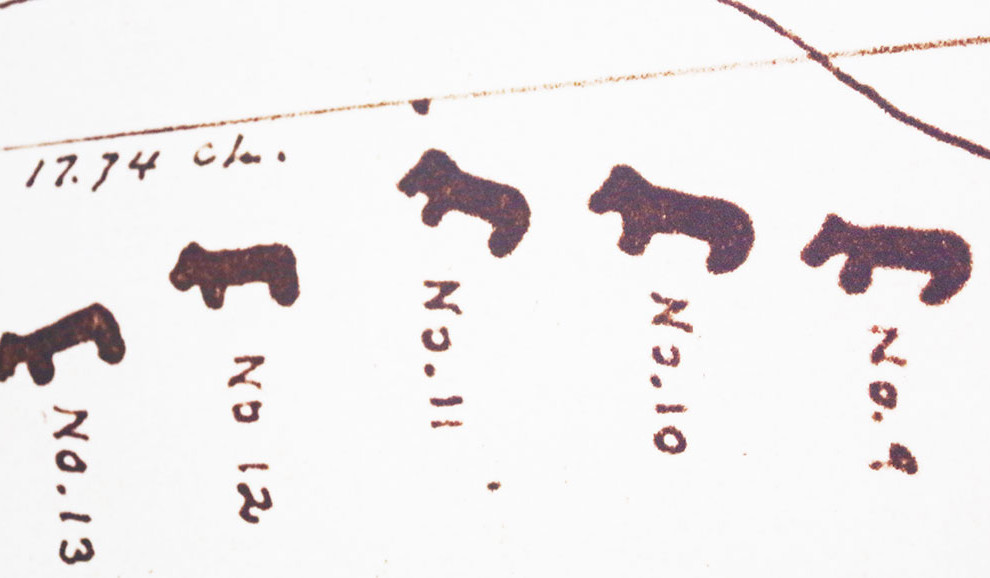 Detail from poster in visitor center showing bear mounds along a ridge.
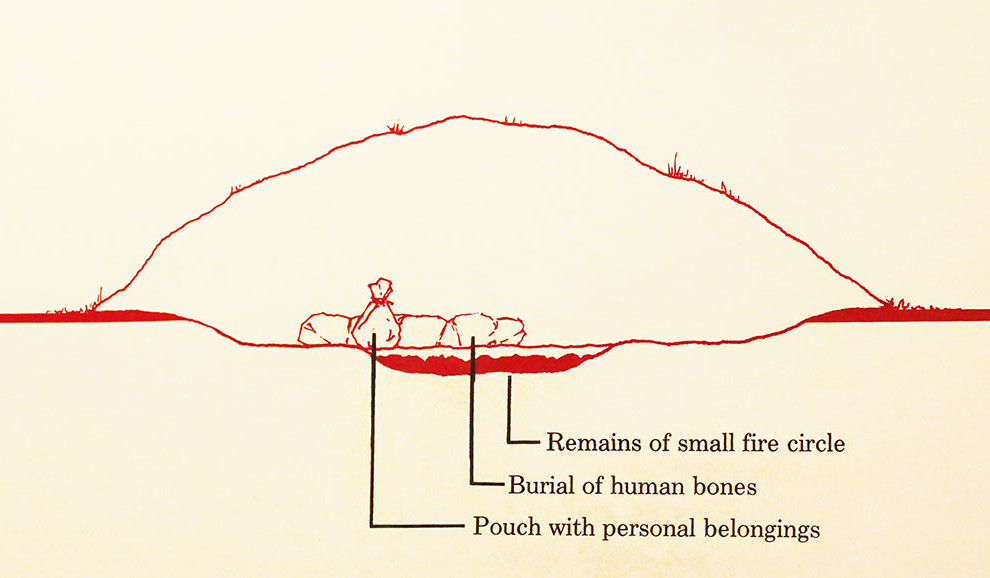
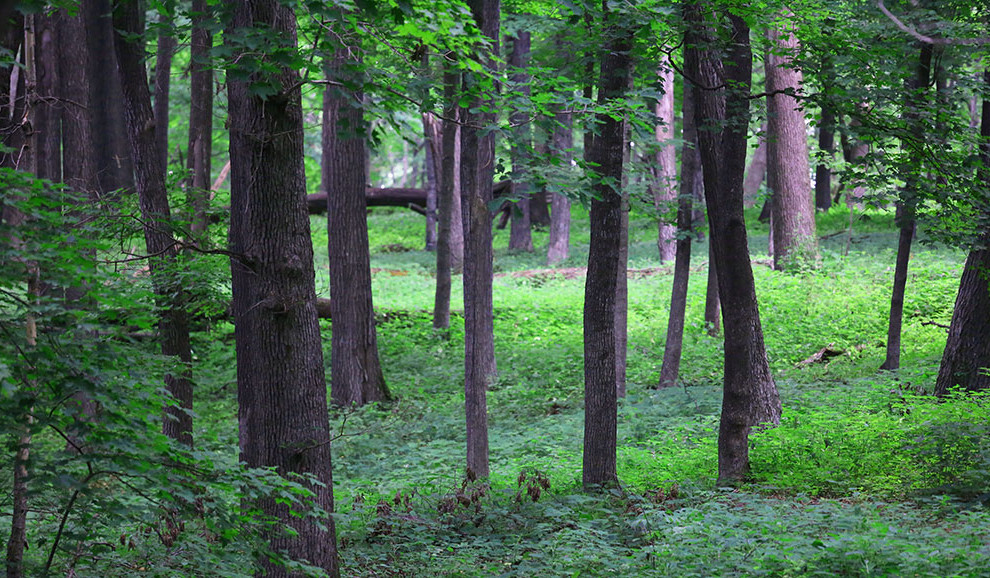
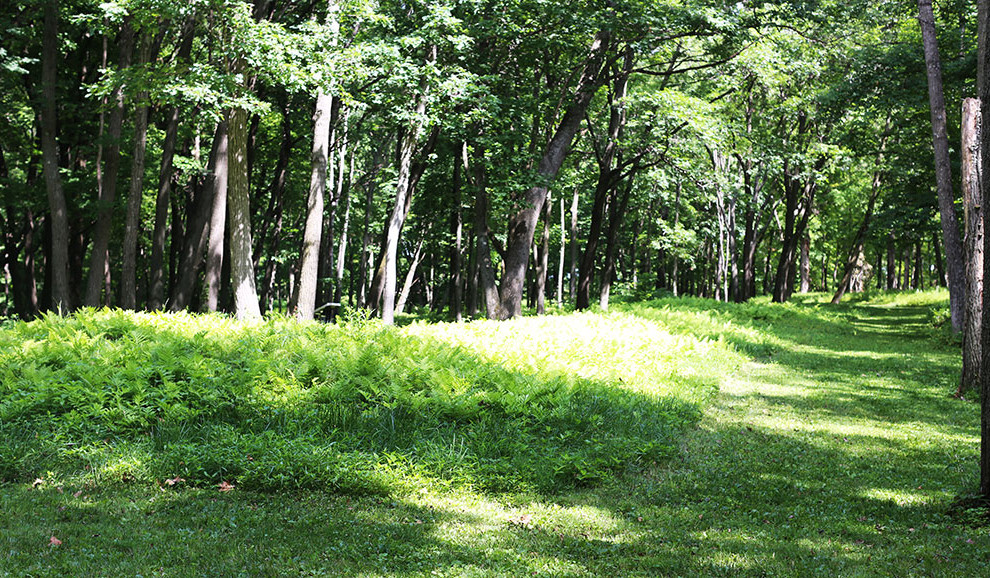



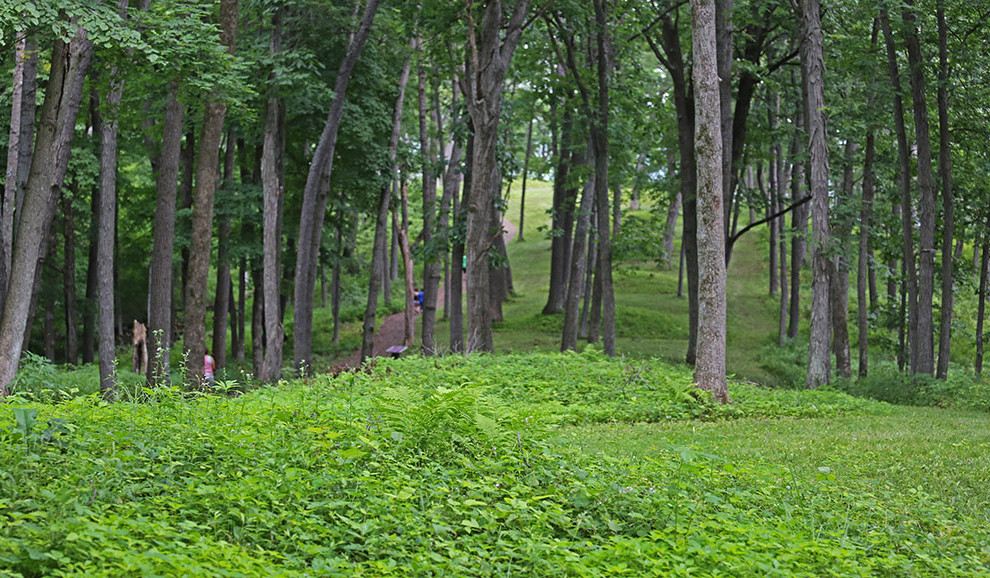
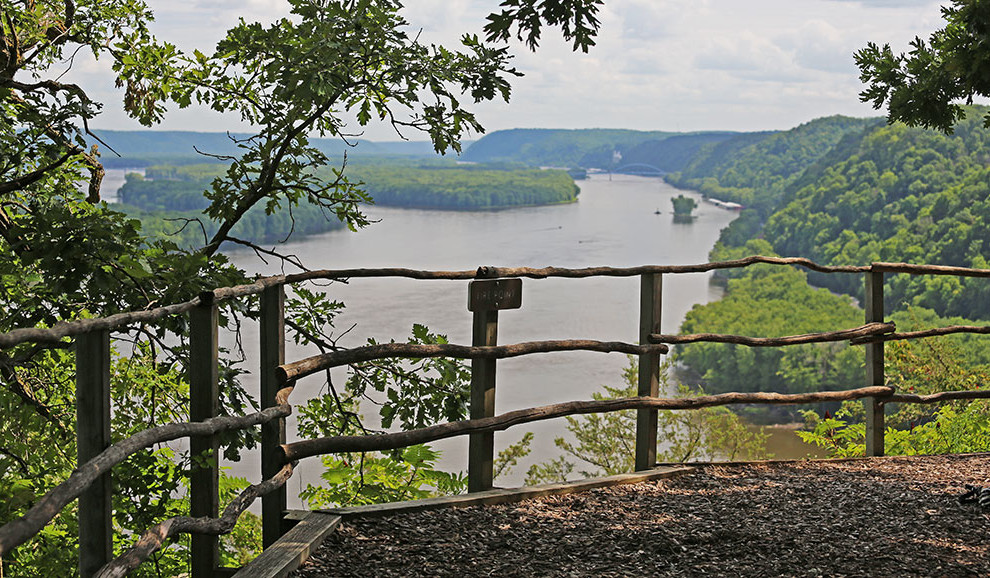
As you climb the hill behind the Effigy Mounds visitor center near Harpers Ferry, Iowa, you are enveloped in green, hickory and maple trees, bushes, grasses, punctuated with spots of sunlight and pink, purple, white and red wildflowers. When the Woodland people were building mounds 850 to 1,400 years ago, they would regularly burn the slopes by the river, presumably to maintain open meadows and attract large game. In a more open area, you could easily see the beautiful banks of the Mississippi River, and the mounds would be more visible. Today, they are shaded and somewhat obscured by thousands of trees. Still, you can make out the shapes, although they would be more easily seen from the air, an odd fact for builders who had no way to fly. The Native American Woodland people created these mounds, many of them for burials, piling topsoil usually four feet high, some up to 212 feet long. There are birds, turtles, bison, deer, lynx, lizards and bears, lots of bears. Bears are most prevalent here, some marching in a line downriver. Simpler dome shapes sometimes were connected with linear mounds. No one knows the true meaning of the mounds, or why the building stopped. But as you walk past the massive earthworks, you marvel at the collective effort and artistic aesthetic required.
Glimpse: Mineral Point, Wisconsin
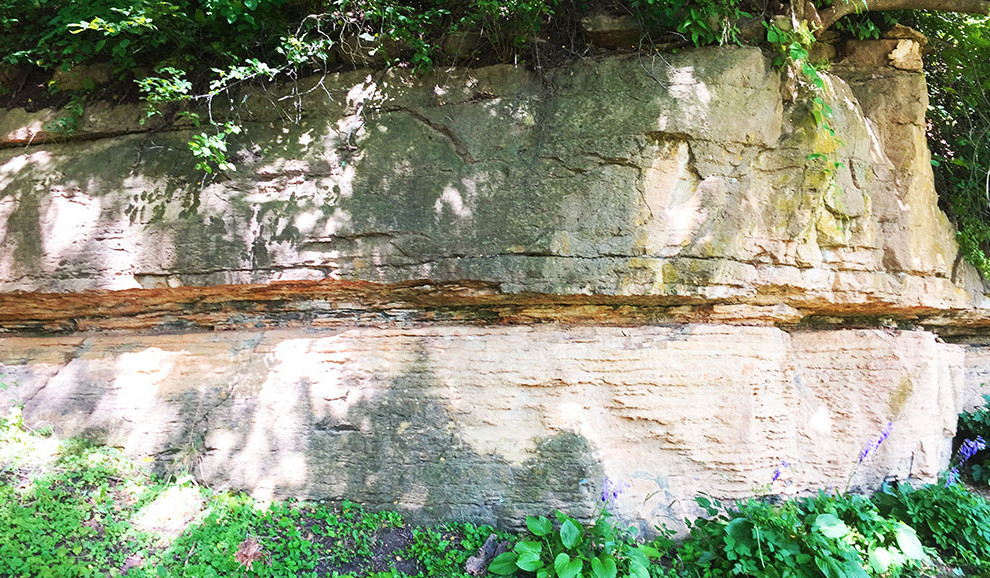 An outcropping of sandstone with mineral striations.
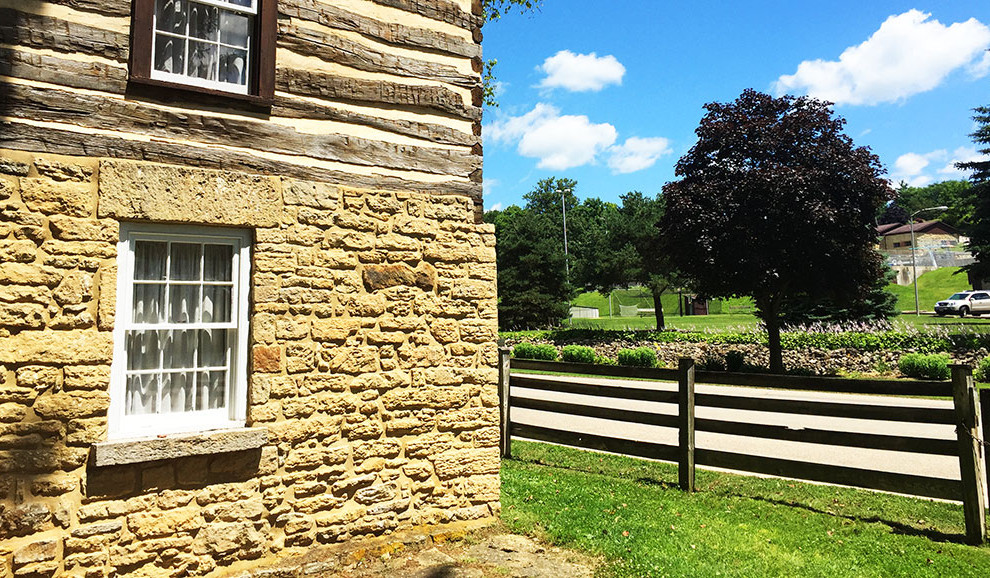
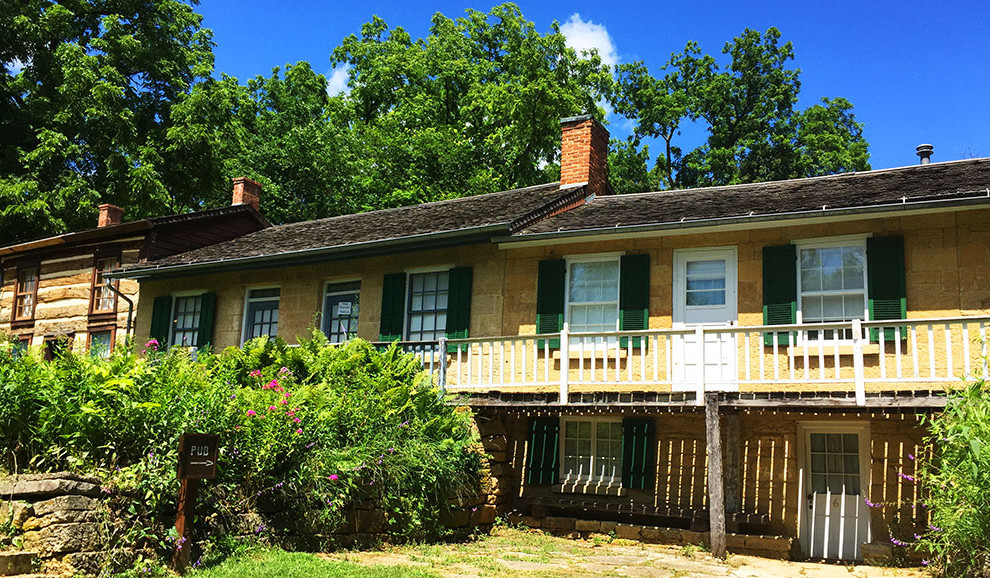
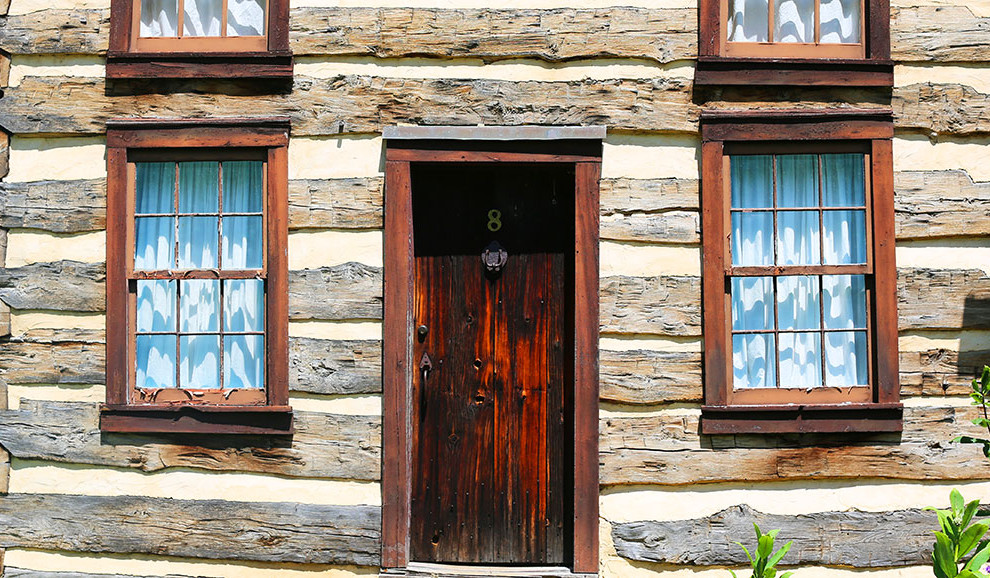
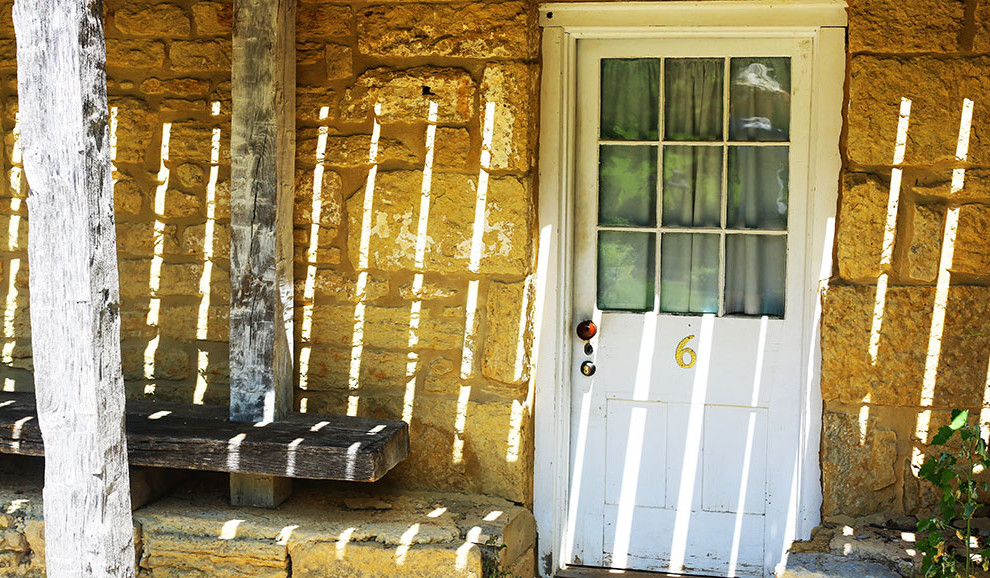
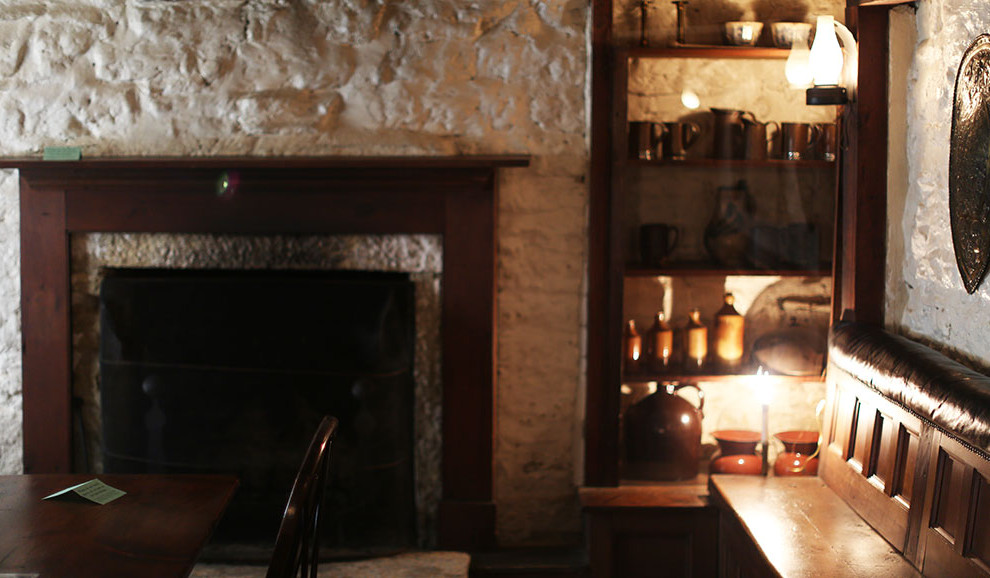
Mineral Point, 50 miles southwest of Madison, Wisconsin, is one of those off-the-beaten-path places worth the drive. It was born in the early 1800s when miners found lead near the surface and started digging. They lived in caves dug out of the hills, called “badger holes,” which gave Wisconsin its nickname as “The Badger State.” When deeper mines were needed and zinc was discovered, experienced miners from Cornwall, England, arrived. By the mid-1800s, the Cornish masons were constructing stone buildings out of the local golden limestone. When the mines went bust, the buildings fell into disrepair and were being demolished. In 1935, two men, Bob Neal and Edgar Hellum, began acquiring and restoring the buildings. Artists flocked to the city in the ‘60s and stayed to open galleries and studios. And in ‘71, the city was placed on the National Register of Historic Places. You can also visit the town’s train depot, one of the few surviving pre-Civil War in the United States and the oldest surviving structure of the Milwaukee Road. Here’s a glimpse.
Glimpse: Franconia Sculpture Park
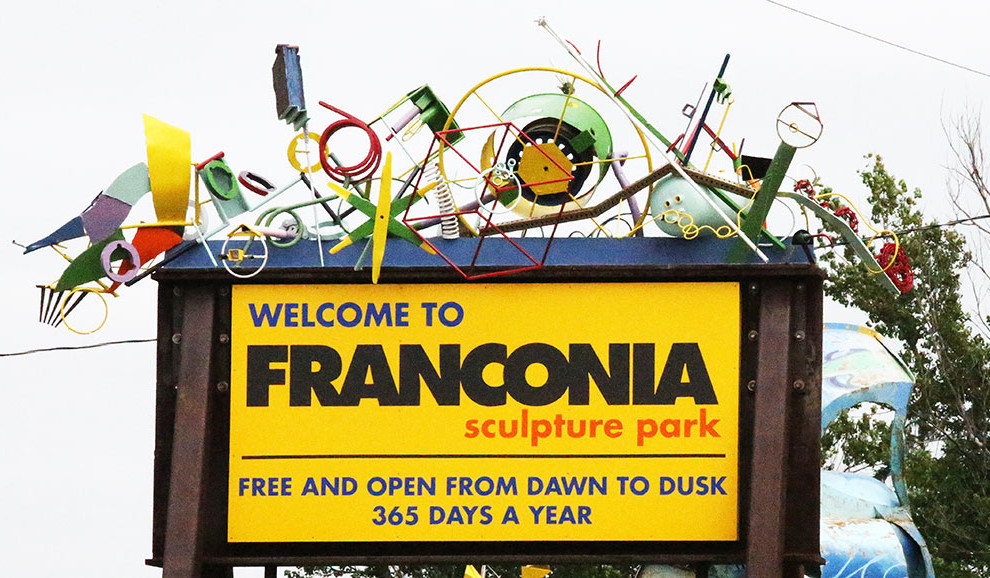 The colorful Franconia sign caught our eye and we steered The Epic Van into the parking lot.
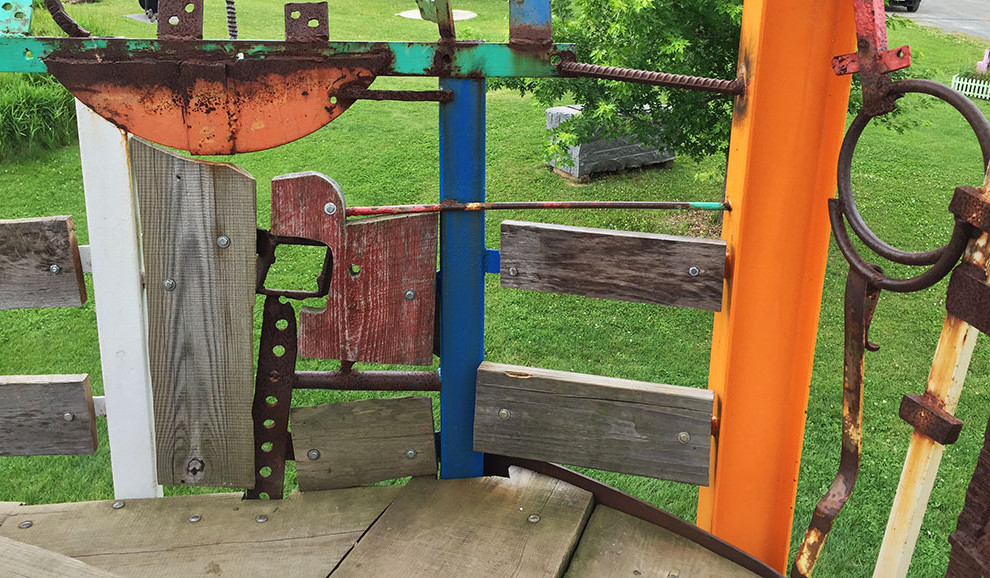
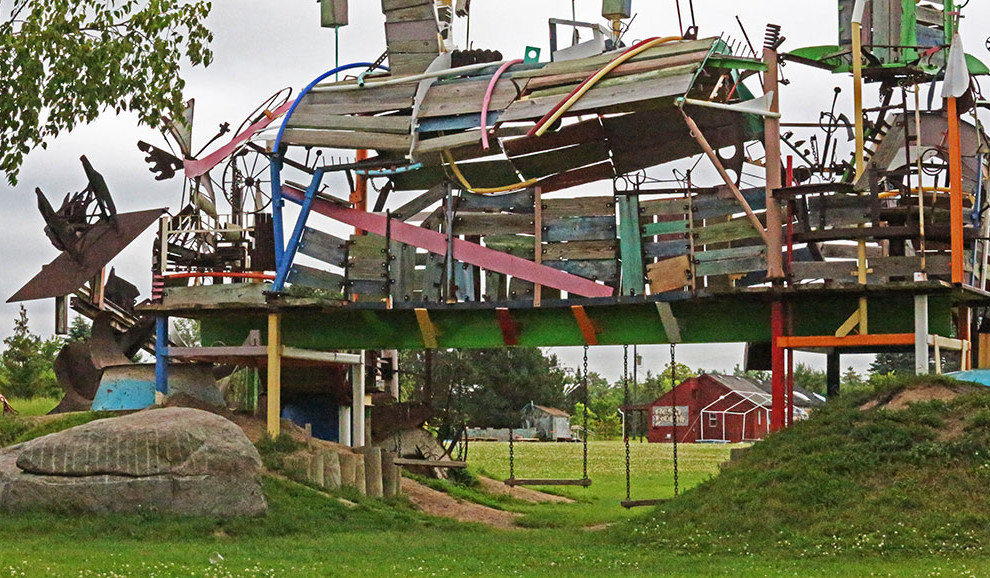
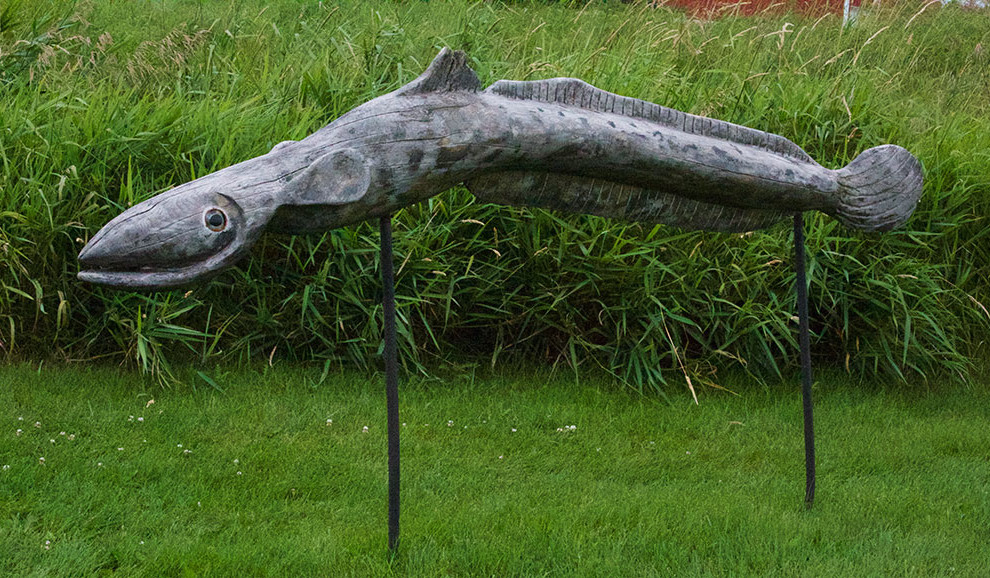
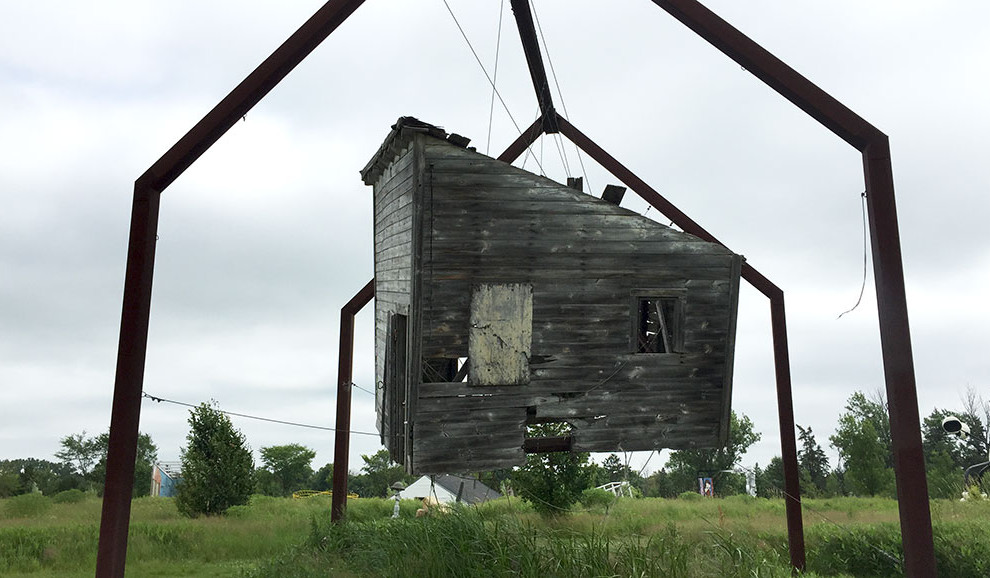
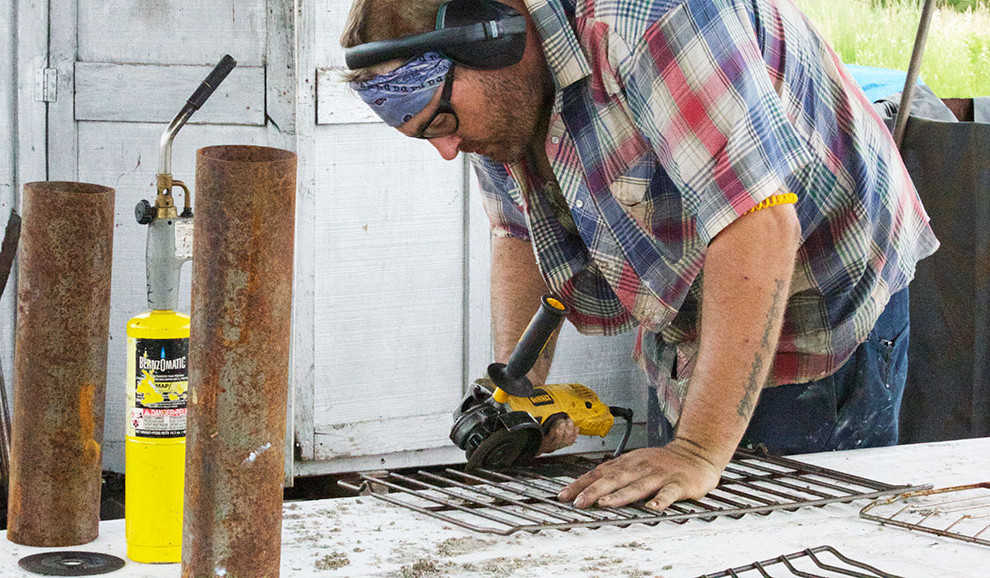
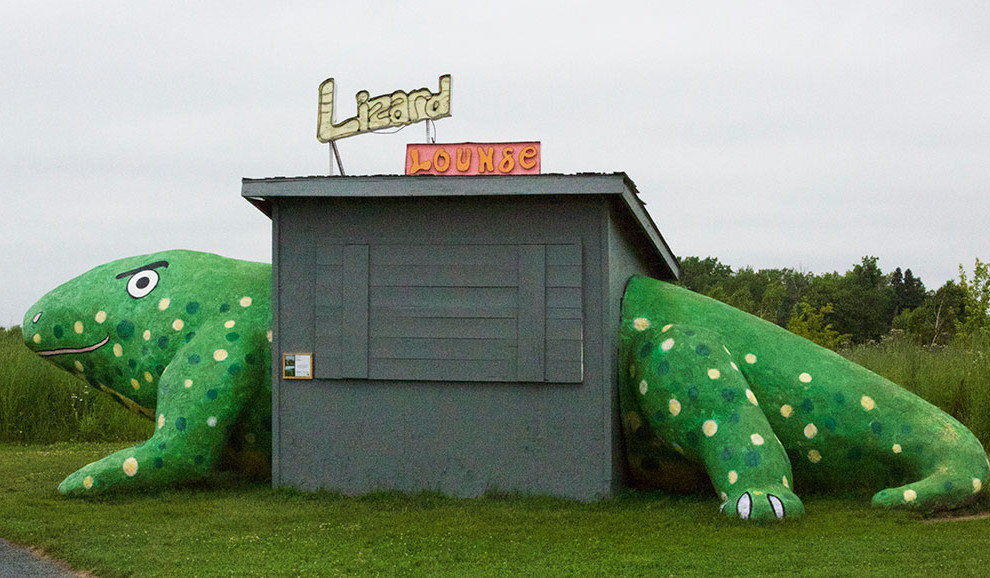
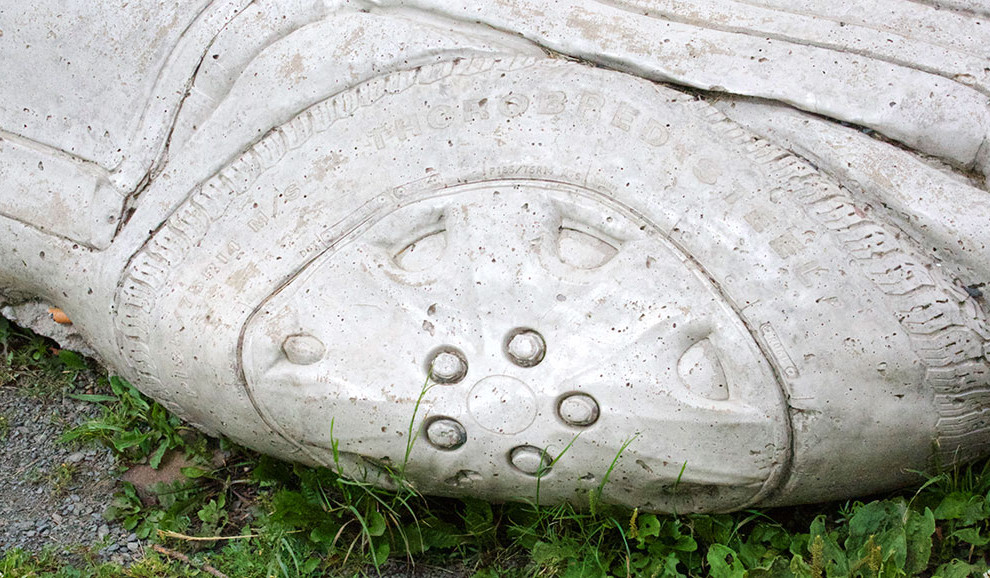
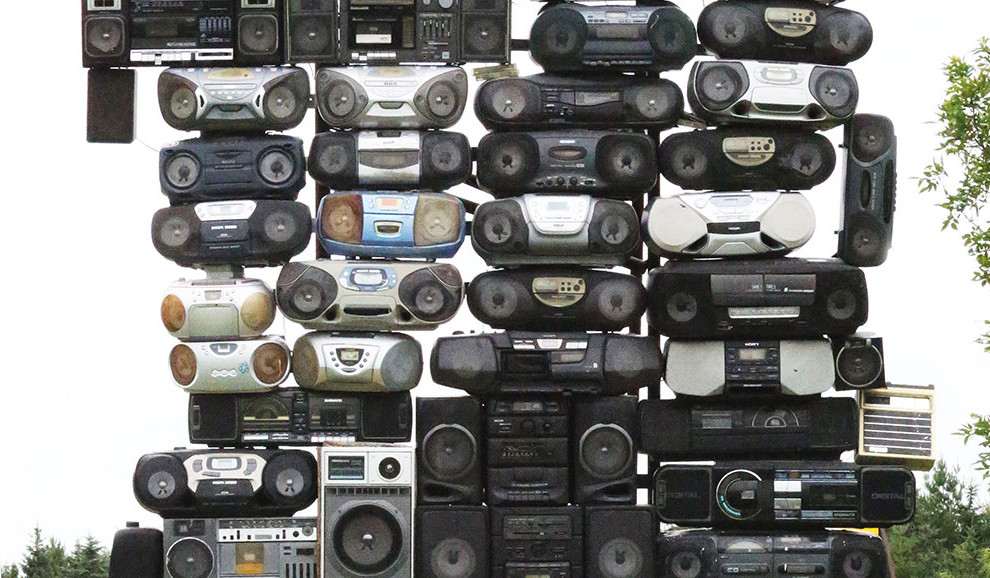
In the Saint Croix River Valley, we stumbled upon the Franconia Sculpture Park, its colorful sculptures popping up as we drove along the back roads. It is 43 acres of amazing artworks, presented by a nonprofit organization that also sponsors artist residencies and community arts programming. We wandered the grassy preserve in awe. My favorite was a multi-colored play structure by Bridget Beck, whose says her works create play lands she has imagined. “I believe that there are too few interesting, magical and thought-provoking places,” she states. “I see my sculptures as places to escape responsibility and seriousness. … I want drudgery as a prisoner and the swing to reign.” I’m totally with you, Bridget.
Elephants and motherhood, just so
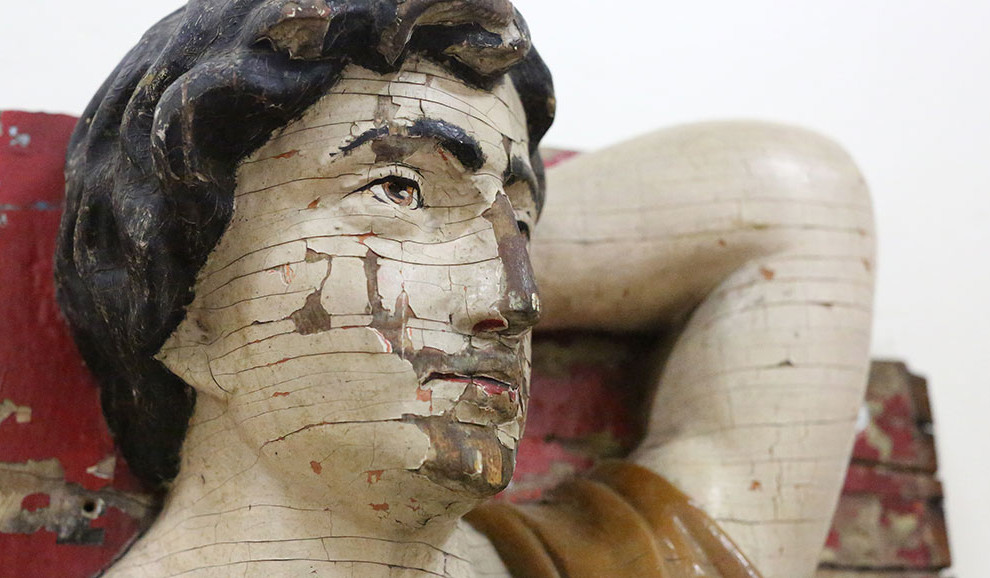
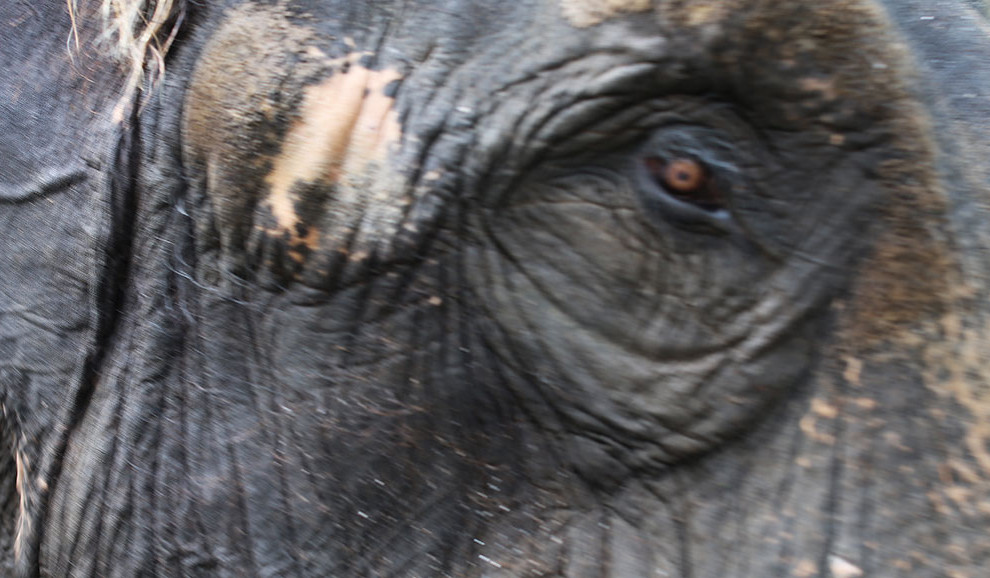 Elephant eye.
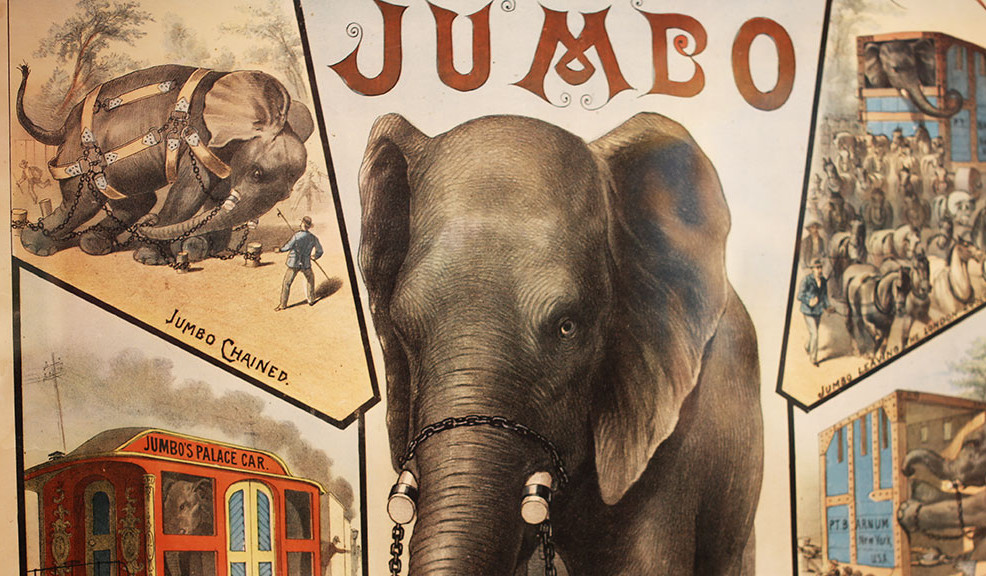
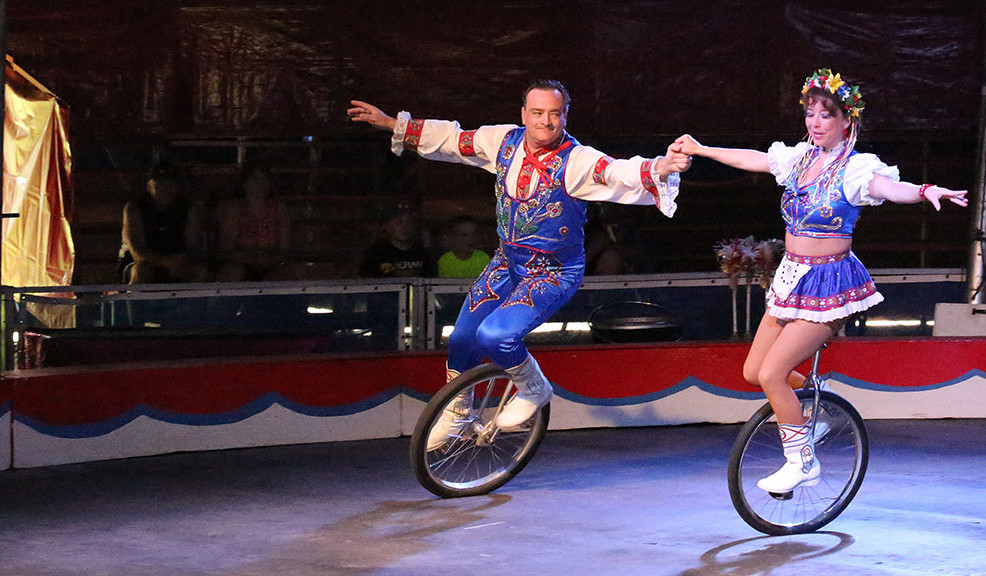
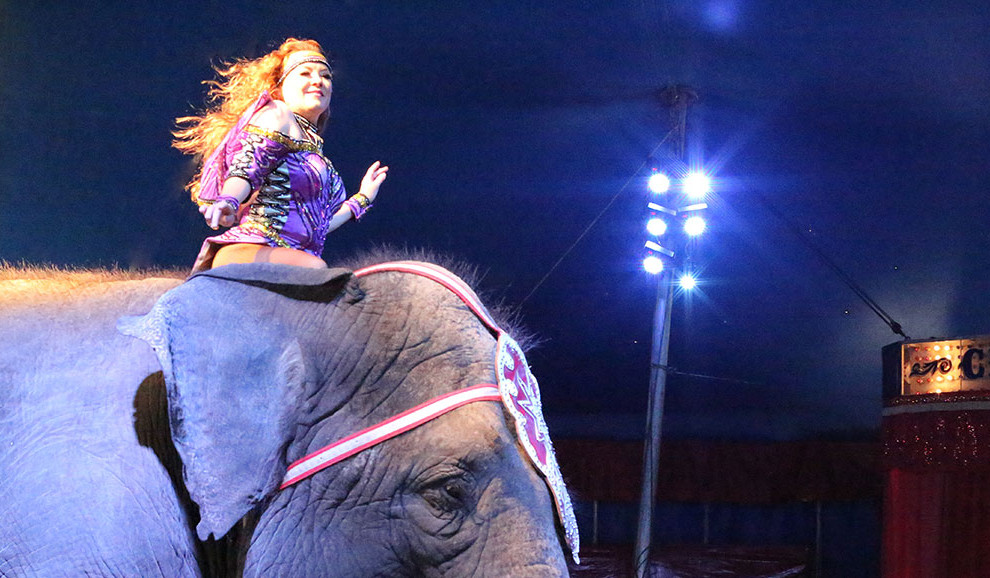
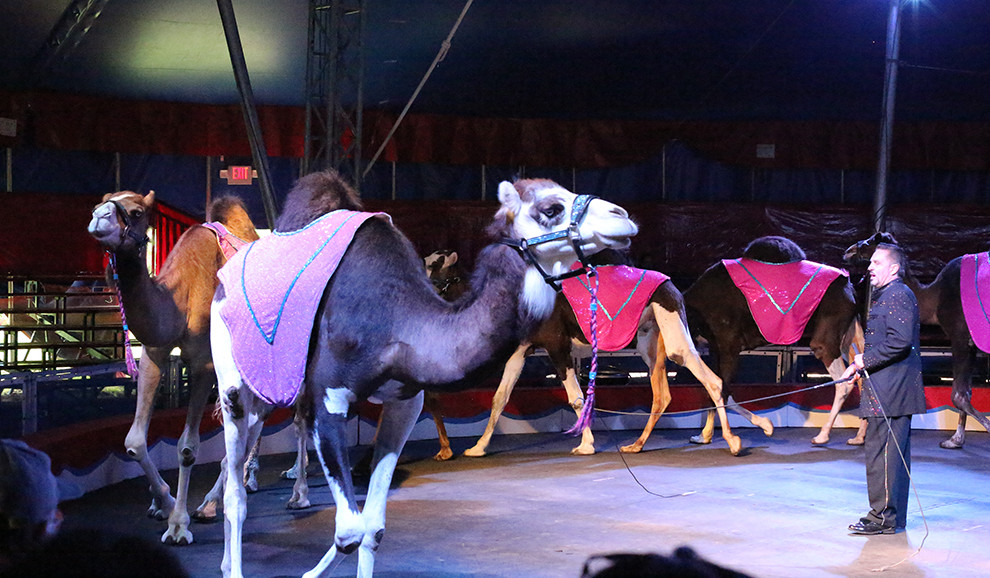
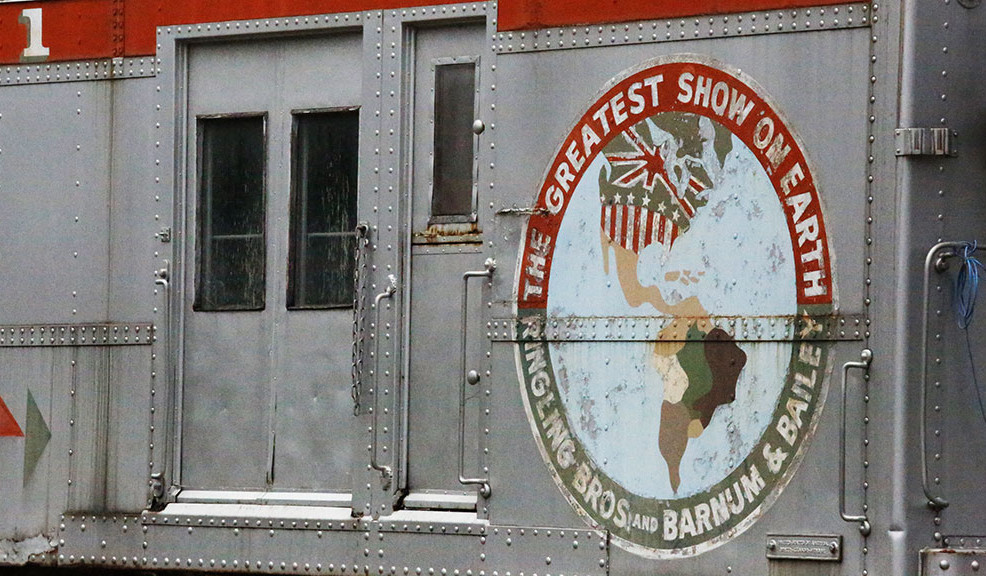
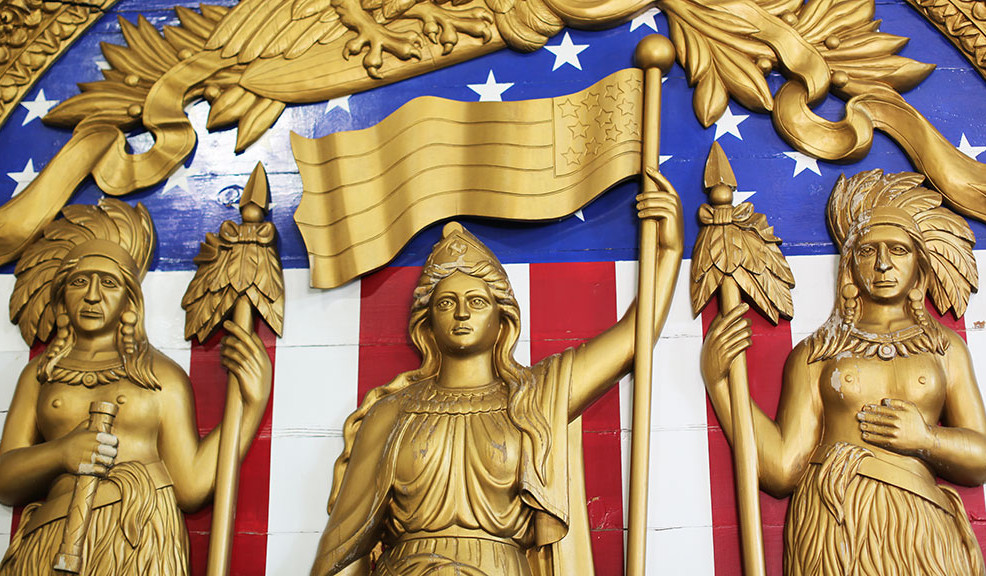
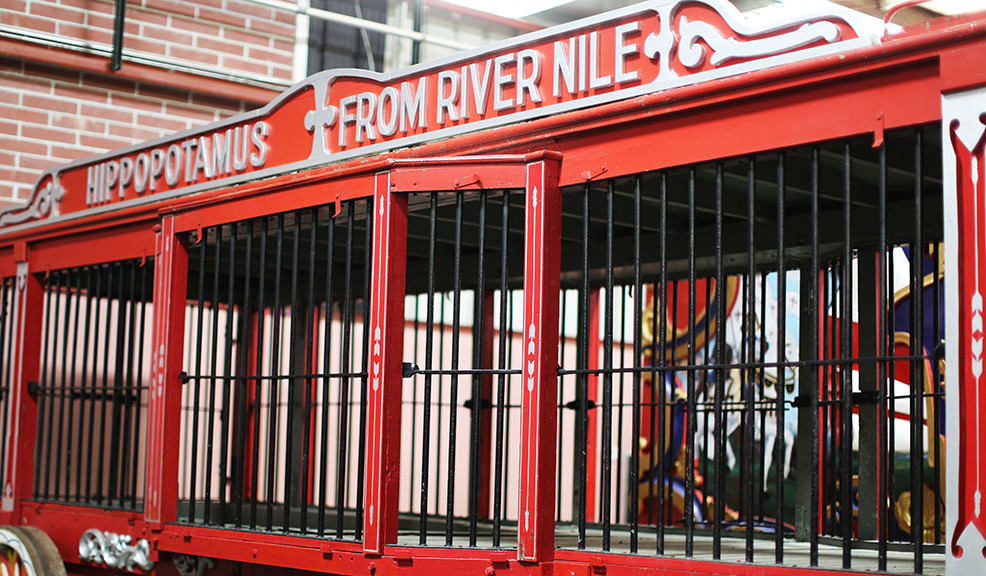

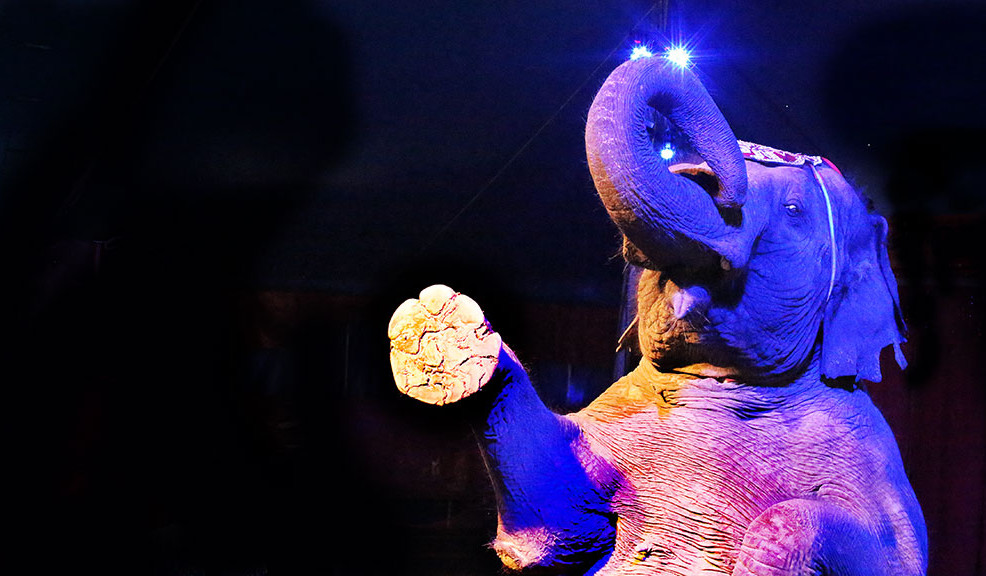
In a foggy Kansas dawn, when I was six or seven, my father woke me up and took me to watch elephants put up a big top.
My memories are as hazy as the morning mist: papery gray wrinkles, enormous lumbering legs, deft, grasping trunks. It was the beginning of a lifelong fascination with elephants and the circus, a fascination I recently fed at the Circus World Museum in Baraboo, Wisconsin.
It felt like witnessing the end of an era, with Ringling Bros. and Barnum & Bailey announcing earlier this year that, after 145 years of featuring elephant acts, it will retire them by 2018 because of the public’s “mood shift.”
Glimpse: Trail of the Cedars
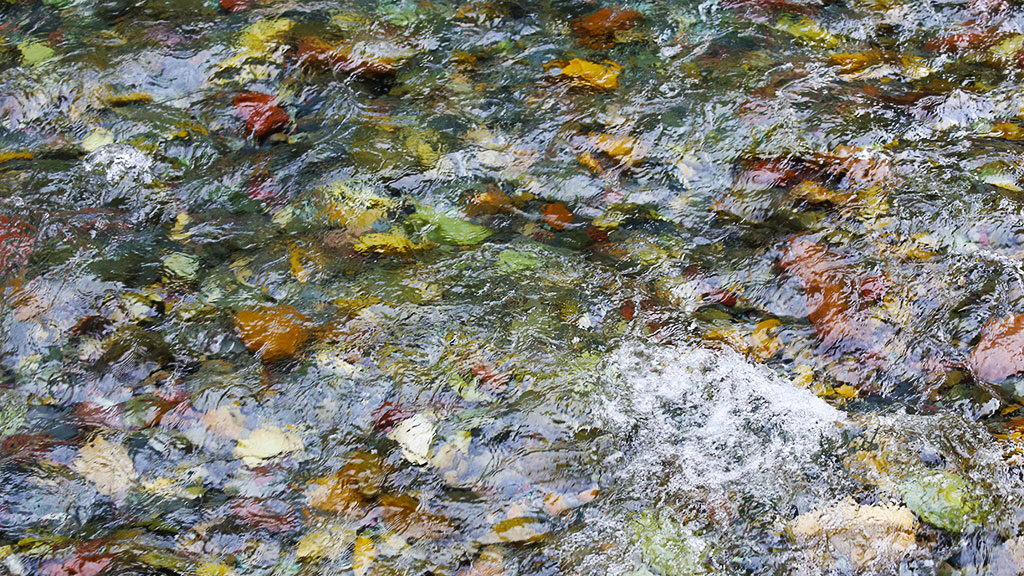
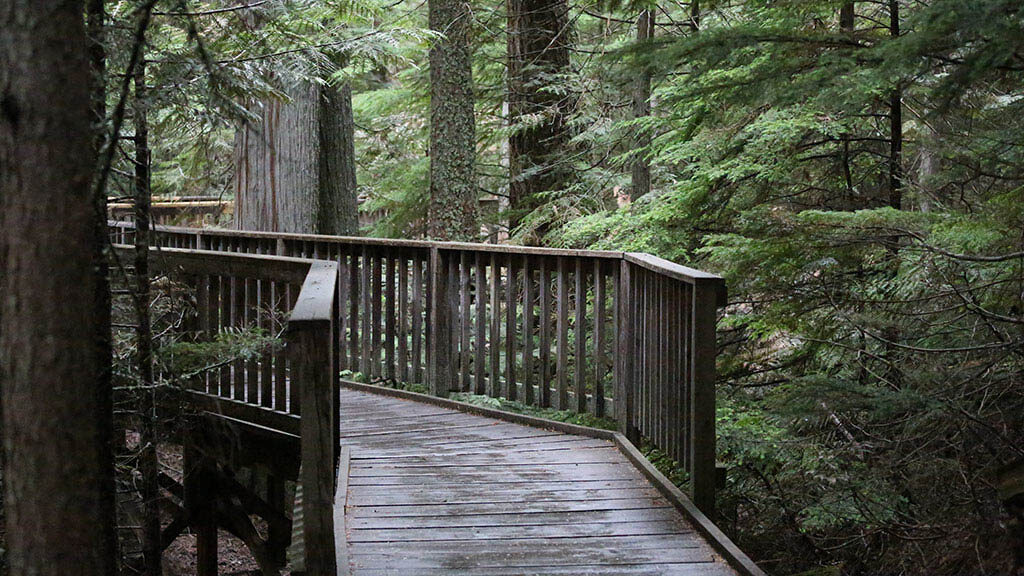
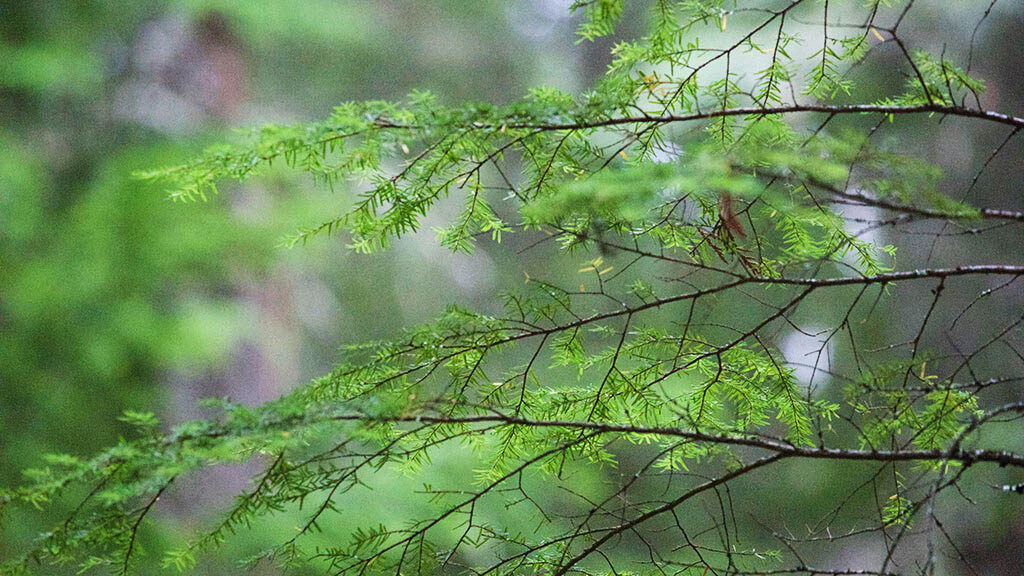
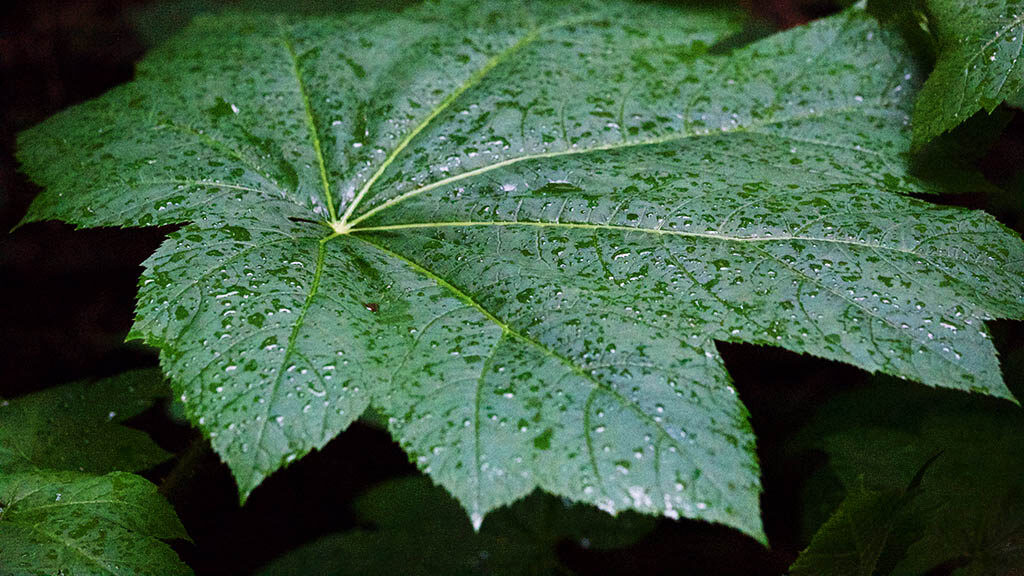
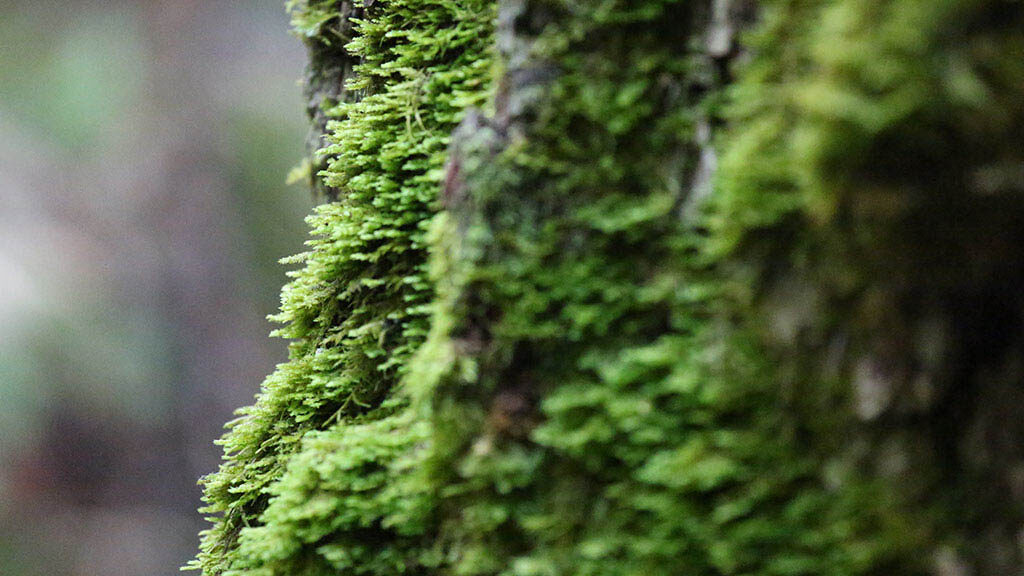
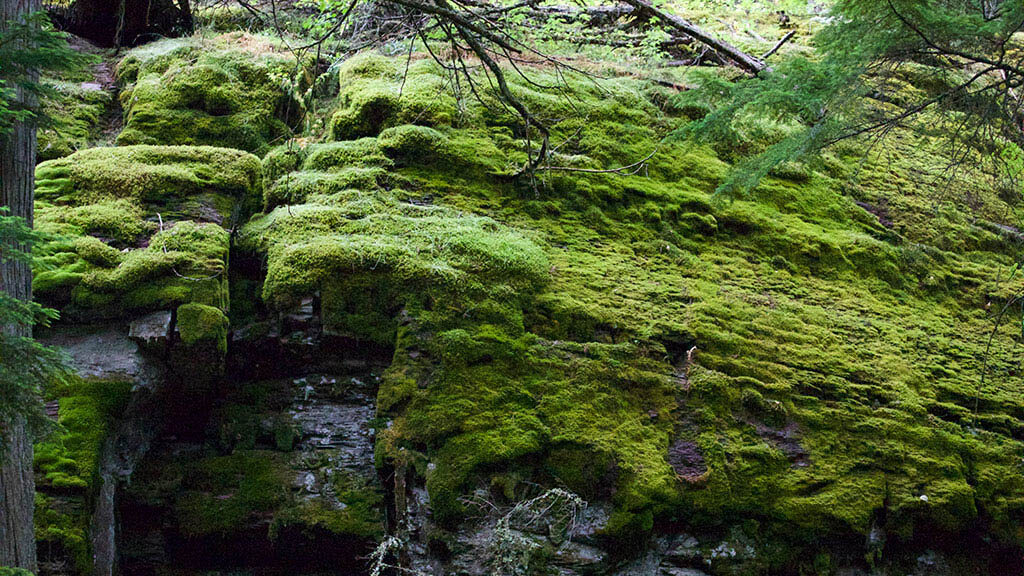
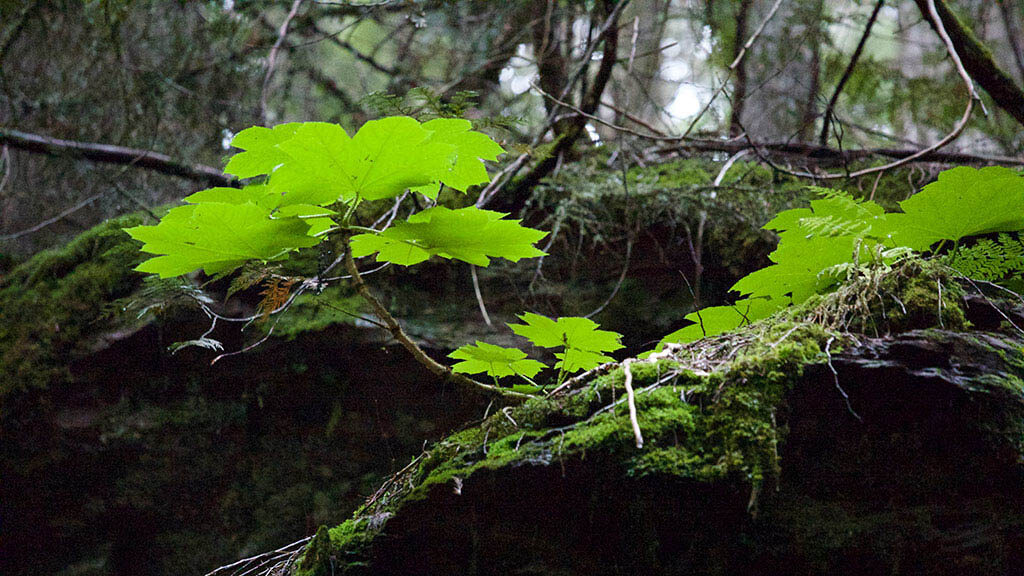
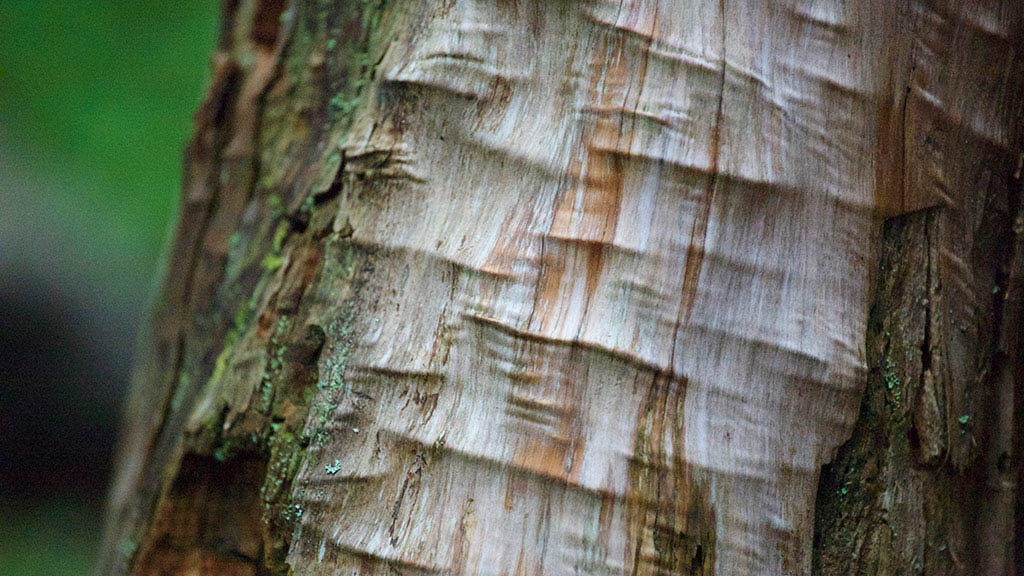
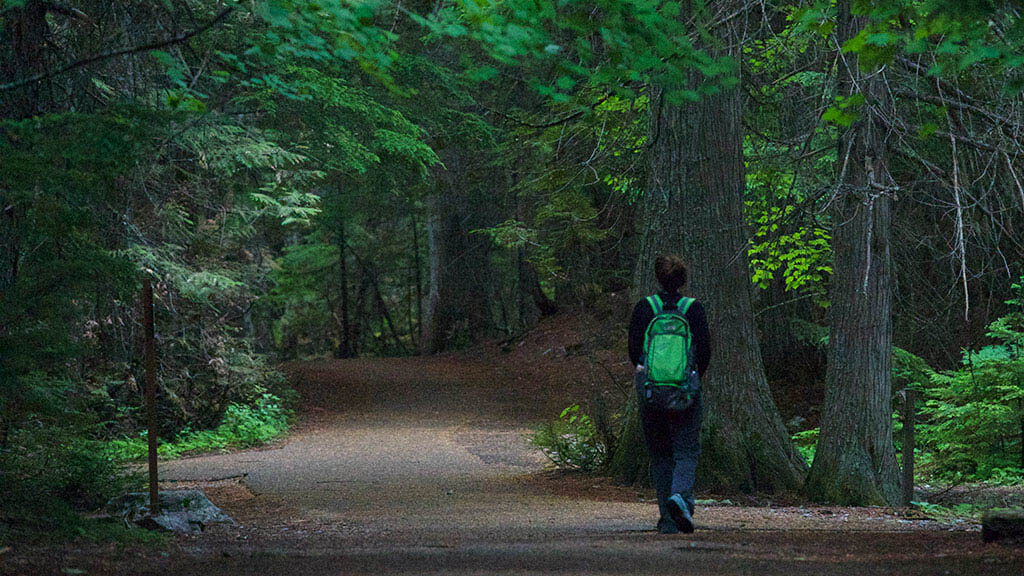
The Trail of the Cedars in Glacier National Park, an easy paved and boardwalk trail, takes you through a cool, green, drippy canopy of ancient western hemlocks and red cedars, some more than 500 years old and up to 100 feet high and seven feet in diameter. The forest floor is covered in ferns, mosses climb the rocks, and waterfalls in Avalanche Creek roar in the background.
Glimpse: Polebridge Mercantile
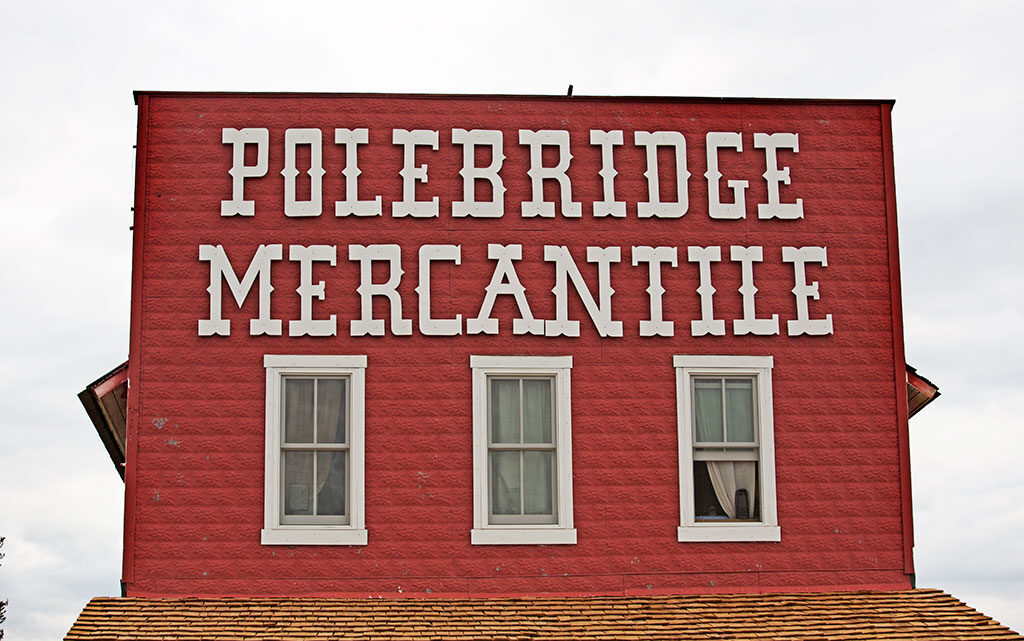 It's a long ride down a bumpy dirt road to Polebridge Mercantile, but it's worth it.
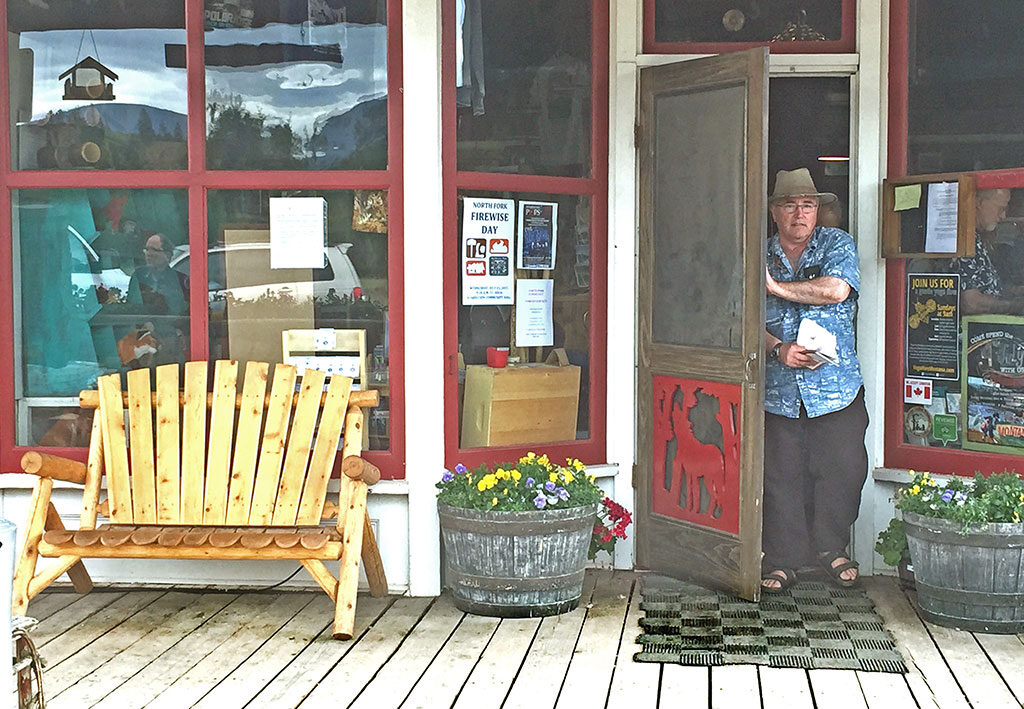
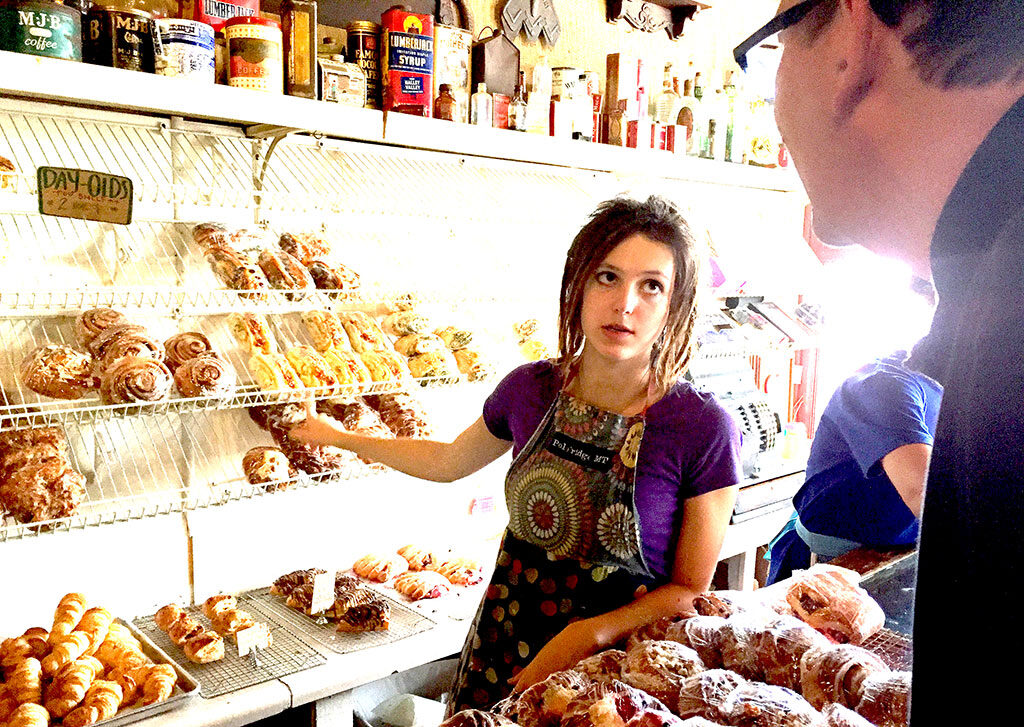
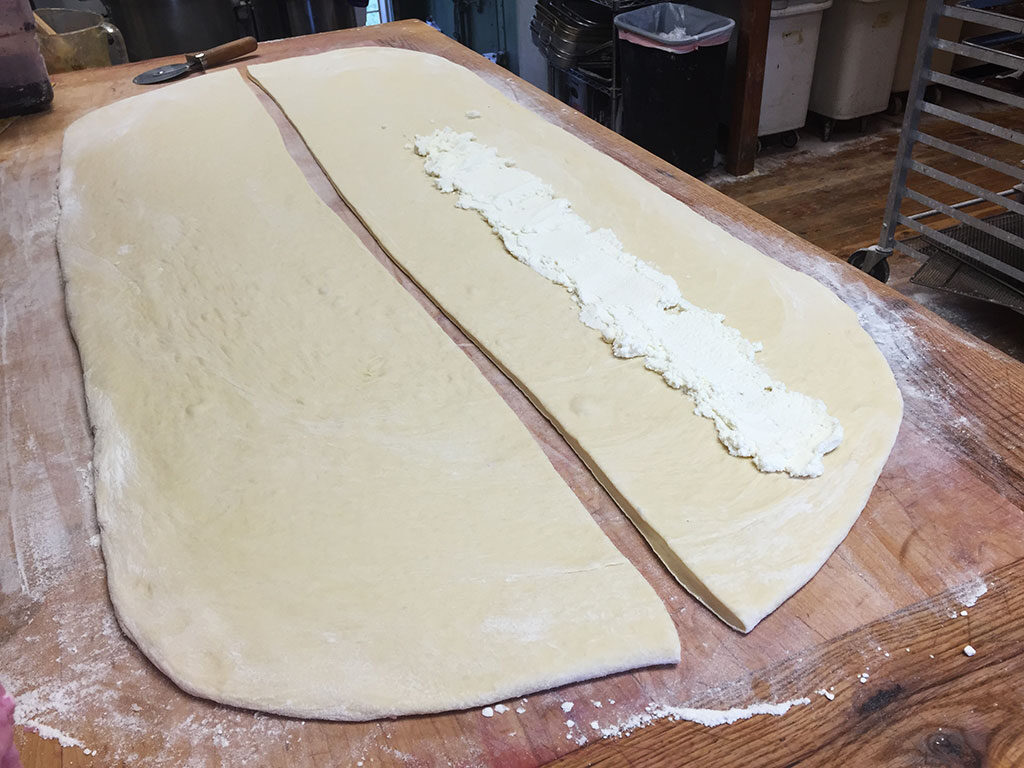
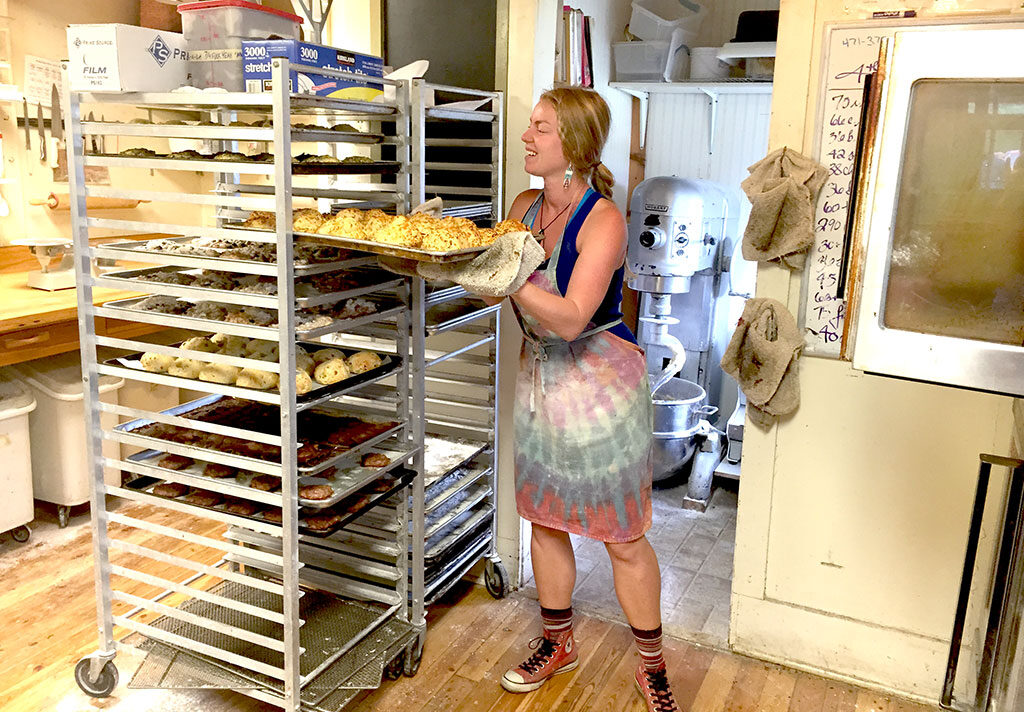

The bakery at Polebridge Mercantile is legendary. More than one person we met on the road, hearing we were headed to Montana, said with reverence, “You have to go to Polebridge. People wait in line for the bear claws to come out of the oven.” The Mercantile is more than 100 years old, built in 1914, just outside Glacier National Park. It’s a way station for travelers, rafters, and other intelligentsia looking for food, drink, merriment and fresh-baked sweets. The website describes founder William L. “Bill” Adair this way: “He fished, using only one fly (the Coachman), and drank and grew king-sized cabbages while his wife (and later, after she died, a second wife) ran the store and lived in their homestead cabin, which is now the Northern Lights Saloon.” The bakery was started in 1994, and continues to follow the recipes Dan Kaufman, a third-generation baker from Idaho who owned the Merc for 15 years. The afternoon we visited, bear claws were going in and out of the oven, along with gluten-free pineapple-coconut bars. Yum.
Glimpse: Glacier National Park
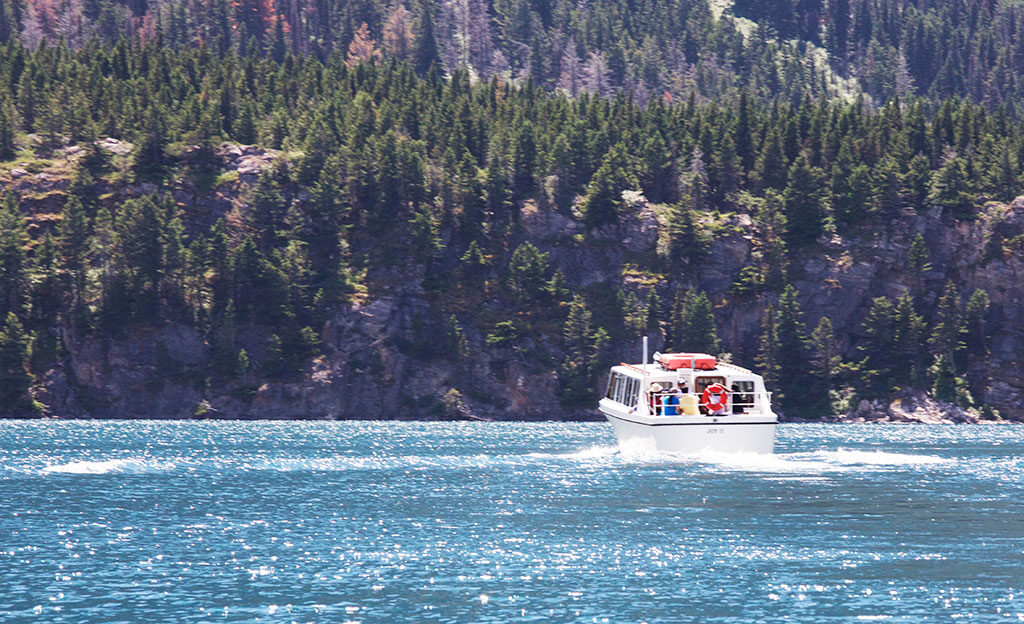 One of the boats in the beautiful water of Saint Mary Lake in Glacier National Park.
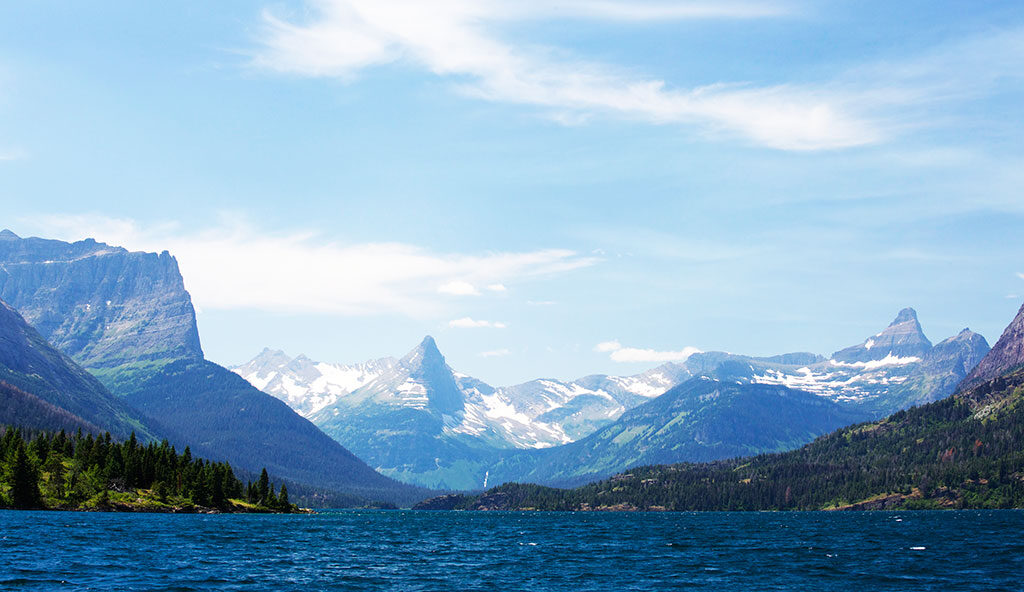
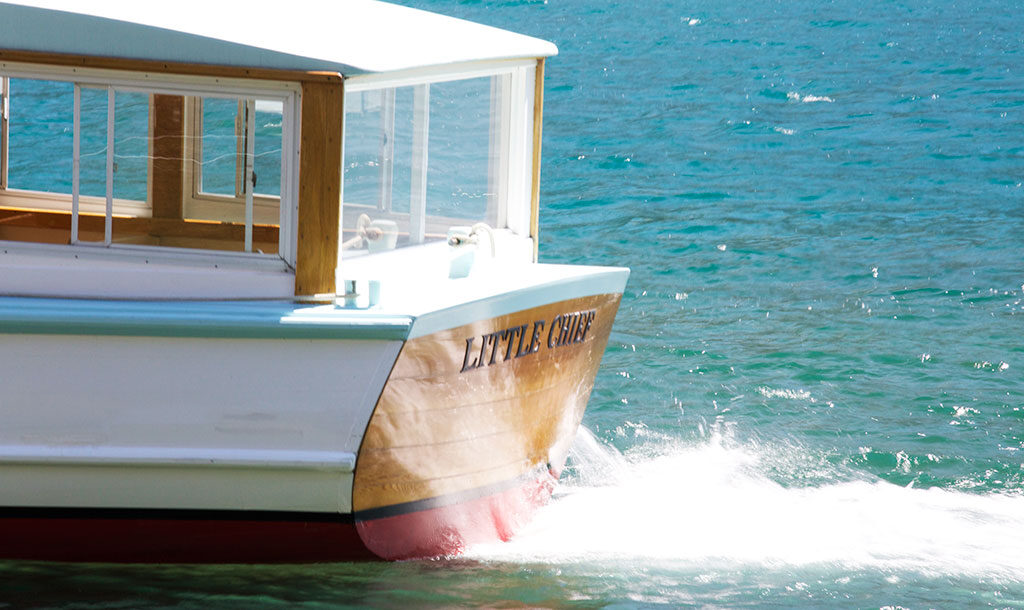
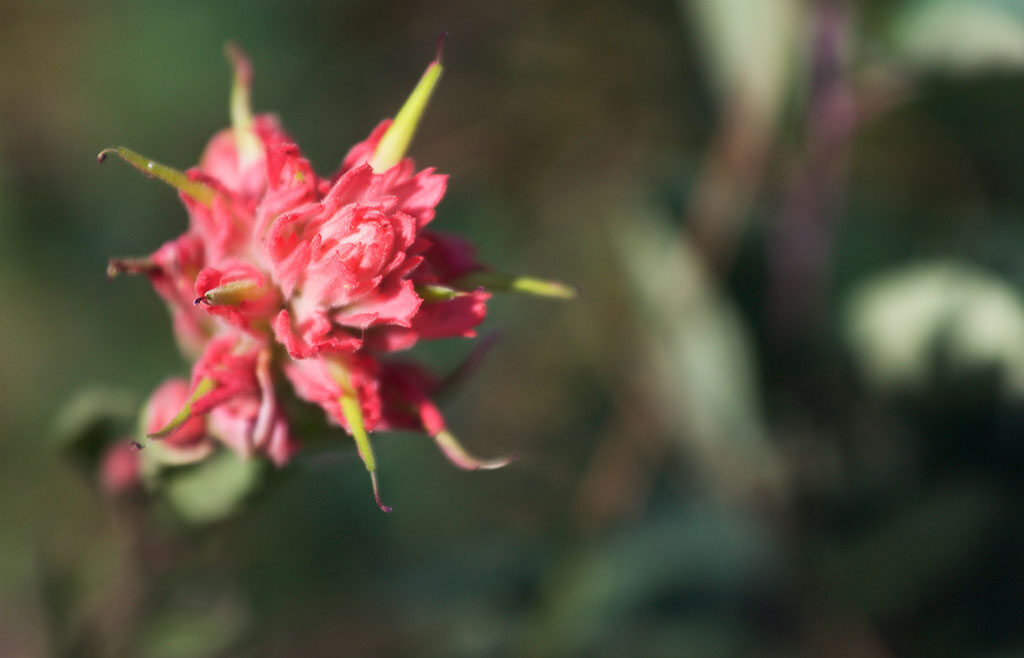
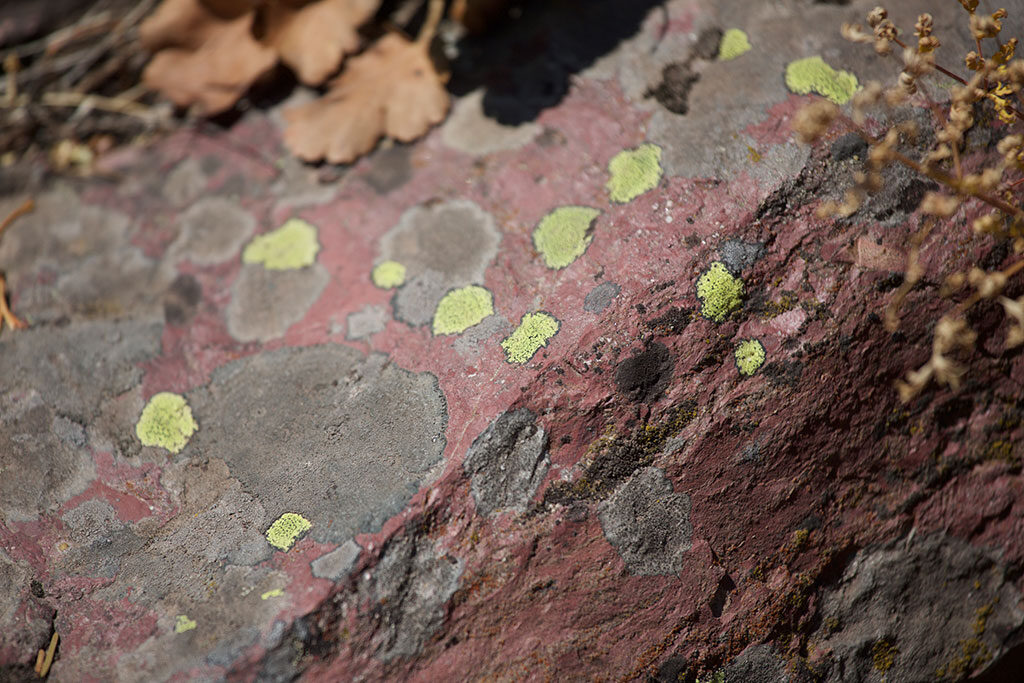
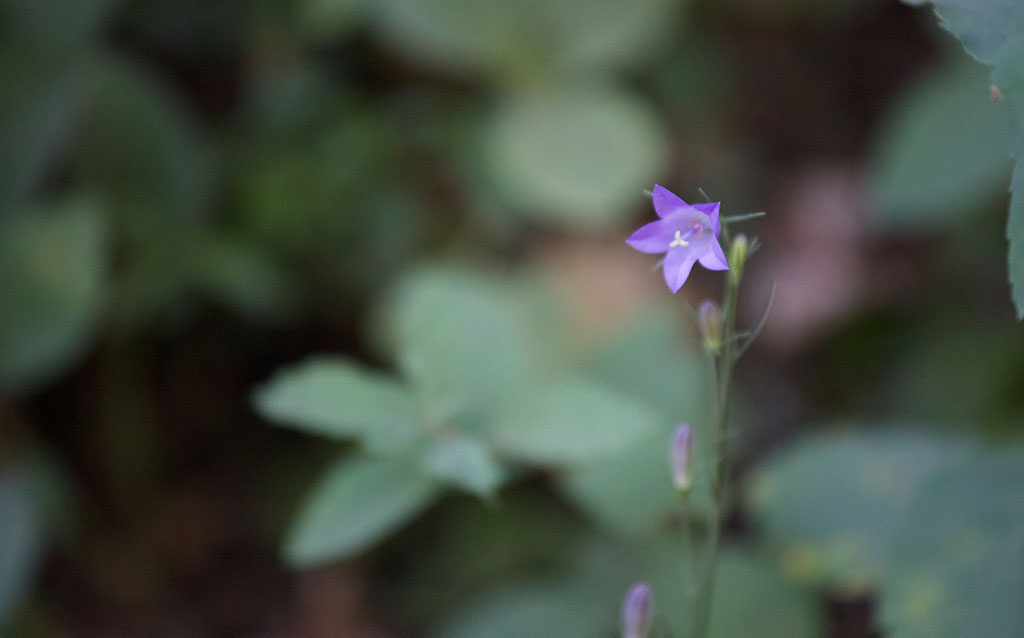
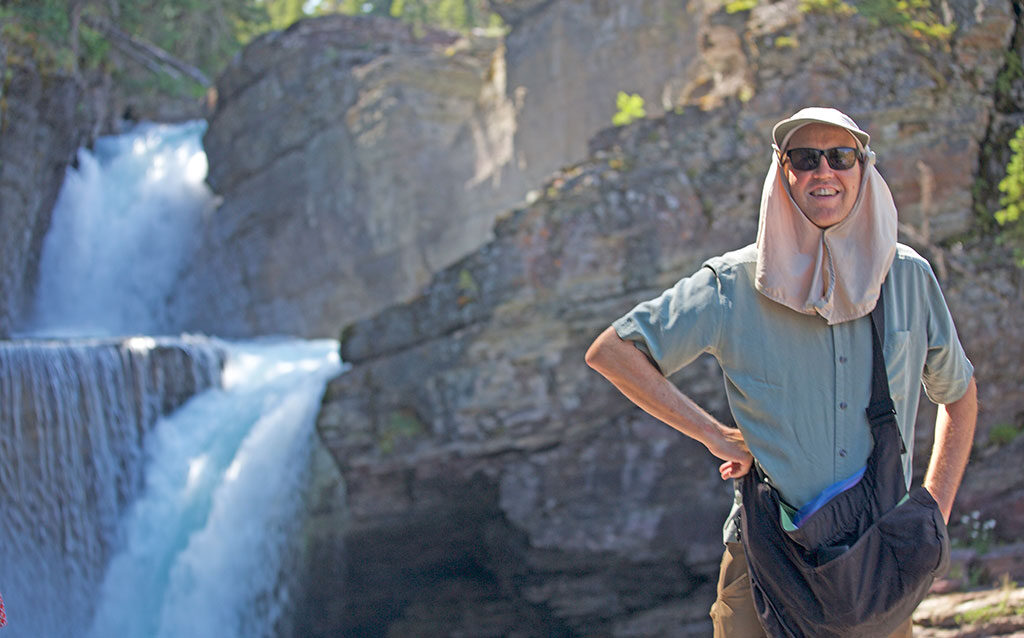
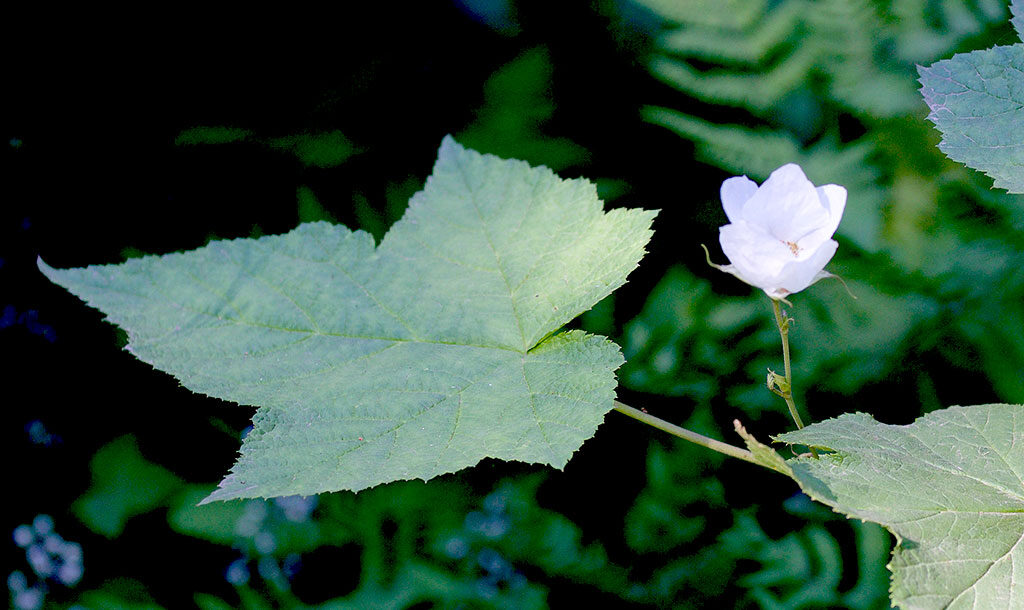
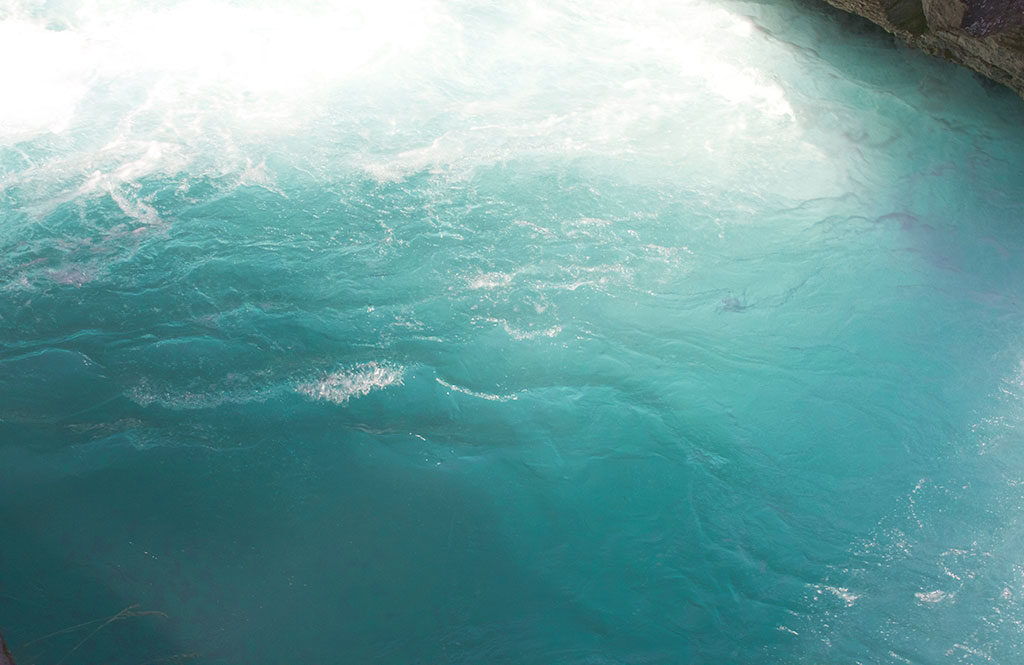
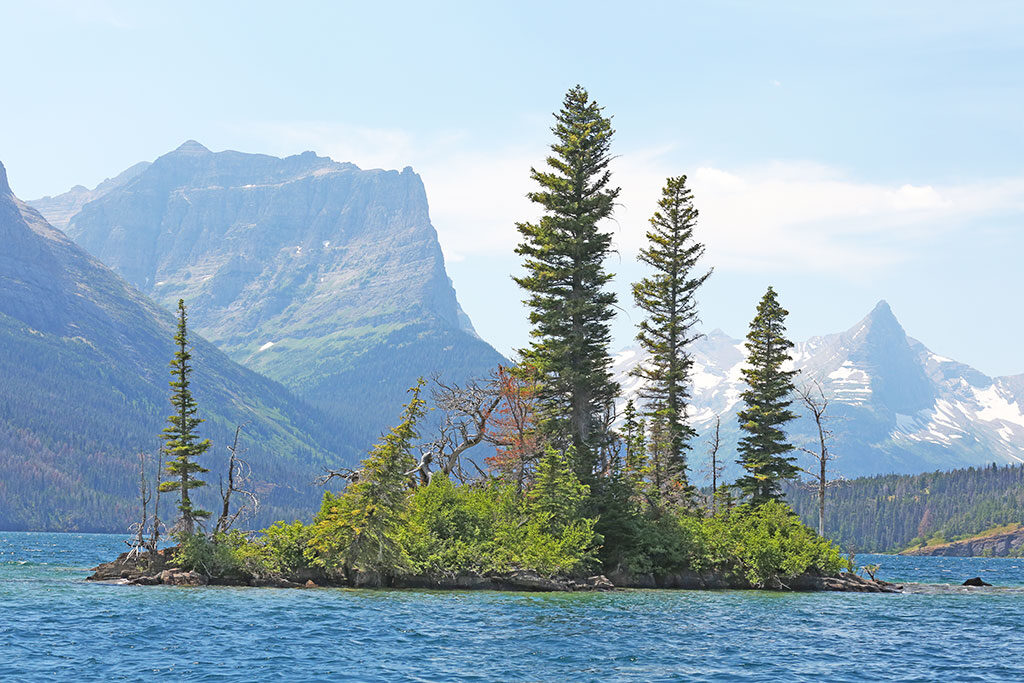
Glacier is so vast it’s hard to describe. We traversed the Going to the Sun Road on the free shuttle, rolling past cascading waterfalls, breathtaking vistas, the Weeping Wall, and precipitous drops. Then we stepped aboard an old wooden boat to tour Saint Mary Lake, where pieces of the mountains form tiny islands. We hiked with a ranger to the beautiful Saint Mary Falls, past wildflowers and aquamarine water sparking in the hot sun. The indescribable color is due to light reflecting off sediment in the water.
Followin’ the Tambourine man to the pool
Hey! Mr. Tambourine Man, play a song for me
I’m not sleepy and there is no place I’m going to
Hey! Mr. Tambourine Man, play a song for me
In the jingle jangle morning I’ll come followin’ you
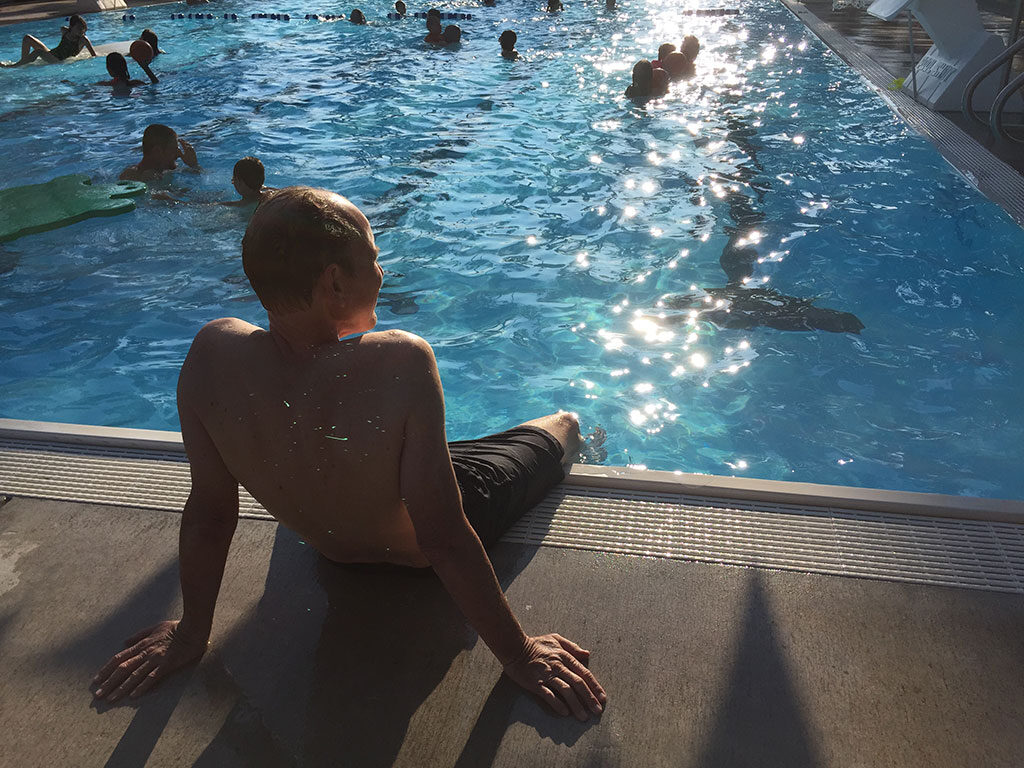
I must have been nine, because Bob Dylan’s Tambourine Man, released in 1965, was playing on the radio. It was summer in Leavenworth, Kansas, and my babysitter, who also taught swimming, was driving me and my sister to the pool for lessons.
Swimming is summer. Or summer is swimming. The two are inseparable in my mind. Bikinis, sunburns, Dylan, Big Hunk candy bars, and romance novels.
This week, The Epic Van cruised into Columbia Falls, Montana, our base camp for exploring Glacier National Park, and record temperatures in the upper 90s created heat waves on the pavement as we rolled past the community pool filled with splashing kids.
I insisted. We had to go.
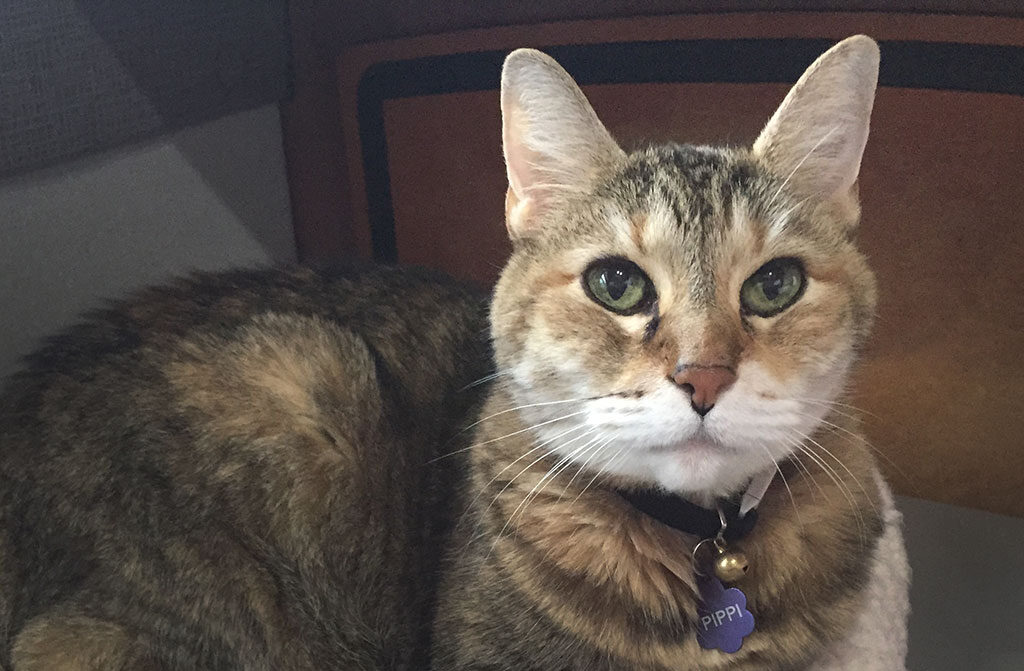
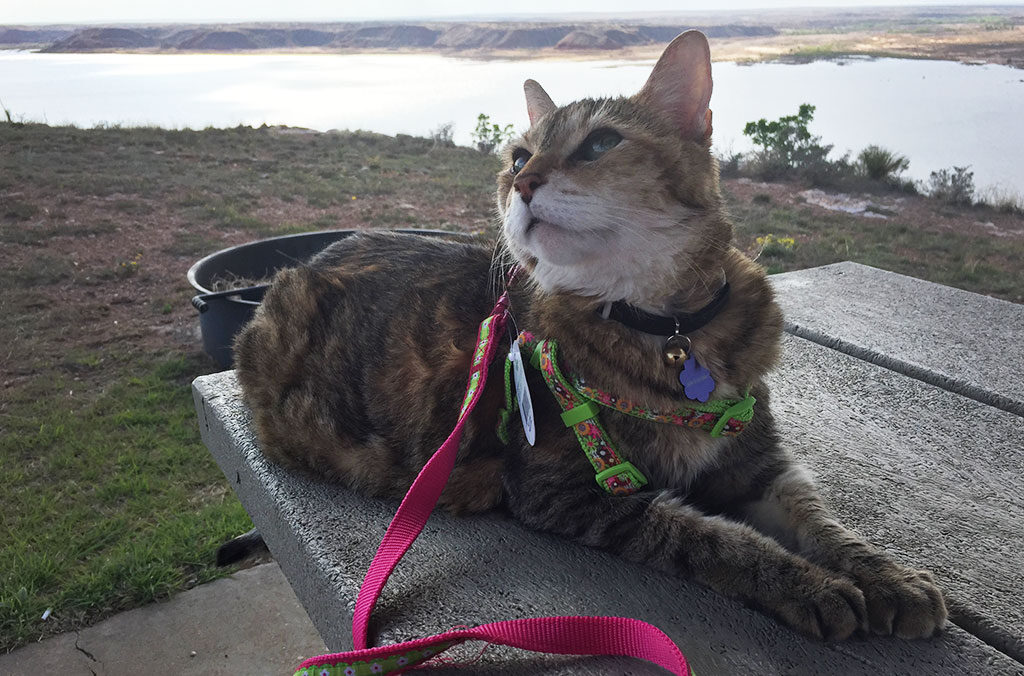
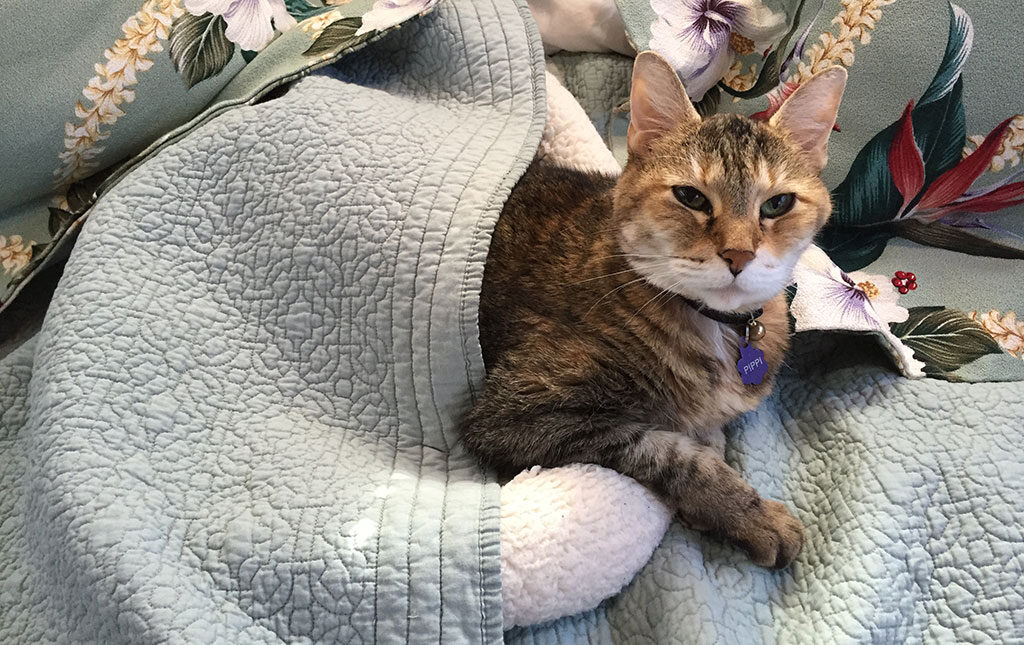
Goodbye, Pippi
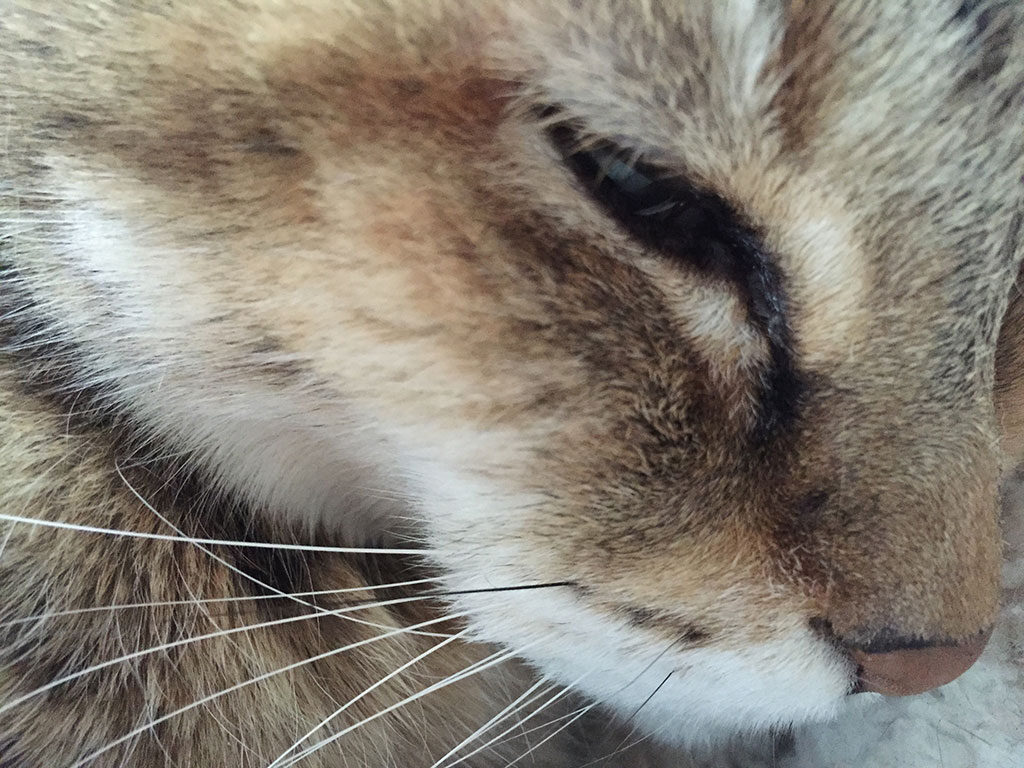 Pippi
Pippi
Nomads and the civilised look at each other with disapproval and misunderstanding. Why would anyone want to wander the wilderness and live in a tent? Why would anyone want to live in a box and obey unnecessary masters?
Ali, Mostly we’ve found people think it’s really cool. Many tell us they dream of being able to wander the world. Are you a nomad?